


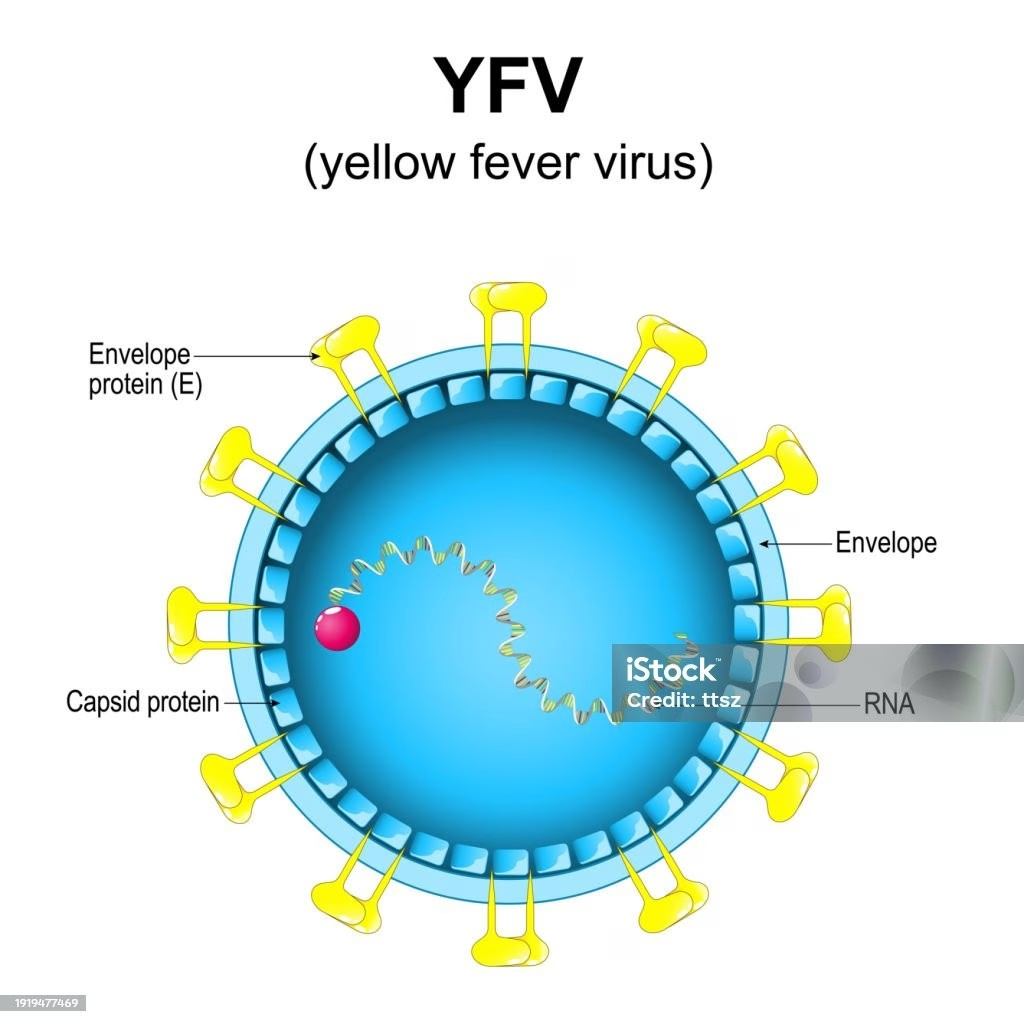
Yellow fever is a virulent viral disease caused by the yellow fever virus, primarily transmitted through the bite of infected mosquitoes. With symptoms ranging from mild fever to severe liver damage, yellow fever outbreaks have historically led to widespread panic and substantial mortality rates, especially in tropical regions. Vaccination against yellow fever has become a crucial prevention strategy, significantly reducing the impact of this illness worldwide. Understanding the history of yellow fever reveals troubling epidemics that ravaged cities in the 18th and 19th centuries, forever altering the social and economic landscapes of affected areas. Today, effective yellow fever prevention measures, including vaccination and public health awareness, are vital in protecting populations from potential outbreaks.
Referred to as the yellow plague, this mosquito-borne viral infection has a profound history that impacts our understanding of tropical diseases. The telltale jaundice associated with this malaise highlights the severe liver complications that ensue following infection. Public health efforts to curtail the spread of this illness have introduced critical measures like yellow fever vaccination, which serves as a shield against widespread outbreaks. The legacies of past yellow fever epidemics remind us of the importance of vigilant disease surveillance and prevention strategies. Today, the ongoing challenge remains to educate communities about the signs of yellow fever symptoms and the significance of vaccination in preventing severe health crises.
Understanding Yellow Fever Symptoms
Yellow fever symptoms can vary greatly, making it sometimes difficult to diagnose without thorough investigation. Initially, infected individuals may experience mild symptoms such as fever, chills, loss of appetite, and muscle pain. These symptoms usually appear within three to six days after being bitten by an infected mosquito, which can lead to a misdiagnosis of less severe illnesses like the flu or dengue fever.
In severe cases, the disease can progress to a more toxic phase characterized by jaundice (which is the yellowing of the skin and eyes), abdominal pain, liver damage, and bleeding from the mouth, nose, or eyes. It is crucial for travelers or individuals living in endemic areas to recognize these signs early, as timely treatment can be critical to prevent complications or death.
The Importance of Yellow Fever Vaccination
Vaccination against yellow fever is one of the most effective prevention strategies available today. The yellow fever vaccine has been shown to be safe and effective, offering long-lasting protection—often for a lifetime—in most individuals. The World Health Organization recommends that travelers to endemic regions receive this vaccine at least 10 days before travel to ensure adequate immunity.
Despite the availability of the vaccine, some regions still face outbreaks due to low vaccination coverage. Increased public awareness and access to vaccination campaigns are essential to combat the resurgence of yellow fever, particularly in areas where urbanization has led to increased mosquito populations and consequently, higher risk of transmission.
Historical Context of Yellow Fever Outbreaks
The history of yellow fever is intertwined with the history of cities like Buenos Aires, where it has left a significant mark on public health policies and urban planning. The notorious outbreak in 1871 is one of the most documented events, claiming approximately 14,000 lives and showcasing the devastating effects of the disease. This epidemic prompted improvements in infrastructure and sanitation as communities sought to reduce transmission risk.
Historically, yellow fever outbreaks have instigated widespread fear and social upheaval, influencing migration patterns and public sentiment towards health interventions. In the Americas, the patterns of yellow fever transmission have not only shaped individual lives but also the evolution of medical and scientific practices aimed at understanding and controlling vector-borne diseases.
Preventing Yellow Fever: Essential Strategies
Preventing yellow fever requires a multifaceted approach that involves vaccination, vector control, and public health education. Individuals residing in or traveling to endemic areas are urged to receive the yellow fever vaccination, which is a proven and effective means of preventing the disease. Apart from vaccination, controlling mosquito populations through the elimination of breeding sites—such as standing water—and using insect repellent can significantly reduce the risk of infection.
Public health campaigns play a critical role in educating communities about yellow fever prevention strategies. Awareness programs can help inform residents about the importance of vaccinations and encourage behaviors that minimize mosquito bites, such as wearing long sleeves and utilizing screens and nets in sleeping areas.
The Ecological Impact of Yellow Fever
The ecological impact of yellow fever is profound, impacting both human populations and wildlife in endemic regions. The yellow fever virus, maintained in a cycle between mosquitoes and primates, is part of a broader ecosystem that is disrupted by deforestation and urbanization. As habitats change, interactions between humans, mosquitoes, and wildlife become more frequent, potentially increasing the risk of outbreaks.
Moreover, areas that have historically been impacted by yellow fever are now experiencing shifts in biodiversity, which can alter disease dynamics. Understanding these ecological impacts is crucial for future public health strategies aimed at controlling yellow fever and other vector-borne diseases amidst changing environmental conditions.
Current Trends in Yellow Fever Research
Current trends in yellow fever research focus on vaccine development, vector biology, and the ecological factors influencing disease transmission. Scientists are exploring new vaccine formulations to enhance efficacy and broaden access, especially in rural areas where healthcare resources may be limited. The goal is to develop a vaccine that not only improves immunity but also has fewer side effects.
Additionally, research into the behavior of Aedes and Haemagogus mosquitoes—major vectors for yellow fever—has gained momentum. Understanding their breeding patterns and life cycles can lead to more effective control strategies that reduce the risk of transmission during outbreaks. By combining the latest scientific findings with community-driven education, there is hope for better management of yellow fever.
Global Collaboration on Yellow Fever Prevention
Global collaboration is vital in the fight against yellow fever, as the disease does not recognize borders. Organizations like the World Health Organization and the Pan American Health Organization work together with national governments to strengthen surveillance systems, coordinate vaccination campaigns, and share data on outbreaks. This international approach is essential for safeguarding public health, especially in regions prone to yellow fever.
Collaborative efforts also extend to research and innovation in mosquito control strategies and vaccine technology. By pooling resources and expertise, countries can develop comprehensive strategies to tackle yellow fever that are culturally relevant and effective. Such collaborations ensure that communities are not left vulnerable to outbreaks and helps build resilience against future threats.
Cultural Depictions of Yellow Fever
Cultural depictions of yellow fever through art, literature, and history reveal its deep societal impact. The painting ‘An Episode of Yellow Fever in Buenos Aires’ by Juan Manuel Blanes poignantly captures the human tragedy associated with the epidemic. Artworks like this serve as a powerful reminder of the profound loss and suffering caused by yellow fever, immortalizing the struggle of those who lived through such catastrophic events.
Literature and historical texts also illustrate the social and psychological effects of yellow fever outbreaks. These accounts highlight not only the medical aspects of the disease but also the communal response, fear, and resilience that characterized these episodes. By studying these cultural reflections, we can gain insights into how societies respond to health crises and the importance of compassion and community support in times of distress.
The Future of Yellow Fever Control
Looking forward, the future of yellow fever control hinges on integrated approaches that combine vaccination, surveillance, and community engagement. New technologies, such as genetically modified mosquitoes and advanced data analytics, offer potential pathways to reduce vector populations more effectively. Continued investment in public health infrastructure and education will be essential to sustain these efforts.
Additionally, addressing the underlying causes of outbreaks such as urbanization and climate change is critical for long-term control. By fostering a collaborative global environment and adapting strategies in response to emerging challenges, the goal of significantly reducing yellow fever incidence can be achieved, ultimately saving lives and protecting vulnerable populations.
Frequently Asked Questions
What are the common yellow fever symptoms to watch for?
Common yellow fever symptoms include fever, chills, loss of appetite, nausea, muscle pain, and headaches. After the initial phase, some patients may progress to more severe symptoms, such as liver damage and jaundice, resulting in yellowing of the skin and eyes.
How effective is the yellow fever vaccination?
The yellow fever vaccination is highly effective and provides immunity within 10 days for most individuals. A single dose of the vaccine offers long-lasting protection, significantly reducing the risk of contracting yellow fever during outbreaks.
What was the impact of the yellow fever outbreak in Buenos Aires?
The yellow fever outbreak in Buenos Aires in 1871 was devastating, claiming around 14,000 lives from a population of approximately 180,000. It caused widespread panic and significantly disrupted daily life and the economy of the city.
What is the history of yellow fever in the Americas?
The history of yellow fever in the Americas dates back to its introduction through the transatlantic slave trade in the 17th century. Notable epidemics occurred throughout the 18th and 19th centuries, particularly in port cities like New Orleans and Buenos Aires, leading to significant mortality and social disruption.
How can yellow fever be prevented?
Yellow fever can be prevented through vaccination, which is the most effective method. Additionally, avoiding mosquito bites by using repellents, wearing protective clothing, and controlling mosquito populations are crucial prevention strategies during outbreaks.
| Key Point | Details |
|---|---|
| Definition | Yellow fever is a viral disorder caused by an Orthoflavivirus, a member of the Flaviviridae family. |
| Transmission | The virus is primarily transmitted to humans through mosquito bites, leading to replication in the liver. |
| Historical Context | Yellow fever epidemics occurred mainly during the 18th and 19th centuries in the Americas, notably affecting port cities like Buenos Aires. |
| Symptoms and Severity | 85% of infections are asymptomatic or result in mild illness; severe cases can lead to inflammation and organ damage. |
| Current Impact | Yellow fever remains endemic in tropical areas of Africa and Latin America, causing tens of thousands of severe infections and deaths annually. |
| Vaccine Development | The yellow fever vaccine, developed by Max Theiler, significantly reduced outbreak frequency and won him a Nobel Prize. |
Summary
Yellow fever is a serious viral infection that continues to pose threats in various regions worldwide, particularly in tropical climates. Understanding its history, modes of transmission, and the effectiveness of vaccination can help mitigate its impact on public health. The dedication shown in combating yellow fever has led to significant advancements in medical science, particularly with the life-saving vaccine development.
The content provided on this blog (e.g., symptom descriptions, health tips, or general advice) is for informational purposes only and is not a substitute for professional medical advice, diagnosis, or treatment. Always seek the guidance of your physician or other qualified healthcare provider with any questions you may have regarding a medical condition. Never disregard professional medical advice or delay seeking it because of something you have read on this website. If you believe you may have a medical emergency, call your doctor or emergency services immediately. Reliance on any information provided by this blog is solely at your own risk.