


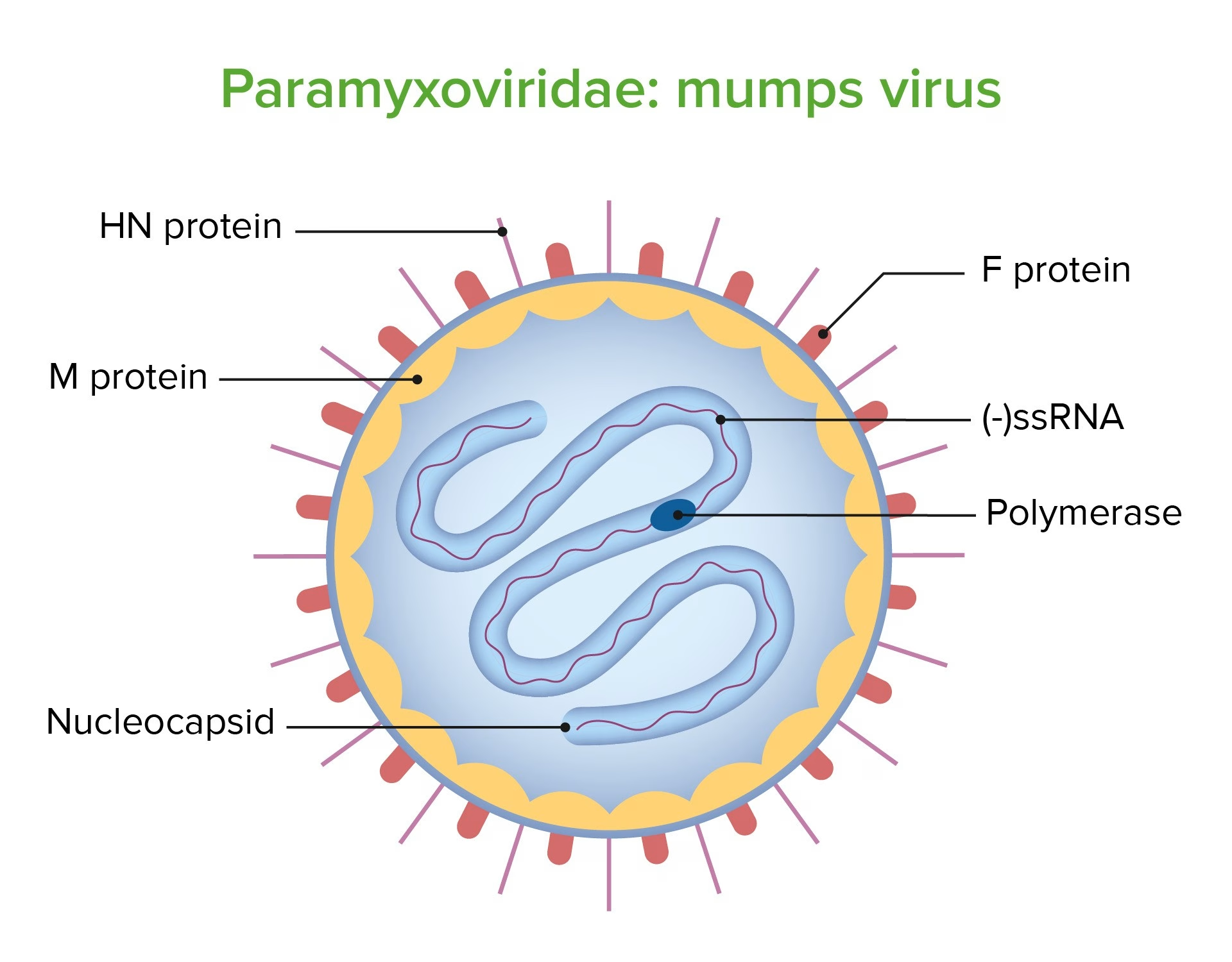
The mumps virus, an infectious agent belonging to the Orthorubulavirus parotitidis family, has significantly impacted human health through the centuries. This paramyxovirus is notorious for causing mumps, characterized mainly by the painful swelling of the parotid glands, which often results in a distinct facial distortion. Throughout history, outbreaks of mumps have been recorded, raising concerns about public health and the importance of mumps vaccination. Symptoms of mumps typically include fever, headache, and muscle pain, coupled with the hallmark swelling. Despite a remarkable decline in cases due to vaccination efforts, recent years have seen a resurgence of mumps outbreaks, underscoring the need for better awareness and preventive strategies against this preventable disease.
The pathogen responsible for this longstanding illness, referred to as the mumps virus, presents not only health concerns but also a compelling tale of societal impact. This viral agent is well-known for triggering the typical signs associated with mumps, including swollen salivary glands and systemic discomfort. Historically, the frequency of mumps outbreaks has highlighted gaps in immunization coverage and public health education regarding mumps causes and prevention. Vaccination strategies have evolved over time, yet variations in public compliance continue to threaten the progress made against this condition. Awareness of mumps symptoms and the importance of immunization remain crucial for managing this communicable disease effectively.
Understanding Mumps Virus: Causes and Symptoms
The mumps virus, scientifically known as Orthorubulavirus parotitidis, is the primary cause of the infectious disease mumps. This paramyxovirus is mainly known for causing painful swelling of the parotid glands, which are located near the jaw, leading to characteristic facial distortion. While this swelling is often the most visible symptom, it is important to note that mumps can also lead to complications such as orchitis, meningitis, and even encephalitis in rare cases. Recognizing these symptoms early on is crucial for timely intervention and treatment.
Beyond the swelling of the parotid glands, individuals infected with the mumps virus may experience additional symptoms such as fever, headache, muscle aches, fatigue, and loss of appetite. These initial symptoms can often resemble that of a common viral infection. Because mumps is contagious, typically spreading through respiratory droplets or direct contact with an infected person’s saliva, it is critical for communities to stay informed about mumps symptoms and to seek medical attention if any signs arise.
The Importance of Mumps Vaccination in Preventing Outbreaks
The introduction of the mumps vaccination program in 1967 marked a significant turning point in the fight against mumps, resulting in a decrease of more than 99% in reported cases in the United States. The measles, mumps, and rubella (MMR) vaccine has been instrumental in reducing the prevalence of not only mumps but also its associated outbreaks. Despite the vaccine’s effectiveness, recent years have seen a worrying resurgence in mumps cases, particularly since 2006, prompting health organizations to emphasize the need for continued vaccination efforts.
As of the 2023–24 school year, vaccination coverage for the MMR vaccine among kindergartners dropped to 92.7%, while exemptions from vaccinations rose slightly. This trend of increasing non-medical exemptions poses a challenge to achieving herd immunity, which is critical for controlling mumps outbreaks. Public health campaigns focused on educating parents about the safety and efficacy of the mumps vaccination are essential to reversing this trend and protecting vulnerable populations.
Mumps Outbreaks: A Resurgence in Recent Years
Mumps outbreaks in the United States have notably increased since 2006, despite the high efficacy of the MMR vaccine. Various factors contribute to this resurgence, including decreased vaccination rates and varying levels of immunity within communities. The CDC tracks these outbreaks meticulously and outlines that clusters of mumps cases can occur in close-contact settings such as schools, colleges, and sports teams, highlighting the need for herd immunity to prevent the virus from spreading.
In recent years, outbreaks have led to hundreds of infections, particularly affecting populations with lower vaccination rates. Social media and misinformation surrounding vaccine safety have also played a role in the hesitancy among some parents to vaccinate their children, thereby undermining community immunity. Addressing these concerns through targeted educational initiatives appears critical for mitigating future outbreaks and ensuring the public understands the importance of maintaining high vaccination coverage.
Historical Context: The Impact of Mumps Through Time
Historically, mumps has been documented for centuries, with its first clear descriptions appearing in the 15th century. The term ‘mumps’ itself likely has roots in Old French and Middle Dutch, emphasizing the longstanding acknowledgment of the disease in human society. In earlier times, mumps infections were prevalent among children, often resulting in severe complications due to the lack of medical understanding and treatment options.
With advances in medicine, particularly the development of vaccines, the incidence of mumps dramatically decreased in the 20th century, leading many to forget the once-devastating impact of this virus. However, ongoing discussions regarding vaccination rates and public health measures remind us that mumps remains a threat if immunity levels in the community decline. Lack of historical awareness may contribute to the resurgence of cases today, emphasizing the importance of public health education.
Mumps Symptoms: Recognizing the Signs Early
Recognizing mumps symptoms early can lead to better management of the condition and help prevent transmission to others. The hallmark sign of mumps is the swelling of the parotid glands, which usually appears on one or both sides of the face. This swelling is often accompanied by fever, headache, and general fatigue, making it essential for anyone experiencing these symptoms to seek medical advice, especially if they have been in close contact with someone diagnosed with mumps.
In addition to parotid gland swelling, individuals may experience less common symptoms such as soreness in the throat or jaw, and even testicular pain in males due to infections of the testicles, known as orchitis. By understanding these symptoms, individuals can help mitigate the effects of the virus and minimize its spread by isolating themselves and contacting their healthcare provider for necessary guidance and potential testing.
Unpacking Mumps Causes: How the Virus Spreads
The mumps virus is primarily transmitted through respiratory droplets when an infected person coughs or sneezes. Close contact with an infected individual can also result in transmission through saliva, especially in communal settings such as schools and colleges. Therefore, understanding how mumps spreads is crucial for implementing effective preventive measures aimed at curtailing outbreaks.
In addition to direct transmission, it is worth noting that the mumps virus can survive on surfaces for several hours, which adds another layer to its contagious nature. This persistence in the environment means that shared objects and surfaces in communal areas can also facilitate the spread of mumps. Promoting hygiene practices, such as regular handwashing and avoiding close contact with sick individuals, can help prevent infection and subsequent outbreaks.
The Role of Community Immunity in Controlling Mumps
Community, or herd immunity, is vital in controlling the transmission of mumps and other vaccine-preventable diseases. When a significant portion of the population is vaccinated, it reduces the overall availability of the virus to spread, effectively protecting those who cannot be vaccinated, such as infants or individuals with certain medical conditions. Achieving and maintaining herd immunity levels is critical to preventing outbreaks and ensuring the health of the community.
Health officials recommend high vaccination rates—ideally above 95% for the MMR vaccine—to ensure that enough individuals are immune to stop the transmission of mumps. In recent years, fluctuations in vaccination acceptance have raised concerns that communities are at risk of mumps outbreaks. Ongoing public health efforts to educate about vaccine importance are crucial for enhancing community resilience against mumps and other infectious diseases.
Historical Mumps Outbreaks: Lessons Learned
Studying historical mumps outbreaks offers valuable insights into how viral diseases can evolve and impact populations. For instance, during large outbreaks in the late 20th century, the importance of vaccination in long-term disease control became evident as a means to achieve lasting immunity in the population. Major outbreaks led to public health campaigns that significantly increased vaccination rates in subsequent years.
However, the resurgence of mumps in recent years highlights that lessons from the past must be continually revisited and applied. Analyzing factors that contributed to earlier outbreaks—such as low vaccination rates and lack of public awareness—can inform strategies to combat similar challenges today. This retrospective examination is critical for developing effective public health policies that prevent new outbreaks and protect future generations.
The Future of Mumps Management: A Call to Action
Looking forward, the management of mumps will require a sustained focus on vaccination and community engagement. Public health officials are calling for renewed efforts to boost MMR vaccination rates to ensure that mumps does not regain a foothold in communities where it has been largely eradicated. Increased education campaigns are necessary to dispel myths surrounding vaccines and reinforce their importance in public health.
Additionally, there needs to be a concerted effort to monitor mumps cases and investigate outbreaks thoroughly to inform public health responses. Preventive measures must be adaptable and responsive to changing demographics and vaccine perceptions within communities. By fostering awareness and reinforcing the necessity of vaccination, we can work towards a future where mumps becomes a rare disease, ultimately protecting public health.
Frequently Asked Questions
What are the common mumps symptoms associated with the mumps virus?
Common mumps symptoms include swelling of the parotid glands, fever, headache, muscle aches, fatigue, and loss of appetite. The swelling can cause distinctive facial distortion, which is a hallmark of mumps infection.
What causes the mumps virus, and how is it transmitted?
The mumps virus is caused by the Paramyxovirus family and is primarily transmitted through respiratory droplets from coughs and sneezes. It can also spread through direct contact with an infected individual’s saliva.
How effective is the mumps vaccination in preventing mumps outbreaks?
The mumps vaccination, part of the MMR (measles, mumps, rubella) vaccine, has reduced mumps cases by over 99% since its introduction. Despite this success, localized mumps outbreaks still occur, especially in areas with low vaccination rates.
What is the history of the mumps virus and its vaccination?
The mumps virus has been recognized for centuries, but vaccines were only developed in the 1960s. Since the launch of the mumps vaccination program in 1967, the incidence of the virus has dramatically declined, although recent years have seen a resurgence in cases and outbreaks.
What are the long-term effects of mumps infection if left untreated?
Untreated mumps can lead to complications such as orchitis, oophoritis, meningitis, and deafness. While many cases are mild, complications can arise, underscoring the importance of mumps vaccination for prevention.
| Key Point | Details |
|---|---|
| What is the Mumps Virus? | A paramyxovirus known as Orthorubulavirus parotitidis that causes the infectious disease mumps. |
| Symptoms of Mumps | Characterized by swelling of the parotid glands, leading to facial distortion. |
| Etymology | Derived from the Old French word ‘mommer’, meaning to play dice in a mask, with related terms in Middle Dutch and Norwegian indicating disguise or affected actions. |
| Vaccination Impact | Cases of mumps in the US decreased by over 99% since the introduction of the vaccination in 1967. |
| Recent Trends | Mumps cases have risen since 2006, partly due to reduced vaccination rates among kindergartners, dropping to 92.7% for the MMR vaccine in 2023–24. |
| Exemptions | The percentage of kindergartners exempted from multiple vaccines increased from 3.0% to 3.3% due to nonmedical exemptions. |
Summary
The mumps virus is a significant public health concern that leads to mumps, an infectious disease known for its distinct symptoms, particularly the swelling of the parotid glands. Despite the success of vaccination programs that greatly reduced incidence rates, mumps cases have begun to rise again due to decreasing vaccination rates and increasing exemptions among school children. Understanding the origins, symptoms, and current trends associated with the mumps virus is essential for effective public health strategies.
The content provided on this blog (e.g., symptom descriptions, health tips, or general advice) is for informational purposes only and is not a substitute for professional medical advice, diagnosis, or treatment. Always seek the guidance of your physician or other qualified healthcare provider with any questions you may have regarding a medical condition. Never disregard professional medical advice or delay seeking it because of something you have read on this website. If you believe you may have a medical emergency, call your doctor or emergency services immediately. Reliance on any information provided by this blog is solely at your own risk.