


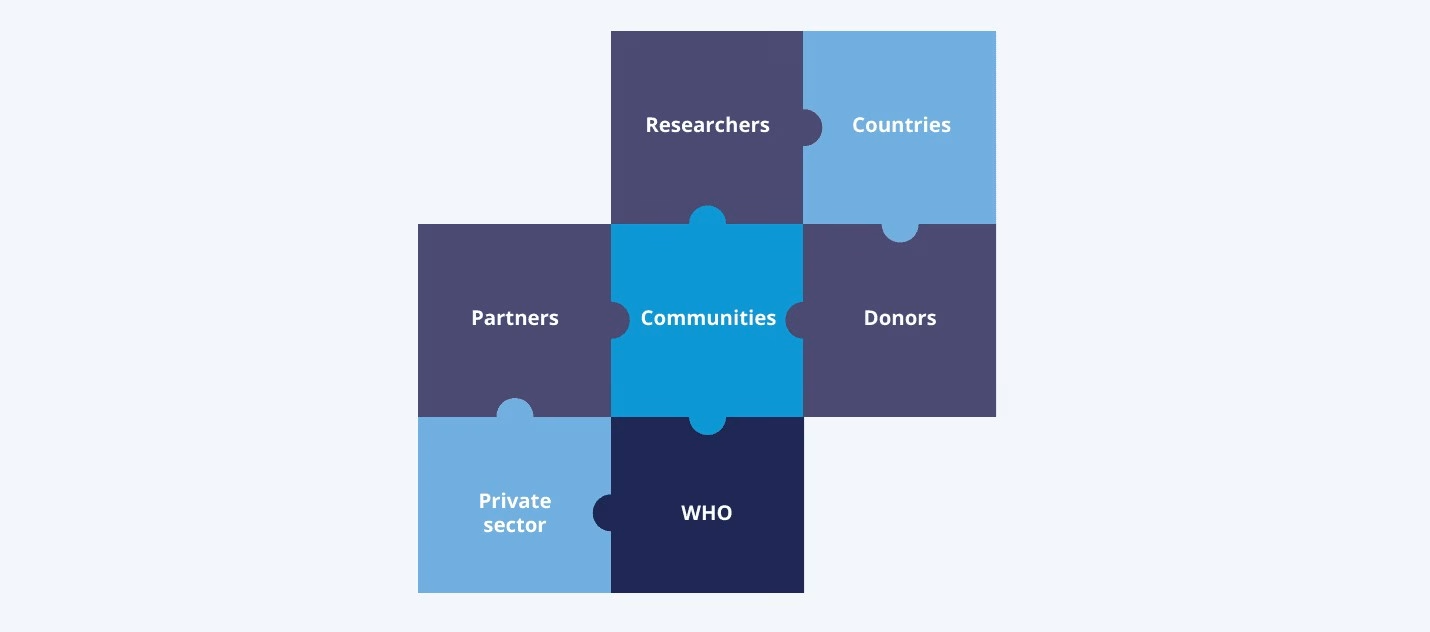
The WHO Framework on HIV Resistance marks a significant milestone in the global fight against HIV, sexually transmitted infections (STIs), and hepatitis treatments. As we witness a troubling rise in HIV treatment resistance, the WHO has stepped forward with essential guidelines aimed at mitigating these challenges. This new framework addresses the alarming increase in resistance reported in low- and middle-income countries, where an estimated 5% to 20% of patients struggle with drug efficacy due to resistance to standard antiretroviral therapies like dolutegravir. Moreover, as the health landscape evolves, antimicrobial resistance WHO highlights an urgent need for cohesive strategies to safeguard existing treatments, not only for HIV but also for hepatitis B and C, and STIs. With these comprehensive WHO HIV guidelines, the global health community is better equipped to confront and ultimately overcome the barriers posed by treatment resistance.
The recent initiative by the World Health Organization aims to tackle the escalating challenge of drug resistance affecting HIV and other related health conditions. Known as the WHO Framework on HIV Resistance, this approach seeks to combat the rising threats of treatment inefficacy across viral infections, including hepatitis B and C, and common sexually transmitted diseases. Rising resistance to first-line therapies for these infections—coupled with diminishing effectiveness against pathogens like _Neisseria gonorrhoeae_—is alarmingly becoming a norm. Advocating for a united effort among nations and health organizations, the framework envisions a future where continued access to effective treatments remains a priority in the global health discourse. Emphasizing the importance of collaborative strategies, this initiative not only aims to control existing infections but also work towards the prevention of new cases.
Understanding the WHO Framework for HIV Resistance
The World Health Organization’s (WHO) newly established framework seeks to confront the rising tide of resistance to HIV treatments, particularly as it pertains to dolutegravir-based therapies. This resistance is a pressing concern in low- and middle-income countries, where recent findings indicate that up to 20% of HIV patients with unsuppressed viral loads exhibit resistance to these newly recommended antiretrovirals. The implications of such resistance extend beyond individual health outcomes; they jeopardize the broader efforts to control the HIV epidemic and maintain the integrity of treatment protocols endorsed by WHO guidelines.
Key components of the WHO framework emphasize the need for enhanced surveillance and data sharing between nations to identify and respond to trends in treatment resistance. By adopting a data-driven approach, the WHO aims to equip healthcare providers with the necessary tools to implement effective interventions against HIV treatment resistance. This proactive strategy is also crucial in aligning with global targets for the elimination of HIV infections and ensuring that existing treatment regimens remain effective across diverse populations.
Impact of Antimicrobial Resistance on STI Treatments
The increase in antimicrobial resistance (AMR) is particularly alarming regarding the treatment of sexually transmitted infections (STIs). With resistance rates for common STIs such as gonorrhea reaching unprecedented levels, traditional first-line treatments are becoming less effective. This dramatic shift places both individuals and public health systems at risk, as the options for treating resistant infections dwindle. According to the WHO, escalating AMR rates can significantly hinder global health goals aimed at reducing STI incidence and promoting sexual health.
As antibiotic resistance mounts, healthcare systems must prioritize the development of effective treatment alternatives and improve existing therapies for STIs. The WHO framework outlines strategies for enhancing laboratory capacity, promoting rational antimicrobial use, and fostering collaborative research initiatives. By adopting a comprehensive response to STI resistance, we can help ensure that effective treatment remains accessible and that public health initiatives continue to make strides toward reducing the burden of STIs worldwide.
Emerging Hepatitis Treatment Resistance Concerns
While treatments for hepatitis B and C are generally regarded as effective, there are growing concerns about emerging resistance among patients as treatment access expands. The WHO asserts that without adequate monitoring and management strategies, the risks of treatment failure will increase, which could lead to higher transmission rates of these viruses. This presents a critical challenge in achieving the global objective of eliminating hepatitis as a major public health threat.
The WHO framework emphasizes the importance of maintaining treatment efficacy through the implementation of monitoring systems that can swiftly identify and address resistance patterns. Additionally, it underscores the need for healthcare providers to ensure that patients receive appropriate regimens tailored to their specific needs, minimizing the risk of developing resistance. By proactively managing hepatitis treatments and addressing resistance, we can safeguard the considerable advancements made in hepatitis management.
Collaborative Strategies Against HIV and STI Resistance
In the fight against HIV and STI resistance, collaboration among governments, healthcare communities, and international organizations is imperative. The WHO’s framework is designed to galvanize a unified response to resistance challenges, encouraging joint initiatives and shared accountability among stakeholders. Such collaborative efforts are essential in streamlining resources and bolstering strategies that effectively combat the rising tide of treatment resistance.
Partnerships can facilitate knowledge sharing, enhance research funding, and promote best practices in patient care, which are all crucial for reversing trends in treatment resistance. By pooling resources and expertise, engaged parties can innovate in areas such as drug development and deployment of new treatment protocols, thus preserving the efficacy of current therapies while preparing for potential future challenges.
Global Health Implications of Treatment Resistance
The global health implications of rising treatment resistance are profound, as untreated infections can lead to increased morbidity and mortality rates. The WHO warns that if resistance continues to rise unchecked, we could witness a surge in new HIV infections, hindering decades of progress made in controlling the pandemic. This is especially relevant in regions with high prevalence rates, where effective management of HIV is paramount to achieving health equity.
Furthermore, the connections between HIV, STIs, and antimicrobial resistance highlight the complexity of these challenges. As resistance complicates treatment regimens, it becomes increasingly imperative for healthcare systems worldwide to adopt a multi-faceted approach to address these interconnected health crises. Sustainable solutions must encompass prevention, effective treatment strategies, and robust public health policies to mitigate the far-reaching consequences of treatment resistance across all affected populations.
The Role of Surveillance in Combating Resistance
Surveillance plays a pivotal role in combating rising treatment resistance to HIV, STIs, and hepatitis. The WHO framework advocates for enhanced data collection and reporting mechanisms that allow for real-time monitoring of resistance patterns. Such surveillance efforts are critical as they empower healthcare professionals to adapt treatment strategies promptly to emerging resistance, ensuring that patient care remains effective and evidence-based.
Moreover, establishing strong surveillance systems can aid in understanding the epidemiology of resistant strains and inform public health decision-making. By documenting resistance trends, healthcare authorities can implement targeted interventions that align with WHO guidelines and maintain the efficacy of existing treatment regimens, protecting public health on a broader scale.
Antimicrobial Stewardship and Resistance Management
Antimicrobial stewardship is vital in managing resistance to HIV, STI, and hepatitis treatments. The WHO framework underlines the importance of responsible prescribing practices and the optimal use of existing antimicrobial therapies. By promoting sustained awareness regarding resistance and the impact of over-prescription, healthcare providers can significantly reduce the likelihood of developing resistant strains.
Implementing antimicrobial stewardship programs allows healthcare systems to align with best practices, encouraging a culture of careful evaluation before initiating treatments. Such measures not only prolong the effectiveness of current therapies but also contribute to the broader goal of minimizing resistance. As evidenced by WHO guidelines, fostering a responsible approach to antimicrobial use is paramount in preserving the gains made in infectious disease control.
Innovative Approaches to HIV Resistance Management
Innovative approaches are essential in the management of HIV resistance, especially in the wake of emerging strains that challenge traditional treatment regimens. The WHO framework encourages the exploration of novel therapeutic options and the integration of new technologies to enhance treatment efficacy. Research into long-acting formulations and novel combinations of ART could present opportunities to overcome existing resistance issues.
Additionally, the incorporation of patient-centered care models, which prioritize individual needs and treatment preferences, can significantly improve adherence to therapy. By empowering patients through education and support systems, healthcare providers can enhance treatment outcomes and reduce the risk of resistance development, in line with the recommendations of the WHO’s treatment guidelines.
Community Engagement in Resistance Prevention
Engaging communities in the fight against treatment resistance is critical for the success of the WHO framework. Grassroots initiatives that involve education and awareness campaigns can significantly influence public attitudes toward sexual health and treatment adherence. By fostering a culture of informed health decisions, communities can play a vital role in reducing STIs and HIV treatment resistance.
Moreover, involving community members in shaping health policies ensures that interventions are culturally relevant and effectively address local needs. When communities are stakeholders in healthcare decisions, it creates a sense of ownership and accountability, driving collective efforts toward combating treatment resistance and achieving better health outcomes.
Frequently Asked Questions
What is the WHO Framework HIV Resistance and its significance?
The WHO Framework HIV Resistance is a strategic roadmap issued by the World Health Organization to combat the rising resistance to HIV treatments, including antiretroviral therapy. This framework is significant because it aims to prevent treatment failures and reduce the incidence of new HIV infections, ensuring continued progress in controlling the epidemic.
How does HIV treatment resistance affect patient outcomes?
HIV treatment resistance can severely impact patient outcomes by leading to viral load rebounds and treatment failures. If patients develop resistance, particularly to common therapies like dolutegravir, they may face limited options for effective treatment. The WHO Framework aims to mitigate these risks through coordinated global efforts.
What are the key components of the WHO HIV guidelines in addressing treatment resistance?
The key components of the WHO HIV guidelines related to treatment resistance include enhanced surveillance of resistance patterns, improved access to effective therapies, and promoting adherence to treatment regimens. The WHO Framework calls for global cooperation to ensure these guidelines are implemented effectively to combat resistance.
What measures are being taken to tackle hepatitis treatment resistance under the WHO Framework?
Under the WHO Framework, measures to tackle hepatitis treatment resistance include increasing access to antiviral drugs, monitoring resistance trends, and providing education on adherence to treatment. The aim is to maintain the effectiveness of hepatitis treatments amidst fears of emerging resistances.
How is antimicrobial resistance connected to the WHO Framework for HIV, STIs, and hepatitis?
Antimicrobial resistance is fundamentally connected to the WHO Framework as it addresses the challenge of rising treatment resistances across multiple infections, including HIV, STIs, and hepatitis. The framework emphasizes the need for comprehensive strategies to stop resistance from undermining global health efforts and treatment success.
What steps are recommended by the WHO Framework to prevent STI resistance?
The WHO Framework recommends several steps to prevent STI resistance, including the promotion of safe sexual practices, improving access to effective diagnostics and treatments, and enhancing surveillance of resistance patterns. By implementing these strategies, the WHO aims to maintain effective control over STIs.
What role do community efforts play in the WHO Framework for tackling HIV resistance?
Community efforts play a crucial role in the WHO Framework by fostering awareness and adherence to treatment among patients, supporting educational initiatives, and encouraging local healthcare systems to implement the best practices outlined in the guidelines. Collaboration at the community level is essential for reducing HIV treatment resistance.
Why is coordinated global action important for the WHO Framework HIV Resistance?
Coordinated global action is vital for the WHO Framework HIV Resistance as it ensures a unified response to combat rising treatment resistances. By working together, countries can share data, resources, and strategies, thereby strengthening the global fight against HIV, hepatitis, and STIs, and advancing toward the elimination of these epidemics.
| Key Point | Details |
|---|---|
| New WHO Framework | A roadmap to address rising resistance to HIV, STI, and hepatitis treatments. |
| Treatment Resistance | Resistance rates to HIV medications like dolutegravir range from 5% to 20% in low and middle-income countries. |
| Rising STI Resistance | Resistance to first-line treatments for gonorrhea has significantly increased over the last decade. |
| Emerging Concerns for Hepatitis | While effective, there are worries about rising resistance as treatment access expands. |
| Impact of Drug Resistance | Drug resistance can lead to more infections, treatment failures, and could undermine health progress made in controlling these diseases. |
| Call to Action | Countries and partners must unite to preserve antimicrobial drug effectiveness and accelerate the fight against these epidemics. |
Summary
The WHO Framework HIV Resistance aims to address the urgent issue of rising treatment resistance in HIV, STIs, and hepatitis, highlighting the need for collaborative global action. By emphasizing the need to unite countries and communities, the framework seeks to maintain the effectiveness of life-saving treatments, thereby preventing new infections and treatment failures. With increasing resistance rates being reported, particularly in low and middle-income settings, this framework serves not just as a response, but as a proactive strategy to ensure that progress made in combating these epidemics does not unravel. The WHO Framework is a vital step towards sustaining health advancements and achieving global elimination goals.
The content provided on this blog (e.g., symptom descriptions, health tips, or general advice) is for informational purposes only and is not a substitute for professional medical advice, diagnosis, or treatment. Always seek the guidance of your physician or other qualified healthcare provider with any questions you may have regarding a medical condition. Never disregard professional medical advice or delay seeking it because of something you have read on this website. If you believe you may have a medical emergency, call your doctor or emergency services immediately. Reliance on any information provided by this blog is solely at your own risk.