


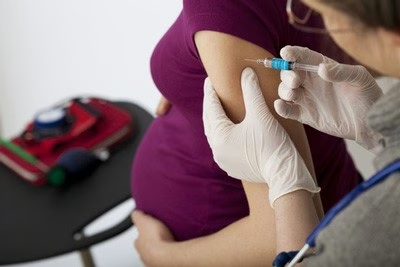
Maternal vaccination plays a pivotal role in safeguarding the health of newborns, significantly reducing their risks of hospitalization due to illnesses like influenza and pertussis. Recent studies reveal that the effectiveness of the Tdap vaccine against infant hospitalization can reach up to 88.6%, while the influenza vaccine demonstrates a robust effectiveness rate of 69.7%. This clearly highlights the importance of adhering to pregnancy vaccine recommendations to protect infants who are too young to be vaccinated themselves. By implementing vaccine uptake strategies, healthcare providers can enhance awareness and acceptance of these vital immunizations, ultimately decreasing infant hospitalization rates. As the health community continues to advocate for maternal vaccinations, understanding their benefits becomes essential for ensuring the well-being of the next generation.
Vaccination during pregnancy, often referred to as maternal immunization, is essential in providing passive immunity to infants against infectious diseases. Administering vaccines like Tdap and the flu shot not only protects mothers but also significantly reduces the risk of serious health issues in their babies. The effectiveness of these vaccines underlines the necessity for guidelines that promote their use and increase vaccine uptake among expectant mothers. Strategies aimed at enhancing public awareness about the influenza vaccine benefits can further decrease infant hospitalization rates. By focusing on these preventive measures, healthcare systems can ensure better health outcomes for both mothers and their newborns.
Understanding Maternal Vaccination Effectiveness
Maternal vaccination plays a crucial role in safeguarding infants from preventable diseases, particularly during the early months of life. The research indicates that the effectiveness of the influenza and Tdap vaccines in preventing hospitalizations and emergency department visits for infants is remarkably high, estimated at 69.7% and 88.6% respectively. This significant level of efficacy highlights the importance of maternal vaccination and suggests that when mothers receive vaccines during pregnancy, they pass on essential antibodies to their newborns—a protective measure that can reduce the risk of severe illness.
Furthermore, as infants are not eligible to receive their first doses of the flu or Tdap vaccines until they are a certain age, maternal vaccination is a vital strategy for providing passive immunity. This passive protection fosters a shield against infections, especially in infants under six months, who are extremely vulnerable to complications from flu or pertussis. Consequently, the findings underscore the recommendation for pregnant women to receive these vaccinations to effectively decrease infant hospitalization rates.
Frequently Asked Questions
What are the Tdap vaccine effectiveness rates for infants of vaccinated mothers?
The Tdap vaccine is estimated to have an effectiveness rate of 88.6% against pertussis-related hospitalizations and emergency department (ED) visits among infants whose mothers were vaccinated during pregnancy. This highlights the critical role of maternal vaccination in providing protection to infants.
How do the influenza vaccine benefits impact infant health?
Maternal influenza vaccination has been shown to reduce the risk of flu-related hospitalizations among infants by approximately 69.7%. Pregnant women receiving the flu vaccine can significantly benefit their infants, who are too young to be vaccinated themselves.
What are the vaccine uptake strategies to improve maternal vaccination rates?
Enhancing vaccine uptake strategies involves targeted public health campaigns that address maternal sociodemographic factors, education, and employment status. Increasing awareness about Tdap and influenza vaccine effectiveness can also encourage more pregnant women to get vaccinated.
What are the pregnancy vaccine recommendations for minimizing infant hospitalization?
Health experts recommend that pregnant women receive both the Tdap and influenza vaccines in the third trimester to maximize passive protection for their infants. This strategy not only helps protect against pertussis and influenza but also significantly reduces the risk of hospitalization.
How can maternal vaccination reduce infant hospitalization rates?
Maternal vaccination during pregnancy effectively reduces infant hospitalization rates by providing passive immunity. Infants born to vaccinated mothers have significantly lower risks of serious infections, with studies showing a 70% reduction in hospitalization for flu-related cases and an 89% reduction for pertussis.
| Key Point | Details |
|---|---|
| Vaccine Effectiveness | 69.7% for flu; 88.6% for Tdap related hospitalizations/ED visits among infants of vaccinated mothers |
| Study Population | 84,348 mother-infant pairs for flu; 171,141 pairs for Tdap, matched by delivery date and gestational age. |
| Vaccination Timing | Most mothers were vaccinated during the third trimester of pregnancy, providing passive immunity to infants. |
| Infant Vaccination Eligibility | Infants under 6 months cannot receive the flu vaccine; those under 2 months cannot receive the Tdap vaccine. |
| Vaccine Uptake | Low vaccination rates: 6.4% for flu; 41.0% for Tdap, with higher acceptance among educated and employed women. |
| Severe Disease Incidence | 392 cases of severe flu and 51 cases of pertussis per 100,000 person-years. |
| Public Health Implications | Need for increased awareness and targeted public health strategies to enhance vaccine uptake, especially among vulnerable groups. |
Summary
Maternal vaccination plays a critical role in protecting infants from severe diseases such as flu and pertussis. Research indicates that when mothers receive the flu and Tdap vaccines during pregnancy, the risk of hospitalization and emergency department visits for infants is significantly reduced, demonstrating the importance of maternal immunization. Despite the clear benefits, vaccination rates remain concerningly low, emphasizing the urgent need for public health initiatives aimed at increasing vaccine acceptance among expectant mothers. By improving awareness and access, we can ensure better health outcomes for both mothers and their infants.
The content provided on this blog (e.g., symptom descriptions, health tips, or general advice) is for informational purposes only and is not a substitute for professional medical advice, diagnosis, or treatment. Always seek the guidance of your physician or other qualified healthcare provider with any questions you may have regarding a medical condition. Never disregard professional medical advice or delay seeking it because of something you have read on this website. If you believe you may have a medical emergency, call your doctor or emergency services immediately. Reliance on any information provided by this blog is solely at your own risk.