


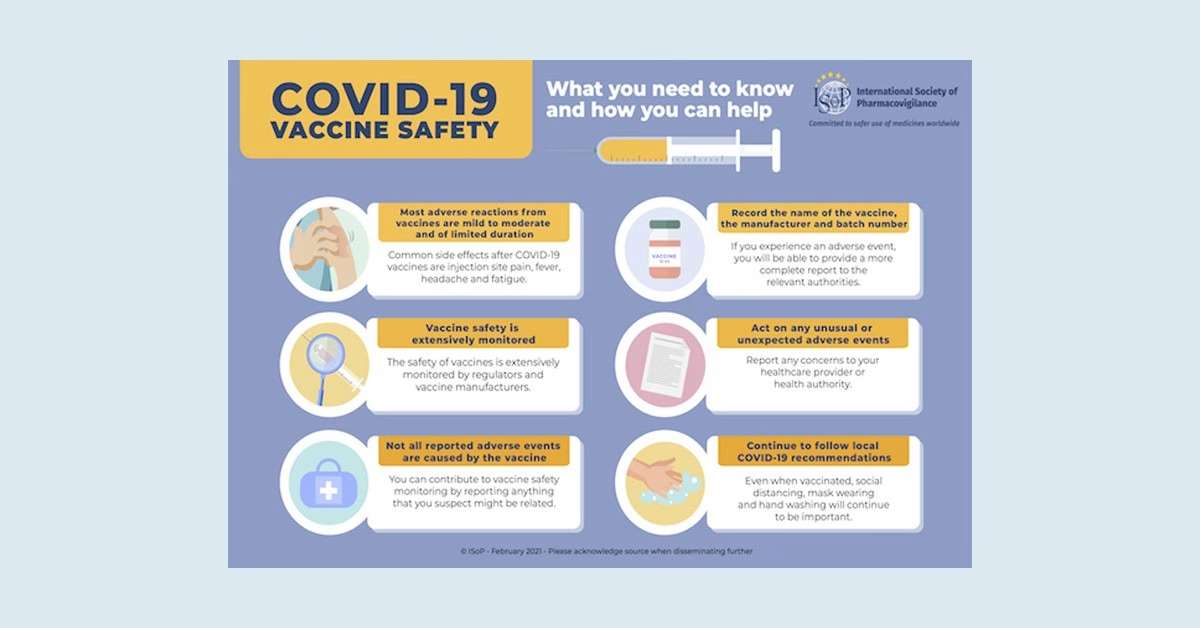
Vaccination safety is a critical concern that has seen varying perceptions across the United States. Recent surveys indicate a decline in the public’s confidence regarding vaccine safety, particularly among the MMR vaccine, whose perceived safety rating has dropped from 86% to 83% over the past three years. Similarly, the flu vaccine also experienced a dip in perceived safety from 83% to 80%. While the COVID-19 vaccine’s trust levels have remained steady, the overall trends in vaccine hesitancy reflect a growing skepticism towards established health protocols, including those recommended by the CDC. This downward shift is concerning, especially in light of increasing outbreaks of preventable diseases, which could threaten public health as misinformation spreads more rapidly than the vaccines themselves.
When discussing the trustworthiness of immunizations, it’s crucial to understand the overarching themes of vaccine safety. Terms such as vaccination reliability and the assurance of immunization measures uncover the depths of public perception and wavering confidence in these health interventions. Recent data reveals shifts in attitudes towards vaccines like the MMR and flu shots, illustrating a decline in community trust in these preventative treatments. The role of authoritative health organizations like the CDC in guiding public opinion cannot be understated, as they aim to alleviate concerns about vaccine hesitancy trends. Consequently, understanding these dynamics is essential in fostering a well-informed public dialogue around the importance of vaccinations.
Understanding Vaccine Safety and Public Perception
The perception of vaccine safety is crucial for public health initiatives, especially in light of recent declines in confidence regarding vaccines such as the MMR and flu vaccines. According to the data from the Annenberg survey, the perceived safety of the MMR vaccine has dropped to 83%, while the flu vaccine’s safety perception decreased to 80%. This decline indicates that despite the overall belief in vaccine safety, there is an unsettling trend that may affect vaccination rates. The ramifications of reduced vaccination rates can be critical, particularly as the U.S. grapples with increased measles cases, which underscore the importance of maintaining high community immunity through vaccination.
Perceptions of vaccine safety are deeply influenced by various factors, including public messages about vaccine efficacy and safety, as well as recent health events. For instance, the ongoing COVID-19 pandemic and its mitigation strategies, including the rollout of the COVID-19 vaccine, have raised questions regarding vaccine hesitancy and overall trust in health authorities like the CDC. It is essential to address vaccine hesitancy trends that may arise due to misinformation or miscommunication about the benefits and risks associated with vaccination. Understanding how to rebuild trust in vaccine safety is key to ensuring that the public retains confidence in the CDC vaccine recommendations.
The Impact of Vaccine Hesitancy Trends
Vaccine hesitancy trends have become a focal point in discussions surrounding public health and immunization programs. With recent surveys showing a significant drop in the perceived safety of vaccines, including a notable decline in the perception of the MMR vaccine from 88% in 2022 to 83% in 2025, it raises questions about the factors driving these trends. Public figures and health officials have a substantial impact on shaping public opinion, and it remains unclear whether recent actions by health authorities are consciously undermining vaccine trust. The influence of these trends on vaccination rates could lead to serious repercussions for community health, particularly with the growing outbreaks of diseases like measles.
Additionally, vaccine hesitancy is often compounded by social media narratives and misinformation campaigns that circulate false information about vaccine risks and benefits. With the CDC’s ability to disseminate accurate vaccine recommendations being challenged by these false narratives, it is crucial for public health campaigns to counteract misinformation with transparent, science-backed messaging. By emphasizing the safety of vaccines and providing clear examples of their benefits, such as herd immunity and preventing outbreaks, health authorities can work to rebuild public trust and combat perceptions fueled by hesitance.
The Role of CDC Vaccine Recommendations
CDC vaccine recommendations play a significant role in guiding public health policy and individual healthcare decisions. However, recent fluctuations in perceived vaccine safety suggest that changes in these recommendations may not always be positively received by the public. For instance, the noted decline in perceived safety for the flu and MMR vaccines has raised concerns that new updates or modifications to the CDC protocols could inadvertently fuel skepticism among parents and guardians. Maintaining clear communication as these updates happen is crucial to ensure that individuals understand the rationale behind recommended changes.
Moreover, CDC guidelines are designed to protect public health and promote vaccination as a preventative measure against disease outbreaks. However, when public perception does not align with these recommendations, as evidenced by the decline in perceived safety of vaccines, it poses a challenge for health officials. Ongoing education about the importance of following CDC recommendations, combined with strategies to enhance trust in the data and safety protocols behind vaccines, is vital for reversing negative trends and achieving community immunity against preventable diseases.
COVID-19 Vaccine Trust and Its Implications
The COVID-19 vaccine has been a crucial tool in combating the pandemic, yet trust in its safety remains a concern. Survey data shows that 65% of respondents perceive the COVID-19 vaccine as safe, which is a stable percentage compared to previous years. This perceived trust is vital not only for controlling the spread of COVID-19 but also for influencing public perceptions of other vaccines. A strong foundation of trust in the COVID-19 vaccine can ripple across other vaccine perceptions, addressing vaccine hesitancy stemming from the pandemic’s challenges.
Fostering COVID-19 vaccine trust requires transparent communication from health authorities, including the CDC. Clear guidelines on vaccine efficacy, safety data from clinical trials, and ongoing reports on adverse effects can help bolster public confidence. Additionally, providing a platform for healthcare professionals to address community concerns can further enhance trust. By promoting a collaborative approach, reinforcing vaccine safety, and emphasizing the importance of vaccinations, public health officials can work to improve trust levels across the entire vaccination landscape.
Examining MMR Vaccine Perception Declines
The recent decline in the perceived safety of the MMR vaccine is concerning, especially in light of rising measles case numbers across the United States. With current levels of public confidence dropping below the recommended 95% threshold for community immunity, the challenge lies in addressing the factors contributing to these negative perceptions. Historical data suggests that a more pronounced decrease in MMR vaccine safety awareness correlates with public discourse and beliefs about vaccine efficacy, highlighting the need for proactive messaging.
Engaging communities with educational campaigns that clarify the risks associated with measles and the protective role of the MMR vaccine is vital. Addressing misconceptions through targeted outreach could help improve perceptions of vaccine safety. Furthermore, collaboration with trusted local figures, such as healthcare providers and community leaders, may also enhance the credibility of MMR vaccine messaging, leading to a better-informed public that recognizes the critical need for vaccination.
Flu Vaccine Safety: Trends and Trust Issues
The flu vaccine has long been a staple of preventive healthcare, yet the recent drop in perceived safety—from 85% in 2022 to 80% in 2025—has raised significant concerns about public trust in this essential vaccination. This decline may be attributed to a broader shift in societal attitudes toward vaccines, possibly ignited by the scrutiny surrounding COVID-19 vaccination campaigns. Understanding the specific issues that contribute to this trend is essential for enhancing public cooperation and increasing vaccination rates.
To counteract the erosion of flu vaccine trust, health authorities must provide clear, evidence-based information showcasing the flu vaccine’s effectiveness and the risks of influenza morbidity and mortality. Community engagement initiatives that highlight personal stories and testimonials from individuals who have benefited from flu vaccination can also promote a positive narrative about the flu vaccine’s safety. Ensuring that the public receives consistent and accurate messaging about flu vaccine efficacy is key to restoring confidence in its benefits.
Strategies to Overcome Vaccine Hesitancy
Tackling vaccine hesitancy is a multifaceted challenge that requires systematic approaches to address public concerns about safety and efficacy. Ongoing education and outreach efforts are crucial in instilling confidence in vaccines, specifically targeting the areas where perceptions of safety have dropped. Focusing on transparent communication about the advantages of vaccination, alongside the potential repercussions of non-vaccination, can help alleviate fears and encourage a positive attitude toward immunization.
In addition, fostering community connection through collaborative efforts with local leaders and healthcare professionals can create an environment where individuals feel comfortable discussing their concerns about vaccines. Ensuring that participants engage in meaningful dialogue can help bridge gaps in understanding and dispel misconceptions. Ultimately, empowering communities with accurate information about vaccines while listening to their concerns will result in a more informed populace that is likely to embrace CDC vaccine recommendations.
Addressing Public Concerns Post-COVID-19
The COVID-19 pandemic has fundamentally altered public perceptions of vaccines and heightened concerns about vaccine safety. As families navigate the landscape of vaccinations post-pandemic, addressing the lingering fears and uncertainties surrounding vaccine safety is critical. Clear and compassionate communication from health authorities is necessary to rebuild trust and ensure that the public is informed about the safety and effectiveness of vaccines like the MMR and flu shots.
Furthermore, engaging with the community through educational programs that address post-pandemic vaccine anxiety can facilitate trust restoration. By addressing community-specific concerns and hesitancies, health officials can develop a tailored approach to effectively communicate the importance of maintaining vaccination coverage across populations. Integrating lessons learned during the COVID-19 pandemic will be essential for future public health campaigns that aim to uplift perceptions of vaccine safety.
Building Trust in Vaccine Initiatives
The success of vaccination programs heavily relies on the public’s trust in the safety and efficacy of vaccines. Recent data highlights an unsettling trend where trust in vaccines appears to be waning, particularly around the flu and MMR vaccines. To combat this issue, it is imperative for health organizations to actively engage with communities, utilizing a variety of communication strategies that emphasize transparency and address current vaccine hesitancy trends.
Furthermore, establishing partnerships with local stakeholders—such as schools, businesses, and faith groups—can amplify trusted messages about vaccination. These collaborations aim to create a cohesive narrative that simplifies understanding and encourages community members to view vaccination as a collective commitment towards public health. By prioritizing trust-building initiatives, both health authorities and community leaders can work together to increase vaccine uptake and reinforce perceptions of vaccine safety.
Frequently Asked Questions
What are the recent trends in MMR vaccine perception regarding vaccination safety?
Recent surveys indicate a decline in MMR vaccine perception, with safety perceived at 83% in 2025, down from 86% in 2024 and 88% in 2022. This decline raises concerns, particularly as it falls below the 95% threshold necessary for community immunity.
How does flu vaccine safety perception compare to other vaccines according to recent surveys?
The flu vaccine safety perception has also declined, with only 80% of respondents finding it safe in 2025, a decrease from 83% in 2024 and 85% in 2022. This trend highlights growing vaccine hesitancy that could affect public health.
What factors may contribute to COVID-19 vaccine trust or hesitancy trends?
Despite stable perceptions of the COVID-19 vaccine safety (65% over the past two years), factors such as misinformation or changing CDC vaccine recommendations may influence overall trust. Continuous communication is essential to enhance COVID-19 vaccine trust.
Are the CDC vaccine recommendations influencing vaccine hesitancy trends in 2025?
It is unclear if changes in the CDC vaccine recommendations during 2025 directly affect vaccine hesitancy trends. Observed declines in perceived vaccine safety suggest that public trust could be fragile and may need addressing through education.
Why is the safety of the MMR vaccine particularly concerning at this time?
The perceived safety of the MMR vaccine is alarming, especially with measles outbreaks reported across the U.S. Falling below the required community immunity threshold poses a risk of losing the eliminated status of measles, increasing the urgency for vaccination advocacy.
What actions are needed to improve perceptions of vaccination safety?
To enhance perceptions of vaccination safety, public health officials must engage in transparent communication about vaccine benefits, address misinformation, and reaffirm the importance of immunization for community health.
| Vaccine | 2022 Perceived Safety (%) | 2024 Perceived Safety (%) | 2025 Perceived Safety (%) |
|---|---|---|---|
| MMR Vaccine | 88% | 86% | 83% |
| Flu Vaccine | 85% | 83% | 80% |
| COVID-19 Vaccine | 73% | 65% | 65% |
Summary
Vaccination safety remains a critical topic of discussion, as recent surveys indicate a troubling decline in the perceived safety of vaccines among Americans. The perceived safety of vaccines such as the MMR and flu vaccines has seen a noticeable drop in just a few years, highlighting the need for effective communication and public health education on the importance of maintaining vaccination rates to prevent outbreaks. With the increase in measles cases, it is vital to ensure that community immunity is achieved through vaccination to protect public health.
The content provided on this blog (e.g., symptom descriptions, health tips, or general advice) is for informational purposes only and is not a substitute for professional medical advice, diagnosis, or treatment. Always seek the guidance of your physician or other qualified healthcare provider with any questions you may have regarding a medical condition. Never disregard professional medical advice or delay seeking it because of something you have read on this website. If you believe you may have a medical emergency, call your doctor or emergency services immediately. Reliance on any information provided by this blog is solely at your own risk.