


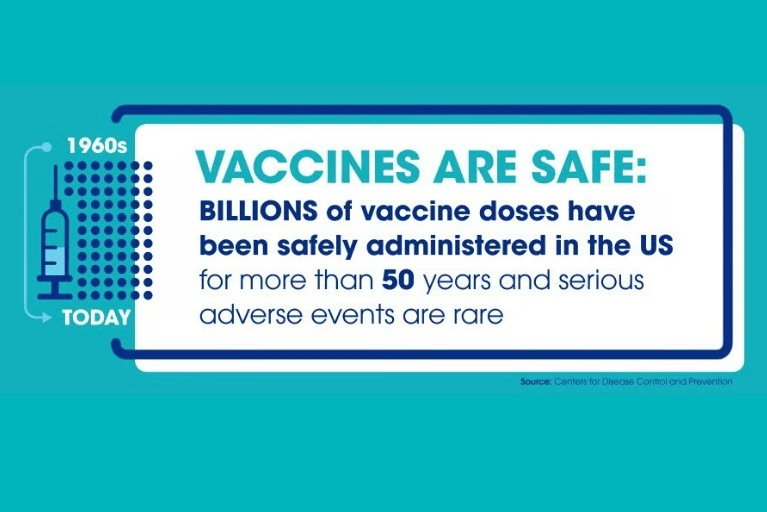
Vaccines safety remains a critical topic in public health discussions, especially as recent surveys indicate a decline in confidence regarding the safety of various vaccines. Notably, the Annenberg Public Policy Center has found a drop in perceived safety among American adults for the MMR vaccine, COVID-19 vaccine, and flu vaccine. While the majority still consider these vaccines effective, a worrying trend of increasing vaccine safety concern is emerging. The MMR vaccine safety perception has decreased from 88% two years ago to 83% now, and similar trends are observed for the flu vaccine. As public trust in vaccines wanes, it’s essential to understand factors influencing vaccine perception decline and to address emerging vaccine safety concerns effectively.
The concept of vaccine reliability encompasses the public’s trust and confidence in the safety of immunizations, drawing attention to recent shifts in societal attitudes. This growing skepticism reflects broader concerns regarding the efficacy of vaccines like the measles, mumps, and rubella (MMR) vaccine, alongside new perceptions surrounding the COVID-19 vaccine. Factors such as social media narratives and political statements may be contributing to diminished trust in vaccinations, prompting significant discussions about flu vaccine trust as well. As varying demographics begin to express doubts about vaccine safety, it becomes crucial to examine how these changes affect community health and the strategies necessary to restore confidence in immunization programs.
Understanding Vaccine Safety Perceptions
The recent Annenberg poll has revealed a concerning trend regarding vaccine safety perceptions among the American public. This decline spans across vital vaccines such as the MMR vaccine, the flu vaccine, and the COVID-19 vaccine. While a majority still regard all three vaccines as safe, the numbers indicate a notable drop in confidence, prompting important questions about public trust in vaccination efforts. As vaccine safety concerns become more prominent, it is crucial to explore the underlying factors contributing to these shifts.
The perception of vaccine safety is influenced by various elements, including public dialogue, media reporting, and political discourse surrounding health recommendations. The decline in perceptions may be related to the continuous flow of information—and misinformation—regarding vaccines, especially following the COVID-19 pandemic. Additionally, the role of influential figures and policy changes, such as those from Secretary Robert F. Kennedy Jr., may further complicate the public’s trust. Establishing a clear understanding of these dynamics is essential for addressing vaccine hesitancy and enhancing overall public health.
Impact of the COVID-19 Pandemic on Vaccine Trust
The COVID-19 pandemic has dramatically altered perceptions of vaccine safety, particularly with respect to the COVID-19 vaccine itself. Initially embraced as a breakthrough, its safety perceptions have remained relatively stable, unlike the notable declines for the MMR and flu vaccines. This resilience may stem from the public’s urgency during the pandemic to seek immediate protection against the virus, yet the long-term implications of this perception are uncertain. Understanding how COVID-19 vaccine perceptions interlink with trust in other vaccines is key to fostering a comprehensive public health strategy.
Additionally, as the public grapples with vaccine hesitancy, many are increasingly questioning the overall safety of vaccines due to the overwhelming amount of information available. With mixed messages about the safety of the COVID-19 vaccine circulating in various media outlets, individuals may struggle to differentiate between scientifically-backed facts and conjecture. This confusion can lead to a broader distrust in all vaccines, including the critically important MMR vaccine, which could exacerbate outbreaks of preventable diseases.
Current Trends in MMR Vaccine Safety and Public Opinion
Recent surveys indicate a troubling decline in the perceived safety of the MMR vaccine among Americans, now sitting at just 83%. This marks a regression from the higher confidence levels observed in previous years, suggesting a worrying trend that could have major public health implications. With significant outbreaks of measles already occurring in the United States, understanding the factors behind declining trust in the MMR vaccine is essential for reversing this trend and ensuring community immunity.
The decline in perceived safety of vaccines like the MMR is particularly alarming given the current increase in measles cases nationwide. The ability of the public to maintain high levels of confidence in vaccination is critical for controlling outbreaks and preserving the health and safety of communities. Addressing vaccine safety concerns and reinforcing the importance of vaccination through public education initiatives can help rebuild trust and improve vaccination rates.
The Role of Epidemiological Data in Vaccine Perception
Epidemiological data has become a crucial component in shaping public perceptions of vaccine safety. Research findings often underscore the effectiveness and safety of vaccines, yet they can also be misconstrued or misrepresented, leading to increased skepticism among the public. For example, the resurgence of measles cases is often attributed to waning vaccination rates among the public, emphasizing the importance of statistical and scientific evidence in advocating for vaccine uptake.
Providing transparent and easily understandable data about vaccine safety can help combat misinformation and build community trust. When health organizations release clear insights into vaccine efficacy and the risks associated with vaccine-preventable diseases, they empower individuals to make informed decisions that positively impact community health. Continuous monitoring and reporting of vaccine-related data are essential in fostering a supportive environment for vaccination adherence.
Concerns Surrounding the Flu Vaccine and Public Trust
Public trust in the flu vaccine has also seen a decline, dropping from 83% to 80% in recent surveys. This reflects broader concerns within the community about vaccine safety, particularly in light of ongoing discussions regarding vaccine mandates and recommendations. Although the flu vaccine is traditionally viewed as safe, perceptions are evolving, and this shift could hinder public participation in future vaccination efforts.
Full transparency about the flu vaccine’s safety and effectiveness might alleviate some concerns. As various stakeholders in health care communicate the benefits of flu vaccination to the public, it’s essential to address any misconceptions and provide reassurance about safety. Public health officials must actively engage with communities to promote understanding and trust in the flu vaccine, particularly during flu season when uptake is critical.
Public Health Responses to Vaccine Safety Concerns
In response to declining perceived safety of vaccines, health authorities are challenged to reassess their communication strategies. Engagement with the community through education about vaccine safety and evidence-based information can help alleviate public apprehensions. Health officials can take measures by hosting informational campaigns and utilizing social media to counter misinformation while reinforcing the importance of vaccination.
Additionally, public health initiatives should prioritize transparency about the rigorous processes vaccines undergo for safety and efficacy evaluations. By focusing on building trust, health departments can foster an environment where individuals feel encouraged to vaccinate, particularly with respect to the MMR and flu vaccines, which are integral to preventing outbreaks of diseases.
Addressing Vaccine Perception Declines Through Education
Education remains a critical tool for addressing the decline in vaccine perception. As the Annenberg survey suggests, many individuals may still hold misconceptions about vaccine safety. Public health campaigns aimed at educating parents and communities about the science behind vaccines, including the MMR, flu, and COVID-19 vaccines, can play an essential role in improving perceptions and community health outcomes.
Moreover, educational efforts should also extend to healthcare professionals. Continued training on effective communication strategies when discussing vaccine safety with patients can equip providers to better answer questions and address concerns. A well-informed healthcare workforce is an invaluable resource in supporting vaccination initiatives and community health.
The Influence of Political Discourse on Vaccine Perceptions
Political discourse significantly impacts public vaccine perceptions, particularly in the wake of the COVID-19 pandemic. High-profile figures discussing vaccine doubts can perpetuate skepticism and undermine public trust in established vaccines. For instance, remarks from political leaders about reducing recommended vaccines can create confusion and distrust among parents and caregivers.
To counteract negative influence, collaborative efforts among political leaders and healthcare professionals are essential. Presenting a united front emphasizing the importance of vaccines can mitigate public fear and enhance vaccine confidence. Policymakers should actively endorse vaccines based on scientific evidence while discouraging rhetoric that may foster vaccine hesitance.
The Importance of Community Immunity in Vaccine Safety
Community immunity, or herd immunity, is critical in maintaining low levels of vaccine-preventable diseases. As vaccine perceptions decline, there is a corresponding risk that vaccination rates will also decrease, leaving certain populations vulnerable. The Annenberg poll’s findings highlight a concerning trend that if not addressed, could jeopardize the nation’s immunity against serious outbreaks, especially for measles.
Strengthening community outreach efforts and rallying support for vaccination can help counter the negative perceptions surrounding vaccine safety. Community programs that highlight the benefits of collective immunity, coupled with transparent communication about the importance of vaccines, can foster a culture of immunization that protects all individuals, particularly the most vulnerable.
Frequently Asked Questions
What is the current perception of MMR vaccine safety among Americans?
Recent surveys indicate that the perceived safety of the MMR vaccine has declined from 88% in 2022 to 83% in 2025. This drop raises concerns, especially as the U.S. faces increasing measles outbreaks.
How have vaccine safety concerns affected perceptions of COVID-19 vaccines?
While the perceived safety of the COVID-19 vaccine remained steady at 65% from 2024 to 2025, fears and controversies surrounding vaccine safety continue to shape public opinions.
Why has there been a decline in trust regarding flu vaccine safety?
The perceived safety of the flu vaccine has decreased from 85% in 2022 to 80% in 2025, potentially due to ongoing discussions about vaccine safety and public health recommendations.
What role do recent vaccine safety events play in public trust?
Events and individuals advocating against vaccines, such as actions connected to Robert F. Kennedy Jr., may influence public perceptions and contribute to the decline in trust regarding vaccine safety.
How do public perceptions of vaccine safety impact community immunity?
The decline in public confidence, like the current 83% perception of the MMR vaccine, poses a risk to achieving community immunity. A threshold of 95% is necessary to effectively control diseases like measles.
What implications does the decrease in vaccine safety perception have for public health?
A decline in perceived vaccine safety can lead to reduced vaccination rates, potentially resulting in outbreaks and jeopardizing overall public health.
What statistical changes were noted in vaccine safety perceptions from surveys?
According to the Annenberg survey, the perceived safety of the MMR vaccine dropped from 88% in 2022 to 83% in 2025, while flu vaccine safety perceptions fell from 85% to 80% over the same period.
How can understanding vaccine safety concerns help improve public health strategies?
By addressing vaccine safety concerns and improving public education, health officials can enhance community trust and potentially reverse negative perceptions regarding vaccine safety.
Are vaccine safety perceptions consistent across different vaccines?
Notably, perceptions vary; while COVID-19 vaccine safety has remained steady, there has been a marked decline in trust for both the MMR and flu vaccines over the past three years.
What is being done to address declining vaccine safety perceptions?
Public health officials are working to communicate the importance of vaccination and dispel myths surrounding vaccine safety, aiming to restore confidence in vaccines like the MMR and flu shots.
| Vaccine Type | Perceived Safety 2022 | Perceived Safety 2024 | Perceived Safety 2025 |
|---|---|---|---|
| MMR Vaccine | 88% | 86% | 83% |
| Flu Vaccine | 85% | 83% | 80% |
| COVID-19 Vaccine | 73% | 65% | 65% |
Summary
Vaccines safety is increasingly becoming a topic of concern as recent surveys have shown a decline in the perceived safety of various vaccines, including the flu, MMR, and COVID-19 vaccines. Although most Americans still consider these vaccines safe, the significant drop in confidence over recent years underscores the need for effective communication and education about vaccine safety to maintain public trust and community immunity.
The content provided on this blog (e.g., symptom descriptions, health tips, or general advice) is for informational purposes only and is not a substitute for professional medical advice, diagnosis, or treatment. Always seek the guidance of your physician or other qualified healthcare provider with any questions you may have regarding a medical condition. Never disregard professional medical advice or delay seeking it because of something you have read on this website. If you believe you may have a medical emergency, call your doctor or emergency services immediately. Reliance on any information provided by this blog is solely at your own risk.