


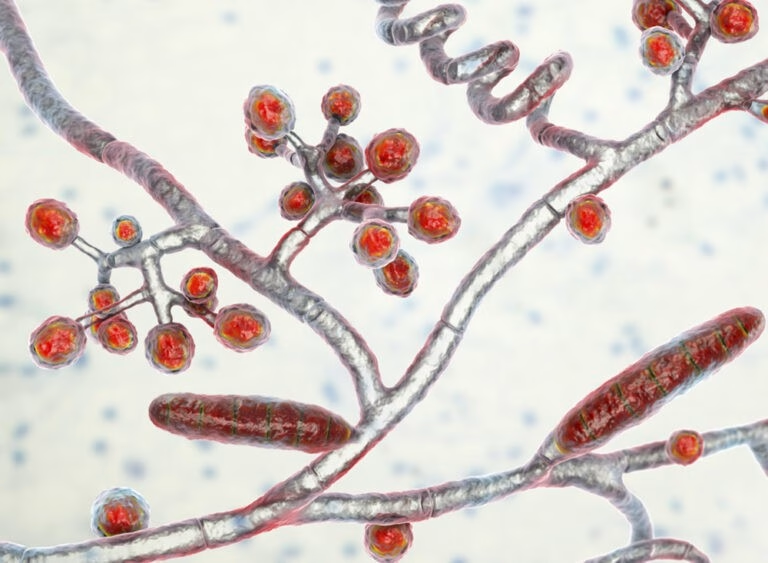
The emergence of the TMVII fungal infection has raised significant health concerns, especially following reports from Minnesota health officials about a notable outbreak. This sexually transmitted fungal skin infection is increasingly recognized for its association with ringworm fungus, manifesting as distinct round rashes that can appear on various body parts, including the genitals and arms. As of July 2025, Minnesota has reported 13 confirmed cases, highlighting the urgent need for cancer awareness and prompt treatment of this infection. Health officials emphasize the importance of recognizing the symptoms of TMVII to prevent further spread through skin-to-skin contact. With an increasing number of suspected cases and the potential for rapid transmission, public health agencies are urging individuals to seek medical advice if they exhibit signs of a fungal skin infection.
Recently identified as a concerning health issue, the TMVII outbreak signifies a rise in cases of a fungal skin condition that resembles common ringworm infections. This particular strain has been linked to sexually transmitted infections, complicating the landscape of public health awareness surrounding such ailments. The Minnesota Department of Health has taken proactive measures by launching enhanced surveillance as clusters of infections have come to light among vulnerable populations, especially in urban areas. Observing the timely reporting of symptoms by patients has also allowed healthcare providers to address and manage cases more effectively. The ongoing investigation into the transmission dynamics indicates that education and swift response can play crucial roles in curbing the spread of this fungal infection.
Understanding TMVII Fungal Infection: Symptoms and Transmission
TMVII fungal infection is a newly identified sexually transmitted infection that has raised concerns among health officials in Minnesota. The symptoms commonly include round, coin-like rashes that present as red and irritated patches on various parts of the body such as the arms, buttocks, trunk, genitals, and legs. This infection can easily be transmitted through skin-to-skin contact, particularly during sexual activity, making it critical for individuals to be aware of these symptoms and their implications.
Furthermore, TMVII is not only spread through direct contact with an infected person but can also disseminate through the spores found on various surfaces. This means that shared items such as towels, bedding, and clothing can also facilitate the spread of the infection. Awareness of the transmission methods is essential for individuals, especially within communities where cases have emerged, as it highlights the importance of personal hygiene and the need for caution.
The Minnesota TMVII Outbreak: Current Case Statistics
The Minnesota Department of Health (MDH) has reported a significant outbreak of TMVII, with the first known case appearing in July 2025 in the Twin Cities. Since that initial identification, health officials have confirmed 13 cases and are investigating 27 suspected cases within the metropolitan area. This surge in reported infections underscores the urgency for enhanced surveillance and reporting among healthcare providers.
This outbreak in Minnesota might not only be a localized issue but could reflect broader trends observed in the United States. Reports indicate that the first case in the U.S. was recorded in New York in 2024, pointing to potential links between geographical clusters of cases. Therefore, the ongoing surveillance and reporting efforts by the MDH are crucial in understanding the full scope of the TMVII infection and effectively managing public health responses.
Key Steps for Prompt Treatment of TMVII Infection
Minnesota health officials emphasize the importance of seeking prompt treatment for anyone exhibiting signs of a TMVII fungal infection. Current medical advice recommends that individuals with rashes resembling TMVII consult healthcare professionals quickly. Treatment typically involves oral antifungal medications, which may require a course of up to three months, depending on the severity of the infection.
Unmanaged TMVII infections may lead to painful skin conditions that could result in scarring or even more severe infections. Early intervention not only alleviates symptoms but also reduces the risk of transmission to others, thereby contributing to controlling the outbreak. Individuals are also urged to communicate openly with sexual partners regarding any symptoms to prevent further spread of the infection.
Public Health Measures Against TMVII: Recommendations
In light of the TMVII outbreak, state health officials have implemented enhanced public health measures aimed at curbing the transmission of this fungal infection. They recommend that individuals who notice suspicious skin rashes seek medical evaluation and treatment promptly. The need for education regarding personal hygiene and the importance of avoiding skin-to-skin contact until treatment is complete is emphasized.
Additionally, healthcare providers are called upon to maintain a high index of suspicion for TMVII when diagnosing patients presenting with symptoms, particularly those with sexual contact histories. Reporting suspected cases is crucial as this allows for further investigation and support from public health authorities. These measures are designed not only to treat current cases but also to mitigate the future spread of TMVII within the community.
Fungal Infections and Their Impact on Public Health
Fungal infections, including TMVII, can have significant implications for public health, particularly as emerging infections become more recognized. Their transmission through intimate contact and everyday surfaces highlights the critical need for awareness, timely diagnosis, and effective treatment plans. With proper education and health campaigns, communities can better understand these fungal infections and actively reduce their incidence.
It is essential for public health officials to communicate effectively about fungal infections, as misconceptions may lead to stigmas or delayed treatments among affected individuals. Awareness programs targeting high-risk populations, like MSM, are necessary for fostering understanding and ensuring that affected persons access care without fear of stigma related to sexually transmitted infections.
The Role of Healthcare Providers in Managing TMVII
Healthcare providers play a vital role in identifying and managing TMVII fungal infections, especially as outbreaks emerge. It is critical for clinicians to be familiar with the presentation of TMVII and to gather thorough histories from patients regarding sexual health and any recent symptoms consistent with fungal skin infections. Accurate diagnoses are essential, as TMVII may resemble other skin conditions, leading to potential misdiagnoses.
Moreover, healthcare professionals should ensure that they remain informed about the latest recommendations and reporting guidelines from the MDH. Collaborating with public health authorities not only enhances patient care but also supports broader surveillance activities that can capture trends and possibly curb the outbreak’s spread effectively.
Raising Awareness About TMVII Infection Among Communities
Community awareness initiatives are crucial in combating the TMVII fungal infection outbreak in Minnesota and beyond. Educating at-risk populations about the symptoms, transmission methods, and preventive measures can go a long way in controlling the spread of this infection. Health departments are encouraged to organize sessions that emphasize the importance of understanding how TMVII spreads, particularly amongst populations most affected.
In addition, collaboration with community organizations that cater to MSM can enhance outreach and support efforts. By fostering an environment where individuals feel safe discussing their health concerns, stigma surrounding sexually transmitted infections can be reduced, encouraging more people to seek treatment and effectively manage their health.
Impact of TMVII on Sexual Health Education
The emergence of TMVII as a fungal skin infection highlights the need for updated sexual health education in communities. Educational programs must address not only traditional sexually transmitted infections but also the growing spectrum of concerns, including fungal infections like TMVII. Comprehensive sexual health education can arm individuals with information about prevention, symptom recognition, and the importance of communication with partners.
Including discussions about non-traditional STIs such as TMVII within the context of sexual health curricula can help demystify these infections and encourage proactive health behaviors. Understanding the link between fungi and sexual activity can prompt individuals to practice safer behaviors and prioritize their health and the health of their partners.
Future Directions for TMVII Research and Surveillance
As health officials continue to monitor the TMVII outbreak, future research efforts will be vital in understanding this newly identified infection more comprehensively. Ongoing studies should focus on transmission dynamics, epidemiology, and effective treatment modalities to provide greater insights into managing and preventing further outbreaks. Understanding the demographics most affected by TMVII will support targeted public health interventions.
Furthermore, developing robust surveillance systems is crucial for tracking TMVII cases not just in Minnesota, but across the United States. Research into diagnostic challenges posed by TMVII will aid medical professionals in making accurate diagnoses, thus enhancing management strategies. Strengthening collaborative efforts between health departments and researchers will foster a more coordinated response to emerging fungal infections.
Frequently Asked Questions
What is the TMVII fungal infection and how is it related to ringworm fungus?
The TMVII fungal infection is a newly identified sexually transmitted fungal skin infection caused by the TMVII fungus, which also causes ringworm. This infection is characterized by round, red rashes that appear irritated and can occur on various body parts such as the arms, buttocks, trunk, genitals, and legs.
How is the TMVII outbreak affecting individuals in Minnesota?
The TMVII outbreak in Minnesota has resulted in 13 confirmed cases and 27 suspected cases, mainly concentrated in the Twin Cities area. Health officials are monitoring the situation closely, urging individuals with symptoms to seek treatment promptly to prevent further spread.
What are the symptoms of a TMVII fungal skin infection?
Symptoms of a TMVII fungal skin infection include round, coin-like rashes that are red and irritated. These can manifest on areas like the arms, buttocks, trunk, genitals, and legs, resembling ringworm.
How can TMVII be transmitted, and who is at higher risk?
TMVII is transmitted through skin-to-skin contact, including during sexual activity. Individuals at higher risk include men who have sex with men (MSM), especially those using anonymous apps or with a history of sexually transmitted infections.
What should individuals do if they suspect they have TMVII?
Individuals who suspect they have symptoms consistent with TMVII should seek prompt treatment, avoid skin-to-skin contact, inform their sexual partners, and refrain from sharing personal items like clothing and towels.
What treatment options are available for TMVII fungal infections?
Treatment for TMVII fungal infections typically involves oral antifungal medications, which may require ongoing use for up to three months to ensure the infection is fully resolved.
How did the TMVII outbreak start in Minnesota and what steps are health officials taking?
The TMVII outbreak in Minnesota started when health officials identified a case in July 2025. Following reports of additional cases, the Minnesota Department of Health initiated enhanced surveillance to track and confirm further instances of this infection.
Is the TMVII fungal infection a reportable condition to health authorities?
No, TMVII is not classified as a reportable infection, which poses challenges for comprehensive surveillance and tracking of cases across different jurisdictions.
How can healthcare providers identify potential cases of TMVII?
Healthcare providers should consider TMVII when patients present with skin rashes resembling ringworm, especially in individuals who have had reported sexual contact. Testing fungal isolates can help confirm cases.
What prevention strategies are recommended to avoid TMVII fungal infection?
To prevent TMVII fungal infection, individuals are advised to practice safe sexual behaviors, avoid sharing personal items, maintain good hygiene, and seek medical attention for unusual rashes promptly.
| Key Point | Details |
|---|---|
| Outbreak Origin | Minnesota has reported an outbreak of TMVII, a sexually transmitted fungal skin infection. |
| Cause of Infection | TMVII, responsible for ringworm, causes round, red, and irritated rashes. |
| Transmission | The infection spreads through skin-to-skin contact and surfaces. |
| First Case | The first Minnesota case was reported in July 2025 in a Twin Cities resident. |
| Current Cases | 13 confirmed and 27 suspected cases reported in the Twin Cities area. |
| Initial Detection | Detected by clinicians who notified health authorities for testing. |
| Health Recommendations | Seek prompt treatment for symptoms; avoid skin contact and share personal items. |
| Treatment Duration | Treatment may require oral antifungal medications for up to three months. |
| Risk Groups | MSM and individuals with past STIs may be at higher risk. |
Summary
TMVII fungal infection has emerged as a significant health concern in Minnesota, where health officials are closely monitoring an outbreak. Prompt detection and treatment are crucial, and it is essential for those experiencing symptoms to seek medical attention and practice safe behaviors to prevent further spread.
The content provided on this blog (e.g., symptom descriptions, health tips, or general advice) is for informational purposes only and is not a substitute for professional medical advice, diagnosis, or treatment. Always seek the guidance of your physician or other qualified healthcare provider with any questions you may have regarding a medical condition. Never disregard professional medical advice or delay seeking it because of something you have read on this website. If you believe you may have a medical emergency, call your doctor or emergency services immediately. Reliance on any information provided by this blog is solely at your own risk.