


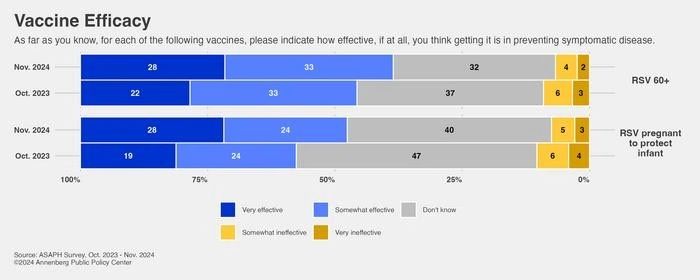
The effectiveness of RSV vaccines is a crucial consideration, particularly for those aged 65 and older, as respiratory syncytial virus (RSV) poses significant health risks. Recent studies have shown that RSV vaccines can provide up to 79% protection against RSV-associated thromboembolic events, greatly reducing cardiovascular risks in this vulnerable population. With such a substantial impact, the RSV vaccine represents a vital tool in safeguarding the health of the elderly against serious complications linked to infections. It is also noteworthy that the Advisory Committee on Immunization Practices has recommended vaccination for adults over 60, highlighting the importance of proactive health measures. As we continue to explore the benefits of the RSV vaccine, understanding its effectiveness is essential to inform public health strategies and enhance vaccine uptake among at-risk populations.
When discussing the protective measures against respiratory viral infections, particularly the threats posed by the respiratory syncytial virus, the effectiveness of vaccines tailored to combat such pathogens becomes paramount. Proactively addressing the health of older adults, immunization against RSV is linked to decreased incidences of thromboembolic complications and other severe cardiovascular issues. This topic encompasses not only the statistical efficacy but also the broader implications of vaccine strategies, aiming to diminish health risks among the elderly. By leveraging insights from recent evaluations, we can better appreciate how RSV vaccination plays a pivotal role in public health initiatives, ultimately striving for healthier aging communities. The link between immunization and reduced adverse health events can guide future discussions and policymaking in the realm of preventive healthcare.
Understanding RSV Vaccines and Their Importance
Respiratory syncytial virus (RSV) is a significant pathogen, particularly affecting the elderly and those with underlying health conditions. The introduction of RSV vaccines marks a pivotal advancement in addressing the medical challenges posed by this virus. With studies showing that adults over 65 years of age are particularly vulnerable to RSV-related complications, vaccination plays a critical role in safeguarding this demographic. Vaccines not only aim to prevent RSV infections but also reduce the incidence of concomitant health issues, such as thromboembolic events, that can lead to severe cardiovascular risks.
Understanding the necessity of RSV vaccines becomes especially crucial when considering the steep rise in hospitalization rates due to RSV among older adults. In clinical settings, the connection between RSV and serious health incidents, including myocardial infarction and strokes, cannot be overlooked. Consequently, the widespread adoption of RSV vaccination, particularly for individuals over 60, is advocated as a strategic measure to not only enhance overall immunity but also significantly alleviate the burden on healthcare systems.
Frequently Asked Questions
What is the effectiveness of the RSV vaccine against thromboembolic events?
The RSV vaccine has demonstrated a remarkable 79% effectiveness against RSV-associated thromboembolic events among community-dwelling Medicare beneficiaries over 65 years of age, as per recent studies.
How does the RSV vaccine impact elderly individuals regarding cardiovascular risks?
The RSV vaccine significantly reduces cardiovascular risks in elderly individuals, with studies indicating that it lowers the likelihood of acute cardiac issues associated with RSV infections, including myocardial infarction and ischemic stroke.
What are RSV-associated thromboembolic events and how does the vaccine help?
RSV-associated thromboembolic events refer to complications such as venous thromboembolism that can occur due to respiratory syncytial virus infections. The RSV vaccine effectively mitigates these risks by lowering the incidence of severe respiratory infections in vulnerable populations.
Does the RSV vaccine offer protection for immunocompromised individuals?
Yes, the RSV vaccine provides effectiveness for immunocompromised individuals, with an effectiveness rate of 69% reported among this population, compared to 82% for immunocompetent individuals.
Why is the RSV vaccine recommended for adults over 60 years?
Due to the observed increased risk of serious complications from RSV in older adults, including thromboembolic events, the RSV vaccine is recommended for adults over 60 years to enhance protection against these severe outcomes.
What evidence supports the RSV vaccine’s effectiveness in elderly populations?
Recent studies involving over 15 million Medicare beneficiaries have shown that RSV vaccines provide significant protection against serious health outcomes, including thromboembolic events, reinforcing the need for vaccination in the elderly.
How long do the effects of the RSV vaccine last after vaccination?
Studies suggest minimal waning in the effectiveness of the RSV vaccine shortly after vaccination, indicating sustained protection against thromboembolic events for a considerable time following the immunization.
| Key Point | Details |
|---|---|
| Study Population | Community-dwelling Medicare fee-for-service beneficiaries over 65 years in the U.S. |
| Study Duration | October 1, 2023, to March 30, 2024 |
| Effectiveness Rate | 79% effectiveness against RSV-associated thromboembolic events (95% CI 74%-83%) |
| Immunocompromised vs Immunocompetent | 69% effectiveness for immunocompromised and 82% for immunocompetent beneficiaries |
| Study Size | 15,558,386 elderly beneficiaries included in the analysis |
| Potential Limitations | Results might not generalize to all demographic groups due to possible underrepresentation and reliance on administrative claims data. |
Summary
RSV vaccine effectiveness is notably significant, demonstrating 79% efficacy in preventing thromboembolic events among elderly individuals. The study highlights how vaccination can reduce serious cardiovascular complications associated with RSV infections. As such, promoting RSV vaccinations in older populations can be a pivotal public health strategy to mitigate risks during high transmission periods. The consistent effectiveness across demographic groups reinforces the importance of RSV vaccination for older adults, promoting overall health and wellness.
The content provided on this blog (e.g., symptom descriptions, health tips, or general advice) is for informational purposes only and is not a substitute for professional medical advice, diagnosis, or treatment. Always seek the guidance of your physician or other qualified healthcare provider with any questions you may have regarding a medical condition. Never disregard professional medical advice or delay seeking it because of something you have read on this website. If you believe you may have a medical emergency, call your doctor or emergency services immediately. Reliance on any information provided by this blog is solely at your own risk.