


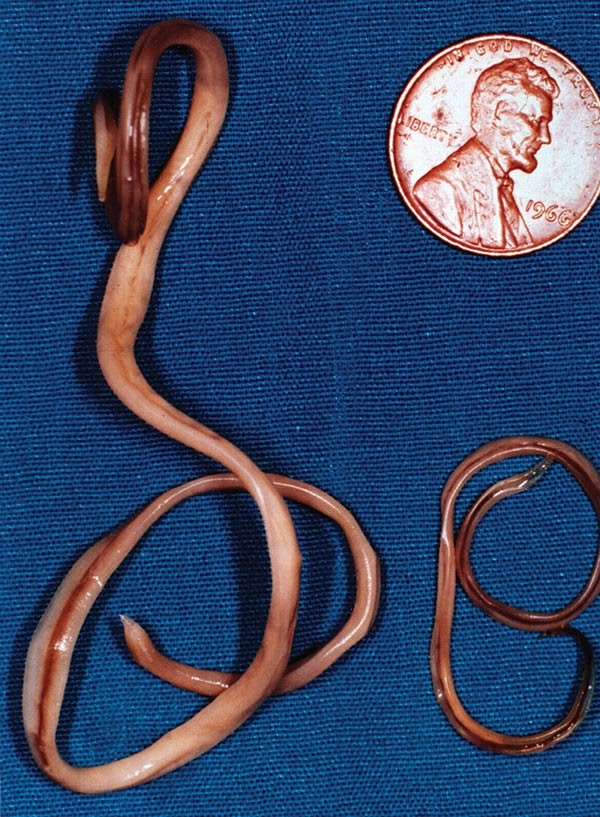
Raccoon roundworm, scientifically known as _Baylisascaris procyonis_, poses a growing threat in Europe as it has now been reported in nine countries, significantly raising the risk of human infection. This parasitic roundworm, typically residing in the intestines of raccoons, can cause serious health issues, including neurological damage, when the larvae invade human tissue. A recent study highlights that over 66% of raccoons examined in Germany were infected, indicating a concerning expansion of this parasite’s territory. As the presence of raccoons in Europe continues to rise, so does the potential for more cases of larva migrans, with three documented instances leading to permanent vision impairment. Without proper diagnostic measures, many infections may go unrecognized, making awareness and education crucial in regions inhabited by raccoons.
The roundworm affecting raccoons, commonly referred to as raccoon roundworm, has also been implicated in various health risks for humans. This parasite’s life cycle involves the consumption of infectious eggs, which are prevalent in areas frequented by these animals. With the increase of raccoon populations in European countries, public health experts are sounding the alarm over potential human infections. The dangers associated with _Baylisascaris procyonis_ include severe neurological impairments and other debilitating conditions, particularly in vulnerable populations like young children. As these creatures extend their habitat across Europe, the systematic tracking and understanding of these infections are becoming increasingly vital.
The Spread of Raccoon Roundworm in Europe
Raccoon roundworm, scientifically known as _Baylisascaris procyonis_, has established a significant presence in nine European countries, intensifying concerns related to human health. Research conducted at Goethe University has indicated alarming infection rates among local raccoon populations, revealing that over 66% of the examined raccoons tested positive for this dangerous parasite. This spike suggests a rapid expansion of the roundworm’s habitat, positioning Central Europe as a focal point for infection risks. As more raccoons inhabit different regions, the probability of human exposure increases, highlighting the urgent need for public awareness and preventive measures.
The spread of raccoon roundworm poses substantial challenges for public health institutions, particularly when considering the potential for neurological damage caused by human infection. Countries that are currently witnessing this spread must invest in effective monitoring and educational programs to inform residents of the risks associated with raccoon encounters. As the infection continues to proliferate, enacting measures that mitigate these risks will be vital in preventing widespread outbreaks and protecting vulnerable populations.
Understanding Human Infection by Baylisascaris Procyonis
Human infection by _Baylisascaris procyonis_ typically occurs through accidental ingestion of eggs found in contaminated environments such as soil or water. The infection pathway emphasizes the importance of hygiene, especially in areas where raccoons are known to thrive. Once ingested, the larvae can migrate through the body, leading to serious health complications, including larva migrans which may result in irreversible neurological damage. Research has shown that young children are particularly susceptible due to their habits of putting unwashed hands or objects in their mouths after playing outside.
Diagnostic challenges further complicate the situation, as many cases of raccoon roundworm infection go unrecognized or are misdiagnosed due to non-specific symptoms. In Europe, the lack of specific diagnostic tests hinders proper identification and treatment, making it crucial for healthcare professionals to be aware of the potential for raccoon roundworm infection in patients with unexplained neurological symptoms. Increased surveillance and prompt reporting could aid in identifying cases and contribute to better outcomes for affected individuals.
The Risk of Neurological Damage from Raccoon Roundworm
Infections related to the raccoon roundworm can lead to severe neurological consequences, often due to the larvae’s migration into the central nervous system. Such occurrences can cause extensive tissue damage and may result in lifelong complications, including cognitive impairments and physical disabilities. With known cases resulting in permanent visual impairment already reported, the situation calls for heightened awareness regarding the potential impact of _Baylisascaris procyonis_ on human health.
Preventing neurological damage associated with raccoon roundworm infections necessitates a comprehensive approach that encompasses public education about the disease, improved diagnostic practices, and recommendations for avoiding exposure. Public spaces, including parks and recreational areas where raccoons are present, should be monitored closely, and measures should be implemented to minimize interactions between humans and these wild animals. Understanding how to avoid cross-contamination of environments can significantly mitigate the health risks posed by this parasite.
Raccoons in Europe: A Growing Concern
The introduction of raccoons to Europe can be traced back to the early 20th century, and since then, these adaptable animals have thrived beyond their original release or escape from fur farming operations. As their populations expand throughout various regions, so does the risk associated with raccoon roundworm. This phenomenon underscores the need for wildlife management strategies that take into account the public health implications of raccoon proliferation in urban and rural areas alike.
With the increased presence of raccoons in Europe, authorities must focus on understanding their behavior and habitats to develop effective control measures. This includes promoting responsible disposal of waste and discouraging raccoons from scavenging in human settlements. Additionally, outreach programs aiming to educate the public about the risks of raccoon interaction and the potential dangers of raccoon roundworm infection can help to reduce the incidence of human health issues related to this parasite.
Preventing Raccoon Roundworm Infections
Effective prevention strategies are essential in combating the rise of _Baylisascaris procyonis_ infections across Europe. Community education plays a crucial role, emphasizing the importance of hand hygiene, especially for children who frequently play outdoors. Simple practices such as washing hands after outdoor activities and avoiding contact with raccoon feces can drastically decrease the likelihood of infection. Public health agencies should collaborate with schools and community organizations to disseminate this vital information.
In addition to education, local governments must take proactive steps to manage raccoon populations and prevent human exposure to potentially contaminated environments. Implementing measures to control raccoon access to urban areas, such as securing waste bins and minimizing food availability, can reduce the likelihood of encounters that may lead to infection. Monitoring efforts should also be enhanced to assess the potential spread of the raccoon roundworm and protect public health effectively.
Research Advances in Baylisascaris Procyonis Awareness
Ongoing research into _Baylisascaris procyonis_ continues to shed light on the prevalence and impact of raccoon roundworm infections in Europe. Recent studies, such as those conducted by the team at Goethe University, have produced valuable data that underscore the need for public health surveillance and targeted interventions. With stabilized high infection rates in raccoon populations, researchers are calling for increased funding and resources to address the gaps in diagnostics and effective response strategies.
Furthermore, academic collaborations and comprehensive studies across multiple European countries can facilitate a unified approach to battling this emerging public health threat. By sharing knowledge and resources, researchers and health officials can develop effective strategies to mitigate the risk of human infection, improve diagnostic capabilities, and ultimately reduce the incidence of neurological damage associated with the raccoon roundworm.
Identifying the Symptomatology of Raccoon Roundworm Infection
Identifying symptoms related to raccoon roundworm infection is crucial for timely diagnosis and intervention. Symptoms can range from mild to severe, often mimicking other conditions, which complicates the clinical picture. Common signs may include fever, fatigue, and neurological issues, signaling the importance of vigilance in patients who have been exposed to raccoon habitats. Healthcare providers need to have a high index of suspicion when evaluating patients presenting with unexplained medical conditions, especially in areas where raccoons are known to be prevalent.
Moreover, because many individuals may be unaware of the risks associated with raccoon roundworm, public education initiatives must aim to inform the general population about the potential signs of infection. Training healthcare professionals to recognize these symptoms is equally essential in ensuring that swift and appropriate measures can be undertaken to address suspected cases of _Baylisascaris procyonis_ infection.
The Role of Wildlife Management in Controlling Raccoon Populations
Effective wildlife management practices play a vital role in controlling raccoon populations and minimizing the risks associated with raccoon roundworm transmission. Strategies may include habitat management, awareness campaigns, and., where appropriate, humane population control to reduce the density of raccoons in high-risk areas. This multipronged approach will not only protect human health but also contribute to the overall stability of local ecosystems.
Raccoon roundworm poses a significant challenge, especially in urban areas where wildlife and human encounters are more frequent. Through effective wildlife management and community engagement, we can work towards reducing the risk of infection and safeguarding public health while ensuring that these animals continue to thrive in their natural habitats.
Future Directions in Raccoon Roundworm Research and Prevention
As the prevalence of _Baylisascaris procyonis_ continues to rise in Europe, future research must address the various dimensions of raccoon roundworm infection. This includes investigating effective prevention measures, improving diagnostic methodologies, and understanding the ecological factors contributing to the roundworm’s expansion. Collaborations between public health experts, researchers, and policymakers will be essential to ensure a comprehensive response to this urgent public health issue.
Continued vigilance and funding for research specific to raccoon roundworm will contribute to developing more effective programs to monitor, prevent, and treat infections. By focusing on innovation in detection and community awareness, we can work together to curb the risks from this parasitic threat and protect potential victims from serious health consequences associated with _Baylisascaris procyonis_.
Frequently Asked Questions
What is Raccoon Roundworm and how does it affect humans?
Raccoon roundworm, scientifically known as Baylisascaris procyonis, is a parasitic roundworm that can infect humans upon accidental ingestion of its infectious eggs. It primarily resides in the small intestine of raccoons and can cause serious health issues, including larva migrans and permanent neurological damage if the larvae invade the central nervous system.
How has the spread of Raccoon Roundworm impacted European countries?
The spread of Raccoon Roundworm has recently increased in nine European countries, raising concerns about human infection rates. A study indicates that significant populations of raccoons in Central Europe are infected, with contaminated environments posing a risk to human health.
What are the symptoms of Raccoon Roundworm infection in humans?
Symptoms of Raccoon Roundworm infection in humans can be non-specific, often leading to misdiagnosis. Key symptoms include larva migrans, which can cause tissue and organ damage, particularly if the larvae invade the central nervous system, potentially resulting in severe neurological issues.
Why is Raccoon Roundworm a concern in urban areas?
Raccoon Roundworm presents a significant concern in urban areas due to the proximity of raccoon populations and human activity. As raccoons thrive in cities, their feces can contaminate soil and water, increasing the risk of human infections from Baylisascaris procyonis eggs.
What measures can be taken to prevent Raccoon Roundworm infections?
To prevent Raccoon Roundworm infections, especially in regions where raccoons are prevalent, it’s essential to practice good hygiene, such as washing hands after outdoor activities, avoiding contact with raccoon feces, and precautions in gardening or playing in areas where raccoons are known to inhabit.
Are there any known cases of Raccoon Roundworm in Europe?
Yes, there have been confirmed cases of Raccoon Roundworm in Europe, with reports indicating permanent visual impairment in three individuals. The actual number of cases is believed to be underreported due to the challenges in diagnosing the infection without specific tests.
How can Raccoon Roundworm be diagnosed?
Diagnosing Raccoon Roundworm infection in humans can be challenging due to a lack of specific diagnostic tests in Europe. Most definitive diagnoses are currently only possible in the United States and Canada, making awareness and symptom monitoring crucial for residents in affected areas.
What is the life cycle of Baylisascaris procyonis?
The life cycle of Baylisascaris procyonis begins when adult roundworms in raccoons produce eggs that can contaminate the environment through feces. Within two weeks, these eggs develop into infectious larvae, which can then be inadvertently ingested by humans or other animals.
What implications does Raccoon Roundworm have for raccoon populations in urban settings?
The implications for raccoon populations in urban settings include increased interactions with humans, potentially leading to higher rates of Raccoon Roundworm transmission. As raccoons adapt to urban life, containing their populations and monitoring for infections becomes critical for public health.
Can Raccoon Roundworm infections be fatal?
Yes, infections caused by Raccoon Roundworm can lead to severe complications, including permanent neurological damage or death, especially if the larvae enter the central nervous system. Awareness and preventive measures are essential to mitigate the risk.
| Key Point | Details |
|---|---|
| Spread to Europe | Now in 9 European countries, especially Central Europe. |
| Rate of Infection | 66.4% of 146 raccoons examined were infected with the _Baylisascaris procyonis_ roundworm. |
| Public Health Risk | Infection can cause severe neurological damage or death; three cases reported with permanent visual impairment. |
| Symptoms and Diagnosis | Symptoms often non-specific; many cases remain undiagnosed due to lack of specific tests in Europe. |
| Lifecycle and Transmission | Infectious eggs are spread through raccoon feces. Humans ingest eggs from contaminated sources. |
| Affected Population | Young children are especially at risk due to frequent hand-to-mouth contact. |
Summary
Raccoon roundworm is increasingly becoming a significant health threat, now detected in nine European countries. This situation underscores the urgent need for awareness and preventive measures regarding the risks posed by _Baylisascaris procyonis_, particularly as infection rates and cases of severe neurological damage are rising. As the raccoon population expands, proper data collection and diagnostic measures become crucial to mitigate human risk.
The content provided on this blog (e.g., symptom descriptions, health tips, or general advice) is for informational purposes only and is not a substitute for professional medical advice, diagnosis, or treatment. Always seek the guidance of your physician or other qualified healthcare provider with any questions you may have regarding a medical condition. Never disregard professional medical advice or delay seeking it because of something you have read on this website. If you believe you may have a medical emergency, call your doctor or emergency services immediately. Reliance on any information provided by this blog is solely at your own risk.