


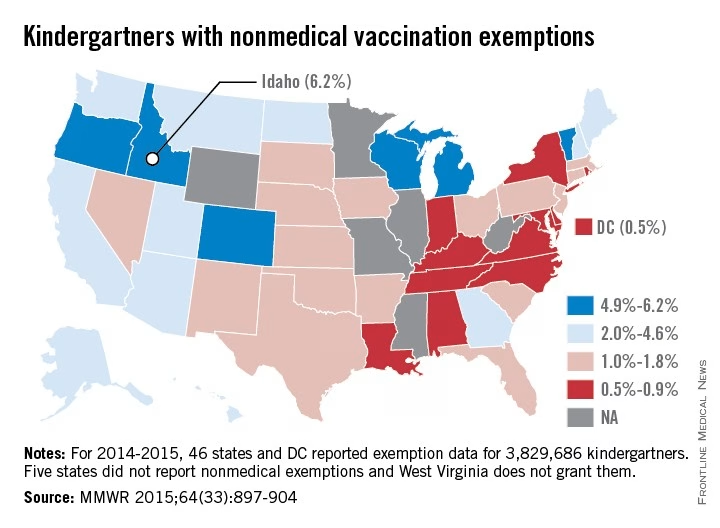
Nonmedical exemptions have become a pivotal topic within the realm of childhood vaccination as their rise poses significant risks to public health. Recent studies indicate that these exemptions, which are granted for personal beliefs or religious convictions, have gained traction in the United States, leading to decreased vaccination rates among children. The implications of this trend are profound, as lower vaccination coverage can result in increased susceptibility to vaccine-preventable diseases, thereby threatening community immunity levels. As vaccination rates decline, professionals in public health are expressing growing concern over potential outbreaks. The alarming trend highlights the urgent need for a re-evaluation of nonmedical exemption policies to safeguard the health of future generations.
In the ongoing discourse surrounding immunization policies, terms such as personal belief exemptions and religious exemptions emerge as synonyms for nonmedical exemptions. These alternatives refer to the permissions granted that allow individuals to opt out of mandatory childhood vaccinations based on personal or spiritual grounds. The growing prevalence of these exemptions raises concerns about the continuity of effective vaccination programs and the protection against infectious diseases, particularly for the youngest members of society. As such, health experts advocate for stringent policies to bolster vaccination rates and maintain public health standards in the face of rising exemption rates. In light of these complex issues, fostering informed conversations about the implications of nonmedical exemptions is crucial for ensuring robust immunity levels within communities.
Understanding Nonmedical Exemptions in Childhood Vaccination
Nonmedical exemptions have become a topic of concern in discussions about childhood vaccinations. These exemptions allow parents to opt-out of vaccinating their children for reasons related to personal beliefs or religious convictions, rather than for documented medical needs. The rise in these exemptions, which increased by 2.5 percentage points from 2010 to 2024, poses significant public health challenges. As public health experts warn, declining vaccination rates correlate with increased susceptibility to vaccine-preventable diseases, which once were effectively controlled through widespread immunization.
The implications of the rise in nonmedical exemptions can be vast: areas with higher exemption rates often see outbreaks of diseases like measles or whooping cough, which are preventable through vaccination. This rise emphasizes the need for policies that promote higher vaccination coverage across all communities. The American Academy of Pediatrics has strongly advocated for the elimination of nonmedical exemptions, arguing that they contribute to lower overall immunity levels, thereby endangering not just exempted individuals but the community as a whole.
Frequently Asked Questions
What are nonmedical exemptions to childhood vaccination requirements?
Nonmedical exemptions are waivers from childhood vaccination requirements granted for personal beliefs or religious reasons, allowing parents to opt out of vaccinating their children against vaccine-preventable diseases.
How do nonmedical exemptions affect vaccination rates among children?
Nonmedical exemptions contribute to lower vaccination coverage in schools, which can result in decreased herd immunity levels and an increased risk of outbreaks of vaccine-preventable diseases.
Why are nonmedical exemptions a concern for public health?
The rise in nonmedical exemptions poses a significant public health concern as it leads to declining childhood vaccination rates and increases the potential for outbreaks of diseases that can be prevented through vaccination.
What has changed in nonmedical exemption rates since the COVID-19 pandemic?
Since the emergence of SARS-CoV-2, nonmedical exemption rates have seen a significant increase, rising by 0.52 percentage points annually, highlighting a growing trend that raises concerns for public health and childhood vaccinations.
Which states have the highest rates of nonmedical exemptions?
States such as Arizona, Idaho, Oregon, Utah, and Wisconsin have the highest rates of nonmedical exemptions, contributing to lower childhood vaccination rates and increased risks for vaccine-preventable diseases in these areas.
How do nonmedical exemptions compare to medical exemptions for vaccinations?
While nonmedical exemptions are granted for personal or religious reasons, medical exemptions are provided to individuals with documented health conditions that contraindicate vaccination, and the rates for medical exemptions have remained stable over time.
What are the implications of rising nonmedical exemption rates for immunity levels in communities?
Rising nonmedical exemption rates can lead to lower immunity levels in communities, increasing vulnerability to outbreaks of vaccine-preventable diseases, thereby posing a risk to public health.
How can the elimination of nonmedical exemptions impact vaccination rates?
The elimination of nonmedical exemptions, as seen in states like California and New York, has led to an increase in vaccination rates and better protection against outbreaks of vaccine-preventable diseases.
What does the data say about the trend of nonmedical exemptions from childhood vaccinations?
Data shows that median nonmedical exemption rates increased from 0.6% in 2010-11 to 3.1% in 2023-24, indicating a concerning trend that could compromise public health efforts to maintain high vaccination rates.
What actions are being debated regarding nonmedical exemptions in response to vaccination declines?
There is ongoing debate at the policy level regarding the necessity and implications of nonmedical exemptions, focusing on their impact on vaccination rates and public health as communities face declining immunity and increased disease risks.
| Key Point | Details |
|---|---|
| Rise of Nonmedical Exemptions | Nonmedical exemptions increased by 2.5 percentage points from 2010 to 2024. |
| Impact on Vaccination Rates | Linked to lower vaccination coverage and increased risk of outbreaks. |
| Data Source | Study analyzed data from 3,053 counties across 45 states and Washington, DC. |
| Post-COVID Trends | Median nonmedical exemption rate rose from 0.6% (2010-11) to 3.1% (2023-24). |
| State Variability | Highest rates in Arizona, Idaho, Oregon, Utah, and Wisconsin; declines in states like California and New York. |
| Policy Implications | Active debate on the need to reconsider nonmedical exemption policies due to declining vaccination rates. |
Summary
Nonmedical exemptions are increasingly affecting childhood vaccination rates in the US. A study led by Stanford University highlights a significant rise in these exemptions, linking them to a heightened risk of outbreaks of vaccine-preventable diseases. As the median nonmedical exemption rate surged from 0.6% to 3.1% over the past decade, public health experts advocate for policy changes to mitigate the risks posed by these exemptions. The needs for addressing this issue have become more pressing, especially in the aftermath of the COVID-19 pandemic, calling for a reevaluation of current standards and practices surrounding vaccination requirements.
The content provided on this blog (e.g., symptom descriptions, health tips, or general advice) is for informational purposes only and is not a substitute for professional medical advice, diagnosis, or treatment. Always seek the guidance of your physician or other qualified healthcare provider with any questions you may have regarding a medical condition. Never disregard professional medical advice or delay seeking it because of something you have read on this website. If you believe you may have a medical emergency, call your doctor or emergency services immediately. Reliance on any information provided by this blog is solely at your own risk.