


Antiviral use in children has become a critical element in managing influenza, particularly for hospitalized patients who are more vulnerable to severe illness. Recent research highlights a concerning decline in the administration of flu antiviral treatments among children during the COVID-19 pandemic, dropping from a steady 48% to 57% pre-pandemic to just 38% in 2021-2022. This trend underscores the importance of pediatric antiviral recommendations, especially given the potential impact of COVID-19 on influenza severity. Additionally, flu vaccinations for children have also decreased, complicating efforts to protect this demographic. Understanding the dynamics of antiviral usage in children is essential for safeguarding their health amid evolving respiratory threats, including both flu and COVID-19.
The utilization of antiviral medications for managing flu in young patients is a crucial aspect that warrants attention, especially following the disruptions caused by the pandemic. With a noticeable drop in treatments for hospitalized children flu cases, it is vital for healthcare providers and parents alike to stay informed about the benefits of timely antiviral administration. Pediatric antiviral strategies are especially significant for children at higher risk of complications, as they play a key role in reflecting overall public health and vaccination success. Furthermore, addressing the misconceptions and distrust that have surfaced during the COVID-19 era is essential for reinforcing the importance of flu antiviral treatments and vaccinations in children. As we navigate these challenges, understanding the relationship between pediatric health and respiratory viruses remains more important than ever.
Overview of Antiviral Use in Hospitalized Children
The decline in antiviral use for children hospitalized with influenza during the COVID-19 pandemic has raised serious concerns among healthcare professionals. Prior to the pandemic, data indicated that antiviral treatments were being increasingly administered, reaching up to 57% of hospitalized children. However, a significant shift occurred in 2021 when only 38% of affected children were treated with antiviral medications. This drop is alarming, as timely antiviral use is critical in reducing flu symptoms and preventing complications in pediatric patients.
The American Academy of Pediatrics advocates for the administration of antiviral treatments for children suspected or confirmed to have the flu, especially those at higher risk of complications. The study reinforces this recommendation by highlighting that children with underlying medical conditions or those who were vaccinated had a higher chance of receiving antivirals. It emphasizes that timely treatment remains essential, particularly for hospitalized children experiencing severe illness.
Impact of COVID-19 on Pediatric Antiviral Treatments
The COVID-19 pandemic profoundly impacted healthcare services, including pediatric care for influenza. Many families faced barriers accessing timely medical treatment, resulting in a notable decrease in the administration of antivirals to children with the flu. The findings from Vanderbilt University Medical Center reveal a troubling trend; fewer children received antivirals during critical flu months, which may have contributed to increased hospitalizations and health complications that could have otherwise been mitigated.
Decreased antiviral usage during the pandemic can be attributed to several factors, including increased misinformation circulating among the public regarding flu severity. Healthcare providers noted that parents often viewed influenza as a mild illness, leading to delays in treatment and lower vaccination rates. This perception can place children at risk, highlighting the need for better informational resources to educate parents about the potential risks of influenza and the importance of antiviral interventions.
Flu Vaccinations and Antiviral Treatments
A decrease in flu vaccinations among children has compounded the issues related to antiviral treatments during the pandemic. Prior to COVID-19, 47% of hospitalized children were vaccinated against influenza, which plummeted to just 33% during the pandemic. This decline places an additional burden on healthcare providers, as unvaccinated children are more likely to require hospitalization and suffer severe symptoms, underscoring the critical need for educational campaigns to promote flu vaccinations among the pediatric population.
Vaccination plays a crucial role in reducing the spread of influenza and the need for antiviral treatments. Children vaccinated against the flu are less likely to experience severe symptoms, resulting in lower hospitalization rates. The study findings indicate that vaccinated children were also more likely to receive antiviral therapies when hospitalized, suggesting a possible correlation between vaccination, treatment, and improved health outcomes during the flu season.
Importance of Pediatric Antiviral Recommendations
The CDC and the American Academy of Pediatrics provide guidelines that emphasize the timely administration of antivirals for children at risk of severe illness due to influenza. Research demonstrates that prompt antiviral treatment can significantly shorten the duration of illness and minimize potential complications in children, thus leading to better health outcomes.
These recommendations are particularly important for children with chronic health conditions or those who experience prolonged symptoms before seeking care. By following pediatric antiviral recommendations, healthcare providers can ensure that vulnerable populations receive the necessary treatment to combat influenza effectively. The focus on these guidelines is crucial in the context of declining antiviral usage observed during the pandemic.
Combatting Misinformation Regarding Influenza
The spread of misinformation during the COVID-19 pandemic has created a challenging environment for public health. Many parents underestimate the severity of influenza, believing it to be less serious than it is. This misperception can lead to reluctance in seeking medical assistance or opting for vaccinations, ultimately impacting children’s health and increasing hospitalization rates.
To address this issue, healthcare organizations must prioritize educational initiatives aimed at debunking myths surrounding childhood influenza. Providing factual information about flu risks, the benefits of vaccination, and the importance of antiviral treatments can empower parents to make informed decisions, thereby increasing vaccination rates and antiviral utilization among children.
Hospitalized Children and Antiviral Treatments
Hospitalized children diagnosed with influenza often require immediate antiviral treatment to mitigate their symptoms and prevent complications. The study highlights that children admitted to intensive care units were more likely to receive these medications, illustrating the critical role healthcare providers play in administering timely care based on urgency.
Furthermore, children who had symptoms for more than two days before seeking treatment faced a higher likelihood of hospitalization and severe illness. This emphasizes the importance of early intervention and the need for parents to recognize flu symptoms quickly. Ensuring that these children receive antiviral therapies can be lifesaving, making it vital for parents to act promptly when their children exhibit flu-like symptoms.
Post-Pandemic Strategies for Improved Pediatric Care
As we move beyond the pandemic, developing effective strategies to enhance pediatric care for influenza is essential. These strategies should focus on increasing awareness about the significance of antiviral treatments and vaccinations among parents and healthcare professionals. Consistent messaging from health officials can play a pivotal role in reinforcing the importance of these preventive measures.
Additionally, training programs for healthcare providers can help them effectively communicate the risks of influenza and the advantages of receiving timely antiviral treatments. Investments in research and health education are necessary to ensure that the decline in antiviral usage observed during the pandemic does not continue, thereby safeguarding children’s health in the future.
Long-Term Effects of Antiviral Treatment Trends
The patterns observed in antiviral treatment usage among children during the pandemic may have lasting effects on public health strategies. If antiviral prescription rates remain low, we may see an increase in complications related to influenza, leading to higher hospitalization rates. This highlights the need for ongoing surveillance and evaluation of treatment protocols to ensure that children receive appropriate care during flu season.
Moreover, understanding the long-term trends in antiviral usage can guide future public health campaigns aimed at improving vaccination rates and treatment adherence. For instance, tracking the evolution of treatment patterns can help identify gaps in care, enabling health organizations to tailor interventions that effectively address children’s health needs and combat misinformation.
Future Directions in Pediatric Influenza Care
As the medical community reflects on the implications of the pandemic, future directions in pediatric influenza care must prioritize comprehensive approaches that encompass vaccination, antiviral treatments, and public health outreach. Building a robust surveillance system can help monitor trends in pediatric flu cases and ensure rapid responses to emerging health challenges.
Furthermore, collaboration among healthcare providers, parents, and public health officials will be crucial in developing effective strategies for managing pediatric influenza. By enhancing education, increasing access to vaccinations, and promoting antiviral usage, we can significantly improve children’s health outcomes during flu season and beyond.
Frequently Asked Questions
What is the current state of antiviral use in children hospitalized for flu?
Antiviral use in children hospitalized for flu has declined since the COVID-19 pandemic. A study showed that between 2016 and 2020, 48% to 57% of hospitalized children received antiviral treatment. In contrast, only 38% received antivirals in 2021-2022, rising slightly to 46% in 2022-2023.
How do flu antiviral treatments benefit hospitalized children?
Flu antiviral treatments are crucial for hospitalized children as they can shorten the duration of flu symptoms and lower the risk of complications. The American Academy of Pediatrics recommends timely antiviral administration for children who are hospitalized or at higher risk for severe illness.
What factors influence the likelihood of antiviral use in children with flu?
Several factors influence antiviral use in children, including the presence of underlying medical conditions, being vaccinated against the flu, undergoing clinical testing, admission to intensive care, and the duration of symptoms prior to treatment. Children with these factors are more likely to receive antiviral medications.
Why did flu vaccinations among children decrease during the pandemic?
Flu vaccinations among hospitalized children dropped from 47% to 33% during the late pandemic period. This decline may be linked to increased misinformation and distrust in the medical system, leading to a misunderstanding of the flu’s severity.
What are the pediatric antiviral recommendations for treating flu?
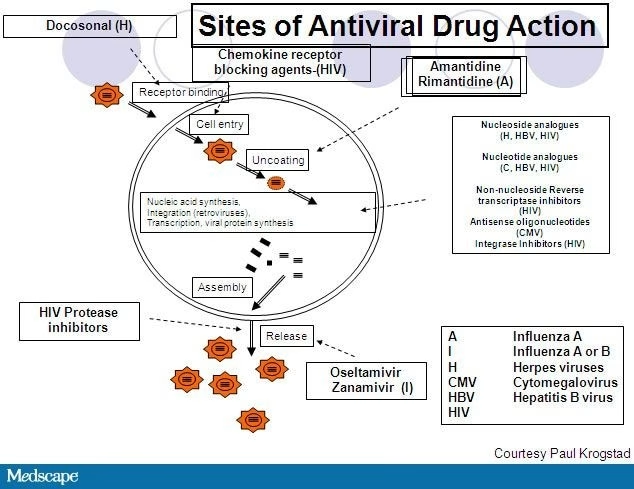
Pediatric antiviral recommendations include administering antivirals like oseltamivir, peramivir, baloxavir, and zanamivir to children who are hospitalized with confirmed or suspected influenza, especially those at a higher risk for complications, regardless of lab confirmation.
How did the COVID-19 pandemic affect pediatric antiviral recommendations for flu treatment?
The COVID-19 pandemic appears to have affected pediatric antiviral recommendations negatively, with a significant drop in usage among hospitalized children. This change highlights the need for increased awareness and adherence to established antiviral guidelines for treating influenza in children.
What role do flu antiviral treatments play during the COVID-19 pandemic?
During the COVID-19 pandemic, flu antiviral treatments remained important as they help manage influenza, which can still lead to severe complications in children. Proper treatment protocols need to be reinforced to prevent unnecessary morbidity during overlapping flu seasons.
How can parents ensure their children receive appropriate antiviral treatments for flu?
Parents can ensure their children receive appropriate antiviral treatments for flu by seeking medical attention promptly when flu symptoms appear, ensuring vaccinations are up-to-date, and discussing any concerns with their healthcare providers to understand the importance of timely antiviral intervention.
| Aspect | Details |
|---|---|
| Antiviral Usage Before Pandemic | 48% to 57% of hospitalized children received antivirals between December 2016 and March 2020. |
| Antiviral Usage During Pandemic (2021-2022) | Only 38% of hospitalized children received antivirals in this period; increased to 46% in 2022-2023. |
| Impact of Antivirals | Antivirals can reduce the duration of flu symptoms and the likelihood of complications in children. |
| Recommendations by Experts | The American Academy of Pediatrics advises prompt antiviral treatment for hospitalized children suspected or confirmed to have influenza. |
| Key Factors for Antiviral Treatment | Children with underlying conditions, flu vaccinations, clinical testing, ICU admissions, and delay in seeking treatment had higher antiviral usage. |
| Types of Antivirals | Oseltamivir, peramivir, baloxavir, and zanamivir were included in the study. |
| Flu Vaccination Rates | Flu vaccination in hospitalized children dropped from 47% before the pandemic to 33% during the late pandemic period. |
| Concerns Raised | Misinformation and distrust in the medical system may have contributed to decreased antiviral usage and vaccination rates. |
Summary
Antiviral use in children has seen a worrying decline during the COVID-19 pandemic, as evidenced by recent studies. This trend raises significant concerns about the management of influenza in young patients, particularly given the risks of severe complications. Prompt antiviral treatment is essential for children at risk, and understanding the factors influencing these treatment decisions is critical for healthcare providers and parents alike. As misinformation persists, it is vital to promote accurate information to ensure that children receive appropriate antiviral medications when necessary.
The content provided on this blog (e.g., symptom descriptions, health tips, or general advice) is for informational purposes only and is not a substitute for professional medical advice, diagnosis, or treatment. Always seek the guidance of your physician or other qualified healthcare provider with any questions you may have regarding a medical condition. Never disregard professional medical advice or delay seeking it because of something you have read on this website. If you believe you may have a medical emergency, call your doctor or emergency services immediately. Reliance on any information provided by this blog is solely at your own risk.