


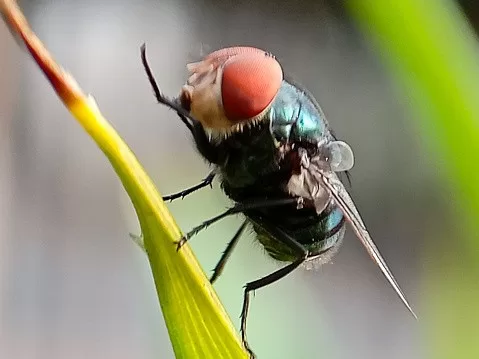
The New World screwworm, scientifically known as *Cochliomyia hominivorax*, has emerged as a public health concern following the recent confirmation of a human infection in the United States. This case, marking the first in over 50 years, highlights the risks posed by this flesh-eating parasite, particularly to those traveling from regions like Central America where outbreaks are prevalent. As the New World screwworm threatens livestock, particularly cattle, it raises alarms for farmers and public health officials alike about potential livestock infections. Despite the U.S. Department of Health and Human Services assessing the public health risk as low, vigilance is necessary given its history and impact on animal health. Understanding the implications of this infection is crucial for mitigating risks and protecting both human and animal populations from this invasive species.
Invasive parasitic threats like the travel-associated screwworm have significant implications for public health and agriculture. Known for its devastating effects on livestock, this parasitic fly also poses a rare but serious risk to humans. The flesh-eating larvae of the *Cochliomyia hominivorax* thrive in warm conditions, creating challenges for those who travel to regions where this parasite is endemic. As experts monitor outbreaks in Central America, the focus is also on preventing potential infections among U.S. livestock, which could have dire economic consequences. Protective measures against this emerging threat are essential in safeguarding both animal health and public safety.
Understanding the New World Screwworm: Overview and Significance
The New World screwworm, scientifically known as Cochliomyia hominivorax, is a flesh-eating parasite that primarily affects warm-blooded animals. This fly lays its eggs in fresh wounds or exposed skin, where the larvae then feed on the living tissue. This not only causes severe pain and distress to the affected animal but can also lead to fatal infections if not treated promptly. The occurrence of this pest is not just a minor agricultural concern; it poses a considerable threat to livestock, particularly as it can decimate cattle herds, leading to significant economic losses in the farming sector.
The recent report of a human case linked to travel-associated New World screwworm underscores the potential for this parasite to impact public health. Although human infections are rare, they highlight how the movement of people and animals can propagate such infections across borders. The reemergence of screwworm in the U.S. after decades of absence serves as a crucial reminder for increased vigilance and biosecurity in monitoring both animal and human health.
The Risks of New World Screwworm to Livestock and Agriculture
Livestock infection by the New World screwworm can have devastating effects on the agricultural industry. In Central America, outbreaks have already begun to wreak havoc, with cattle being particularly vulnerable. Farmers fear that without adequate biosecurity measures, this infectious threat could spill over into the United States. The historical context of previous outbreaks reveals that significant losses can occur when screwworms invade cattle herds, necessitating urgent intervention strategies to protect the livestock industry.
The USDA’s recent announcement of preventive measures, such as increased inspections and regulatory frameworks for imports, highlights the seriousness of managing this threat. Only through stringent controls can the risk of introducing this flesh-eating parasite to the U.S. cattle population be mitigated. Farmers and authorities must remain on high alert to combat any emerging threats and maintain the health of livestock across the nation.
Public Health Concerns Regarding New World Screwworm
The human case of New World screwworm infection, though rare, raises important public health concerns. Health officials are keen on ensuring that the general population remains informed about the symptoms and potential risks associated with this parasite. The low incidence of human infection does not diminish the need for awareness, as the consequences of becoming infected can be severe. Understanding how infections occur—primarily through exposure to contaminated animals or environments—can help in preventing instances of infection.
Education campaigns focusing on hygiene and awareness are crucial in communities that may be affected. By disseminating information about avoiding contact with infected animals and the importance of seeking medical attention for unusual wounds or skin lesions, the public can be better prepared to deal with potential risks related to the New World screwworm.
Managing Outbreaks of Cochliomyia hominivorax
Managing outbreaks of Cochliomyia hominivorax requires a coordinated response from agricultural and health authorities. Effective management strategies often include monitoring livestock for signs of infestation, implementing pest control measures, and conducting thorough inspections of animals being imported into the U.S. These preventive measures are critical, especially in light of the recent outbreak in Central America, which could serve as a stepping stone for the spread of this parasite.
To bolster these efforts, public-private partnerships can enhance research into more efficient pest control methods and develop vaccines that could protect livestock from becoming targets of infection. By fostering collaboration between sectors, resources can be pooled to create an integrated approach to managing and mitigating the impact of New World screwworm outbreaks.
The Role of Travel in Spreading New World Screwworm
Travel plays a significant role in the spread of the New World screwworm, as seen with the recent case of a Maryland patient returning from El Salvador. Such instances underscore the importance of understanding how infectious diseases can traverse borders. The interconnectedness of our world means that a parasite can rapidly move from one locale to another, posing risks to both human health and livestock.
Travel advisories and health screenings at points of entry into the United States are essential measures to identify and manage potential risks associated with these pests. Educating travelers about avoiding contact with potential sources of screwworm, such as injured animals, can help reduce the likelihood of infection. It is imperative that health officials remain proactive in monitoring these issues to protect public health.
Prevention Strategies Against New World Screwworm Infection
Preventing New World screwworm infections in livestock and humans requires a multifaceted approach. At the agricultural level, it is crucial for farmers to implement preventative measures such as quarantining new animals, maintaining clean livestock environments, and employing adept pest control strategies. Prevention is often more cost-effective than dealing with the aftermath of an infestation, making these practices vital for every livestock owner.
On the human side, public health campaigns play an important role in educating communities about the signs and symptoms of infection. Early detection and treatment are crucial for minimizing complications associated with flesh-eating parasites. Overall, reducing risk depends heavily on awareness, hygiene practices, and community participation in monitoring and reporting suspicious cases.
Surveillance Efforts for New World Screwworm Control
Robust surveillance efforts are necessary for controlling the New World screwworm, particularly in areas vulnerable to outbreaks. Incorporating technology such as drones and satellite imaging for tracking cattle movement can significantly enhance detection and monitoring capabilities. These advancements allow authorities to respond more swiftly to potential new infestations, potentially curtailing their spread before they escalate.
In addition to advanced technology, collaboration between countries is vital in battling the New World screwworm. Ensuring a network of communication among health agencies in Central America and the United States will facilitate early warnings of outbreaks and improved response mechanisms. A united front not only enhances local agriculture but also protects public health on a broader scale.
The Economic Impact of New World Screwworm Outbreaks
The economic impact of New World screwworm outbreaks can be severe, particularly for livestock farmers. Losses stem from both livestock deaths and the heightened costs associated with treatment and preventive measures. When outbreaks occur, ranchers often face significant financial burdens as they work to manage and eradicate infestations, leading to potential declines in revenue and productivity.
Moreover, the fear of outbreaks can disrupt trade with other countries that are wary of importing livestock or animal products from affected areas. This creates a ripple effect throughout the agricultural economy, highlighting the importance of effective biocontrol and rapid response strategies. Addressing economic vulnerabilities early on can protect farmers and ensure the stability of the agricultural sector.
Conclusion: Vigilance Against New World Screwworm Threats
In conclusion, vigilance is key when it comes to addressing the threats posed by the New World screwworm. Both agricultural and public health sectors must work in tandem to prevent outbreaks and manage potential risks associated with this flesh-eating parasite. Continuous education regarding the risks of infection, alongside stringent control measures, will help safeguard both livestock and public health.
As we navigate a world increasingly interconnected through trade and travel, the importance of collective action becomes clear. By adopting proactive measures, fostering partnerships, and enhancing surveillance efforts, we can combat the New World screwworm and prevent it from becoming a recurring public health challenge.
Frequently Asked Questions
What is the New World screwworm and how does it affect livestock?
The New World screwworm, scientifically known as Cochliomyia hominivorax, is a flesh-eating parasite that primarily infects warm-blooded animals, including livestock such as cattle. It lays eggs in open wounds, and the larvae feed on the host’s living tissue, leading to severe infections and potential death if not treated promptly.
How does the travel-associated screwworm infection affect humans?
Travel-associated infections of New World screwworm in humans are rare but can occur, as seen in the recent case confirmed by the US Department of Health and Human Services. The risk to public health is considered very low, although individuals returning from areas with outbreaks should be vigilant for symptoms of infection.
What are the public health risks associated with New World screwworm outbreaks?
While New World screwworm outbreaks primarily impact livestock, the confirmed human cases highlight a potential public health risk. However, the US Department of Health and Human Services reports the general risk remains low, emphasizing the importance of monitoring and prevention strategies, particularly for travelers to affected regions.
Are there any recent outbreaks of New World screwworm affecting livestock in the US?
Currently, the US has not confirmed any New World screwworm infections in animals this year. However, with ongoing outbreaks in Central America, particularly affecting cattle, authorities are closely monitoring the situation to prevent any potential threat to US livestock populations.
What precautions are being taken to prevent New World screwworm from spreading to US livestock?
In response to outbreaks in Central America, the US Department of Agriculture has implemented new measures to combat the spread of New World screwworm. These include stricter regulations on livestock imports and enhanced surveillance to protect US livestock from potential infections.
What symptoms should be seen in both livestock and humans if infected by New World screwworm?
In livestock, typical symptoms of New World screwworm infection include extreme irritation around wounds, loss of appetite, and visible maggots in the flesh. In humans, symptoms can vary but may include pain, inflammation, and visible sores at the site of infection, which need immediate medical attention.
| Key Point | Details |
|---|---|
| First Human Case | The first human case of travel-associated New World screwworm in decades was reported in a Maryland patient returning from El Salvador. |
| Infection Details | The infection is caused by the Cochliomyia hominivorax fly and is a flesh-eating parasitic infection. |
| Public Health Risk | HHS reported that the public health risk associated with this infection is very low. |
| Current Outbreak | Central America is experiencing a significant outbreak affecting livestock, particularly cattle. |
| Concern for US Cattle | Experts are concerned that imported cases could threaten US cattle herds after outbreaks in Mexico. |
| Preventative Measures | On August 15, the US Department of Agriculture announced new measures to prevent the spread to US livestock. |
| Infection in Animals | Any warm-blooded animal can be infected, but human cases remain rare, with no confirmed cases in US animals this year. |
Summary
The New World screwworm is now back in the spotlight with the confirmation of the first human case in decades in the United States. This case highlights the potential risks associated with this flesh-eating parasitic infection, especially amidst outbreaks in Central America. While the current public health risk remains low according to health officials, the situation emphasizes the importance of monitoring and preventing the spread of New World screwworm among livestock and ensuring public awareness to safeguard both animal health and public safety.
The content provided on this blog (e.g., symptom descriptions, health tips, or general advice) is for informational purposes only and is not a substitute for professional medical advice, diagnosis, or treatment. Always seek the guidance of your physician or other qualified healthcare provider with any questions you may have regarding a medical condition. Never disregard professional medical advice or delay seeking it because of something you have read on this website. If you believe you may have a medical emergency, call your doctor or emergency services immediately. Reliance on any information provided by this blog is solely at your own risk.