


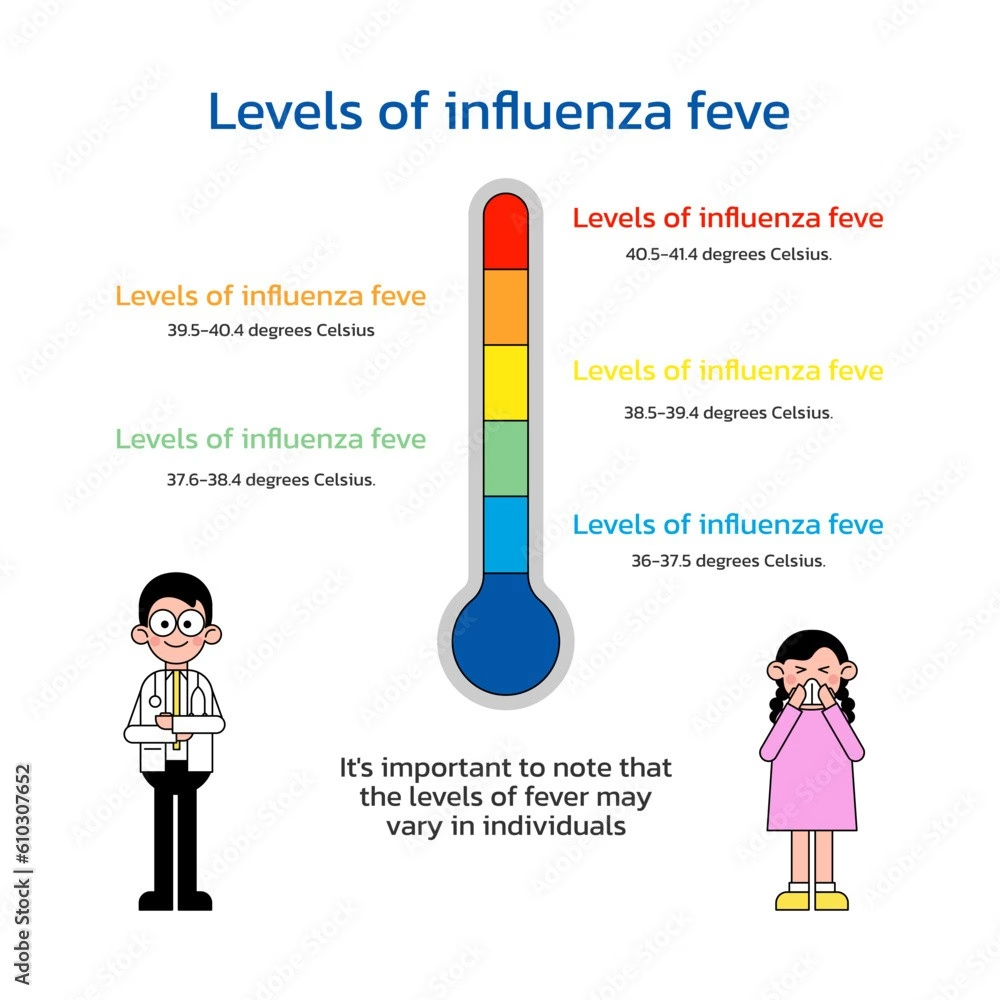
Influenza levels have seen a marked rise this week after a brief period of decline, with the Centers for Disease Control and Prevention (CDC) warning of elevated activity across the United States. This increase comes at a time when respiratory syncytial virus (RSV) and COVID-19 status remain high in several states, complicating the landscape of respiratory illnesses. According to the latest CDC influenza report, although overall acute respiratory illness levels remain low to moderate, 13 states are experiencing upward trends in flu cases, alongside a concerning rise in RSV activity in 21 states. As we head deeper into the flu season, influenza A and B variants are gaining traction, prompting increased vigilance, especially with 52 reported pediatric flu deaths so far. As concerns grow, vaccinations against these contagious illnesses hold critical importance for public health.
Recent trends indicate a surge in flu activity, reflecting a heightened prevalence of respiratory viruses in circulation. With a focus on respiratory illnesses, the CDC’s weekly data highlights an acute rise in flu cases, particularly among children, aligning with a broader array of infections including COVID-19 and RSV. This escalating situation emphasizes the importance of monitoring influenza dynamics, notably the contributions of both influenza A and B strains. The accompanying rise in pediatric fatalities underlines the urgency for vaccination and preventive measures. As the season progresses, public health officials urge communities to stay informed and proactive in safeguarding against respiratory diseases.
Rising Influenza Levels Across the United States
This week, the CDC reported a surprising uptick in influenza levels after three weeks of decline. Influenza cases have risen notably across various states, reflecting a troubling trend as health officials express concern about the ongoing flu season. With influenza A and B causing a significant portion of illnesses, many are prompted to consider their vaccination options as a preventive measure. The resurgence of these viruses calls for heightened public awareness and adherence to health guidelines to mitigate the impact on community health.
The increase in influenza levels is particularly alarming as it coincides with ongoing respiratory syncytial virus (RSV) and COVID-19 activity remaining high in certain parts of the country. States like Alabama and Arkansas are facing particularly challenging situations, classified as having high levels of respiratory illness. The CDC’s latest report emphasizes the need for vaccination against influenza, especially given its potential severity this season.
Impact of RSV Activity on Pediatric Health
RSV activity has also emerged as a significant concern, particularly among infants and young children where hospitalizations from this virus are spiking. Emergency department visits for respiratory illnesses related to RSV are at alarming rates, emphasizing the vulnerability of younger populations. Earlier this season, emergency visits among children aged 5 to 17 have risen, showcasing the need for awareness among parents and caretakers regarding symptoms and preventive measures.
Data from the CDC indicates a concerning trend, with hospitals across the nation reporting increased admissions for RSV-related complications. Families are encouraged to keep abreast of RSV activity in their regions and seek timely medical advice if symptomatic. As RSV, influenza A and B, and COVID-19 continue to circulate, the risk of co-infection among children persists, highlighting the importance of vaccinations and healthy practices during the current respiratory illness season.
COVID-19 Status and Its Interaction with Influenza
While influenza levels are rising, the COVID-19 status remains relatively stable but unchanged across most states. The CDC noted that COVID-19 cases have plateaued, but with 11 states seeing increases, vigilance is required. As we navigate through overlapping respiratory illness seasons, the interaction between COVID-19 and influenza presents unique challenges for healthcare providers and public health officials.
The continued monitoring of these viruses is crucial in assessing the overall health landscape for both individuals and communities. Vaccination remains a cornerstone strategy against severe illness from COVID-19 and influenza, and despite the seeming stability in certain COVID-19 metrics, public health experts emphasize that no one should become complacent. Strengthening community immunity through vaccinations can aid in controlling not just COVID-19 but also seasonal influenza.
Monitoring Influenza A and B Variants
The CDC’s genetic testing data reveals that influenza A rates are stable, although there’s an uptick for influenza B. Approximately 90.5% of influenza A(H3N2) viruses have shown mutations that could evade immunity from vaccines, underscoring the importance of ongoing surveillance. The emergence of these variants may complicate treatment protocols and vaccination strategies, thereby necessitating regular updates on vaccine formulations guided by recent findings from CDC reports.
Health agencies are prioritizing the evaluation of circulating strains to ensure that vaccines remain effective against the dominant variants. Understanding how influenza A and B evolve helps inform public health responses and can assist in targeting vaccine distribution effectively. Attention to variant patterns is a critical aspect of managing public health resources during the flu season.
Pediatric Flu Deaths This Season
The tragic report of eight more pediatric flu deaths underscores the gravity of influenza’s toll on vulnerable populations. With a total of 52 pediatric flu deaths reported this season, the health implications are profound. Such statistics not only highlight the need for immediate medical intervention for children showing flu symptoms but also emphasize the critical role of seasonal vaccinations in preventing severe outcomes.
Parents and caregivers should be particularly mindful of the warning signs of influenza and seek prompt medical attention when necessary. Heightened awareness can play a pivotal role in alleviating the burden of pediatric flu deaths and enhancing community response efforts to protect children and prevent additional fatalities.
The Importance of Vaccination This Season
Despite rising influenza levels and ongoing respiratory virus challenges, the CDC maintains that it is not too late to get vaccinated. The combined threat posed by COVID-19, influenza, and RSV requires a proactive approach to ensure community protection through vaccinations. Low vaccination rates among both adults and children are concerning, especially as flu-related hospitalizations are observable in various regions.
Healthcare providers continue to advocate for vaccinations, emphasizing their effectiveness in preventing severe illness and hospitalization. They urge families to seize the opportunity to safeguard themselves and vulnerable members of the community through timely immunization, which will be critical in navigating through peak respiratory virus activity.
Wastewater Monitoring and Virus Detection
Wastewater testing emerges as a vital tool in monitoring circulating respiratory viruses, including influenza A, COVID-19, and RSV. High concentrations of these pathogens in wastewater samples serve as early warning indicators of their spread in communities. The effects of this testing can be felt across several states, informing health officials about the areas most in need of preventative measures and vaccination drives.
Understanding these viral loads helps guide public health policy and infection control strategies effectively. Wastewater monitoring not only aids in tracking the current state of respiratory illnesses but may also serve as a precursor to potential outbreaks, allowing for timely and targeted action.
Healthcare Visits for Respiratory IllnessEs Rising
The CDC’s data suggests a concerning trend in healthcare visits related to respiratory illnesses, particularly influenza, which has seen a rise to 4.7% of healthcare visits. As flu cases trend upwards in various states, the demand for medical services, especially during peak periods, increases, further straining healthcare resources. These levels highlight the need for preventative measures and an increased focus on education around the symptoms of respiratory infections.
Healthcare providers play an essential role in educating patients about when to seek medical attention and the significance of vaccinations. Public health messaging must stress the importance of recognizing early symptoms of influenza, RSV, and COVID-19 to reduce the incidence of severe cases and hospitalizations.
Future Outlook: Influenza and Respiratory Illness Trends
Looking ahead, tracking influenza levels and understanding the trends of respiratory illnesses remain paramount for health officials. Ongoing data collection and analysis will shed light on how these diseases interact and evolve during the flu season. Their patterns of spread and impact will guide future public health interventions and vaccination campaigns aimed at mitigating the effects of these illnesses during peak times.
The future landscape of respiratory viruses is influenced significantly by vaccination uptake and public compliance with health advisories. Promoting awareness of both the influenza and COVID-19 vaccination campaigns will be essential in preparing communities for future outbreaks while striving for overall public health safety.
Frequently Asked Questions
What are the current influenza levels reported by the CDC?
According to the CDC, influenza levels have recently risen after three weeks of decline, remaining elevated across the United States. The current week’s report indicates that flu cases are trending upwards in 13 states.
How does influenza A and B activity compare this season?
Influenza A levels have remained stable, while influenza B is gaining traction across the country. The CDC notes that a significant proportion of collected influenza A viruses belong to a variant that has partially evaded vaccine-induced immunity.
What is the relationship between pediatric flu deaths and current influenza levels?
As of the latest CDC report, there have been a total of 52 pediatric flu deaths this season, with eight more reported recently. This raises concerns as influenza levels rise across the nation.
What does the CDC’s weekly respiratory virus report say about COVID-19 and RSV activity?
The CDC’s report indicates that COVID-19 and RSV activity remains high in certain parts of the country, with COVID-19 cases unchanged for much of the country while RSV cases have risen in 21 states.
Are there any recommendations regarding vaccination for influenza, COVID-19, and RSV?
The CDC emphasizes that it is not too late to get vaccinated for flu, COVID-19, and RSV. The agency recommends vaccination as a protective measure against severe disease.
What are the hospitalization rates associated with influenza levels this season?
The flu hospitalization rate is currently at 59.5 per 100,000 people, totaling over 15,000 admissions, reflecting a downward trend despite rising influenza levels in specific regions.
What trends are seen in emergency department visits related to respiratory illnesses?
The CDC reports increased emergency department visits for influenza, currently at 3.4%, compared to 3.2% last week, indicating rising influenza levels amid overall moderate respiratory illness activity.
How does the CDC classify overall respiratory illness levels across the country?
Overall levels of acute respiratory illness are classified as low to moderate across most of the United States, with some areas like Alabama and Arkansas experiencing high levels of respiratory illness, including influenza.
| Key Points |
|---|
| Influenza levels have risen after three weeks of decline across the U.S. |
| RSV and COVID-19 activity remain high in certain areas. |
| Overall acute respiratory illness levels are low to moderate nationwide, with Alabama and Arkansas classified as high. |
| COVID-19 cases remain unchanged in many states, with potential increases in 11 states. |
| Flu cases are trending upwards in 13 states and RSV cases in 21 states. |
| Influenza A rates are stable while B rates are increasing; 90.5% of tested influenza A viruses belong to a variant evading the current vaccine. |
| 4.7% of healthcare visits were due to respiratory illness, above the baseline. |
| The flu hospitalization rate is 59.5 per 100,000 people, totaling 15,080 admissions this season. |
| Total pediatric flu deaths this season reached 52 after 8 more deaths were reported. |
| Vaccination rates for COVID-19, influenza, and RSV are low; health officials encourage vaccinations this season. |
Summary
Influenza levels have seen a concerning rise this week after three weeks of decline, indicating the importance of monitoring respiratory viruses across the United States. With a notable increase in cases of influenza, RSV, and COVID-19, it is critical for individuals to consider vaccination to protect against severe illness this season. The CDC has reported that while overall acute respiratory illnesses remain low to moderate, areas designated as high for influenza activity warrant attention, especially among vulnerable populations. As the flu season progresses, keeping informed and staying vaccinated are key measures for public health.
The content provided on this blog (e.g., symptom descriptions, health tips, or general advice) is for informational purposes only and is not a substitute for professional medical advice, diagnosis, or treatment. Always seek the guidance of your physician or other qualified healthcare provider with any questions you may have regarding a medical condition. Never disregard professional medical advice or delay seeking it because of something you have read on this website. If you believe you may have a medical emergency, call your doctor or emergency services immediately. Reliance on any information provided by this blog is solely at your own risk.