


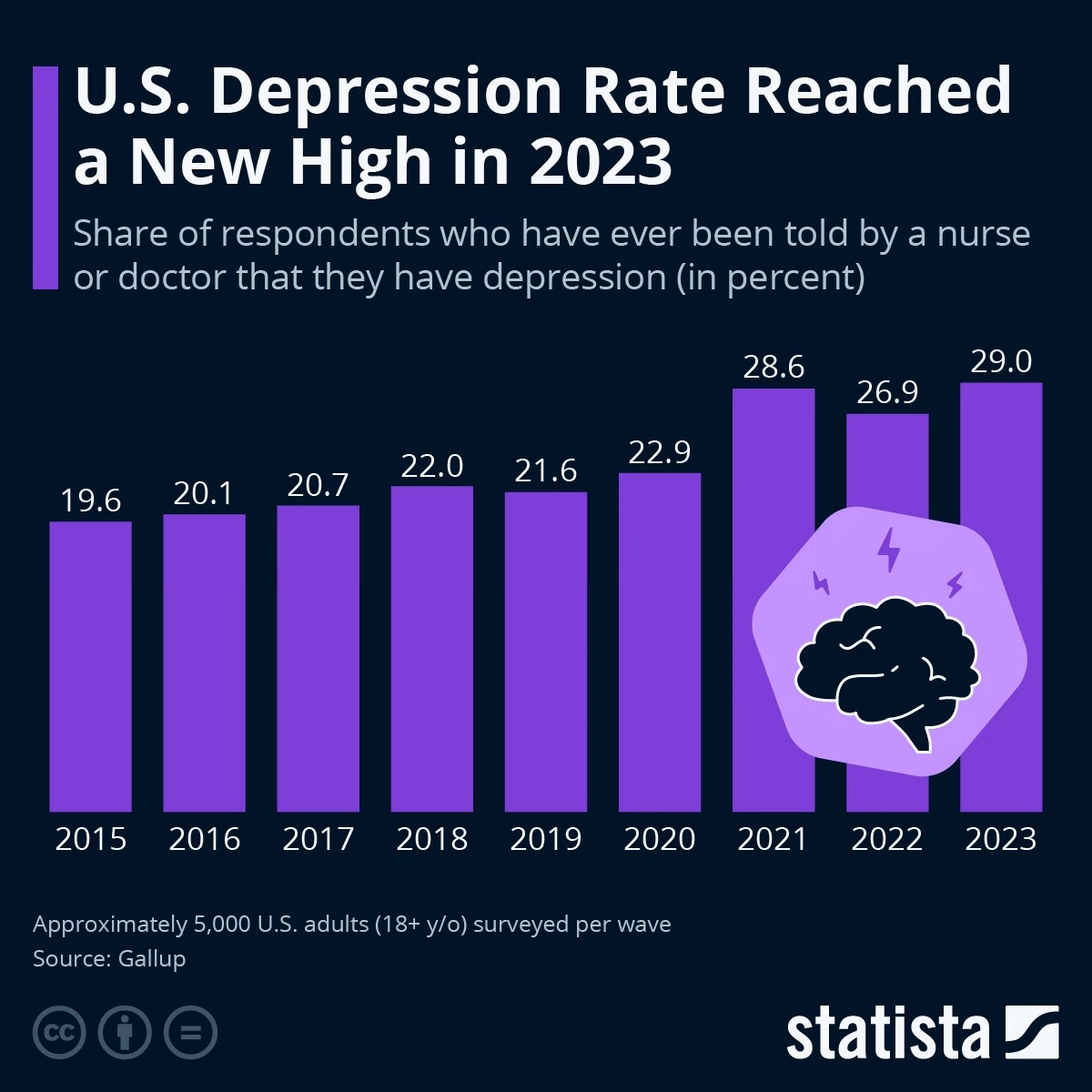
Depression diagnosis rates have seen a significant decline since the onset of the COVID-19 pandemic, raising concerns about mental health trends in the post-pandemic era. A recent study using data from the NHS OpenSAFELY network revealed that depression diagnoses are approximately 27.7% lower than anticipated, highlighting a troubling shift in how mental health is being addressed. Alongside the decline in depression, other chronic conditions have also experienced insufficient diagnosis rates, suggesting systemic issues within healthcare, particularly in the aftermath of COVID’s impact on health services. As healthcare systems grapple with the long-term effects of the pandemic, understanding these trends is crucial for ensuring that those affected receive the necessary support and care. It is imperative for policymakers to pay close attention to these statistics to improve diagnosis rates and adapt healthcare delivery for ongoing mental health challenges.
The recent shift in how mental health conditions, particularly depression, are being diagnosed and recorded calls for an urgent examination of diagnostic practices. With the advent of the COVID-19 pandemic, there has been a noticeable drop in the number of formal diagnoses, prompting questions about the true incidence of mental health disorders in the current landscape. As we consider mental wellness post-pandemic, it is vital to explore why these conditions might be going unreported or misdiagnosed. Factors such as healthcare accessibility and changes in treatment approaches may contribute to this lag, impacting chronic conditions diagnosis and overall public health. Understanding the implications of these diagnosis trends is essential for advancing mental health treatment and planning future healthcare strategies.
Understanding the Decline in Depression Diagnosis Rates
Depression diagnosis rates have seen a notable decline, particularly in the years following the COVID-19 pandemic. A comprehensive analysis revealed that depression diagnoses have reached nearly one-third lower than anticipated levels. This decline creates a pressing concern for both healthcare professionals and patients alike, as it may indicate underlying issues in identifying and treating mental health conditions. Researchers from King’s College London speculate that this trend does not necessarily mean that depression is becoming less prevalent; rather, it could reflect a troubling shift in how healthcare is accessed and managed in the post-pandemic landscape.
The implications of such low diagnosis rates can be profound. With a significant portion of the population, especially young adults aged 20 to 39, exhibiting a lack of formal diagnoses, there is a risk that many may suffer without receiving the appropriate treatment. Factors such as increased reliance on remote consultations during the pandemic may hinder the proper identification of symptoms, as physical assessments and non-verbal cues are often lost in virtual settings. As a result, it becomes crucial to address these gaps in care and explore innovative ways to improve mental health diagnosis and treatment accessibility.
COVID-19’s Impact on Long-Term Health Trends
The COVID-19 pandemic has drastically reshaped health trends, leading to significant declines in diagnoses of chronic conditions, including depression. Studies utilizing NHS OpenSAFELY data underline concerns about how the pandemic has altered health-seeking behaviors among the general population. As healthcare systems pivoted to address urgent COVID-19 cases, routine care for other chronic conditions was often deprioritized, resulting in lower diagnosis rates. Such trends are reflected not just in depression but across various chronic conditions, emphasizing the wider ramifications of a health crisis on public health.
Ongoing implications of COVID-19 extend beyond initial infection rates; they include a broader impact on mental health and chronic disease management. With hesitations surrounding clinic visits lingering, individuals may continue to avoid seeking treatment for conditions that require monitoring and management. Investigating COVID’s impact on health trends is crucial in developing strategies that ensure comprehensive care for chronic conditions and adequate mental health support moving forward.
Examining Mental Health Post-Pandemic
As society emerges from the shadows of the COVID-19 pandemic, the long-term repercussions on mental health remain a pressing concern. Many individuals experience persistent anxiety and depression due to the sustained pressure and disruptions caused by the pandemic. The observed decline in depression diagnoses, particularly among younger adults, suggests that while individuals may be grappling with mental health challenges, they often go undetected in clinical settings. New approaches to mental health care are essential to address these trends effectively.
Post-pandemic, it is vital to refocus attention on mental health initiatives to ensure no one falls through the cracks. Integrating mental health services with primary care and utilizing data-driven approaches could enhance the identification and management of depression and other chronic conditions. Policymakers and healthcare providers must work collaboratively to develop frameworks that improve access to mental health resources and ensure that individuals with depressive symptoms receive the assistance they need.
The Role of Healthcare Systems in Chronic Conditions Diagnosis
In examining the healthcare system’s role in the diagnosis of chronic conditions, including depression, it becomes apparent that systemic changes brought by the COVID-19 pandemic have had significant effects. With many healthcare providers prioritizing immediate pandemic responses, routine diagnoses and treatments for long-term health issues were overlooked. This has led to a concerning trend where individuals with chronic conditions, including diabetes and hypertension, alongside mental health disorders, have not received adequate attention, resulting in lower than expected diagnosis rates.
Improving chronic conditions diagnosis requires a multi-faceted approach. Enhancing the capacity of healthcare systems to manage both COVID-related and non-COVID-related health issues is essential. This can be achieved through increased training for healthcare providers to recognize subtle symptoms in virtual consultations, implementing comprehensive screening protocols for mental health, and ensuring that care delivery includes sustainable avenues for patients to receive necessary follow-ups and treatment.
NHS OpenSAFELY Study: A Gateway to Understanding Health Trends
The NHS OpenSAFELY study serves as a crucial resource for understanding health trends following the COVID-19 pandemic, particularly concerning the diagnosis of chronic conditions like depression. By analyzing electronic health records from millions of patients, researchers have been able to track significant declines in diagnosis rates over time. This study highlights the importance of leveraging large-scale data systems to illuminate persistent gaps in care and ensure that health interventions are grounded in real-world evidence.
Through the insights derived from the OpenSAFELY study, healthcare providers can gain a better understanding of the changing landscape of health needs. The ability to monitor disease epidemiology in near real-time not only aids in recognizing trends but also helps in tailoring responses to the unique challenges faced by different populations. The ongoing evaluation of such data is necessary for shaping future healthcare policies and practices that effectively address both current and emerging health concerns.
Investigating Gaps in Care for Chronic Conditions
The declines observed in chronic condition diagnoses, including depression, underscore significant gaps in healthcare delivery that require urgent attention. Many individuals experiencing persistent symptoms may avoid seeking help, resulting in undiagnosed cases and worsening health outcomes. The trend of lower-than-expected diagnoses is a clarion call for healthcare systems to re-evaluate strategies around patient engagement and support, particularly for mental health services, which have seen shifts throughout the pandemic.
Bridging the gaps in care demands a comprehensive approach, incorporating increased access to mental health resources, outreach programs, and greater collaboration among healthcare providers. These steps are critical in reaching marginalized populations who may have been disproportionately affected by both the pandemic and its fallout on mental health services. Enhanced efforts to promote awareness and facilitate easy access to diagnosis and treatment can ultimately help close these gaps and improve overall health outcomes.
The Importance of Remote Consultations for Mental Health
Remote consultations have become a significant aspect of healthcare delivery, especially during and after the COVID-19 pandemic. They play a pivotal role in mental health services by increasing access for individuals who may feel uncomfortable visiting facilities in person. As documented in the analysis of depression diagnosis rates, there is a need to navigate the challenges posed by this shift to virtual care, ensuring that critical non-verbal cues are not overlooked in remote assessments.
While remote consultations have distinct advantages, they may also limit the effectiveness of diagnosing certain mental health conditions. Stakeholders must explore ways to refine remote care practices, integrating advanced tools that can assist in identifying psychological distress. By establishing robust protocols for mental health screening in virtual settings, healthcare providers can better address emerging needs, thus ensuring that patients receive timely and appropriate support.
Looking Forward: Future Directions for Mental Health Policies
The findings from the recent study on depression diagnoses encourage a forward-thinking approach to mental health policies. With the understanding that many cases may remain undiagnosed, it is crucial for policymakers to prioritize mental health in the post-pandemic era. Dedicated funding for mental health initiatives, research on effective treatment modalities, and training for healthcare professionals about recognizing mental health issues within diverse populations are necessary steps.
Future directions must include an emphasis on collaborative models between mental health services and general healthcare. By combining resources and knowledge, clinicians can ensure that every patient has access to holistic care that addresses both mental and physical health needs. Adaptive policies will allow healthcare systems to respond more efficiently to the evolving landscape of mental health, fostering an environment where every individual can receive the care they deserve.
Frequently Asked Questions
What are the current depression diagnosis rates in England after the COVID-19 pandemic?
Current depression diagnosis rates in England have shown a notable decline, with statistics indicating that diagnoses are approximately 27.7% lower than expected based on pre-pandemic trends. This decrease is particularly striking among younger adults aged 20 to 39 years.
How has the COVID-19 pandemic impacted depression diagnosis rates?
The COVID-19 pandemic has had a significant impact on depression diagnosis rates. Early in the pandemic, many individuals avoided seeking care, leading to an initial decrease in diagnoses. Although there was a partial recovery in rates by late 2021, a marked decline has been observed since 2022, suggesting that ongoing pressures on the healthcare system continue to affect diagnosis rates.
What factors contribute to the low rates of depression diagnoses following the pandemic?
Several factors contribute to the low rates of depression diagnoses following the pandemic. These include patients delaying care due to fears of COVID, a healthcare system that prioritized COVID responses, and an increase in remote consultations, which may hinder the identification of non-verbal cues associated with depression.
Are there differences in depression diagnosis rates among various demographics?
Yes, the decline in depression diagnosis rates has been most pronounced among younger adults, particularly those aged 20 to 39 years. Additionally, the trends have been noted among individuals of white or mixed ethnicity, indicating demographic variances in the impact of the pandemic on mental health diagnoses.
What role does the NHS OpenSAFELY study play in understanding depression trends?
The NHS OpenSAFELY study plays a crucial role by analyzing extensive electronic health records to provide insights into depression diagnosis rates and other chronic conditions. This population-based study helps identify disparities in health outcomes and informs strategies to enhance diagnostic capabilities within the healthcare system.
How does the increase in self-referrals to NHS talk therapy services relate to depression diagnosis rates?
The increase in self-referrals to NHS talk therapy services, which accounted for 69% of all referrals from 2013 to 2024, suggests that individuals may be seeking mental health support without formal diagnoses. This trend might indicate that while formal diagnoses of depression are low, there are still many individuals receiving care for depressive symptoms.
What are the implications of low depression diagnosis rates in the context of chronic health conditions?
The low depression diagnosis rates have significant implications for chronic health conditions, suggesting that underlying mental health issues may go unaddressed, potentially exacerbating other health conditions. This highlights the need for improved diagnostic approaches and integration of mental health care into the management of chronic conditions post-pandemic.
What strategies are recommended to improve depression diagnosis rates post-COVID?
Recommended strategies to improve depression diagnosis rates post-COVID include enhancing diagnostic capacity, prioritizing routine mental health screenings, and ensuring equitable access to mental health services. Investments in healthcare infrastructure and training for healthcare providers to recognize mental health symptoms during consultations are also crucial.
| Key Point | Details |
|---|---|
| Study Background | An analysis of NHS OpenSAFELY data from England covering April 2016 to November 2024. |
| Depression Diagnosis Decline | Diagnoses are 27.7% lower than expected, one-third below anticipated rates. |
| Comparison with Other Conditions | Other conditions also show declines: Asthma (16.4%), COPD (15.8%), psoriasis (17.1%), osteoporosis (11.5%). |
| Age Group Trends | Most significant decline in young adults aged 20-39, especially among white or mixed ethnicity. |
| Potential Causes | Factors include fear of infection, healthcare system prioritization of COVID, and a shift toward remote consultations. |
| Changes in Treatment | Increased referrals to NHS talk therapy services, with 69% of referrals being self-referrals. |
| Call for Action | Need for improved diagnostic capacity and care for chronic conditions post-pandemic. |
Summary
Depression diagnosis rates have significantly decreased following the COVID-19 pandemic, suggesting potential long-term impacts on healthcare delivery. A recent study highlights that diagnoses are nearly one-third lower than expected, particularly among younger adults. Factors such as delayed healthcare access and increased reliance on remote consultations could be contributing to this decline. This signals a need for deeper investigation into the dynamics of depression diagnosis and the effectiveness of healthcare interventions in the post-pandemic landscape.
The content provided on this blog (e.g., symptom descriptions, health tips, or general advice) is for informational purposes only and is not a substitute for professional medical advice, diagnosis, or treatment. Always seek the guidance of your physician or other qualified healthcare provider with any questions you may have regarding a medical condition. Never disregard professional medical advice or delay seeking it because of something you have read on this website. If you believe you may have a medical emergency, call your doctor or emergency services immediately. Reliance on any information provided by this blog is solely at your own risk.