

Vaccine access is a fundamental pillar of public health that garners widespread support across the political spectrum in the United States. Recent polls conducted by the Partnership to Fight Infectious Disease and Research!America reveal that 93% of Americans believe every citizen should have unimpeded access to affordable vaccines. This consensus illustrates not only a collective trust in the efficacy of vaccines but also highlights a pressing need for sound vaccine policy that champions equitable healthcare. As many as 92% of participants advocate for continuous health insurance coverage for vaccines, signaling a robust commitment to maintaining public trust in physicians and healthcare systems. The overwhelming endorsement of vaccination underscores the importance of ongoing investment in science and technology to bolster the nation’s health infrastructure and its role as a global leader in medical advancement.
The topic of immunization availability resonates deeply with discussions on healthcare equality and disease prevention. Ensuring that individuals have the means to receive vaccinations is crucial, reflecting a broader commitment to community wellness and safety. Polling data shows that a significant number of respondents are in favor of policies that prioritize health access, indicating that Americans collectively envision a future where preventive measures, like vaccines, are not only accessible but widely embraced. With a wide-ranging consensus on the importance of vaccinations, it becomes clear that enhancing immunization pathways is seen as a crucial step in fostering overall public health. Hence, conversations surrounding vaccination support and healthcare reform are essential to cultivate a society that champions the health of all its members.
The Importance of Vaccine Access in Public Health
Vaccine access is a critical component of public health, ensuring that all individuals can receive preventative care to protect themselves and their communities from infectious diseases. Recent polls indicate that an impressive 93% of Americans believe that every citizen should have unhindered access to affordable vaccines. This overwhelming consensus highlights the importance placed on vaccines as a community health resource, especially in times of increased health risks such as pandemics.
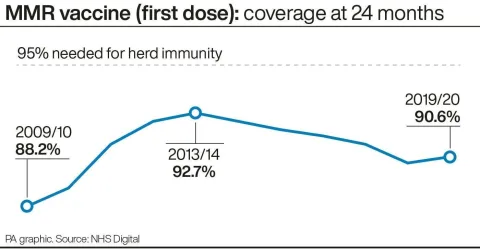
Moreover, access to vaccines is essential for achieving herd immunity, which is crucial in controlling the spread of diseases. The high level of support across various political affiliations demonstrates that the American public prioritizes health over partisan lines. With 89% of Americans agreeing on the necessity of vaccines for public health, it’s clear that vaccine accessibility is a nonpartisan issue that demands attention from policymakers.
Americans Support Vaccination Initiatives
Polls reveal a strong backing from Americans for vaccination initiatives, with 91% expressing that policymakers need to strengthen the country’s position as a leader in medical advancements. The findings reflect a public demand for proactive vaccine policies that promote availability and affordability. Importantly, 85% of Trump voters support the Make America Healthy Again initiative, underscoring that the pursuit of better public health resources transcends political beliefs.
This broad support for vaccination initiatives not only advocates for health security but also for the alignment of federal and state policies to enhance vaccine administration. Trust in physicians remains overwhelmingly positive, with 92% of Americans looking to them for guidance, which can reinforce the importance of getting vaccinated and the effectiveness of vaccines in combating outbreaks. A sound vaccine policy also fosters community trust and compliance, vital for maximizing the benefits of vaccination.
The Role of Science and Technology Investment in Vaccines
Investment in science and technology plays a pivotal role in the development of vaccines and the overall health of the nation. With 91% of Americans believing that stronger investment in research and development (R&D) is critical, there is a clear public mandate for advancing scientific frontiers to help tackle health issues. The WHO estimates that each vaccine developed can save thousands of lives, and public support is essential to ensure these developments continue.
Moreover, the commitment to R&D not only propels medical breakthroughs but also drives economic growth by creating jobs and fostering innovation. As reported, 63% of Americans indicated they would even support a minor tax increase to prop up these essential investments, demonstrating a willingness to contribute to the nation’s health infrastructure. This financial backing is crucial, especially considering that other countries are rapidly advancing in health technology, making it imperative for the U.S. to maintain its leadership in global health.
Trust in Physicians and Public Health
The polls reveal an extraordinary level of trust in physicians among Americans, with 92% acknowledging them as their primary source of information regarding health. This trust is fundamental when advocating for vaccines, as physicians play a key role in educating patients about the benefits and safety of vaccinations. High trust levels inspire confidence in vaccine programs and promote public health initiatives aimed at increasing vaccination rates across diverse demographics.
Furthermore, trust in physicians can also buffer against misinformation that often circulates during health crises, such as pandemics. Given that 78% of respondents refer to credible organizations like the American Academy of Pediatrics for further vaccine guidance, it is evident that maintaining and bolstering trust in health professionals can lead to more productive public health discussions and decisions, further enhancing the effectiveness of vaccine distribution.
Political Influences on Vaccine Policy
A significant portion of Americans, approximately 78%, voices concerns about political interference affecting vaccine policies. Such interference can create apprehensions about the integrity and effectiveness of vaccine programs. Public sentiment reveals that alterations in federal recommendations are viewed with skepticism, which raises alarms about accessible vaccine provision and public trust in health systems.
Therefore, it is crucial for policymakers to establish transparent communication channels and actively engage the public regarding vaccine policy decisions. By addressing concerns surrounding political biases, lawmakers can create a more trusting atmosphere, ensuring that vaccines are prioritized based on scientific evidence and public health needs instead of political agendas.
Community Engagement in Vaccination Campaigns
Community engagement is essential for successful vaccination campaigns. With the overwhelming support of 93% of Americans advocating for vaccine access, the need for local outreach programs has never been greater. These campaigns can target specific demographics, educating them about the importance of vaccines, debunking myths, and addressing fears. By fostering dialogue within communities, public health officials can better ensure that vaccines are not only accessible but also accepted.
Moreover, community leaders and organizations play a crucial role in facilitating these conversations. By collaborating with trusted figures within communities, vaccination campaigns can create tailored messages that resonate with different populations. This strategy can enhance understanding and encourage participation in vaccination programs, ultimately leading to better health outcomes and increased immunity levels.
The Impact of Vaccine Policies on Health Outcomes
The impact of vaccine policies directly correlates with health outcomes across populations. Strong vaccine policies that ensure access can significantly reduce the incidence of vaccine-preventable diseases, as shown in various studies. These policies include not just affordable vaccine access but also the expansion of health insurance coverage for vaccines, which is supported by 92% of respondents in the polls.
When policies prioritize vaccine access, the result is healthier communities and reduced medical costs over time. Public health data consistently shows that areas with high vaccination rates see fewer outbreaks and lower healthcare expenditures, suggesting that investing in vaccine access is also a wise economic decision. It emphasizes the necessary link between informed policies and their tangible benefits for public health.
Investing in Future Vaccination Solutions
The American public’s understanding of the importance of investing in vaccination solutions emerges strongly from recent surveys, with 91% endorsing the idea that enhanced investment in science and technology is vital. Such funding is essential not only for current vaccine development but also for innovative solutions that could address future health challenges effectively.
Continued investment in vaccine research can pave the way for rapid response capabilities to emerging infectious diseases, ensuring the safety and health of the population. The commitment to R&D not only bolsters the vaccine infrastructure but also demonstrates a proactive approach to anticipated health threats. By ensuring sustained financial and policy support for scientific endeavors, the nation can fortify its public health defenses.
Building Public Confidence in Vaccines
Building public confidence in vaccines is integral to increasing vaccination rates. Survey results show a high level of trust (92%) in physicians as primary health resources. This points to a critical opportunity for health authorities to leverage physician trust in combating vaccine hesitancy. Educational campaigns that spotlight physician endorsements can reassure the public about vaccine safety and efficacy.
Moreover, fostering an environment where healthcare professionals can openly discuss vaccine-related concerns is essential. As physicians play a pivotal role in shaping public perception, creating widespread consultation networks can help dispel misinformation while simultaneously solidifying the community’s resolve to embrace vaccines as safe and necessary health measures.
Frequently Asked Questions
What is the current support for vaccine access among Americans?
Recent polls indicate that a staggering 93% of Americans firmly believe that every individual should have unhindered access to affordable vaccines. This sentiment transcends political lines, with strong support from both Democrats and Republicans alike, underscoring the public’s recognition of vaccines as a critical public health measure.
How does political affiliation impact opinions on vaccine policy and access?
Despite political differences, a remarkable number of Americans support vaccine access, with 85% of Trump voters endorsing policies like the ‘Make America Healthy Again’ initiative. The consensus illustrates that the majority of citizens prioritize public health over partisan politics.
Why do Americans trust their physicians when it comes to vaccine access?
Trust in physicians remains robust, with 92% of Americans considering them the most reliable source for health guidance. This high level of trust plays a crucial role in fostering confidence in vaccine access and the information surrounding vaccination practices.
What concerns do Americans have about political influence on vaccine policy?
Around 78% of Americans express skepticism that political interference affects vaccine policy, leading to concerns that changes made by the federal government could restrict vaccine access. This highlights the need for transparency and a focus on scientific evidence in policymaking.
How do Americans view the role of science and technology investment in vaccine access?
The Research!America survey shows that 91% of Americans agree that the nation must lead in science and technology to enhance vaccine access and public health outcomes. With a clear acknowledgment of R&D’s role, many citizens even support tax increases to fund innovative health solutions.
What is the public perception of vaccines regarding public health?
An overwhelming 89% of Americans consider vaccines essential for public health. This perception is consistent across political parties, with high agreement rates reflecting a collective understanding of the importance of vaccines in preventing disease.
How does the public believe policymakers should ensure vaccine access?
A significant 92% of Americans advocate for policymakers to guarantee continued health insurance coverage for vaccines and ensure that vaccine access remains a priority. This reflects a strong desire for governmental accountability in public health initiatives.
What percentage of people support additional funding for research and development related to vaccines?
About 63% of Americans indicate they would support paying an additional $1 in taxes each week for enhanced investment in research and development to ensure the country’s continued leadership in medical advances and vaccine access.
| Key Point | Statistic |
|---|---|
| Support for Vaccine Access | 90% of Americans believe policymakers must ensure access to vaccines. |
| Importance for Public Health | 89% assert that vaccines are crucial for public health. |
| Political Trust and Policy Concerns | 78% suspect political interference affecting vaccine policy. |
| Support for Research and Development | 63% support a $1 weekly tax for R&D funding. |
| Government Guidance Trust | 92% trust physicians as their most reliable source of vaccine guidance. |
Summary
Vaccine access is a pressing issue in America, with nearly all Americans recognizing its critical role in public health. Recent polls show overwhelming support for ensuring every American has affordable and unhindered access to vaccines, as well as strong advocacy for continued investment in research and development. These statistics reflect a united stance across political lines on the importance of vaccines and the need for policymakers to prioritize this vital area to maintain the country’s leadership in science and technology.
The content provided on this blog (e.g., symptom descriptions, health tips, or general advice) is for informational purposes only and is not a substitute for professional medical advice, diagnosis, or treatment. Always seek the guidance of your physician or other qualified healthcare provider with any questions you may have regarding a medical condition. Never disregard professional medical advice or delay seeking it because of something you have read on this website. If you believe you may have a medical emergency, call your doctor or emergency services immediately. Reliance on any information provided by this blog is solely at your own risk.