


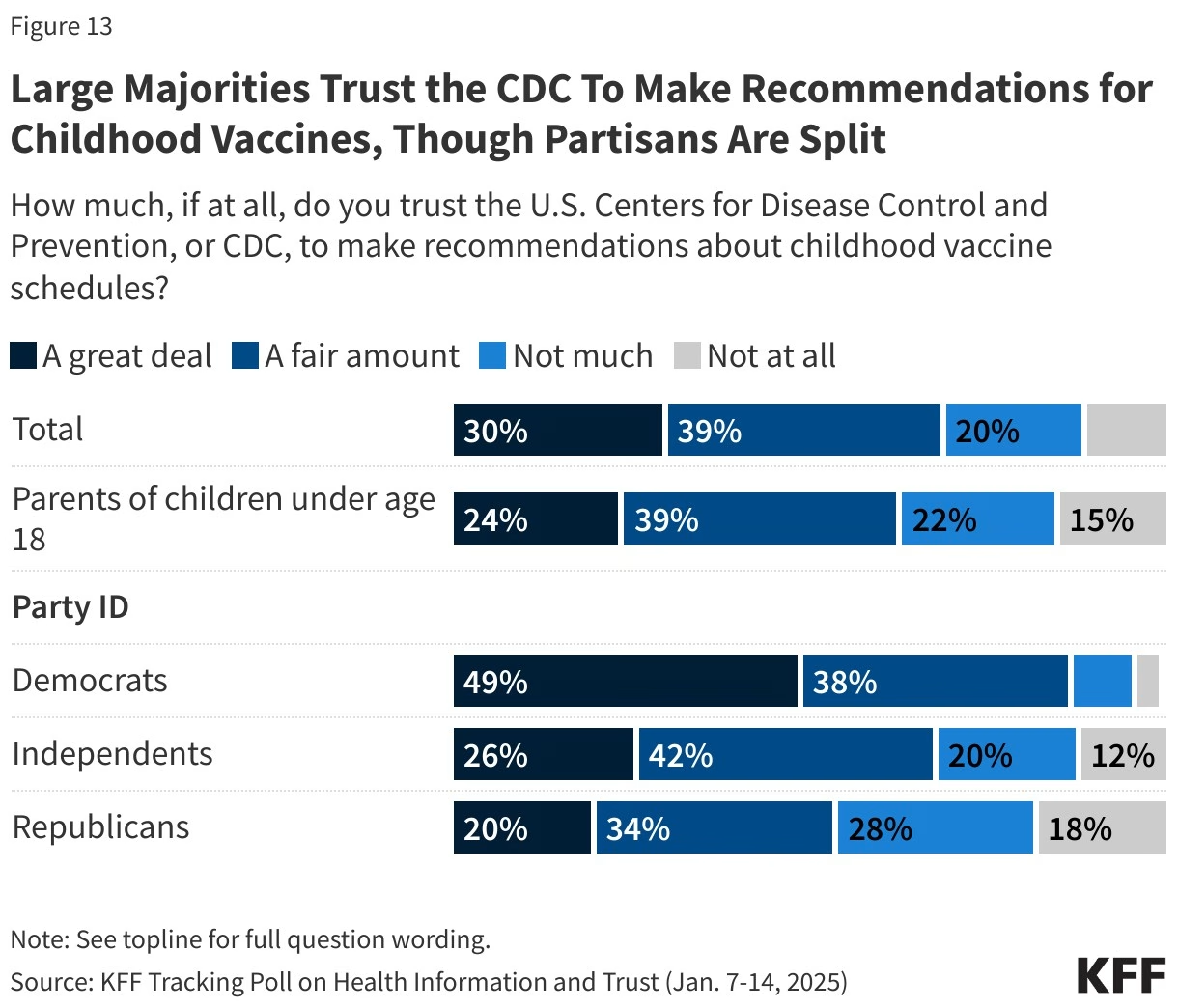
Trust in CDC is at a historic low, reflecting a profound shift in public perception towards the effectiveness and reliability of the nation’s leading health agency. A recent KFF Tracking Poll reveals that less than half of Americans currently have confidence in the CDC to provide accurate vaccine information, a stark contrast to the 85% of Americans who trusted it just six years ago. The watershed moment for this decline seems to coincide with contentious debates surrounding vaccine policy changes in 2023, which have left many questioning the CDC’s motives and expertise. Compounding this issue is the significant erosion of public health trust, particularly among Democrats, as they grapple with new recommendations affecting childhood vaccine schedules. In an era where federal health agency confidence is increasingly elusive, restoring trust in the CDC is critically needed to ensure the public’s commitment to vaccination, which remains a cornerstone of community health and safety.
Public confidence in health authorities, particularly the CDC, seems to be diminishing significantly, challenging the agency’s role in vaccine advocacy and policy. Recent transformations in vaccine recommendations, including the controversial adjustments to the childhood vaccination agenda, have raised alarms and heightened skepticism among the populace regarding the integrity of public health decisions. Concerns about the federal agency’s ability to uphold vaccine safety and efficacy standards reflect broader issues of trust that resonate throughout society. Moreover, contrasting views between political affiliations further complicate the landscape of public health trust, casting shadows on the importance of a unified strategy in vaccine communication. As the nation navigates these complexities, fostering a resilient public health framework will require bridging the trust gap that now plagues the CDC and its relationship with the American community.
Understanding Trust Issues with the CDC
Public trust in the Centers for Disease Control and Prevention (CDC) has significantly dwindled, with surveys indicating that less than half of American adults now have a great deal of trust in the agency regarding vaccine information. This diminishment contrasts sharply with the trust levels observed just six years ago, when approximately 85% of Americans expressed confidence in the CDC. The ramifications for public health initiatives are substantial, as a low level of trust can hinder the effective deployment of vaccination efforts and policy implementations.
The reasons behind the declining trust in the CDC are multifaceted. Key factors include the contentious debates that have emerged around COVID-19 guidelines and vaccine recommendations, which have left the public seeking a reliable and authoritative voice. Additionally, changes in leadership, along with the restructuring of how vaccines are recommended, further complicate the agency’s credibility. Creating an effective communication strategy and rebuilding trust in the CDC is crucial for enhancing public health measures and ensuring the success of future vaccination campaigns.
The Impact of Vaccine Policy Changes on Public Confidence
Recent vaccine policy changes have sparked significant debate and concern among the public, particularly regarding the adjusted childhood vaccine schedule. Under new guidelines, the CDC transitioned from universally recommending 17 childhood vaccines to advocating for a shared clinical decision-making model, where the decision to vaccinate against certain diseases is made collaboratively between healthcare providers and parents. This approach marks a notable shift away from the previously strict vaccination norms that many families have relied on, raising questions about the implications for public health.
Surveys indicate that these changes have not been received well, with over half of adults believing that reducing the vaccine recommendations negatively affects children’s health. As federal health agency confidence continues to fluctuate, many argue that such alterations only serve to compound distrust in an already shaky relationship between the public and health authorities. The complexity of vaccine trust issues highlights the need for enhanced public engagement strategies that emphasize transparency and the scientific rationale behind vaccine policies.
The Partisan Divide in Vaccine Trust
The divide in public trust towards the CDC not only reflects a general trend but also showcases stark partisan divisions. For example, recent data shows that trust among Democrats has decreased from 88% in September 2023 to 55% in the latest survey, while trust among Republicans remains low at approximately 43%. This disparity suggests that public health messaging may not be receiving consistent support across political lines, which complicates the overall landscape for vaccine uptake and adherence to guidelines provided by federal health agencies.
These variations in trust levels may also influence individual decisions regarding vaccinations, especially in the face of recent policy changes that have positioned the United States in a different status compared to other nations. Stakeholders in public health must consider the political context in their communication efforts, aiming to foster dialogue that resonates with various demographic and ideological groups. Strengthening the relationship with communities through tailored outreach could be pivotal in rebuilding public confidence in vaccines and CDC recommendations.
Restoring Confidence in Vaccine Safety
Compounding the challenges in public health communication is the growing skepticism surrounding vaccine safety. Only 46% of adults express at least some confidence in federal agencies’ assurances regarding vaccine safety and efficacy. Among specific vaccines, confidence varies widely; while 82% trust the safety of polio vaccines, only 48% feel similarly about COVID vaccines for children. This discrepancy is indicative of the broader context surrounding vaccine acceptance and highlights the importance of addressing specific fears and concerns via transparent communication.
To actively combat misinformation and rebuild confidence, public health officials must prioritize evidence-based discussions and community engagement efforts. Educational initiatives that clarify the rigorous testing and monitoring processes vaccines undergo can help reassure the public. By transforming the narrative around vaccine safety and demonstrating their role in preventing outbreaks, health agencies can work toward restoring trust in vaccines and encouraging higher uptakes.
The Role of Effective Communication in Building Trust
Effective communication is vital for any public health agency, especially the CDC as it navigates the challenges posed by eroding trust in vaccine guidelines. The agency’s ability to clearly explain the rationale behind vaccine changes and address public concerns through factual, science-based messaging can play a crucial role in rebuilding confidence. As people receive mixed signals about vaccine guidelines, clearer communication can help demystify the complexities surrounding vaccine recommendations and portray the CDC as a reliable source of information.
Additionally, leveraging digital platforms to disseminate timely information and actively engage with the community can facilitate a two-way dialogue. This approach enables the CDC to not only inform but also listen to the public’s concerns, fostering a greater sense of community involvement in health decisions. Building robust communication strategies tailored to diverse audiences will be essential for the CDC to regain trust and ensure successful public health initiatives moving forward.
Vaccine Confidence among Different Demographics
Confidence in vaccines is not uniformly distributed across demographics, with findings highlighting distinct variations in perceptions based on political, geographic, and age factors. Younger adults, particularly millennials and Gen Z, show signs of skepticism regarding certain vaccines, which poses a challenge for public health outreach and engagement strategies. Understanding these demographic disparities in vaccine confidence is critical for tailoring messages that resonate and ensure higher vaccination rates.
Efforts to understand the root causes of low vaccine confidence among various groups must incorporate perspectives from healthcare professionals, community leaders, and the public. Dialogues that focus on cultural competence and address specific barriers to vaccination, including misinformation and socio-economic factors, are essential in crafting an appropriate response to restore trust in vaccines. By prioritizing these conversations, public health agencies may be able to successfully navigate the complexities of vaccine hesitancy and improve overall public health outcomes.
Insights from Poll Data on Vaccine Trust
Insights from recent polling underscore the significant trust deficits faced by the CDC and other federal health agencies. With nearly 56% of respondents expressing little to no confidence in childhood vaccine recommendation processes, it is evident that the public is seeking more transparency and reliability in health messaging. Moreover, the correlation between trust levels and perceptions of vaccine safety further highlights the intricacy of health communications and the essential need for credible information.
Polling data can serve as a useful tool for public health officials to evaluate perceptions and adjust messaging strategies accordingly. By closely monitoring trends and adjusting policies based on real-time feedback, the CDC can more effectively engage with communities and rebuild a sense of trust. Analyzing these insights provides an opportunity to identify key factors that influence public opinion, potentially guiding future health campaigns toward greater clarity and effectiveness in communication.
Revisiting Vaccine Recommendations for Better Trust
Recent shifts to the childhood vaccine recommendations have raised eyebrows and fueled public distrust, particularly among parents who rely on consistent health guidelines. The CDC’s transition to a shared decision-making model suggests a move towards personalized healthcare, but it has evoked significant concerns regarding the potential implications for childhood public health. To restore trust, the CDC must consider how such fundamental changes are communicated to the public and the reasons behind them.
Ultimately, revisiting vaccine recommendations through a lens of rebuilding trust means not only reassessing the scientific basis for policy changes but also fostering ongoing dialogue with concerned communities. Transparency in the decision-making process and responsiveness to public sentiment could play significant roles in regaining credibility. By prioritizing public input and dissemination of reliable information, the CDC may gradually rekindle the trust necessary for robust vaccination compliance.
A Call to Action for Federal Health Agencies
As it stands, federal health agencies must take immediate steps to rebuild the level of trust that has dramatically declined in recent years. Establishing mechanisms to address public concerns regarding vaccines and demonstrating integrity in decision-making processes may prove vital for the CDC and its credibility. Ensuring that the public recognizes the importance of vaccines to mitigate public health risks requires a collaborative approach that integrates stakeholder input and emphasizes rigorous scientific practices.
Moreover, federal health agencies should promote educational programs aimed at dispelling myths and misinformation related to vaccines in contemporary society. Engaging with diverse communities and providing accessible information tailored to their unique contexts can help combat skepticism and promote healthier behaviors. Fostering a culture of trust and mutual respect between health authorities and the public remains pivotal for achieving successful public health outcomes in the future.
Frequently Asked Questions
What are the current trust levels in the CDC regarding vaccine information?
Public trust in the CDC has significantly declined, with less than half of Americans (47%) expressing a ‘great deal’ or ‘fair amount’ of trust in the agency to provide reliable vaccine information. This decline is particularly marked among Democrats, whose trust has fallen from 64% to 55% since September 2025.
How have recent vaccine policy changes affected trust in the CDC?
Recent changes in federal vaccine policy, such as the CDC’s updated childhood vaccine schedule that reduced the number of recommended vaccines, have not helped to rebuild trust. Over half (53%) of those aware of these changes report feeling less trust in federal health agencies, highlighting ongoing vaccine trust issues among the public.
What is the impact of the CDC’s childhood vaccine schedule changes on public health trust?
The CDC’s revisions to the childhood vaccine schedule, which moved certain vaccines to a shared clinical decision-making framework, have negatively impacted public perception. More than half of adults believe these changes will have a detrimental effect on children’s health, contributing to decreased public health trust.
Why is there a drop in confidence in federal health agencies regarding vaccines?
Confidence in federal health agencies has diminished due to perceptions that decisions are not based on scientific evidence. Only 38% of adults believe health officials make science-driven choices, while concerns about external influences persist, leading to broader trust issues in the CDC and other federal health entities.
What are the opinions on federal vaccine policy changes in 2023?
Public opinion on recent federal vaccine policy changes is largely disapproving, with 57% of Americans expressing disapproval of the new vaccine guidelines set forth by the CDC. This reflects a growing skepticism regarding the agency’s ability to manage vaccine safety and effectiveness.
How do confidence levels vary among specific vaccines?
Confidence levels in specific vaccines vary significantly. Most adults (82%) have confidence in the safety of polio vaccines, while only 48% feel similarly about COVID vaccines for children. This indicates a disparity in trust within the broader context of vaccine policy and CDC guidance.
What factors contribute to the decline in trust towards the CDC?
Factors contributing to the decline in trust towards the CDC include changes in vaccine schedules, perceived inconsistencies in public health messaging, higher partisan divides in vaccine acceptance, and the recent turnover in CDC leadership which has led to a lack of confidence in federal health guidelines.
What role does public perception play in CDC’s vaccine policy changes?
Public perception plays a crucial role in the CDC’s vaccine policy changes. As recent polling indicates, most Americans are skeptical of the effectiveness and safety of new recommendations, which ultimately erodes trust in the agency tasked with ensuring public health, particularly regarding the childhood vaccine schedule.
How can the CDC rebuild public trust in vaccine recommendations?
Rebuilding public trust in CDC vaccine recommendations will require transparency in decision-making, consistent and evidence-based messaging, engagement with the community to address concerns, and a commitment to science-driven policies that prioritize safety and effectiveness for all populations.
| Key Points | Statistics | Public Opinion | Partisan Perspectives | Vaccine Confidence |
|---|---|---|---|---|
| Public trust in CDC is low post-pandemic, especially regarding vaccines. | Trust: Less than 50% of adults (47%) trust the CDC for reliable vaccine information. | 56% of adults have little to no confidence in CDC’s recommendations for childhood vaccines. | Trust among Democrats: dropped from 88% (Sept 2023) to 55% (current). | Confidence in COVID vaccine safety for children is only 48%. |
Summary
Trust in CDC has significantly declined recently, particularly in the aftermath of vaccine schedule changes, which have contributed to widespread skepticism about the agency’s reliability. With less than half of the public expressing confidence in the CDC for vaccine information, the agency’s ability to guide public health effectively has been called into question. Partisan divides highlight a lack of consensus, with Democrats largely disapproving of the current health policies set forth by the CDC and HHS Secretary Kennedy. This situation demonstrates the urgent need for rebuilding public trust in CDC, emphasizing the importance of transparent and science-based health communication moving forward.
The content provided on this blog (e.g., symptom descriptions, health tips, or general advice) is for informational purposes only and is not a substitute for professional medical advice, diagnosis, or treatment. Always seek the guidance of your physician or other qualified healthcare provider with any questions you may have regarding a medical condition. Never disregard professional medical advice or delay seeking it because of something you have read on this website. If you believe you may have a medical emergency, call your doctor or emergency services immediately. Reliance on any information provided by this blog is solely at your own risk.