


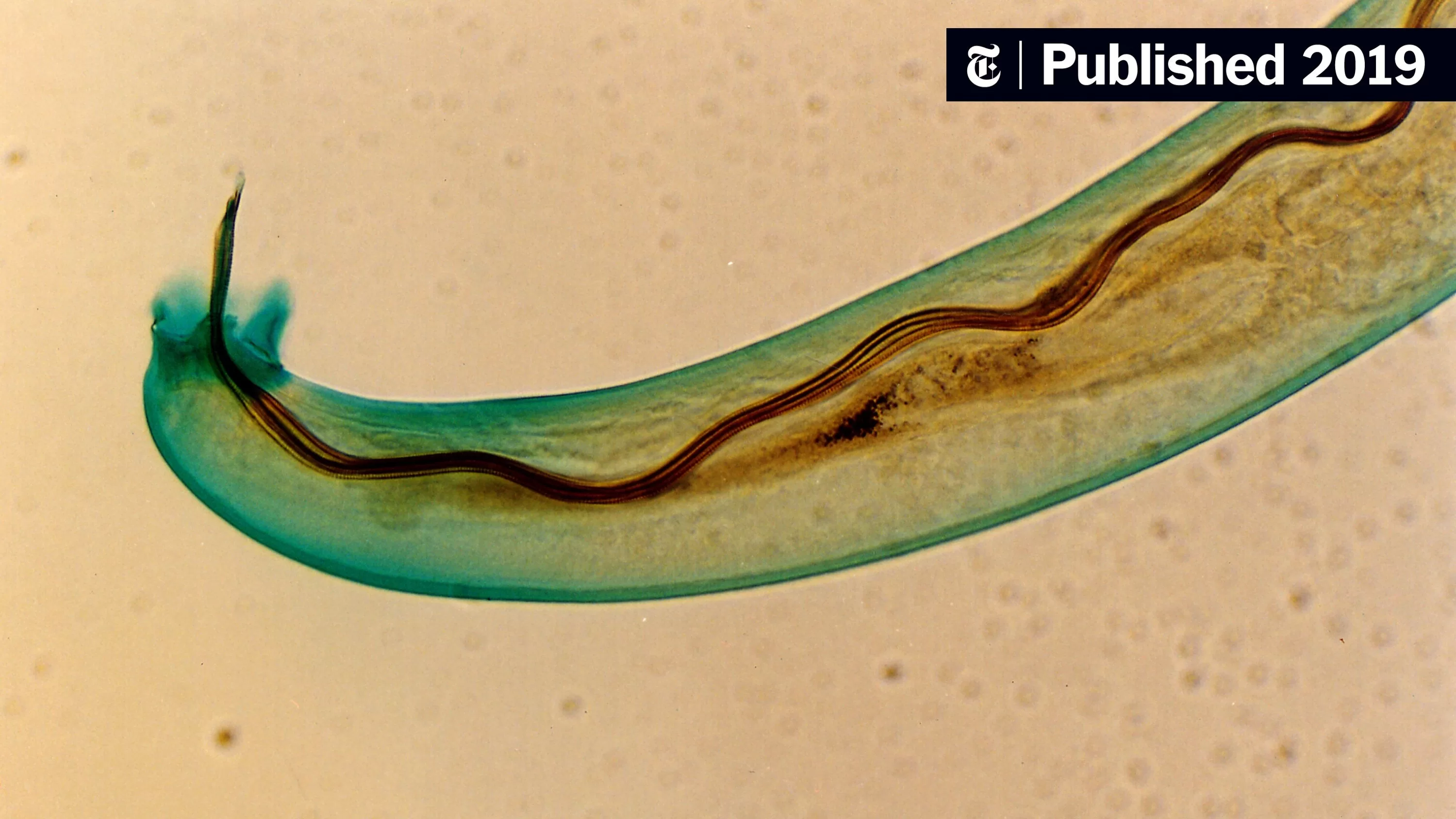
The rat lungworm, *Angiostrongylus cantonensis*, is an emerging public health concern in Georgia, USA, particularly due to its association with invasive mollusks like the apple snail and mystery snail. This parasitic worm can lead to severe neurological diseases in humans when infected snails or contaminated vegetation are ingested. Recent findings highlight the presence of *A. cantonensis* larvae in invasive species, raising awareness among recreational water users about the potential risks. Furthermore, the increase in invasive apple snails and mystery snails in aquatic environments creates challenges in managing the spread of this zoonotic pathogen. Understanding the dynamics of rat lungworm transmission is vital to enhancing public health safety in Georgia and mitigating the risks associated with this invasive parasite.
Also known as the human angiotropic nematode, rat lungworm poses significant health threats across regions in the United States, particularly in areas like Georgia. This parasite predominantly affects rodents but has adapted to utilize various gastropods, including common aquatic species like apple snails and mystery snails, as intermediate hosts for its lifecycle. The increased presence of these invasive mollusks in freshwater habitats plays a critical role in the transmission of *Angiostrongylus cantonensis*, making it essential for communities and health authorities to monitor potential exposure pathways. Attention to the ecological impacts of these snails and the risks they carry emphasizes the need for public education on the safe consumption of aquatic resources. Awareness campaigns are crucial for reducing the risk of human angiostrongyliasis linked to this invasive parasite.
Understanding Rat Lungworm and Its Hosts
Rat lungworm, scientifically known as *Angiostrongylus cantonensis*, is a parasitic infection that primarily affects rodents but has significant implications for human health. This nematode is notorious for its ability to cause severe neurological diseases in humans, often leading to conditions like eosinophilic meningitis. The lifecycle of the rat lungworm is complex, with aquatic and semi-aquatic mollusks, such as invasive apple snails and mystery snails, acting as intermediate hosts in its transmission pathway.
Recent studies have shown that the presence of *A. cantonensis* larvae in invasive mollusks, particularly in regions like Georgia, USA, raises serious public health concerns. While terrestrial snails have long been acknowledged as intermediate hosts, the discovery of infected aquatic snails stresses the need for increased monitoring and education on the risks associated with these species. Understanding the biology and ecology of this parasite and its hosts is crucial in forming effective prevention strategies.
The Role of Invasive Apple Snails in Ecosystems
Invasive apple snails, specifically *Pomacea spp.*, are known for their rapid reproduction and significant impact on freshwater ecosystems. These mollusks not only disrupt local aquatic flora but also serve as hosts for the rat lungworm, creating a pathway for the spread of this zoonotic parasite. Their presence in Georgia’s waterways has prompted ecological concerns, especially since they can outcompete native species, leading to a decline in biodiversity.
Furthermore, the potential of invasive apple snails to harbor *A. cantonensis* means that recreational water users must be cautious. The dietary habits of these snails make them a risk factor for the transmission of rat lungworm, emphasizing the need for public awareness regarding proper handling and consumption of freshwater snails. Awareness and management of these invasive species are critical in mitigating their ecological impact and protecting human health.
Mystery Snails: Another Vector for Rat Lungworm
Mystery snails, particularly *Cipangopaludina japonica*, have emerged as significant vectors for *Angiostrongylus cantonensis*, further complicating the landscape of public health regarding this parasite. They are commonly found in various aquatic environments across Georgia, making them accessible hosts for the parasite. As these snails thrive in freshwater bodies, they contribute to the complexity of controlling the spread of rat lungworm in these ecosystems.
The infection rates found in mystery snails during recent studies highlight the importance of monitoring these species closely. Identifying locations with higher prevalence helps in targeted intervention strategies aimed at reducing the risk of human infection. By increasing awareness about the risks associated with consuming infected mystery snails, public health initiatives can help mitigate potential health crises linked to rat lungworm transmission.
Prevalence of Rat Lungworm in Georgia
The incidence of rat lungworm larvae in Georgia’s aquatic environments, particularly in apple and mystery snails, presents a critical public health concern. During extensive sampling efforts, a small number of infected snails were identified, with varying prevalence across different locations. Despite the overall low rates, the findings underscore that even limited infection can lead to serious public health issues, particularly in areas frequented by recreational water users.
Monitoring the prevalence of *Angiostrongylus cantonensis* in local snail populations is essential for developing effective public health guidance. Regions such as Lake Lanier and the Ocmulgee River require regular assessments to understand the distribution of the parasite better. By establishing a systematic approach to monitoring, health authorities can implement precautionary measures to minimize human exposure to this invasive parasite.
Public Health Safety Measures Against Rat Lungworm
Understanding the dangers associated with rat lungworm is crucial for public health safety. While the total number of infected snails in Georgia remains low, it is important for individuals who engage in outdoor activities near freshwater bodies to exercise caution. The consumption of raw or undercooked aquatic snails poses a risk of meningitis and other severe health issues due to accidental ingestion of *A. cantonensis* larvae.
Public health campaigns to educate the community about the risks of handling and consuming infected mollusks are necessary. Interactive workshops or informational outreach initiatives can empower citizens with the knowledge they need to safely enjoy recreational water activities while avoiding potential infections associated with invasive species like rat lungworms.
Impacts of Invasive Species on Local Ecosystems
Invasive species such as the apple and mystery snails have profound effects on local ecosystems, influencing both biodiversity and public health. These species can alter habitat structures, displace native aquatic organisms, and create food web imbalances. The presence of *A. cantonensis* within these invasive snails adds another layer of complexity, as it emphasizes the interconnectedness of ecological health and human health.
Efforts to manage these invasive species must not only focus on ecological restoration but also on protecting public health. This includes implementing control measures that target these snail populations to prevent them from becoming reservoirs for parasitic infections. By addressing the challenges posed by invasive species, local communities can work towards fostering sustainable ecosystems that protect both biodiversity and human health.
The Lifecycle of Rat Lungworm: A Zoonotic Concern
The lifecycle of *Angiostrongylus cantonensis* is a classic example of a complex parasitic relationship impacting both animal and human hosts. The third-stage larvae of the rat lungworm can infect rats, which are its primary hosts, leading to the maturation of the parasites within their pulmonary arteries. However, it is the accidental ingestion of these larvae by humans through contaminated food sources that raises significant public health alarms.
Infected intermediate hosts, such as invasive apple and mystery snails, play a pivotal role in this lifecycle, facilitating the transmission of the parasite. As humans unknowingly consume contaminated plant materials or aquatic life, they become unintended hosts for this zoonotic parasite. Understanding this lifecycle is critical for developing effective interventions and public education programs aimed at reducing infection risk.
Preventing Rat Lungworm Transmission in Georgia
Preventing the transmission of rat lungworm in Georgia requires a multifaceted approach that combines public education, monitoring of snail populations, and personal safety measures. Recreational water users should be informed about the risks of consuming aquatic snails or untreated vegetation from potentially contaminated environments. Educational campaigns can highlight safe practices for handling these mollusks.
Moreover, establishing robust surveillance programs to track the prevalence of *A. cantonensis* in local snail populations can significantly reduce the risk of human infections. Public platforms can play a critical role in this monitoring by providing updates and alerts to communities about hotspots or outbreaks. By fostering a proactive culture regarding health and safety, Georgia can better combat the threat posed by this zoonotic parasite.
Future Research Directions on Rat Lungworm
Future research on rat lungworm and its intermediate hosts is essential for enhancing our understanding of its epidemiology and impact on public health. Leveraging advanced technologies and methodologies can help scientists identify the factors contributing to the spread of *A. cantonensis*, including environmental conditions that favor the survival of invasive snail species. A comprehensive approach that examines the interplay between the parasites and their hosts is crucial.
Collaborations between local health departments and academic institutions can pave the way for innovative research initiatives aimed at mitigating the risks associated with rat lungworm. Such efforts should focus on developing new strategies for monitoring, controlling host populations, and educating communities about this emerging infectious disease’s risks and preventive measures. The integration of ecological and health research will be instrumental in addressing the challenges posed by this invasive parasite.
Frequently Asked Questions
What is rat lungworm and how is it related to Angiostrongylus cantonensis?
Rat lungworm, scientifically known as *Angiostrongylus cantonensis*, is an invasive zoonotic parasite that primarily affects rodents but can cause severe illness in humans. It is transmitted through ingestion of infected intermediate hosts, such as snails and slugs.
How do invasive apple snails contribute to the spread of rat lungworm in Georgia, USA?
Invasive apple snails (*Pomacea spp.*) serve as intermediate hosts for rat lungworm (*Angiostrongylus cantonensis*), allowing the parasite to complete its lifecycle. In Georgia, these snails were found to harbor rat lungworm larvae, posing a risk to humans who may ingest them accidentally.
What are the health risks associated with consuming mystery snails related to rat lungworm?
Mystery snails (*Cipangopaludina spp.*) can carry rat lungworm (*Angiostrongylus cantonensis*), and ingesting them poses serious health risks, including meningitis. Proper cooking can eliminate these risks, but caution should be exercised to avoid accidental consumption.
How does the presence of rat lungworm in Georgia’s aquatic environments affect public health?
The discovery of rat lungworm (*Angiostrongylus cantonensis*) in invasive mollusks like apple and mystery snails in Georgia underscores the need for public health awareness. Individuals engaging in recreational water activities should avoid consuming potentially infected snails and vegetation to prevent infection.
What measures can be taken to reduce the risk of rat lungworm infection in Georgia, USA?
To reduce the risk of rat lungworm infection, public health guidance includes cooking snails thoroughly and avoiding consumption of aquatic hosts in areas known to harbor *Angiostrongylus cantonensis*. Education on the risks of contaminated vegetation is also crucial.
How prevalent is rat lungworm infection among mollusks in Georgia, USA?
In a recent study, a low prevalence of rat lungworm (*Angiostrongylus cantonensis*) was observed among invasive apple snails and mystery snails in Georgia, with only 14 out of 2,992 snails tested showing infection. Continuous monitoring is essential for managing potential risks.
What role do paratenic hosts play in the transmission of rat lungworm?
Paratenic hosts, including freshwater crustaceans, amphibians, and reptiles, can carry rat lungworm (*Angiostrongylus cantonensis*) larvae, allowing for incidental transmission to other animals, including humans. This increases the complexity of managing health risks associated with the parasite.
How can the public be informed about the dangers of rat lungworm in Georgia?
Public health organizations can enhance awareness of rat lungworm (*Angiostrongylus cantonensis*) hazards through educational campaigns, providing information on the risks of invasive mollusks and safe practices when engaging in water-related activities in Georgia.
Why is continuous monitoring of snail populations important for public health regarding rat lungworm?
Continuous monitoring of invasive snail populations is crucial for public health, as it helps identify potential hotspots for rat lungworm (*Angiostrongylus cantonensis*) infection. Early detection can lead to better management strategies to minimize human exposure.
What findings were reported concerning rat lungworm in aquatic environments of Georgia?
Recent findings highlighted the presence of rat lungworm (*Angiostrongylus cantonensis*) larvae in invasive apple and mystery snails within Georgia, specifically in areas like Lake Lanier and the Ocmulgee River, emphasizing the need for public health precautions in these environments.
| Key Point | Details |
|---|---|
| Parasite Overview | Rat lungworm (*Angiostrongylus cantonensis*) is a zoonotic parasite that primarily affects rodents but can cause severe illness in humans. |
| Host Species | Invasive apple snails (*Pomacea spp.*) and mystery snails (*Cipangopaludina spp.*) act as intermediate hosts. |
| Health Risks | Accidental ingestion can lead to serious health issues such as meningitis. |
| Geographical Spread | Originally from Southeast Asia, with a notable presence in the U.S. since 1960. |
| Detection Methodology | In a study, 2,562 mystery snails and 430 apple snails were tested; 14 were found infected. |
| Public Health Implications | Cooking infected snails effectively kills the nematodes; education about avoiding raw hosts is crucial. |
Summary
Rat lungworm, or *Angiostrongylus cantonensis*, is a concerning health threat as it spreads through invasive snail species in Georgia, USA. This emerging infectious disease highlights the importance of public awareness and preventive measures to avoid infection. Although cases in humans are rare, the potential for serious disease underscores the need for ongoing monitoring and education among recreational water users.
The content provided on this blog (e.g., symptom descriptions, health tips, or general advice) is for informational purposes only and is not a substitute for professional medical advice, diagnosis, or treatment. Always seek the guidance of your physician or other qualified healthcare provider with any questions you may have regarding a medical condition. Never disregard professional medical advice or delay seeking it because of something you have read on this website. If you believe you may have a medical emergency, call your doctor or emergency services immediately. Reliance on any information provided by this blog is solely at your own risk.