

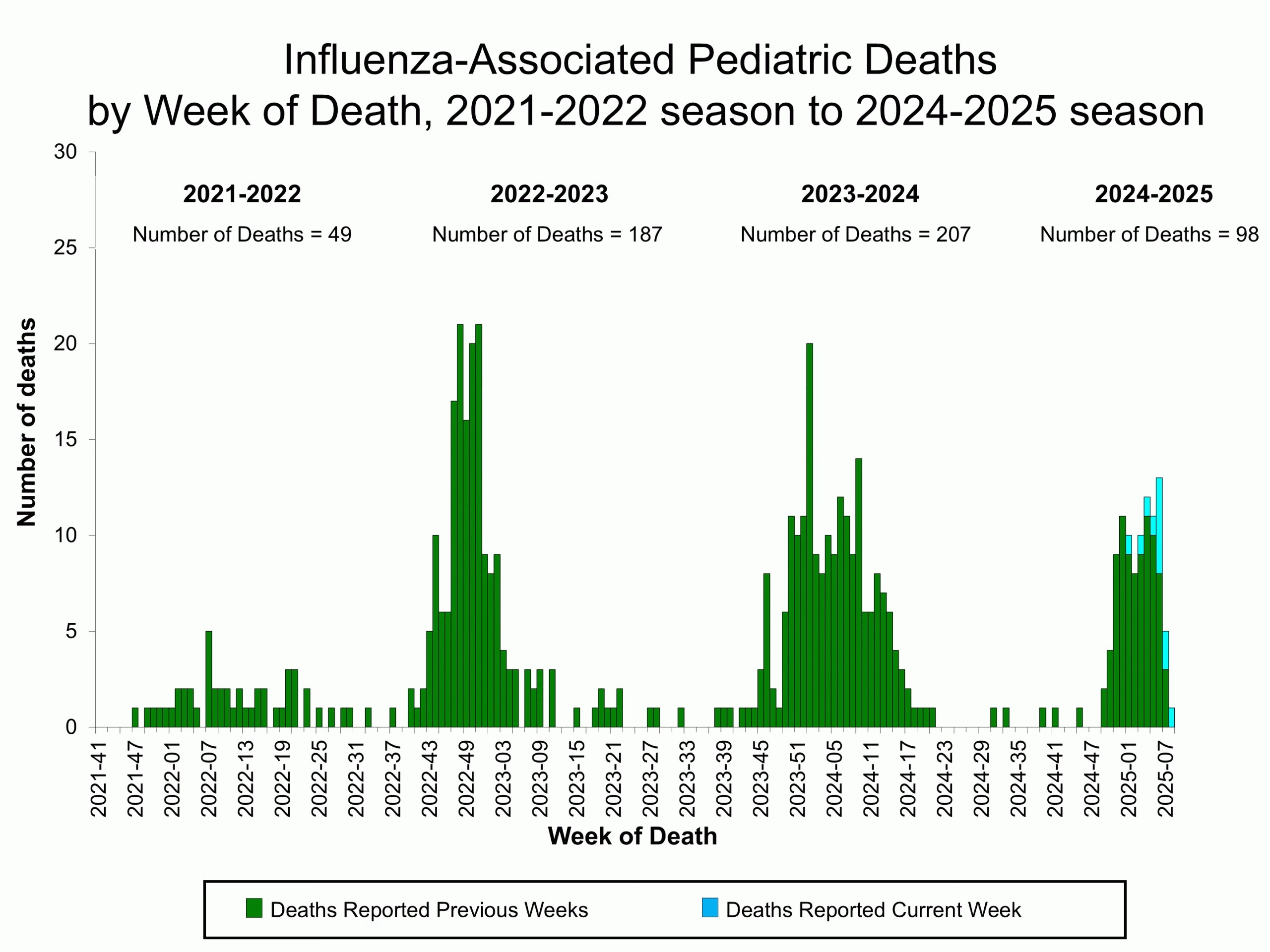
Pediatric flu deaths have become a concerning focus this flu season, as reported by the Centers for Disease Control and Prevention (CDC) in their latest FluView report. With eight additional deaths, the season’s total now stands at 60 pediatric fatalities attributed to flu complications, highlighting the critical need for pediatric influenza vaccination. Alarmingly, nearly 90% of these children were not fully vaccinated, underscoring the importance of proactive flu prevention measures. The CDC’s flu hospitalization statistics reveal a staggering 280,000 hospitalizations and a total of 12,000 deaths from influenza this season alone. Maintaining awareness of increasing influenza A and B activity is vital as seasonal influenza activity remains elevated nationally, with some regions experiencing a rise in cases.
The ongoing flu outbreak has raised alarms about the impact of influenza on children, particularly concerning the tragic occurrences of juvenile flu fatalities. As the influenza season unfolds, the recent data underscores a pressing public health issue, with many children suffering from severe influenza complications. The latest CDC flu report shines a light on the number of hospitalizations and deaths, emphasizing the need for effective vaccination strategies. As influenza A and B strains circulate, understanding their roles in overall flu activity and the importance of timely reactions is essential for safeguarding pediatric health. Therefore, increasing awareness and promoting pediatric influenza vaccination can be crucial in mitigating the risk of serious outcomes.
Pediatric Flu Deaths: A Growing Concern
The most recent CDC FluView report reveals an alarming statistic: this season has seen 60 pediatric deaths attributed to flu complications. It is particularly concerning that approximately 90% of these children were not vaccinated against influenza, highlighting the critical importance of pediatric influenza vaccination. Vaccination not only protects children from severe illness but also reduces the overall burden of hospitalization and fatality associated with the flu virus. As flu hospitalizations continue to escalate, parents are urged to prioritize flu shots for their children to mitigate the risk of potentially fatal outcomes.
The trajectory of pediatric flu deaths serves as a wake-up call for public health officials and parents alike. With tens of thousands of flu cases reported and hospitalizations reaching staggering heights, the need for awareness around influenza complications is more significant than ever. The CDC reports that a significant proportion of pediatric patients are experiencing severe outcomes, a trend that may be exacerbated by high rates of unvaccinated individuals. This ongoing health crisis underscores the need for comprehensive vaccination campaigns and immediate attention to influenza prevention strategies in children.
Trends in Pediatric Influenza Vaccination Rates
Vaccination rates among children against influenza have become a pressing issue in light of the latest data from the CDC. The report points out that immunization rates are still lower than desired, contributing to the rising number of pediatric flu deaths. With research indicating that vaccination can significantly reduce the incidence of severe illness, hospitalizations, and fatalities, health experts are pushing for improved educational and outreach efforts aimed at parents. Ensuring that children receive their annual flu vaccine can be a key factor in reducing flu complications and enhancing community immunity.
Furthermore, disparities in vaccination rates can lead to unequal protection among children in various demographics. Certain communities may have access challenges or a lack of awareness about the dangers of the flu and the benefits of vaccination. The CDC’s findings necessitate targeted interventions that focus on increasing vaccine uptake among these at-risk populations. By fostering a culture of preventative health measures through education and accessible vaccination programs, we can aim to curb the rising statistics related to pediatric influenza.
Understanding Flu Hospitalization Statistics and Trends in 2025-2026 Season
According to the CDC’s FluView report, the season is seeing a troubling increase in flu-related hospitalization rates. With over 280,000 recorded hospitalizations this flu season, health officials have raised concerns about the potential for the system to become overwhelmed given the ongoing community transmission of viruses. Notably, hospitalizations per 100,000 population have reached 63.2, significantly higher than previous years’ data. Seasonal influenza activity, especially among vulnerable populations like children, continues to pose a substantial threat as we move deeper into this flu season.
The statistics paint a stark picture of the seasonal flu’s impact on public health. Health care providers emphasize the importance of monitoring flu hospitalization statistics, not just to inform treatment practices, but also to guide prevention strategies. In regions with heightened activity, timely diagnoses and prompt treatment become crucial. Public health initiatives aimed at early detection and treatment protocols will be vital in addressing the escalating flu-related hospitalizations.
Understanding Influenza A and B Activity in the Current Season
Recent surveillance data indicates that, as is often the case during flu seasons, both influenza A and B are exhibiting distinct patterns of activity. The CDC reports that during week 4 of the current surveillance period, influenza A was detected in 76.9% of samples, while influenza B made up the remaining 23.1%. This year’s flu season exhibits a predominance of influenza A strains, which can influence treatment protocols and vaccine recommendations. The need for vigilance in tracking these strains is crucial for healthcare providers and the general public alike.
Influenza A viruses, particularly the H3N2 subtype, have demonstrated a concerning ability to adapt and evade the immunity provided by the current vaccine. This year, 91.5% of the subclade K variants collected show mutations that may bypass vaccine-induced protections. Public health responses must therefore be agile, continually assessing circulating strains to inform vaccination strategies. The ongoing analysis of influenza A and B activities will be vital as the flu season progresses, ensuring that health authorities can react accordingly to protect the population.
The Importance of Monitoring Flu Positivity Rates
Monitoring flu positivity rates is essential for understanding the full impact of seasonal influenza. The current positivity rate remains steady at 18.0%, with health experts estimating that this trend indicates a continued level of community transmission. The positivity rate offers insight into both the burden of disease and the effectiveness of public health interventions. As cases rise or fall, there is a consequential need for healthcare resources to adapt accordingly to meet patient needs.
Changing positivity rates can influence decisions on resource allocation, public awareness campaigns, and vaccination drives. Understanding these rates allows healthcare providers to prepare for potential surges in flu-related cases, particularly during peak flu weeks. Tracking the trends in flu positivity assists in implementing timely public health messaging to encourage vaccination and preventive health measures among community members.
Vaccination as a Key Strategy Against Influenza Complications
The CDC emphasizes the integral role of vaccination as the most effective strategy against influenza complications. The data reflects a concerning trend: among the children who died from flu complications this season, a vast majority were unvaccinated. Vaccination not only protects individuals but also serves to decrease the overall transmission of the virus within communities. Parents should be encouraged to vaccinate their children, particularly during seasons when flu activity is elevated and the risks of severe illness are heightened.
Ensuring that children receive their flu shot every season can significantly cut down on hospitalizations and severe flu-related complications. As evidenced by current strategies and public health recommendations, there’s an urgent call for increased flu vaccination coverage in pediatric populations. Public health entities are focusing on promoting awareness around influenza vaccination, aiming to reduce the yearly incidence of severe flu outcomes and fatalities in children, thereby enhancing the community’s health resilience against seasonal influenza.
Community Impact of Seasonal Influenza Trends
The effects of seasonal influenza extend beyond individual health; they impact communities at large. With the CDC reporting over 22 million illnesses this season, the strain on healthcare systems and resources cannot be understated. Community spread can lead to a swift increase in flu cases, resulting in substantial hospitalizations and eventually, deaths. Thus, tackling the flu’s impact requires a united community effort to promote vaccinations, flu hygiene, and timely responses to illness.
Furthermore, the trend of increasing hospitalization rates indicates that communities need to rally together to implement preventive measures effectively. Schools, workplaces, and community organizations can play a significant role in facilitating awareness and education about flu prevention strategies. Active community involvement is integral in addressing outbreaks and ensuring that preventive healthcare measures, like vaccination campaigns, reach those most in need.
Public Health Recommendations in Response to Influenza Trends
In light of the current CDC reports on influenza trends, public health recommendations have been adjusted to address the rise in flu cases. Annual vaccinations are being strongly advised for all eligible populations, particularly focusing on high-risk groups such as children and the elderly. Public health departments are intensifying efforts to educate communities on the benefits of vaccination, stressing the urgency of getting vaccinated before peak flu activity occurs.
Additionally, healthcare providers are urged to adopt proactive measures in monitoring cases of influenza-like illness (ILI) in order to offer timely treatment and reduce complications. Active surveillance and data sharing among health systems can improve responsiveness to flu prevalence, enhancing the overall capacity to manage public health effectively during flu seasons.
The Role of Influenza Surveillance in Enhancing Public Safety
Surveillance plays a crucial role in public health, especially during flu seasons when early detection can significantly impact community safety. Real-time monitoring of influenza activities allows health agencies to quickly assess trends and develop targeted responses. The CDC’s ongoing analysis of influenza A and B cases informs vaccine composition decisions and public health messaging, enabling healthcare providers to better manage the seasonal burden of flu.
Moreover, maintaining an effective surveillance system helps in identifying mutations in circulating viruses, such as those seen in the influenza A(H3N2) subtype this year. Being proactive in understanding how these strains behave can influence both treatment strategies and vaccination recommendations, making it central to public health preparedness for the current and future flu seasons.
Frequently Asked Questions
What are the latest statistics on pediatric flu deaths according to the CDC flu report?
The latest FluView report from the CDC indicates an alarming increase in pediatric flu deaths, with a total of 60 deaths attributed to influenza complications this season. These statistics underscore the ongoing seriousness of the flu, especially among unvaccinated children.
How does pediatric influenza vaccination impact flu complications and deaths?
Pediatric influenza vaccination plays a crucial role in reducing flu complications and deaths among children. The CDC reports that approximately 90% of the 60 reported pediatric flu deaths this season involved children who were not fully vaccinated against influenza, highlighting the importance of vaccination in preventing severe outcomes.
What are the flu hospitalization statistics for children this season?
This flu season, the CDC has noted at least 280,000 hospitalizations across all age groups, demonstrating the severe impact influenza can have, especially on pediatric populations. Keeping children up-to-date on their vaccinations can significantly reduce these hospitalization rates.
How is influenza A and B activity affecting pediatric flu deaths?
Both influenza A and B are active this season, with CDC reports highlighting a rise in influenza B activity. This shift may influence pediatric flu deaths, as specific strains affect vaccine efficacy and disease severity. Monitoring these trends is vital for informing public health strategies.
What measures can parents take to prevent pediatric flu deaths?
To prevent pediatric flu deaths, parents should ensure their children receive the annual pediatric influenza vaccination, particularly since 90% of pediatric flu death cases this season involved unvaccinated children. Additionally, practicing good hygiene and staying informed through CDC flu reports can help reduce infection risk.
How does the CDC define the current status of seasonal influenza activity?
The CDC states that seasonal influenza activity remains elevated nationally, with most areas reporting stable or decreasing trends. However, certain regions, such as HHS Region 10 (Pacific Northwest), are experiencing an increase in flu activity, which may affect pediatric flu hospitalization and deaths.
What is the significance of vaccination against influenza A and B for children?
Vaccination against both influenza A and B is crucial for children as it protects them from severe flu complications. Given that many pediatric flu deaths are among unvaccinated children, timely vaccinations are integral in preventing hospitalizations and fatalities during flu season.
| Key Points | Details |
|---|---|
| Total Pediatric Deaths | 60 pediatric deaths attributed to flu complications this season. |
| Vaccination Status | Approximately 90% of the deceased children were not fully vaccinated against influenza. |
| Flu Illness Estimates | Estimated 22 million flu illnesses, 280,000 hospitalizations, and 12,000 overall deaths from the flu this season. |
| Influenza Activity Trends | Overall influenza activity remains elevated with provider visits for ILI slightly above the national baseline. |
| Influenza A vs. B Activity | Influenza A activity is decreasing (76.9% of samples), while Influenza B is increasing (23.1% of samples). |
| CDC Recommendations | The CDC encourages vaccination efforts and monitoring of flu activity trends, especially in regions showing increases. |
Summary
Pediatric flu deaths have reached alarming numbers this season, with 60 reported fatalities resulting from flu complications. The majority of these tragic cases involve unvaccinated children, highlighting the critical need for vaccination among the younger population. The rise in influenza B activity, coupled with manageable levels of influenza A, underscores the broader challenges in flu management this year. Parents and guardians should be proactive in ensuring vaccinations are up to date to mitigate further pediatric flu deaths.
The content provided on this blog (e.g., symptom descriptions, health tips, or general advice) is for informational purposes only and is not a substitute for professional medical advice, diagnosis, or treatment. Always seek the guidance of your physician or other qualified healthcare provider with any questions you may have regarding a medical condition. Never disregard professional medical advice or delay seeking it because of something you have read on this website. If you believe you may have a medical emergency, call your doctor or emergency services immediately. Reliance on any information provided by this blog is solely at your own risk.