


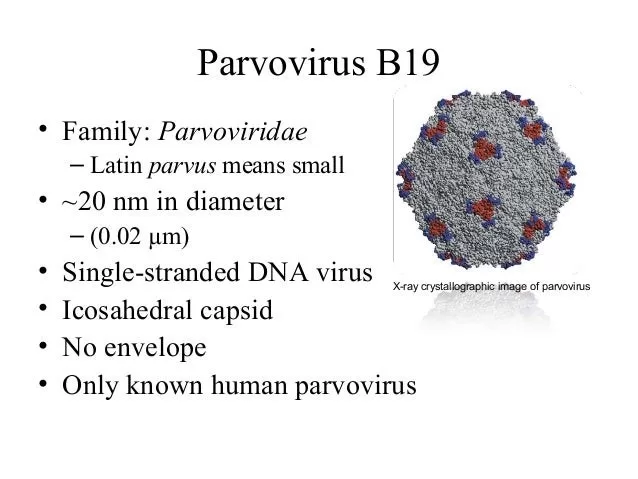
Parvovirus B19 wastewater surveillance has emerged as a crucial tool in tracking the spread of this viral infection, particularly in areas experiencing outbreaks such as Texas. Recent studies indicate that monitoring the levels of parvovirus B19 DNA in wastewater can provide valuable insights into community infections and enhance public health monitoring efforts. With the alarming rise in cases, especially among children and pregnant women at risk for complications like hydrops fetalis, wastewater tracking parvovirus presents a proactive approach to identify and manage outbreaks. This innovative form of viral surveillance in wastewater not only correlates with clinical case numbers but also underscores the need for a systematic means to prevent and address potential health crises. By utilizing such methods, public health authorities can gain a comprehensive understanding of parvovirus spread and better allocate resources during critical periods of heightened infection risk.
The practice of monitoring wastewater for parvoviral infections, often referred to as viral surveillance wastewater, plays a vital role in public health initiatives. With the recent surge in parvovirus B19 cases in the United States, particularly in Texas, this method is gaining attention as an effective way to track and manage potential outbreaks. Utilizing wastewater analysis not only provides real-time data on community infection rates but also helps identify viral concentrations linked to severe complications such as hydrops fetalis. Through these surveillance efforts, health officials can implement timely interventions to protect vulnerable populations, especially pregnant women and children. This alternative monitoring technique signifies a pivotal shift in how public health can respond to infectious disease threats in a more proactive manner.
Understanding Parvovirus B19 and Its Impact on Public Health
Parvovirus B19, a small, single-stranded DNA virus known primarily for causing fifth disease, can have significant repercussions on public health, particularly among vulnerable populations. Transmission occurs primarily through respiratory droplets, making it incredibly contagious. Symptoms typically include mild rash and fever, particularly in children, but can escalate to severe complications like hydrops fetalis in pregnant women. This condition poses grave risks to fetal health, leading to potential stillbirths or severe birth defects. Public health monitoring of parvovirus B19 thus becomes crucial in managing and mitigating outbreaks.
In recent years, there has been a notable increase in parvovirus B19 transmission rates, which highlights an urgent need for enhanced surveillance measures. Data shows a staggering rise in seroprevalence among children from less than 3% to nearly 25% within a few short years. This surge is alarming as it can lead to significant health challenges for women who are expecting, compelling public health officials to seek effective and timely monitoring systems to identify outbreaks swiftly. Understanding the implications of parvovirus B19 is crucial for protecting the population, particularly the most at-risk groups.
Wastewater Surveillance: A Tool for Tracking Parvovirus B19
Wastewater surveillance has emerged as a revolutionary technique for monitoring viruses, including parvovirus B19. By analyzing wastewater samples from treatment plants, researchers can gain insights into the prevalence of infections within a community. In Texas, during the 2023-2024 outbreak, viral concentrations in wastewater were shown to correlate significantly with clinical case numbers, providing vital information for health officials. This proactive approach enables swift public health responses, which are essential in controlling outbreaks before they escalate.
The analysis of wastewater samples helps detect the presence of parvovirus B19 at an early stage, paving the way for preventive strategies and timely alerts to healthcare providers. This method not only aids in tracking active infections but also enhances our understanding of transmission dynamics within the community. As wastewater tracking becomes more integral to viral surveillance, it offers the potential for more effective public health monitoring, significantly improving outcomes during outbreaks of infectious diseases.
A major advantage of wastewater surveillance for parvovirus B19 is its ability to provide a comprehensive picture of viral presence without the need for individual testing. This is particularly important in light of the fact that parvovirus infections are not routinely reported in the United States. Therefore, incorporating wastewater analysis into public health strategies will allow for better preparedness and resource allocation during surges, ultimately safeguarding the health of communities.
The Link Between Wastewater Tracking and Public Health Monitoring
Wastewater surveillance plays a vital role in public health monitoring, particularly in tracking the prevalence of infectious diseases like parvovirus B19. By obtaining samples from wastewater treatment plants, public health officials can identify trends and patterns of viral spread within populations. This method has proven effective during the recent parvovirus B19 outbreak in Texas. By analyzing viral concentrations, correlated clinical case numbers were observed, indicating that wastewater can serve as an early warning system for public health threats.
The integration of wastewater tracking into public health strategies offers numerous benefits. It allows for real-time updates regarding the spread of the virus, enabling healthcare systems to prepare for potential surges in cases. Moreover, the information gained from wastewater surveillance can inform the development of intervention strategies aimed at mitigating the spread of parvovirus B19, particularly among high-risk groups such as pregnant women. Coordinating with local health departments to optimize monitoring efforts can significantly enhance community resilience against viral outbreaks.
Investigating the Parvovirus B19 Outbreak in Texas: A Case Study
The outbreak of parvovirus B19 in Texas during 2024 presented an opportunity to study the effectiveness of wastewater surveillance as a tracking method. Our study involved analyzing 220 wastewater samples from two treatment plants across a span of several months. The findings revealed that parvovirus B19 DNA was detected in a significant proportion of samples, matching clinical trends observed within the community. This correlation highlights the potential of wastewater tracking as a vital tool for managing parvovirus outbreaks and emphasizes the need for routine public health monitoring.
This case study illustrated how surges in wastewater concentrations of parvovirus B19 preceded increases in reported clinical cases, underscoring the importance of leveraging environmental surveillance data. It allows for quicker mobilization of healthcare resources, educational campaigns, and awareness initiatives. Furthermore, timely data collection and dissemination can ensure that pregnant women and immunocompromised individuals are protected against the severe consequences of parvovirus B19 infections. The Texas outbreak serves as a crucial learning point for public health agencies aiming to enhance their infectious disease strategies.
Future Directions for Viral Surveillance in Public Health
As public health challenges evolve, so too must our methods in tracking and monitoring infectious diseases. Future directions in viral surveillance are pivoting towards integrating innovative technologies that enhance the efficacy of data collection and analysis. Wastewater tracking parvovirus B19 provides an example of how environmental surveillance can complement traditional health reporting and create a more nuanced understanding of disease dynamics. This evolution in surveillance will allow for more targeted interventions and improved health outcomes.
Enhanced computational modeling and machine learning applications can further refine our ability to predict outbreaks based on wastewater data. As communities seek sustainable strategies to manage infectious diseases, fostering collaborative efforts between environmental scientists and public health officials will be essential. By emphasizing interdisciplinary approaches and engaging in proactive health surveillance, we can advance public health monitoring to better address outbreaks of parvovirus B19 and other infectious diseases in the future.
Public Health Implications of Parvovirus B19 Infection
The implications of parvovirus B19 infections extend far beyond typical childhood illnesses, significantly impacting public health, especially among vulnerable populations. Pregnant women who contract the virus face heightened risks, including potential complications like hydrops fetalis or fetal demise. Low awareness regarding the severity of these potential outcomes necessitates increased public health education efforts. It is vital that health authorities communicate the risks associated with parvovirus B19 and promote awareness of infection prevention strategies.
Public health departments must strategically implement monitoring systems such as wastewater surveillance to ensure timely intervention. With the recent increase in infections within communities, the importance of comprehensive health monitoring becomes crucial. Proactive health campaigns designed to educate the community will further assist in reducing stigma and encouraging individuals—a particularly important initiative given that parvovirus B19 is often asymptomatic in adults—to seek medical guidance when symptoms arise.
Challenges in Detecting Parvovirus B19 Outbreaks
Detecting parvovirus B19 outbreaks poses unique challenges for public health authorities. The virus is often underreported; many cases go unnoticed due to mild symptoms or asymptomatic carriers. Moreover, the absence of a vaccine complicates preventative measures, making the need for effective early detection systems imperative to limit viral spread. Current public health frameworks often overlook specific viruses like parvovirus B19, highlighting the gaps that need addressing in community health responses.
The difficulties in timely identification of outbreaks also stem from the lack of reporting standards for parvovirus B19 infections. Establishing uniform reporting protocols and increasing collaboration with wastewater treatment facilities can greatly enhance surveillance efforts. By fortifying the links between wastewater data, clinical practices, and public outreach, health departments can create a more aligned and responsive public health strategy against parvovirus B19 and similar viruses.
Educational Needs and Public Awareness about Parvovirus B19
Increasing public awareness about parvovirus B19 is essential in mitigating outbreaks and reducing complications associated with the virus. Community education initiatives should focus on the transmission pathways, symptoms, and risks, particularly for pregnant women. By offering resources through schools, hospitals, and public health agencies, we empower communities to understand the implications of parvovirus infections. Information sharing becomes a preventative measure that arms individuals with the knowledge necessary to protect themselves and avoid spread.
Educational programs should also address the importance of monitoring and surveillance as tools for public health. When communities are educated on the benefits of wastewater tracking parvovirus B19, they may be more inclined to support public health initiatives aiming to enhance surveillance systems. Promoting collective responsibility and understanding of public health initiatives can foster a proactive approach to health protection, encouraging individuals to engage with health resources and report any potential outbreaks subsequently.
Integration of Technology in Parvovirus B19 Monitoring
The integration of technology into public health monitoring systems holds great promise for tracking infectious diseases like parvovirus B19. Advanced data analytics and real-time monitoring can offer unprecedented insights into infection patterns, enabling agencies to respond swiftly to surges. Utilizing wastewater surveillance in combination with mobile health applications can bridge gaps in traditional reporting methods, enhancing the speed and accuracy of public health responses to outbreaks.
Moreover, leveraging big data and cloud technologies can facilitate collaborative efforts among researchers, public health officials, and wastewater treatment facilities. By establishing comprehensive databases that merge clinical data and environmental samples, it enables teams to understand the epidemiology of parvovirus B19 better. This technologic synergy is pivotal not only for monitoring current outbreaks but also for forecasting potential future incidents, thus ensuring improved public health preparedness.
The Role of Immunocompromised Individuals in Parvovirus Spread
Immunocompromised individuals are disproportionately affected by parvovirus B19 infections, representing a critical focal point for public health strategies. Those with weakened immune systems, including cancer patients or individuals with chronic diseases, face heightened risks for severe complications, such as aplastic anemia. Their susceptibility necessitates specific attention in surveillance and protection measures, as outbreaks can lead to significant morbidity and mortality in these vulnerable groups.
As we emphasize the importance of parvovirus B19 monitoring, initiatives should prioritize enhancing protections for immunocompromised populations. Providing clear communication about the risks, symptoms, and available resources can empower individuals and caregivers. Additionally, monitoring via wastewater surveillance can help public health employers anticipate potential spikes in infections, leading to targeted interventions aimed at safeguarding those most at risk.
Frequently Asked Questions
What is the role of wastewater surveillance in tracking parvovirus B19 infections?
Wastewater surveillance plays a crucial role in tracking parvovirus B19 infections by analyzing viral DNA concentrations in sewage systems. This method can provide real-time data on community infection trends, correlating with clinical case numbers and helping public health monitoring efforts during outbreaks.
How has wastewater tracking for parvovirus B19 improved public health responses?
Wastewater tracking for parvovirus B19 has improved public health responses by identifying spikes in infection rates before clinical cases are reported. This early detection allows health authorities to implement timely intervention strategies, especially for vulnerable populations like pregnant women at risk of severe complications such as hydrops fetalis.
What findings were observed during the parvovirus B19 outbreak in Texas through wastewater analysis?
During the parvovirus B19 outbreak in Texas, wastewater analysis revealed significant correlations between viral DNA concentrations and clinical cases. For instance, peaks in wastewater concentrations were noted alongside increased diagnoses of hydrops fetalis, highlighting the effectiveness of wastewater surveillance in monitoring community health.
Why is wastewater surveillance a key method for monitoring parvovirus B19 outbreaks?
Wastewater surveillance is a key method for monitoring parvovirus B19 outbreaks because it can detect the presence of the virus in the community without the need for individual testing. This approach provides a broader assessment of viral prevalence and helps predict and manage future outbreaks, especially when reports of infection are lagging.
What complications are associated with parvovirus B19 infections in pregnant women?
Pregnant women infected with parvovirus B19 face serious complications, including hydrops fetalis, which is a severe form of fetal anemia that can lead to stillbirth. Enhanced surveillance through wastewater tracking can help identify outbreaks early, reducing the risk to pregnant women and improving health outcomes.
What is the significance of the 2024 outbreak of parvovirus B19 in relation to wastewater tracking?
The 2024 outbreak of parvovirus B19 emphasized the importance of wastewater tracking as an effective surveillance tool. The study showed significant increases in viral load within wastewater coinciding with a substantial rise in clinical cases, particularly among children and risk-prone pregnant women, reinforcing the value of this method in public health monitoring.
Can wastewater surveillance detect parvovirus B19 in the absence of clinical reports?
Yes, wastewater surveillance can detect parvovirus B19 in the absence of clinical reports. This is vital for proactive public health measures, as it allows for monitoring and response to potential outbreaks based on increased viral DNA levels in wastewater samples, aiding in the prevention of further spread.
What limitations exist in current parvovirus B19 surveillance methods?
Current limitations in parvovirus B19 surveillance methods include the lack of routine reporting to public health authorities and limited treatment options for infected individuals. Wastewater surveillance helps fill this gap by providing a continuous assessment of viral activity in communities, but it does not replace the need for individual health reporting and clinical diagnoses.
What trends were noted in parvovirus B19 seroprevalence from 2020 to 2024?
From 2020 to 2024, parvovirus B19 seroprevalence in children rose dramatically from under 3% to 24.9%. This surge coincided with the outbreak detected through wastewater surveillance, highlighting the changing dynamics of infection patterns and the necessity for effective public health tracking.
| Key Aspects | Details |
|---|---|
| Authors | Alessandro Zulli, Rebecca Y. Linfield, Dorothea Duong, Bridgette Hughes, Alexandria B. Boehm |
| Affiliations | Stanford University, Verily Life Sciences LLC |
| Study Period | December 18, 2023 – August 30, 2024 |
| Detection Rates | 40% of WWTP186, 57% of WWTP187 |
| Clinical Correlation | Wastewater concentrations correlated with clinical parvovirus cases |
| Key Findings | Wastewater analysis is effective for tracking parvovirus B19 infections and could aid in early public health interventions. |
Summary
Parvovirus B19 wastewater surveillance has emerged as a crucial technique in monitoring community infections. This method has proven to reliably correlate the concentration of parvovirus B19 DNA in wastewater with the rise in clinical cases, especially during outbreaks. By utilizing data from wastewater treatment plants, public health officials can detect surges in infections, providing timely interventions to protect vulnerable populations, such as pregnant women and immunocompromised individuals. As the prevalence of this virus increases, particularly in the context of the 2024 outbreak in Texas, enhancing wastewater surveillance may become an essential strategy for managing parvovirus B19 infections effectively.
The content provided on this blog (e.g., symptom descriptions, health tips, or general advice) is for informational purposes only and is not a substitute for professional medical advice, diagnosis, or treatment. Always seek the guidance of your physician or other qualified healthcare provider with any questions you may have regarding a medical condition. Never disregard professional medical advice or delay seeking it because of something you have read on this website. If you believe you may have a medical emergency, call your doctor or emergency services immediately. Reliance on any information provided by this blog is solely at your own risk.