


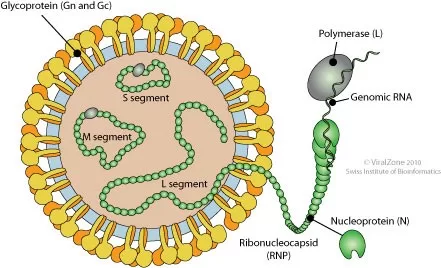
Orthobunyavirus reassortants are emerging as a significant concern in veterinary and public health, particularly evidenced by recent findings in South Africa. These novel viral variants include notable examples such as Shuni virus and Shamonda virus, both of which are transmitted by culicoides midges. The detection of orthobunyavirus reassortants, such as the Shuni/Shamonda strain in horses, underscores the importance of genomic surveillance to track these potentially fatal neurologic infections. With rising incidents of equine and livestock fatalities linked to orthobunyaviruses, it is crucial to investigate their ecology and impact on animal populations. This surge in reassortant strains emphasizes the need for vigilant monitoring to prevent outbreaks and safeguard both animal health and human safety.
The study of orthobunyavirus reassortants delves into the complex interactions of viral genomes and their host vectors. These viruses are primarily known for causing significant neurologic disorders in susceptible species, including horses and livestock. Notably, the Shuni virus and Shamonda virus have garnered attention for their association with severe clinical manifestations. As various strains circulate among culicoides midges, their potential for reassortment could lead to unpredictable shifts in virulence and transmissibility. Continued genomic surveillance is thus pivotal to understand and control the impact of these evolving viral entities on both animal and human populations.
Understanding Orthobunyavirus Reassortants in South Africa
The study of Orthobunyavirus reassortants has revealed significant implications for animal health in South Africa. Notably, the co-circulation of Shuni virus and Shamonda virus has highlighted a complex interaction that may lead to new strains capable of affecting a wider range of hosts. This genetic reshuffling allows for the emergence of novel reassortants that can adapt to different species, causing fatal neurologic infections in horses and other animals. With the increased sampling across various animal species, there is a stronger case for understanding how these reassortants pose risks to both domestic and wildlife populations.
In South Africa, the detection of a Shuni/Shamonda virus reassortant in a horse illustrates the potential dangers associated with these viral interactions. This particular case emphasizes the importance of continuous genomic surveillance in identifying such novel strains. As the landscape of orthobunyavirus evolution is influenced by factors such as climate change and vector populations like Culicoides midges, understanding these dynamics is crucial for managing public health and animal disease risks.
The Role of Culicoides Midges in Virus Transmission
Culicoides midges are vital in the transmission of various arboviruses, including Shuni and Shamonda viruses. These biting midges are not only vectors for these pathogens but also play a role in the ecological dynamics of viral reassortment. As they feed on a range of host animals, the possibility of viral genetic material exchanging between different viruses is increased, leading to the emergence of novel recombinants. Such conditions are conducive for the development of Orthobunyavirus reassortants, making it imperative to monitor midge populations closely for vector-borne transmission.
The data presented in the study highlight cases where Culicoides midges were implicated in fatal neurologic infections in horses. With an observed close genetic relationship between different strains in South Africa and those from Israel, it suggests that these midges could facilitate the international spread of orthobunyaviruses. This emphasizes the need for comprehensive strategies to control midge populations as part of broader viral surveillance and control programs.
Shuni Virus and Neurologic Infections in Animals
Shuni virus (SHUV) has emerged as a serious concern within veterinary medicine due to its association with neurologic infections in equids. The recent detection of SHUV in horses experiencing fatal outcomes serves as a critical reminder of the potential effects of this virus on animal health. Understanding the transmission routes and clinical manifestations of SHUV is essential for mitigating its impact, particularly in regions where it co-circulates with other orthobunyaviruses.
The presence of SHUV in aborted ovine fetuses further complicates the scenario, suggesting a potential risk of zoonotic transmission. Health professionals and researchers must prioritize the development of diagnostics and vaccines aimed at combating the spread of SHUV and related viruses. The ongoing surveillance of animal populations is crucial for early detection and intervention strategies to prevent outbreaks and protect both agricultural and wildlife species.
Genomic Surveillance of Orthobunyaviruses
Genomic surveillance plays a pivotal role in the detection and monitoring of orthobunyaviruses, particularly in regions with a high incidence of neurologic infections. The study highlights the need for systematic sampling and RNA extraction procedures to identify novel reassortants rapidly. By employing advanced techniques such as TaqMan real-time reverse transcription PCR, researchers can effectively pinpoint viral strains that may pose emerging threats to equine and other livestock populations.
Incorporating comprehensive genomic surveillance into public health strategies is essential for mitigating the impacts of orthobunyaviruses in Africa. Collaborations between universities and health institutions can enhance the capabilities for detecting these viruses, allowing for timely alerts and potential outbreak responses. The integration of genomic data with epidemiological insights will be fundamental in understanding the dynamics of virus transmission among animals and the risk posed to humans contracting these infections.
The Implications of Virus Reassortment in Veterinary Medicine
The emergence of Orthobunyavirus reassortants poses significant challenges to veterinary medicine, especially considering their pathogenicity in equids and other animals. The discovery of reassorted forms of viruses like Shuni and Shamonda may lead to unexpected outbreaks, complicating control measures already in place. Understanding the implications of these genetic changes is vital for diagnosing and managing animal diseases effectively. Veterinary professionals must stay informed about the evolving landscape of arboviruses and develop strategies to combat these reassortants.
Moreover, the idea that reassortants could have altered host preferences and immunological responses necessitates a reevaluation of existing vaccines and treatments. Continuous veterinary education about these emerging viruses and the recommended preventative measures will be crucial for ensuring animal health and welfare. A proactive approach involving the development of effective vaccination programs would be essential to mitigate risks associated with these novel strains.
Impact of Orthobunyavirus on Wildlife Species
Orthobunyaviruses pose a potential risk not only to livestock but also to wildlife species, as evidenced by the detection of these viruses in various animal populations. The involvement of wildlife as reservoirs highlights the intricate balance within ecosystems and the role these animals play in virus transmission dynamics. Tracking and understanding how orthobunyaviruses circulate among wildlife can inform broader ecological health assessments and foster strategies for conservation.
Detection of viruses such as Shuni and Shamonda in diverse wildlife populations underscores the need for integrated veterinary and ecological approaches. The interaction of these viruses with wildlife can lead to unforeseen consequences, potentially impacting biodiversity and ecosystem stability. Ongoing research efforts should include wildlife monitoring to evaluate the incidence of these viruses and enhance our understanding of zoonotic potential impacts.
Preventative Strategies Against Orthobunyavirus Infections
Effective preventive strategies are essential for combating the threats posed by Orthobunyavirus infections in animals, particularly those involving Culicoides midges. Managing vector populations through environmental controls, such as reducing standing water where midges breed, can significantly mitigate the risk of transmission. Moreover, public awareness campaigns aimed at educating animal owners about the signs of neurologic infections and the importance of early veterinary intervention can play a critical role in preventing outbreaks.
In addition to vector control, the development of targeted vaccination strategies for susceptible animal populations is vital. Researching the effectiveness of available vaccines against newly identified reassortants will help ensure that vulnerable animals are adequately protected. Collaborative efforts between veterinary professionals, public health officials, and researchers will be crucial in formulating comprehensive prevention strategies that optimize animal health and reduce the risk of zoonotic infections.
Zoonotic Potential of Orthobunyaviruses
The zoonotic potential of Orthobunyaviruses warrants attention, especially given the implications of viral reassortment in both animal and human health. Cases of neurologic infections linked with Shuni and Shamonda viruses emphasize the need for ongoing vigilance in monitoring animal outbreaks and understanding transmission pathways. A multi-disciplinary approach that includes veterinarians, public health officials, and researchers will be key to managing the risks associated with these zoonotic pathogens.
Furthermore, exploring the potential human health risks posed by these viruses is crucial for developing proactive health responses. Continued genomic surveillance will help identify risks early, leading to timely interventions that protect both animal and human populations. Awareness of the interconnectivity between animal health and human health is fundamental in addressing these emerging viral threats effectively.
Future Research Directions in Orthobunyavirus Studies
Future research directions should focus on elucidating the mechanisms underlying reassortment events among Orthobunyaviruses. Understanding how genetic exchanges occur between strains, particularly in the context of environmental factors and vector interactions, will be crucial. This knowledge can inform epidemiological models predicting the spread of novel viruses and guide targeted interventions to manage risks to animal populations.
Additionally, advancing genomic technologies will facilitate deeper insights into the evolution of orthobunyaviruses. Applications of next-generation sequencing and bioinformatics can aid in characterizing new strains and understanding their pathogenic potential. Efforts should also be made to ensure that data from various geographic regions contribute to a global understanding of these viruses, enhancing preparedness and response strategies on an international scale.
Frequently Asked Questions
What are Orthobunyavirus reassortants and why are they significant?
Orthobunyavirus reassortants are viruses that have undergone genetic reassortment, resulting in a new strain. They can carry traits from multiple viruses, potentially altering their pathogenicity, host range, and tissue tropism. Identifying these reassortants is crucial for understanding the evolution of viruses like Shuni and Shamonda viruses, especially given their implications for fatal neurologic infections in animals.
How does the detection of Shuni virus in horses relate to Orthobunyavirus reassortants?
The detection of Shuni virus in horses is directly related to Orthobunyavirus reassortants as the study found instances where the Shuni and Shamonda viruses reassorted. These genetic exchanges were linked to severe neurologic infections in horses, underscoring the importance of monitoring such viruses, particularly through genomic surveillance.
What role do culicoides midges play in the transmission of Orthobunyavirus reassortants?
Culicoides midges serve as vectors for Orthobunyavirus reassortants, facilitating their spread among animal populations. The study identified various reassortants in these insects, highlighting their significant role in the epidemiology of viruses like Shuni and Shamonda, which can lead to neurologic infections in horses and other species.
What are the implications of finding Shamonda virus in significant animal populations concerning Orthobunyavirus reassortants?
Finding Shamonda virus in significant animal populations implies potential risks of reassortants that can cause severe neurologic infections. The co-circulation of Shamonda and Shuni viruses raises concerns about the emergence of new strains that could affect animal health and possibly human health, necessitating ongoing genomic surveillance.
What is genomic surveillance and why is it important for Orthobunyavirus reassortants?
Genomic surveillance involves monitoring and analyzing virus genomes to detect changes and emerging strains. It is crucial for Orthobunyavirus reassortants to identify new variants early on, assess their pathogenic potential, and manage risks associated with outbreaks of neurologic infections in both animals and humans.
How can Orthobunyavirus reassortants contribute to neurologic infections in animals?
Orthobunyavirus reassortants can contribute to neurologic infections in animals by combining genetic traits from different viral strains. This reassortment can enhance virulence, change tissue tropism, and expand the virus’s host range, as seen with the Shuni approach leading to fatal neurologic conditions in horses.
Are Orthobunyavirus reassortants a threat to human health?
Yes, Orthobunyavirus reassortants pose a potential threat to human health, as some strains have been linked to birth defects and neurologic infections. The ongoing genomic surveillance aims to monitor these reassortants to identify any risks they might present to human populations, particularly in regions where these viruses circulate.
What findings were notable in the phylogenetic analysis of Orthobunyaviruses?
The phylogenetic analysis revealed close genetic relationships among SHUV strains from South Africa and Israel, evidence of reassortment between Shuni and Shamonda viruses, and several distinct reassortant strains associated with fatal neurologic infections in both horses and Culicoides midge populations. These findings highlight the complex interplay of these viruses in the field.
How does the co-circulation of Orthobunyaviruses affect their reassortants?
The co-circulation of multiple Orthobunyaviruses increases the likelihood of genetic reassortment, leading to new strains that may possess varying virulence and host range. This diversity can impact disease dynamics among animal populations and inform public health strategies to prevent outbreaks.
| Key Point | Details |
|---|---|
| Detection of Viruses | Shuni virus detected in horses and ovine fetuses; Shamonda virus in caprine fetuses. |
| Novel Reassortants Identified | Reassortants include Shuni/Shamonda, Shuni/Caimito, Shamonda/Caimito, and Shamonda/Sango viruses found in horses and Culicoides midges. |
| Study Duration | Data collected from January 2020 to February 2023. |
| Total Samples Tested | 280 equids, 35 ruminants, 53 wildlife species, 6 avian species, and 7 cats or dogs. |
| Positive PCR Results | Six out of 381 animals (1.6%) tested positive for orthobunyaviruses. |
| Fatal Cases | Four out of five identified Shuni virus infections were fatal. |
| Geographical Findings | SHUV strains show genetic relationships between South Africa and Israel. |
| Implications for Surveillance | Ongoing genomic surveillance is essential for monitoring orthobunyavirus infections in Africa. |
Summary
Orthobunyavirus Reassortants are emerging as significant threats in South Africa, with recent studies highlighting their detection in severe neurologic cases among horses and Culicoides midges. The study found various reassortants, particularly between Shuni and Shamonda viruses, suggesting their potential impact on host range and disease severity. Continual genomic surveillance is crucial to understand and manage the risks of these viruses in both animal and human populations, thereby advocating for a proactive approach in public health and veterinary practices in the region.
The content provided on this blog (e.g., symptom descriptions, health tips, or general advice) is for informational purposes only and is not a substitute for professional medical advice, diagnosis, or treatment. Always seek the guidance of your physician or other qualified healthcare provider with any questions you may have regarding a medical condition. Never disregard professional medical advice or delay seeking it because of something you have read on this website. If you believe you may have a medical emergency, call your doctor or emergency services immediately. Reliance on any information provided by this blog is solely at your own risk.