


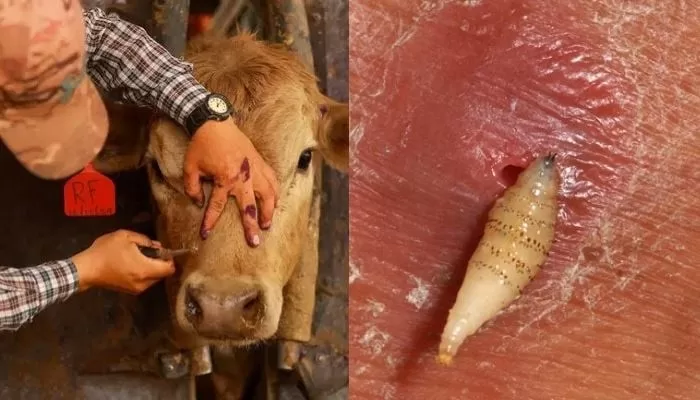
New World screwworm infection is raising alarms following a recent report of a traveler-associated human case in Maryland—the first in the United States in 50 years. This incident has prompted the Centers for Disease Control and Prevention (CDC) to bolster their NWS surveillance efforts and implement trapping strategies to monitor the parasitic fly more effectively. While health officials, including the U.S. Department of Health and Human Services (HHS), have deemed the public health risk to be very low, they are not taking any chances. The last reported instances of New World screwworm in the United States occurred in the Florida Keys in 2017, signaling a past threat that has re-emerged with this case. As activity increases in Central America, health authorities remain vigilant, prepared to mitigate any potential spread of this infection.
The emergence of New World screwworm, also known as Cochliomyia hominivorax, poses a significant challenge for public health, particularly in the wake of a recently identified human infection tied to travel. This parasitic fly is notorious for infesting warm-blooded animals, occasionally leading to rare human infections, hence the necessity for enhanced NWS surveillance. With the CDC’s proactive measures and HHS’s commitment to tracking the spread of this pest, officials aim to prevent any further incidence of traveler-associated infections. Monitoring efforts are especially critical along the Mexico-U.S. border, where increased activity has been noted. As health authorities strengthen their response strategies, the fight against New World screwworm becomes ever more crucial to safeguard both animal and human populations.
Understanding New World Screwworm Infection
The New World screwworm (NWS) infection is caused by the larvae of a parasitic fly, which primarily affects warm-blooded animals. Though typically a livestock concern, this infection can occasionally impact humans. The recent report of a travel-associated human case in Maryland serves as a crucial reminder of this potential risk. The Centers for Disease Control and Prevention (CDC) are actively monitoring and conducting surveillance to ensure such cases remain rare, focusing on both animal and human health.
According to the CDC health report, the infection is not transmissible between humans, which alleviates some public concern. The presence of NWS larvae can typically be diagnosed through clinical evaluation, especially in areas where the fly has been reported. Given that this infection was last noted in the United States 50 years ago, the vigilance shown by health authorities is aimed at preventing similar incidents in the future.
Surveillance Strategies for New World Screwworm
In response to the recent human case of NWS infection, enhanced NWS surveillance strategies have been implemented across the affected regions, including parts of Maryland and Virginia. The U.S. Department of Agriculture has initiated traps within a 20-mile radius to assess the presence of the screwworm. To date, all results indicate that there is currently no widespread risk in these areas, suggesting effective monitoring thus far.
Surveillance for NWS is crucial, especially as Central America experiences increased activity of this parasite fly. Travelers from regions where NWS is endemic may unintentionally introduce the infection, making it essential for health organizations to remain hyper-vigilant and ready to act. Through continual efforts such as trapping and environmental assessments, health agencies like the CDC hope to prevent any resurgence or outbreak within U.S. borders.
Public Health Implications of NWS Infections
Despite the low immediate risk to public health posed by the recent case of New World screwworm infection, the implications cannot be overlooked. The connection between traveler-associated infections and the emergence of zoonotic diseases underscores the importance of comprehensive public health strategies. Warnings about NWS and other similar infections should serve as a cautionary tale for travelers to endemic regions, illustrating the necessity of awareness and preventive measures.
By recognizing the severity of potential infections like NWS, health authorities can inform the public about necessary precautions. This includes monitoring symptoms, ensuring proper hygiene around livestock, and reporting any unusual health occurrences following travel. With effective communication and rapid response strategies, the current risk of NWS infections can be managed confidently.
Preventive Measures Against New World Screwworm
In light of the recent New World screwworm case, it is vital for travelers heading to endemic areas to take preventive measures. Strategies include avoiding unnecessary contact with livestock and being cautious in environments where NWS might be prevalent. Travelers should also consider seeking pre-trip consultations to understand potential risks and health precautions to avoid travel-associated infections.
Furthermore, those who work with or encounter livestock should prioritize daily health monitoring and report any signs of unusual infections. The development of a sterile-fly production facility in response to NWS outbreaks is a proactive measure ensuring communities are prepared and can efficiently manage any emerging threats. Collaboration between health departments, agriculture entities, and the public is essential to reduce the risk of infection and ensure collective safety.
The Role of Education in Preventing NWS Infections
Education plays a crucial role in preventing New World screwworm infections, particularly as public awareness can lead to prompt identification and reporting of unusual health cases. Informing both travelers and health professionals about the signs and symptoms of NWS facilitates quicker reactions to potential exposures, allowing for immediate interventions.
Public health campaigns, focused on the risks of zoonotic diseases like NWS, can promote better understanding and reporting practices among communities. As health authorities navigate this new case of NWS, educating the public about effective prevention strategies is paramount for safeguarding human and animal health.
Impact of Climate and Geography on NWS Incidence
The geographical distribution of the New World screwworm is closely tied to climatic conditions. Warmer temperatures and humid environments, typical of Central America, support the lifecycle of the screwworm and can potentially increase its incidence. As travelers move from these warmer regions into the U.S., they inadvertently carry the risk of bringing this infection with them.
Monitoring climate patterns and their effects on NWS populations can aid in future preventive health strategies. The CDC’s ongoing surveillance and partnership with agricultural departments ensure that any fluctuations in NWS activity due to changing environmental conditions are promptly addressed.
Historical Context of New World Screwworm in the U.S.
Understanding the historical context of New World screwworm infections in the U.S. is essential for grasping the significance of the recent human case. NWS was eradicated from the U.S. several decades ago, making the recent report of infection particularly alarming for public health officials. Historical data allows us to appreciate the effectiveness of surveillance and control measures that were previously enacted.
The last major detection in the U.S. was recorded in Florida in 2017, underlining the successes of eradication campaigns. Continuous monitoring and public awareness remain necessary to prevent any resurgence. Past experiences of dealing with NWS can guide the current response and ensure comprehensive protective strategies.
Future Projections for NWS Surveillance and Response
Looking ahead, the projections for NWS surveillance and response highlight the need for ongoing vigilance. The establishment of a sterile-fly production facility is a critical step in enhancing the U.S. response capabilities. This initiative signifies an investment in sustainable methods for managing potential outbreaks and protecting both humans and livestock from infections.
As health organizations adapt to changes in travel patterns and environmental conditions, proactive surveillance will remain a priority. The collaboration between multiple agencies will fortify readiness against future cases and bolster public health responses in the event of new introductions of NWS.
Conclusion: Staying Informed about New World Screwworm
In conclusion, staying informed about New World screwworm and its associated risks is vital for public health. The recent traveler-associated case serves as a reminder of the importance of awareness and understanding of zoonotic diseases. Individuals traveling to endemic areas must take precautions, while state and federal health agencies continue to implement effective surveillance strategies to monitor infection risks.
By prioritizing education and maintaining community engagement, the public can mitigate potential health threats posed by NWS. Future responses must focus on collaboration, innovation, and learning from past experiences to maintain the health safety standards established over decades of successful pest management and disease prevention.
Frequently Asked Questions
What is New World screwworm infection and its implications for human health?
New World screwworm infection (NWS) is caused by a parasitic fly that primarily affects warm-blooded animals, but human cases are exceptionally rare. Following a recent report of a traveler-associated NWS infection in Maryland, health authorities, including the CDC, have emphasized that the current risk to public health in the U.S. is very low.
How does the CDC monitor New World screwworm infection in the U.S.?
The CDC conducts surveillance for New World screwworm (NWS) infections, particularly after reported human cases. In response to recent findings, the CDC and HHS have implemented targeted trapping strategies within a 20-mile radius of the affected area, including parts of Maryland, Virginia, and D.C., confirming that trap results have been negative for NWS so far.
What measures are being taken to prevent New World screwworm infection in travelers?
To prevent traveler-associated New World screwworm infection, health officials are increasing surveillance, especially along the Mexico-U.S. border, where NWS activity is currently heightened. Additionally, the establishment of a domestic sterile-fly production facility aims to improve the response to future NWS outbreaks.
Where have the last reported cases of New World screwworm infection occurred?
The last reported cases of New World screwworm infection in animals in the United States were in the Florida Keys in 2017, with no further detections since. The recent human case in Maryland marks the first in 50 years, highlighting the importance of vigilance and surveillance against NWS.
What is the significance of the recent traveler-associated human case of New World screwworm infection?
The recent traveler-associated human case of New World screwworm (NWS) infection in Maryland is significant as it represents the first occurrence in the U.S. in five decades, prompting health agencies to reinforce monitoring strategies. Despite this case, officials maintain that the risk to public health remains very low.
Can New World screwworm affect human health, and if so, how?
While New World screwworm primarily affects animals, rare human infections can occur, typically in individuals exposed to the parasite through travel to affected regions. The CDC advises that the risk of NWS infection to humans in the U.S. is very low at this time.
What can travelers do to protect themselves from New World screwworm infection?
Travelers to areas where New World screwworm infection is prevalent should avoid contact with warm-blooded animals and report any unusual wounds or infections to health professionals. Staying informed about CDC travel advisories is also crucial for minimizing the risk of NWS.
What is the role of the U.S. Department of Agriculture in New World screwworm surveillance?
The U.S. Department of Agriculture plays a vital role in surveillance of New World screwworm (NWS) by conducting trapping initiatives in areas surrounding reported cases. This approach helps monitor NWS activity and prevent potential outbreaks in livestock and wildlife.
| Key Point | Details |
|---|---|
| Recent Case Report | First human case of New World screwworm infection in the U.S. in 50 years, reported in Maryland. |
| Public Health Risk | The risk to public health in the U.S. from this case is considered very low according to HHS. |
| Surveillance Measures | USDA initiated surveillance within a 20-mile radius of the affected area, with trap results negative for NWS. |
| Previous Reports | The last report of NWS in animals in the U.S. was in Florida Keys in 2017. |
| Current Trends | Central America is seeing increased NWS activity, prompting heightened surveillance along the Mexico-U.S. border. |
| Preparedness Efforts | HHS establishing a sterile-fly production facility to bolster response efforts. |
Summary
New World screwworm infection has recently come to light with a traveler-associated case reported in Maryland, marking the first occurrence in humans in the United States in half a century. This situation highlights the importance of effective surveillance and prevention strategies, led by the CDC and HHS, to mitigate any potential risks. Despite the recent case, the public health risk remains low, with proactive measures being taken to monitor and control the spread of this parasitic infection, especially given the uptick in activity in Central America. Continued vigilance and preparedness are essential to preventing future infections.
The content provided on this blog (e.g., symptom descriptions, health tips, or general advice) is for informational purposes only and is not a substitute for professional medical advice, diagnosis, or treatment. Always seek the guidance of your physician or other qualified healthcare provider with any questions you may have regarding a medical condition. Never disregard professional medical advice or delay seeking it because of something you have read on this website. If you believe you may have a medical emergency, call your doctor or emergency services immediately. Reliance on any information provided by this blog is solely at your own risk.