

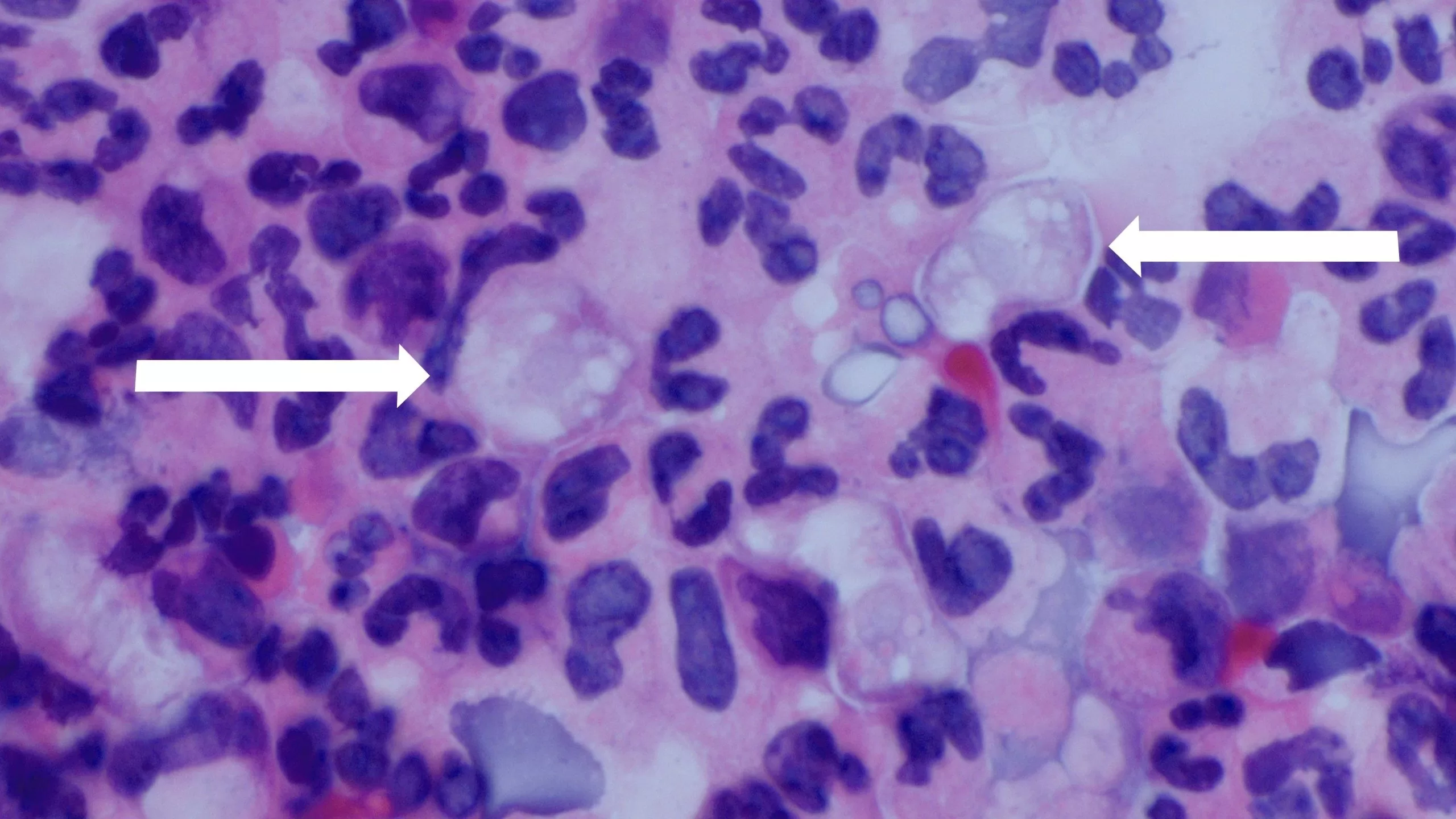
Naegleria fowleri infection, commonly known as infection by the brain-eating amoeba, poses a serious health threat for individuals who come into contact with warm freshwater. This single-celled organism thrives in natural bodies of water, like lakes and rivers, leading to deadly primary amoebic meningoencephalitis (PAM) when introduced through the nose. Recent reports from Missouri highlight a confirmed case of this rare but fatal infection, emphasizing the importance of water safety to prevent such tragedies. Public health officials are currently investigating the source, pinpointing recent waterskiing activities at Lake of the Ozarks as a possible exposure site. With fewer than 10 cases reported in the U.S. annually, awareness and caution surrounding Naegleria fowleri infection are crucial for overall community health and safety.
The infection caused by the brain-eating amoeba, scientifically termed Naegleria fowleri, represents a significant public health concern, particularly during warm weather months when people are more likely to engage in recreational water activities. Often referred to in health alerts and safety warnings, this devastating condition can emerge almost unexpectedly when contaminated water is inhaled through the nose. The alarming nature of PAM, the severe brain infection it causes, and its association with water exposure underscores the need for ongoing vigilance and education regarding waterborne pathogens. In light of recent outbreaks and alerts, such as those concerning Vibrio species and Legionnaires disease, raising awareness about the risks associated with freshwater bodies is essential for public health safety.
Understanding Naegleria fowleri Infection and Its Risks
Naegleria fowleri, often dubbed the ‘brain-eating amoeba’, is a free-living organism that poses significant risks during warm weather. This amoeba is primarily found in freshwater environments, such as lakes, rivers, and hot springs. Infection with Naegleria fowleri occurs when contaminated water enters the body through the nostrils, allowing the amoeba to travel to the brain, where it can cause a devastating condition known as primary amoebic meningoencephalitis (PAM). Due to its rarity, awareness of its existence is crucial, especially for individuals engaging in recreational water activities like swimming or waterskiing at places like the Lake of the Ozarks, where this recent case originated.
The Missouri Department of Health’s recent announcement about a confirmed case of Naegleria fowleri infection serves as a vital public health alert. Fewer than 10 cases are reported annually in the United States, highlighting the severity of PAM when it occurs. While the chances of infection are slim, the severe health implications necessitate a heightened awareness and understanding of safe water practices when enjoying freshwater environments. For residents and visitors, knowing the risks associated with water exposure during warmer months can help spur preventive measures to minimize any potential contact with this brain-eating amoeba.
Vibrio Vulnerabilus: The Rising Threat in Coastal Waters
In addition to Naegleria fowleri, another significant health concern is linked to Vibrio species, particularly Vibrio vulnificus. The Massachusetts Department of Public Health (DPH) has issued warnings after a rare case of vibrio infection was detected in Buzzards Bay. Vibrio vulnificus thrives in warm, coastal waters, posing serious risks to those with open wounds or those who consume contaminated seafood. The alert follows an alarming trend, with 71 confirmed vibrio infections reported this year in Massachusetts, leading to hospitalization for nearly a third of cases. This emergence aligns with escalating temperatures in water bodies, emphasizing the need for vigilance among beachgoers.
Public health officials stress the importance of water safety to prevent Vibrio infections. For individuals with pre-existing conditions or compromised immune systems, the presence of Vibrio in warm coastal waters can be particularly harmful and even deadly. Simple precautions, such as avoiding swimming with open cuts and ensuring shellfish are fully cooked, can significantly reduce the risk of infection. As warmer waters become more conducive to the growth of vibrio bacteria, proactive measures and public health campaigns will be essential in managing and educating communities about the risks associated with exposure.
Legionnaires Disease: An Ongoing Public Health Concern
The recent outbreak of Legionnaires disease in Central Harlem, which has reported 92 cases, illustrates the persistent threat this bacterial infection poses to public health. Legionella bacteria thrive in warm water environments, particularly in cooling towers, and can cause severe respiratory illness when inhaled. The New York City Health Department has actively been monitoring and testing the water supply, ensuring that any confirmed hazards are treated promptly to protect the community from further infection. Hospitalizations have increased, highlighting the urgent need for constant vigilance and adequate response measures in urban infrastructures where large cooling systems are present.
As officials continue to investigate sources of the outbreak, residents are encouraged to remain informed about the symptoms of Legionnaires disease, which can mimic flu-like conditions. Understanding the means of transmission and recognizing risk factors associated with water exposure will be crucial for public safety. The health department’s ongoing efforts to sample and treat water sources further emphasize the importance of water safety protocols, which aim to control the spread of this potentially life-threatening illness across metropolitan cities.
The Importance of Water Safety Awareness
The recent health alerts about Naegleria fowleri and Vibrio vulnificus underline the critical need for water safety awareness among the public, especially during peak recreational seasons. Engaging in activities that expose individuals to freshwater or marine environments increases the likelihood of encountering harmful pathogens. Thus, educational campaigns that focus on highlighting safe practices—such as avoiding warm stagnant water for swimming and ensuring proper wound care when in aquatic environments—will play a significant role in minimizing health risks associated with these organisms. Communities that implement water safety education can better prepare residents for recreational activities, ensuring a safer and healthier experience.
Public health organizations and local departments are strategically positioning themselves to provide resources and information to facilitate safer water activities. Knowing the potential risks of waterborne pathogens encourages individuals to take preventative actions. This proactive approach can lead to a reduction in the incidence of infections caused by Naegleria fowleri and Vibrio species, thereby enhancing overall community health. Ultimately, fostering an environment of awareness and education can empower individuals to enjoy water activities responsibly while minimizing the health risks associated with these notorious waterborne threats.
Community Response to Emerging Waterborne Pathogens
The emergence of pathogens like Naegleria fowleri and Vibrio vulnificus has brought communities together in an effort to manage and respond to public health risks. Local health departments are crucial in disseminating information and mobilizing community resources to effectively address these threats. By establishing rapid response protocols and encouraging public engagement, communities can enhance their preparedness for potential outbreaks. The collaboration between public health officials, healthcare providers, and community organizations is vital in fostering a collective response to educate the public and tackle these waterborne illnesses.
Moreover, community outreach programs that emphasize proper hygiene practices and water safety can significantly bolster public health. Equipped with knowledge and resources, residents are better prepared to minimize their risk of exposure. As seen with the Legionnaires disease outbreak, the timely reporting and treatment of water sources help contain the spread of infectious agents. This integrated community response fosters resilience and promotes public health safeguards, ensuring that individuals remain informed and vigilant against emerging threats posed by waterborne pathogens.
Seasonal Outbreaks and Their Implications for Public Health
Seasonal fluctuations in temperature often correlate with increases in waterborne infections, notably those caused by pathogens like Naegleria fowleri and Vibrio species. Warmer water temperatures provide optimal conditions for these organisms to thrive, raising concerns during the summer months when outdoor recreational activities peak. Public health officials are tasked with monitoring these trends and implementing strategies to protect community health. Such measures include ramping up awareness campaigns, offering guidance on safe practices, and employing preventive interventions that can reduce risks associated with water exposure.
The implications of seasonal outbreaks extend beyond immediate health concerns; they signify broader public health challenges. An increase in reported infections can overwhelm healthcare systems, calling for effective management strategies. Moreover, understanding the environmental factors that contribute to higher rates of infection helps inform policy and resource allocation. It’s imperative that communities remain alert and responsive to these patterns to mitigate health impacts and ensure a safe environment for residents and visitors alike.
Innovations in Water Safety Technologies
As public health concerns related to pathogens such as Naegleria fowleri and Vibrio species rise, innovations in water safety technologies are emerging as vital tools in combating these threats. State-of-the-art filtration systems, advanced monitoring techniques, and real-time water quality testing are among the various solutions that can enhance the safety of water bodies. Employing these technologies not only provides peace of mind for recreationalists but also plays a significant role in preventing outbreaks. The integration of modern scientific advancements with traditional water safety practices can help ensure that public health is prioritized.
Furthermore, municipalities are beginning to adopt comprehensive water management systems that incorporate the latest research and technological advancements. These systems monitor water environments for contamination levels, enabling swift responses to potential health risks. By investing in innovative water safety technologies, communities can proactively address concerns surrounding waterborne pathogens, reducing the incidence of related illnesses and ultimately safeguarding public health.
Educating the Public on Waterborne Illnesses
Education is a cornerstone in the fight against waterborne illnesses, especially with the rise of infections caused by Naegleria fowleri and Vibrio vulnificus. Public health campaigns designed to inform residents about the dangers associated with specific water environments can effectively reduce risks. Such outreach efforts often focus on educating individuals about safe swimming practices and the importance of proper first aid for wounds exposed to water. Empowering the public with knowledge encourages responsible behavior and contributes to a safer community experience.
Moreover, schools and community organizations play a significant role in fostering awareness of waterborne pathogens and safety measures. By incorporating water safety education into curricula and community programs, residents become more aware of the potential risks associated with recreational activities. When individuals understand the conditions that lead to infections and the necessary precautions to take, they are more equipped to engage in safe water practices. This collective knowledge not only enhances individual safety but also strengthens community resilience against infections.
Collaborating for Better Water Management Practices
The fight against waterborne pathogens such as Naegleria fowleri and Vibrio species necessitates collaboration among various stakeholders in public health, environmental management, and community organizations. Effective water management practices require the integration of expertise from multiple disciplines to develop comprehensive strategies for monitoring, prevention, and response. By fostering partnerships between local health departments, environmental specialists, and the community, it becomes possible to create a cohesive approach to maintaining water safety. Collaborative efforts ensure that all voices are heard, leading to more effective public health outcomes.
Communities should also engage with scientists and researchers to stay informed about emerging threats and advancements in water safety management. Through public forums and workshops, residents can learn about the latest findings and contribute to discussions on improving water quality. This collaborative approach not only enhances awareness but also encourages proactive participation in efforts to safeguard public health given the growing issues posed by waterborne pathogens.
Frequently Asked Questions
What is Naegleria fowleri infection, and how does it affect the brain?
Naegleria fowleri infection is caused by a free-living amoeba commonly known as the brain-eating amoeba. It typically causes a rare but severe brain infection called primary amoebic meningoencephalitis (PAM) when contaminated water enters the body through the nose. Once in the brain, the amoeba can rapidly destroy brain tissue and lead to severe symptoms and often death.
How can Naegleria fowleri be contracted while engaging in water activities?
Naegleria fowleri can be contracted during warm-water activities, such as waterskiing, swimming in lakes, or using hot springs. The amoeba is often found in freshwater sources like lakes and ponds, and it enters the body through the nose when water is forcefully inhaled or when diving.
What are the symptoms of a Naegleria fowleri infection?
Symptoms of a Naegleria fowleri infection usually start within 1 to 14 days after exposure and may include severe headache, fever, nausea, vomiting, and stiff neck. As the infection progresses, it can lead to seizures, altered mental status, and coma, often resulting in death within days.
How can public health alerts help prevent Naegleria fowleri infections?
Public health alerts play a crucial role in increasing awareness about Naegleria fowleri infections. By providing information on safe water practices and risks associated with water activities, health departments help individuals reduce their chances of exposure to the brain-eating amoeba.
Is there a treatment for Naegleria fowleri infections?
Currently, there is no proven treatment for Naegleria fowleri infections, and the majority of cases are fatal. However, early diagnosis and aggressive medical intervention may improve chances for recovery, and clinical trials with investigational drugs are ongoing.
What precautions should be taken to avoid Naegleria fowleri infection while swimming?
To avoid Naegleria fowleri infection, individuals are advised to avoid swimming in warm freshwater, particularly during the summer months. It is also recommended to wear nose clips, avoid submerging the head, and refrain from stirring up sediment at the bottom of warm lakes and hot springs.
What is the significance of recent Naegleria fowleri cases in Missouri?
The recent report of a Naegleria fowleri infection in Missouri highlights the rare, yet dangerous nature of this brain-eating amoeba. Health officials are investigating the case to determine the exposure source, underscoring the need for increased awareness of water safety and preventative measures.
How does Naegleria fowleri compare to other waterborne pathogens like Vibrio vulnificus?
While Naegleria fowleri and Vibrio vulnificus both pose health risks in aquatic environments, they differ in transmission and symptoms. Naegleria fowleri causes severe neurological damage through nasal exposure in freshwater, while Vibrio vulnificus usually leads to wound infections or gastrointestinal illness from saltwater exposure or contaminated shellfish.
What role does water safety play in preventing Naegleria fowleri and other infections?
Water safety is crucial in preventing infections like Naegleria fowleri and Vibrio vulnificus. Following safety guidelines, avoiding warm stagnant waters, and being cautious of open wounds in aquatic environments can significantly reduce the risk of contracting these infections.
What should individuals do if they suspect a Naegleria fowleri infection?
If someone suspects a Naegleria fowleri infection due to symptoms like severe headache and fever following water exposure, they should seek immediate medical attention. Early diagnosis is vital to explore potential treatment options.
| Key Point | Details |
|---|---|
| Naegleria fowleri | A single-celled free-living amoeba causing a rare and deadly brain infection called primary amoebic meningoencephalitis (PAM). |
| Recent Case | A lab-confirmed Naegleria fowleri infection in an adult in Missouri. The patient is currently in ICU and the infection source is under investigation. |
| Exposure Risk | Infection typically occurs when contaminated water enters through the nose, often during freshwater activities, such as waterskiing. |
| Frequency of Cases | Fewer than 10 cases of PAM are reported annually in the US. |
| Other Health Alerts | Warnings issued for Vibrio bacteria in Massachusetts coastal waters and a Legionnaires disease outbreak in NYC. |
Summary
Naegleria fowleri infection is a rare but serious condition caused by a brain-eating amoeba found in warm freshwater environments. The recent case reported in Missouri highlights the dangers associated with exposure to natural bodies of water, particularly through activities like waterskiing. Understanding the risks and symptoms associated with this infection is crucial for prevention, as fewer than 10 cases are documented each year in the United States. Stay informed and take necessary precautions to minimize exposure to Naegleria fowleri.
The content provided on this blog (e.g., symptom descriptions, health tips, or general advice) is for informational purposes only and is not a substitute for professional medical advice, diagnosis, or treatment. Always seek the guidance of your physician or other qualified healthcare provider with any questions you may have regarding a medical condition. Never disregard professional medical advice or delay seeking it because of something you have read on this website. If you believe you may have a medical emergency, call your doctor or emergency services immediately. Reliance on any information provided by this blog is solely at your own risk.