


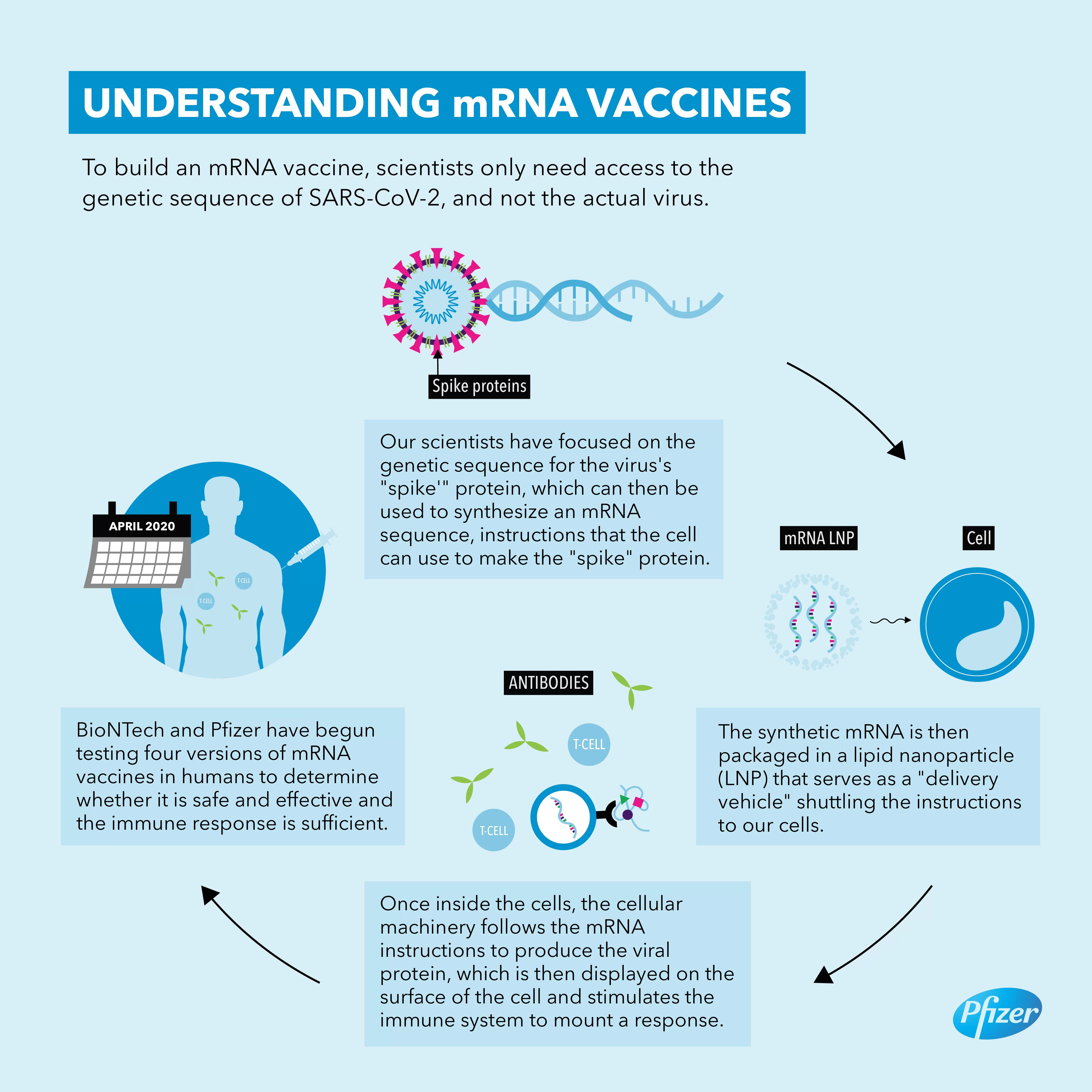
The recent developments in mRNA vaccine development represent a significant turning point in biomedical research and pandemic response strategies. HHS’s halting of mRNA vaccine programs has raised serious concerns about vaccine preparedness, especially as the world grapples with ongoing health threats like avian flu. This innovative technology has proven to be a game changer during the COVID-19 pandemic, rapidly bringing vaccines to market and saving millions of lives. Experts strongly advocate that maintaining investment in mRNA technology is vital for future pandemic readiness. The drastic cuts to mRNA vaccine initiatives not only undermine progress in vaccine science but also pose a long-term risk to public health safety.
In light of the recent HHS announcement regarding the discontinuation of messenger RNA vaccine projects, alternative avenues for vaccine technology are being scrutinized. The suspension of these advanced therapeutic applications may hinder the country’s ability to respond effectively to emerging infectious diseases. This shift away from promising mRNA platforms signals a troubling trend in vaccine innovation, raising questions about the future of vaccine strategies during global outbreaks. As the biomedical field contemplates the implications of traditional vaccine methods versus newer technologies, the focus must remain on achieving effective and rapid solutions to protect public health.
The Importance of mRNA Technology in Vaccine Development
mRNA technology has been a groundbreaking advancement in the field of vaccine development, particularly highlighted during the pandemic response against COVID-19. This innovative platform enables rapid production of vaccines by utilizing messenger RNA to instruct cells to produce proteins that can provoke a robust immune response. As experts emphasize, the cessation of mRNA vaccine development projects by the HHS represents a significant regression in our vaccine preparedness strategy. With the capacity to manufacture vaccines at unprecedented speeds, mRNA technology sets a new standard in how we can respond to emerging infectious diseases.
The traditional methods of vaccine production, such as growing viruses in chicken eggs, are notably slower, making mass immunization efforts cumbersome during outbreaks. In contrast, mRNA vaccines can be developed and deployed within weeks, effectively mitigating the spread of infectious agents. As seen in the recent pandemic, systems dependent on older technologies fell short of global needs, highlighting the critical role that mRNA technology could play in future public health crises.
Implications of HHS’s Decision on Public Health Policy
The HHS’s decision to halt further investment in mRNA vaccine projects is a monumental shift in public health policy that could have dire consequences for future pandemic preparedness. Analysts point out that this move comes at a time when the threat of new viral outbreaks remains ever-present. By dismantling these initiatives, the U.S. is risking its ability to adapt quickly to emerging health challenges. Experts argue that these investments in mRNA technology are not just about current vaccines, but also about laying the groundwork for innovative responses to diseases that may arise in the future.
Moreover, this decision sends a concerning message regarding the prioritization of scientific innovation in health policy. As mRNA technology has been shown to be pivotal in reducing morbidity and mortality during the COVID-19 pandemic, the shift away from these development programs raises questions about the overall direction of biomedical research. Without continued support, the momentum gained through mRNA advancements could be lost, leaving the nation ill-prepared to confront future pandemics.
Reactions from Public Health Experts on the HHS Decision
Experts within the medical community are expressing grave concerns regarding the implications of the HHS’s recent actions to dismantle mRNA vaccine development efforts. Notable public health figures have labeled this decision as one of the most detrimental setbacks in recent history, emphasizing the misconception presented by the HHS regarding the efficacy of mRNA technologies. Critics argue that halting these innovative platforms could undermine years of scientific progress and public health achievements while exposing the nation to heightened risks during potential outbreaks.
The overwhelming consensus among public health professionals is that mRNA vaccines have been crucial in saving lives during the pandemic and that the continued advancement of this technology is essential for our collective future health security. Mischaracterizing mRNA vaccines as ineffective not only undermines their documented success but also diminishes public trust in vaccination as a preventive health measure.
The Role of Biomedical Research in Vaccine Innovation
Biomedical research is an essential pillar for discovering and developing effective vaccines. The recent cessation of contracts associated with mRNA vaccine development indicates a troubling trend in undermining rigorous research and innovation in the field of immunology. The knowledge gained from developing mRNA vaccines during the COVID-19 crisis unlocked vast possibilities for addressing a range of infectious diseases, from seasonal influenza to avian flu threats. It’s crucial to foster an environment that nurtures scientific exploration rather than stifles it through funding cuts.
Pharmaceutical and research communities have voiced the necessity of sustaining robust investment in biomedical research to ensure that we can respond effectively and rapidly to emerging health threats. By diverting valuable resources away from mRNA technology, we limit our ability to innovate and advance vaccine strategies that are critical in our fight against infectious diseases, thus compromising national and global health security.
The Consequences for National Security Following HHS’s Announcement
The halting of mRNA vaccine projects poses significant national security implications. As noted by several experts, the ability to rapidly develop vaccines is not only a matter of public health but also a strategic defense mechanism against biological threats. By terminating programs that harness mRNA technology, we may inadvertently weaken our defenses against bio-terrorism or pandemics, leaving the nation vulnerable to unforeseen outbreaks that could have devastating effects on the population.
Furthermore, scientific investments often reflect a nation’s commitment to preparing for and mitigating the risks posed by public health emergencies. The termination of mRNA vaccine initiatives signals a retreat from proactive adaptation strategies, potentially emboldening adversarial nations who seek to exploit such vulnerabilities. If not addressed, this lack of preparedness could hinder international cooperation and complicate efforts to manage global health threats.
Public Sentiment and Misinformation Regarding mRNA Vaccines
Public sentiment surrounding mRNA vaccines reflects the complex interplay between scientific advancement and societal perception. With the rise of misinformation regarding vaccine safety, stakeholders in health policy must prioritize clear communication and education concerning the benefits of mRNA technology. The recent decisions made by the HHS may feed into fears and misconceptions, posing a challenge to public acceptance of vaccination as a protective measure against infectious diseases.
Addressing misinformation is paramount to fostering informed public discourse and ensuring that communities remain vigilant and supportive of vaccination efforts. This emphasizes the importance of continuous engagement with public health experts and advocates, reinforcing trust in mRNA vaccines as viable options that have unequivocally contributed to saving lives and reducing disease transmission.
The Future of Vaccine Development After mRNA Technology Halt
With the suspension of mRNA vaccine development, the future landscape of vaccine innovation may be drastically altered. The scientific community is now left grappling with the potential impacts on research trajectories, funding opportunities, and international cooperation on vaccine development. As we assess the aftermath of this decision, stakeholders must advocate for renewed investment in cutting-edge technologies that can rapidly adapt to emerging health threats, essential for maintaining global public health resilience.
Additionally, alternatives to mRNA vaccines must be explored, but this does not diminish the necessity of continued research and development for the mRNA platform, which has proven effective in previous public health crises. Transitioning from mRNA technology to other, potentially less effective methods would likely hinder our abilities to mount timely and effective responses to future pandemics.
Learning from the COVID-19 Experience with mRNA Vaccines
The experiences drawn from the COVID-19 pandemic have greatly amplified our understanding of the effectiveness of mRNA vaccines. By illustrating their rapid development and deployment capabilities, these vaccines have demonstrated the urgency of bolstering vaccine research and preparedness for future public health emergencies. As discussions unfold around the HHS’s decision to dismantle essential programs, it is vital to champion the invaluable lessons learned during this tumultuous period for enhancing our response strategies.
Insights from the COVID-19 pandemic offer clear evidence that mRNA technology is crucial not only for rapid vaccine development but also for pandemic response strategies. Ensuring that this platform remains at the forefront of health innovation will be vital for managing and mitigating threats posed by infectious diseases in the years to come.
Advocating for a Return to mRNA Vaccine Investments
In light of the HHS’s cancellation of mRNA vaccine contracts, there is an increasing call within the health community to advocate for a reversal of this decision. Experts argue that sustained investment in mRNA vaccine technology is essential for future public health preparedness and vaccine resilience against emergent viral threats. By prioritizing funding for mRNA technology, the U.S. can reaffirm its commitment to protecting public health while fostering innovation that addresses pressing global health challenges.
Revisiting investment strategies will not only advance current biomedical research but will also ensure that the infrastructure necessary for expedited vaccine development remains intact. The collective voice of public health experts, researchers, and community advocates will play a central role in re-establishing mRNA technologies as a cornerstone of national health preparedness strategies.
Frequently Asked Questions
What are the implications of the recent HHS announcement on mRNA vaccine development?
The recent HHS announcement has significant implications for mRNA vaccine development, as it halts further projects that could enhance vaccine preparedness. This decision undermines the rapid innovation achieved during the COVID-19 pandemic and threatens national security by limiting our ability to respond swiftly to future health crises.
How does mRNA technology improve vaccine preparedness compared to traditional methods?
mRNA technology improves vaccine preparedness by enabling faster production of vaccines compared to traditional methods like egg-based manufacturing. This innovative approach allows for the creation of a sufficient vaccine supply for billions quickly, which is essential during pandemic response.
What was the impact of mRNA vaccines during the COVID-19 pandemic as highlighted in recent expert opinions?
Experts emphasize that mRNA vaccines played a crucial role in reducing COVID-19 related deaths, showcasing their effectiveness in preventing severe disease. This technology saved millions of lives and established a framework for rapid adaptation against emerging infectious threats.
Why do some experts oppose the cancellation of mRNA vaccine contracts by the HHS?
Many experts oppose the cancellation of these contracts because they believe it weakens public health preparedness and national security. The mRNA platform has proven efficient in fighting pandemics, and abandoning it creates vulnerabilities that could hinder future responses to viral outbreaks.
What alternatives to mRNA vaccine technology are being considered according to HHS Secretary Kennedy?
HHS Secretary Kennedy has suggested focusing on whole-virus vaccines as alternatives to mRNA technology. However, experts warn that this approach is less reliable and has a history of adverse outcomes, potentially compromising vaccine safety and efficacy.
What are the risks associated with halting mRNA vaccine research and development?
Halting mRNA vaccine research poses risks such as reduced readiness for future pandemics, slower vaccine development timelines, and a potential public health crisis if new pathogens emerge. The decision may also discourage investment in innovation within biomedical research.
How does the termination of mRNA vaccine contracts affect collaborations with major pharmaceutical companies?
The termination affects collaborations with major pharmaceutical companies, like Pfizer and Moderna, resulting in canceled proposals and uncertain future partnerships in mRNA vaccine development. This may stifle innovation and delay advancements in vaccine technology.
What is the overall expert consensus on mRNA vaccine technology?
The overall expert consensus is that mRNA vaccine technology represents a significant advancement in vaccine science. It has demonstrated rapid response capabilities and effectiveness, making it a fundamental tool for pandemic preparedness and response.
| Key Points |
|---|
| U.S. Health and Human Services halts mRNA vaccine development, impacting pandemic preparedness. |
| 22 mRNA development contracts terminated, including Moderna’s H5N1 vaccine. |
| Experts criticize the decision, claiming it undermines public health advancements. |
| mRNA vaccines are faster to produce compared to traditional methods, aiding in pandemic responses. |
| Critics call the shift to whole-virus vaccines a regression in vaccine technology. |
| The move is viewed as creating national security vulnerabilities against biological threats. |
Summary
The recent halting of mRNA vaccine development by HHS marks a significant setback in mRNA vaccine development, drawing widespread criticism from health experts. This decision threatens future pandemic preparedness by dismantling a rapid response mechanism that proved vital during the COVID-19 crisis. Critics emphasize that mRNA technology is crucial for efficiently combating viral outbreaks and maintaining national security against biological threats. The focus has now shifted toward less reliable vaccine technologies, raising concerns over public health outcomes and vaccine accessibility.
The content provided on this blog (e.g., symptom descriptions, health tips, or general advice) is for informational purposes only and is not a substitute for professional medical advice, diagnosis, or treatment. Always seek the guidance of your physician or other qualified healthcare provider with any questions you may have regarding a medical condition. Never disregard professional medical advice or delay seeking it because of something you have read on this website. If you believe you may have a medical emergency, call your doctor or emergency services immediately. Reliance on any information provided by this blog is solely at your own risk.