


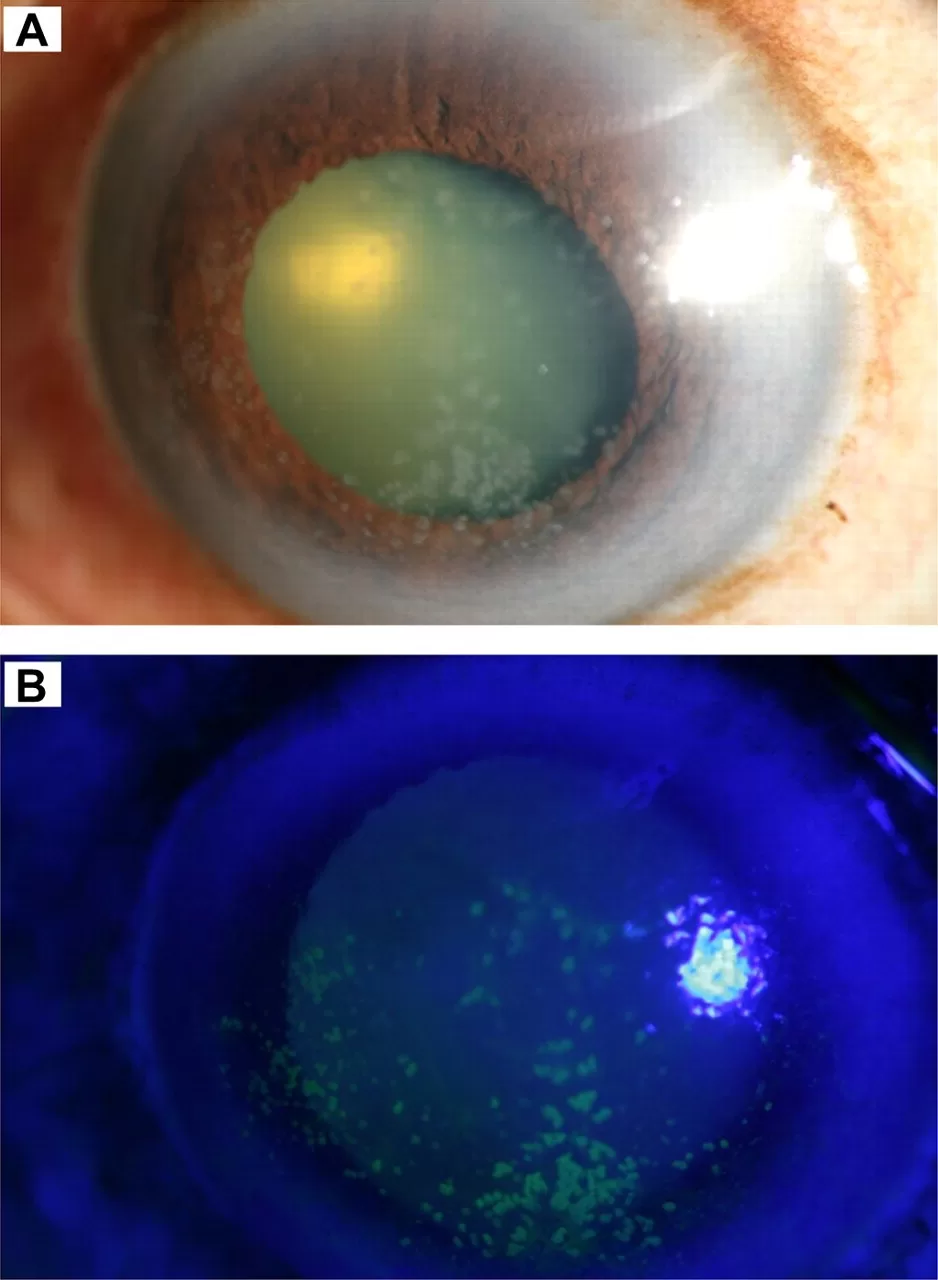
Microsporidial keratoconjunctivitis is an emerging and concerning ocular infection caused by *Vittaforma corneae*, as documented during a series of outbreaks near the Sea of Galilee in Israel from 2022 to 2024. Patients exhibited a variety of keratoconjunctivitis symptoms, including significant visual impairment, due to the multifocal corneal infiltrates associated with this microsporidium. This particular strain of microsporidia highlights the importance of environmental factors in the spread of ocular microsporidial outbreaks, especially in aquatic settings. Innovative treatment approaches, such as chlorhexidine treatment, have shown promise, offering effective relief and improving outcomes for affected individuals. With increased awareness and understanding, researchers aim to unravel the complexities of this infection and its implications for public health in regions exposed to contaminated water sources.
Also referred to as microsporidial eye infection, microsporidial keratoconjunctivitis poses significant risks to visual health due to its association with aquatic environments. The pathogen responsible, *Vittaforma corneae*, is a unicellular organism that can cause severe irritation and complications within the eye. Understanding the dynamics of this infection, often connected to outbreaks in freshwater ecosystems like the Sea of Galilee, is critical for developing effective treatment protocols. Recent focus on chlorhexidine as a primary therapeutic agent showcases new avenues for managing symptoms and improving patient recovery. As awareness grows, public health initiatives could benefit from targeted education on prevention and treatment strategies for ocular microsporidial infections.
Understanding Microsporidial Keratoconjunctivitis
Microsporidial keratoconjunctivitis is an ocular infection caused by the microsporidian parasite *Vittaforma corneae*. This condition has been noted for its specific association with water-related outbreaks, particularly in regions where exposure to contaminated water sources is prevalent. Patients typically exhibit symptoms such as ocular redness, excessive tearing, irritation, and decreased visual acuity, which can significantly impact their quality of life and lead to serious complications if left untreated.
Recent outbreaks, such as the one documented at the Sea of Galilee, underline the importance of recognizing microsporidial keratoconjunctivitis as a public health concern. Factors contributing to its transmission include environmental exposure, where *V. corneae* spores thrive in aquatic environments, making proper sanitation and caution in water activities crucial for preventing infections. Additionally, the microsporidium’s ability to persist in such environments poses challenges in controlling outbreaks.
The Role of *Vittaforma corneae* in Ocular Infections
*Vittaforma corneae* is a formidable pathogen responsible for keratoconjunctivitis, previously linked primarily to freshwater sources. Originally identified several decades ago, it has gained attention due to its adaptability and the potential for widespread outbreaks. Understanding the biological characteristics of *V. corneae*—especially its small spore size and environmental resilience—is crucial for anticipating outbreaks and developing targeted treatment strategies.
Notably, the Sea of Galilee outbreak signifies a new realm of concern regarding this pathogen, especially its interaction with human hosts. It remains essential for researchers and clinicians alike to investigate the animal reservoirs and environmental conditions that facilitate *V. corneae* infections to better manage and prevent future occurrences, particularly in aquatically isolated regions.
Chlorhexidine Treatment for Microsporidial Infections
In light of the outbreak linked to the Sea of Galilee, topical chlorhexidine has emerged as a primary treatment method for microsporidial keratoconjunctivitis. This antiseptic, traditionally used for its broad-spectrum antimicrobial properties, has been shown to effectively manage symptoms of *V. corneae* infections, contributing to improved visual acuity and symptom relief in affected patients. The use of chlorhexidine represents a shift from conventional antimicrobial therapies, which may not specifically target microsporidia.
Moreover, the acceptance of chlorhexidine treatment highlights the need for flexible treatment guidelines tailored to emerging infectious threats. With chlorhexidine’s safety profile and efficacy established through observational studies during this outbreak, healthcare professionals should consider incorporating it as a first-line therapeutic option in cases of clinically suspected microsporidial keratoconjunctivitis.
Symptoms of Microsporidial Keratoconjunctivitis
Symptoms of microsporidial keratoconjunctivitis can vary widely among individuals, typically starting with mild discomfort and progressing to more severe manifestations. Common complaints include ocular redness, sensitivity to light, excessive tearing, and a notable sensation of a foreign object in the eye. As the condition worsens, patients may experience a marked decrease in visual acuity, underscoring the importance of prompt diagnosis and intervention.
Understanding these symptoms is crucial during outbreaks, as timely recognition can prevent complications such as permanent vision loss and the escalation of public health issues. Education around early signs of infection, especially in populations exposed to contaminated water, can serve as an effective strategy for managing microsporidial outbreaks.
Epidemiology of Ocular Microsporidial Outbreaks
The epidemiology of ocular microsporidial outbreaks is characterized by specific environmental and behavioral factors, particularly since *Vittaforma corneae* infections seem to cluster around aquatic settings. Epidemiological studies indicate that communities with frequent contact with contaminated water sources—such as those near the Sea of Galilee—are at higher risk. The patterns observed in previous outbreaks inform strategies for surveillance and preparedness in at-risk populations.
Such epidemiological insights reveal the necessity for ongoing research into the environmental reservoirs of *V. corneae* and the ecological dynamics that allow for its survival and transmission. Improved understanding is essential for developing strategies to mitigate risks associated with ocular microsporidial outbreaks and protecting public health.
Preventive Measures Against Microsporidial Infections
Preventive measures are vital in controlling the incidence of microsporidial keratoconjunctivitis, particularly in areas like the Sea of Galilee where outbreaks have been observed. Public health initiatives should focus on educating communities about safe water practices, including avoiding direct contact with untreated freshwater sources and proper hygiene measures.
In addition to public education, the implementation of regular monitoring programs to assess the quality of water sources and surveillance for *V. corneae* in aquatic environments can significantly reduce the risk of human infections. Community awareness of the potential sources of transmission and symptoms associated with microsporidial keratitis will empower individuals to seek prompt medical attention if they experience signs of infection.
The Impact of Microsporidial Keratoconjunctivitis on Vision
The impact of microsporidial keratoconjunctivitis on vision can be profound, with many affected individuals experiencing varying degrees of visual impairment. Studies indicate that symptoms often progress rapidly, leading to significant reductions in visual acuity. This decline can have notable implications for daily activities, education, and overall quality of life.
Given the potential for lasting damage to ocular structures, it is imperative that early recognition and effective treatment are prioritized in healthcare settings. Preventing long-term complications requires both clinicians and patients to act swiftly upon the onset of symptoms associated with microsporidial infections.
Future Research Directions on Microsporidial Outbreaks
Future research on microsporidial outbreaks should focus on understanding the molecular and environmental dynamics of *Vittaforma corneae*. Investigating the life cycle of the microsporidium, potential animal reservoirs, and the factors that contribute to its persistence in aquatic environments will be crucial in unveiling new strategies for prevention and treatment.
As outbreaks become more common and public health responses evolve, it will be essential for researchers to establish collaborative efforts across disciplines, including epidemiology, microbiology, and public health policy. Comprehensive studies that incorporate environmental assessment, clinical outcomes, and patient education will form the bedrock for effective interventions in managing microsporidial keratoconjunctivitis.
Public Awareness and Education on Microsporidial Keratoconjunctivitis
Public awareness and education are paramount in combating the spread of microsporidial keratoconjunctivitis, particularly in communities near water bodies where *Vittaforma corneae* may thrive. Informative campaigns can provide crucial knowledge about the symptoms of the infection, methods of transmission, and the actions individuals can take to protect themselves from the infection.
Incorporating healthcare professionals in these educational efforts, particularly in affected regions, will help ensure accurate information dissemination and promote vigilance among individuals who may be at risk. Initiatives such as community workshops, informational pamphlets, and local health department resources can empower the public to take proactive measures against microsporidial outbreaks.
Frequently Asked Questions
What is Microsporidial Keratoconjunctivitis and how is it related to Vittaforma corneae?
Microsporidial Keratoconjunctivitis is an ocular infection caused by the microsporidium Vittaforma corneae. This pathogen is known for causing multifocal punctate corneal infiltrates and decreased visual acuity, especially linked to outbreaks associated with aquatic environments.
What are the symptoms of keratoconjunctivitis caused by Vittaforma corneae?
Symptoms of keratoconjunctivitis related to Vittaforma corneae include redness, watering, irritation, and a foreign-body sensation in the eyes. Patients often experience decreased visual acuity as well.
How is Microsporidial Keratoconjunctivitis diagnosed?
Diagnosis of Microsporidial Keratoconjunctivitis is typically confirmed through pathogen-specific real-time PCR testing of corneal scraping samples, which can identify the presence of Vittaforma corneae.
What treatment options are available for Microsporidial Keratoconjunctivitis?
Topical chlorhexidine is used as an effective first-line treatment for Microsporidial Keratoconjunctivitis caused by Vittaforma corneae. This treatment has shown positive outcomes in clinical settings without the need for hospitalization.
What is the connection between ocular microsporidial outbreaks and the Sea of Galilee?
The Sea of Galilee has been associated with significant ocular microsporidial outbreaks, particularly those caused by Vittaforma corneae. Recent cases have shown prolonged exposure to this aquatic environment leads to infection.
Is visual acuity affected by Microsporidial Keratoconjunctivitis?
Yes, visual acuity can be significantly affected by Microsporidial Keratoconjunctivitis. Most patients present with decreased visual acuity, averaging around 0.60 decimal when they seek treatment.
What environmental factors contribute to the transmission of Vittaforma corneae?
Environmental sources, especially freshwater and marine settings, play a crucial role in the transmission of Vittaforma corneae, making it important to consider aquatic environments in outbreak scenarios of Microsporidial Keratoconjunctivitis.
Are humans considered natural hosts for Vittaforma corneae?
No, humans are not considered natural hosts for Vittaforma corneae; however, they can contract infections through exposure to contaminated aquatic environments.
How do chlorhexidine treatments work for Microsporidial Keratoconjunctivitis?
Chlorhexidine treatments work by effectively targeting the Vittaforma corneae pathogen while preserving visual function, as evidenced by improved visual outcomes in patients.
What is the historical significance of Vittaforma corneae outbreaks?
Historically, outbreaks of keratoconjunctivitis caused by Vittaforma corneae have been recognized worldwide, with the recent prolonged outbreak in the Sea of Galilee marking a notable event in understanding its environmental persistence.
| Key Point | Details |
|---|---|
| Outbreak Description | A multiannual outbreak of keratoconjunctivitis caused by *Vittaforma corneae* in the Sea of Galilee, Israel. |
| Symptoms | Patients experienced multifocal punctate corneal infiltrates, redness, watering, irritation, and decreased visual acuity. |
| Diagnosis Method | Diagnosis was confirmed using real-time PCR specific to the pathogen. |
| Treatment | Topical chlorhexidine was used successfully as a primary treatment, showing efficacy without hospitalization. |
| Patient Demographics | 12 PCR-confirmed patients aged between 6 to 51 years were identified. |
| Visual Outcomes | Most patients showed improvement in visual acuity, confirming chlorhexidine’s effectiveness in preventing disease progression. |
| Environmental Concerns | The persistence of *V. corneae* in aquatic ecosystems highlights environmental reservoirs as critical for outbreak transmission. |
Summary
Microsporidial Keratoconjunctivitis is a significant condition highlighted by the recent outbreak caused by *Vittaforma corneae* in the Sea of Galilee. This outbreak involved twelve patients presenting with various ocular symptoms after exposure to the water source, demonstrating the need for awareness and effective management of waterborne pathogens. The findings stress the potential role of aquatic environments in sustaining infections and suggest that topical chlorhexidine can effectively treat this condition, offering a promising direction for future treatment protocols. Understanding the implications of this outbreak can aid public health efforts in monitoring and preventing similar occurrences.
The content provided on this blog (e.g., symptom descriptions, health tips, or general advice) is for informational purposes only and is not a substitute for professional medical advice, diagnosis, or treatment. Always seek the guidance of your physician or other qualified healthcare provider with any questions you may have regarding a medical condition. Never disregard professional medical advice or delay seeking it because of something you have read on this website. If you believe you may have a medical emergency, call your doctor or emergency services immediately. Reliance on any information provided by this blog is solely at your own risk.