


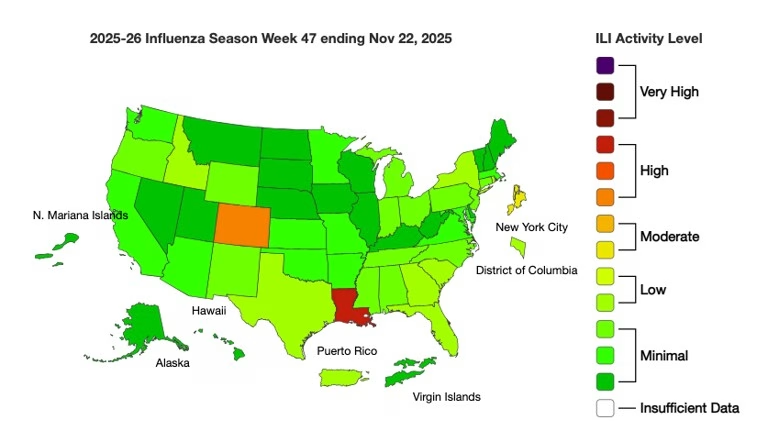
In recent years, Massachusetts influenza deaths have drawn significant attention as public health officials respond to alarming trends in flu activity. During the 2024-25 influenza season, the state reported a striking total of 441 flu-related deaths, including 10 tragic fatalities in children, marking a concerning rise in influenza-like illnesses (ILI) that peaked at nearly 12%. These statistics highlight the critical importance of flu vaccination rates, which were notably lower this season at only 40.4%. The latest influenza activity report emphasizes the need for heightened awareness and public health measures, particularly as pediatric deaths saw an uptick not seen since before the 2009 H1N1 pandemic. With information from Public Health Alerts, Massachusetts aims to address these growing concerns and prevent further loss of life through strategic health interventions.
The rising number of influenza fatalities in Massachusetts has prompted urgent discussions about respiratory virus management and public health practices. As flu season unfolds, the data reveals a concerning relationship between low vaccination rates and the incidence of severe outcomes, particularly among vulnerable groups such as children and the elderly. Notably, the high levels of influenza-like illness (ILI) reported this season are a stark reminder of the ongoing challenges faced by healthcare providers and the community. Understanding these trends is critical, not just for improving flu vaccination strategies, but also for mitigating the impact of seasonal viruses. As public health officials issue alerts and education efforts intensify, the focus remains on safeguarding both individual and community health against the backdrop of a challenging flu landscape.
Overview of Influenza Activity in Massachusetts
The recent influenza activity report for Massachusetts highlights a significant increase in cases during the 2024-25 season. With influenza-like illness (ILI) rates peaking at nearly 12% in early February, the situation was alarming, as it remained above the epidemic threshold through mid-April. This surge is notable, marking the highest ILI rate in the state since records began in the 2001-02 season. The implications for public health are profound, as such high levels of flu cases strain healthcare resources and underscore the need for effective prevention strategies.
In response to this unprecedented surge, Public Health Alerts from CIDRAP provide critical insights and data-driven recommendations to help manage and mitigate the impact of such influenza epics. The collaboration aims to transform frontline observations into actionable information, aiding not only public health officials but also the general public in understanding and responding to flu trends. Enhanced awareness can lead to improved vaccination rates and compliance with health advisories, ultimately saving lives and reducing morbidity associated with the flu.
Influenza Deaths in Massachusetts: A Record High
The 2024-25 season witnessed a heartbreaking total of 441 deaths due to influenza in Massachusetts, marking one of the highest yearly totals recorded. Among these fatalities, 10 were children, a tragic statistic that has drawn much media and public attention. Health experts are keenly examining this spike in pediatric flu deaths, especially considering that many of these children had underlying health conditions that may have contributed to their vulnerabilities during the influenza outbreak.
Moreover, this season’s increase in flu deaths has raised concerns regarding flu vaccination rates, which lingered at only 40.4% by mid-April 2025—significantly lower than in previous years. This correlation suggests a critical need for improved vaccination campaigns targeting families with children, as eight out of the ten pediatric flu victims had not received the vaccine that year. Education and outreach efforts are vital to increase flu vaccination rates, particularly among high-risk populations, to prevent future tragedies.
Flu Vaccination Rates: An Urgent Call to Action
The flu vaccination rates in Massachusetts for the 2024-25 season have been alarmingly low, with just 40.4% of the population vaccinated by mid-April. This is a stark contrast to previous seasons and poses a significant public health concern, especially in light of the record number of influenza-related deaths. Lower vaccination rates correlate with increased morbidity and mortality, emphasizing the necessity of raising awareness about the importance of vaccination as a primary defense against influenza.
Efforts to improve flu vaccination uptake must focus on vulnerable demographics, particularly children and the elderly, who are at the highest risk for severe complications. Targeted public health campaigns, combined with community engagement and accessible vaccine distribution points, can effectively combat vaccine hesitancy. By increasing flu vaccination rates, Massachusetts can aim to reduce the incidence of severe illness and flu-related deaths, ultimately enhancing community health outcomes.
The Impact of Influenza on Children
Influenza disproportionately affects children, particularly those with pre-existing medical conditions. The 2024-25 flu season in Massachusetts saw 10 reported pediatric deaths, a stark reminder of the flu’s potential severity in younger populations. Many of these children did not receive the flu vaccine, which highlights a critical gap in preventative health measures. Understanding the challenges faced by children during flu outbreaks is essential for shaping effective public health policies and interventions.
Health authorities must prioritize flu vaccination for children, especially in families with known health vulnerabilities. Educational initiatives aimed at parents can promote the importance of vaccinating children against flu and encourage routine vaccinations as a normal part of healthcare. By taking proactive steps to ensure children are vaccinated, the potential for serious illness and fatalities can be significantly mitigated, ultimately protecting the youngest and most vulnerable members of the community.
Analyzing Influenza-Like Illness Rates in Massachusetts
Analyzing the ILI (Influenza-Like Illness) rates in Massachusetts reveals a concerning trend, particularly during the peak of the 2024-25 season, which reached nearly 12% of visits to healthcare facilities. This statistic indicates a widespread impact of flu activity on the population, with emergency room visits surging, especially among older adults. Understanding these ILI rates is crucial for informing public health responses and allocating resources effectively during flu seasons.
Monitoring ILI rates not only provides insight into current flu activity but also helps in forecasting future trends, allowing for timely medical advisories and public health alerts. By enhancing surveillance systems and ensuring rapid dissemination of information, Massachusetts can better manage outbreaks, preventing strains on healthcare infrastructure while ensuring that those most at risk receive the care and attention they need.
Role of Public Health Alerts in Combating Flu
The introduction of Public Health Alerts has been a game changer in combating influenza outbreaks in Massachusetts. By merging expert-reviewed data with frontline observations, these reports provide critical insights that help to translate complex epidemiological information into understandable guidelines for the public and health professionals alike. This initiative addresses the essential need for timely and accurate information during flu seasons, which can significantly influence vaccination rates and public behavior.
The collaboration behind Public Health Alerts signifies a commitment to improving population health by prioritizing evidence-based interventions. This data-driven approach is instrumental in managing current flu seasons, aiding health authorities in monitoring outbreaks, and ultimately reducing transmission rates within the community. Such frameworks highlight the importance of collaboration in public health to address the seasonal challenges posed by influenza and protect vulnerable populations.
Flu Surveillance and Reporting in Massachusetts
Flu surveillance and reporting in Massachusetts have become vital components of the public health landscape, especially following a season characterized by high rates of ILI and deaths. The collection and dissemination of data through state health departments and collaborative agencies enable a better understanding of influenza dynamics and promote timely interventions. Accurate reporting ensures that healthcare providers and the public are informed about the current state of flu activity.
The implementation of rigorous surveillance systems allows public health officials to identify patterns in flu spread, evaluate the effectiveness of vaccination campaigns, and plan resources accordingly. In periods of heightened flu activity, timely alerts can help divert healthcare resources where they are most needed, improving clinical outcomes for patients suffering from severe cases of influenza.
Understanding the Seasonal Influenza Patterns
Understanding the seasonal patterns of influenza is crucial for preparing for and mitigating the impacts of outbreaks. Massachusetts has experienced fluctuating trends in influenza activity, often dictated by various environmental, social, and immunological factors. The record ILI rates during the 2024-25 season, coupled with declines in vaccination rates, provide essential information that can help health officials predict and respond to future outbreaks more effectively.
Health departments must engage in continuous research to analyze and anticipate the cyclical nature of influenza outbreaks, which can inform future public health strategies. Seasonal forecasting allows for better preparedness against influenza threats, enabling resources to be allocated efficiently, and ensuring that communities remain vigilant and prepared for potential increases in flu activity.
Importance of Community Engagement in Flu Prevention
Community engagement plays a pivotal role in preventing influenza outbreaks and ensuring public health safety. Initiatives that involve local stakeholders, healthcare providers, and families can create a more robust framework for disseminating vital flu information. Such practices can increase awareness of flu risks and the importance of vaccination, ultimately contributing to higher vaccination rates and lower instances of flu-related illnesses.
Additionally, involving community members in health campaigns fosters trust and encourages proactive health behaviors. Grassroots efforts that promote flu vaccination through schools, community centers, and local health fairs can significantly impact public perception and participation. By empowering communities to take charge of their health, we can effectively reduce the burden of influenza and related health issues.
Frequently Asked Questions
What were the influenza death statistics in Massachusetts for the 2024-25 season?
In the 2024-25 season, Massachusetts reported a total of 441 deaths related to influenza, which included 10 flu-related deaths in children. This marked a significant increase in flu mortality compared to previous years.
How do flu vaccination rates affect influenza deaths in Massachusetts?
During the 2024-25 influenza season, flu vaccination rates in Massachusetts were notably low at 40.4%. This decline in vaccination may have contributed to the increased incidence of severe influenza cases and related deaths, particularly among vulnerable populations such as children.
What were the influenza-like illness (ILI) rates in Massachusetts during the flu season?
Influenza-like illness (ILI) rates in Massachusetts peaked at nearly 12% in early February 2025, which is the highest recorded rate since tracking began in the 2001-02 season. This prolonged spike in ILI rates contributed to the overall increase in flu-related deaths.
Are children in Massachusetts particularly vulnerable to flu deaths?
Yes, children in Massachusetts faced significant risk during the 2024-25 flu season, with 10 recorded flu-related deaths, the most since the 2009 H1N1 pandemic. Many of these pediatric deaths occurred in children with preexisting conditions and most had not received the flu vaccine.
What does the Public Health Alerts report reveal about influenza activity in Massachusetts?
The latest Public Health Alerts report provides invaluable insights into influenza activity in Massachusetts, documenting record levels of ILI and flu-related deaths, while emphasizing the importance of flu vaccination and public health interventions.
How do the ILI rates in Massachusetts compare to previous seasons?
The ILI rates in Massachusetts for the 2024-25 season greatly exceeded those of previous seasons, remaining above the epidemic threshold until mid-April, which reinforces the ongoing public health challenge posed by influenza.
What actions can be taken to reduce influenza deaths in Massachusetts?
To reduce influenza deaths in Massachusetts, increasing flu vaccination rates, particularly among children and high-risk groups, is essential. Public health campaigns and access to vaccines can help mitigate the impact of future flu seasons.
| Key Points | Details |
|---|---|
| Influenza-related Deaths | 441 total deaths recorded during the 2024-25 season, with 10 in children. |
| Influenza-like Illness (ILI) Rates | ILI visits peaked at nearly 12% in early February 2025, marking the highest rate since the 2001-02 season. |
| Demographics of Affected Adults | ED visits for flu were highest among adults aged 80 and older, with rates 3.0 times higher than those aged 20-64. |
| Vaccination Rates | Only 40.4% of the population was vaccinated against flu by mid-April 2025. |
| Pediatric Deaths | Seven out of ten pediatric deaths occurred in children with preexisting conditions, and eight had not been vaccinated. |
Summary
Massachusetts influenza deaths reached alarming levels during the 2024-25 season, with a total of 441 fatalities across all age groups, highlighting a significant public health concern. The rising stats of influenza-related deaths, particularly among children, underscore the necessity for enhanced vaccination efforts and awareness. This alarming trend calls for urgent public health measures to prevent further loss of life in future flu seasons.
The content provided on this blog (e.g., symptom descriptions, health tips, or general advice) is for informational purposes only and is not a substitute for professional medical advice, diagnosis, or treatment. Always seek the guidance of your physician or other qualified healthcare provider with any questions you may have regarding a medical condition. Never disregard professional medical advice or delay seeking it because of something you have read on this website. If you believe you may have a medical emergency, call your doctor or emergency services immediately. Reliance on any information provided by this blog is solely at your own risk.