


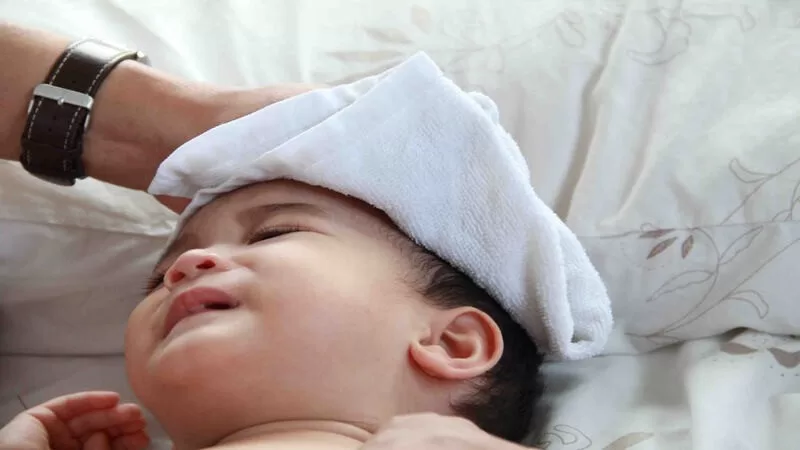
Malaria treatment for newborns has taken a significant step forward with the recent approval of Coartem Baby, the first malaria drug specifically designed for infants. This groundbreaking medication, developed by Novartis in collaboration with the Malaria for Medicines Venture (MMV), aims to address the alarming rate of malaria in infants who often bear the brunt of this deadly disease. With approximately 30 million newborns entering malaria-endemic regions each year, finding effective malaria treatments for this vulnerable population is critical. The innovative formulation of Coartem Baby, which can dissolve in breast milk and is flavored for better acceptance, represents a much-needed advancement in newborn malaria treatment. As global health initiatives continue to fight malaria, the approval of this drug signals hope for reducing the impact of malaria in infants and potentially paving the way for future malaria vaccines for infants.
The emergence of specific treatments for infantile malaria marks a pivotal shift in addressing the health needs of the youngest patients facing this life-threatening illness. Newborn malaria interventions, including the recent introduction of Coartem Baby, reflect an urgent response to the difficulties posed by malaria in infants—a demographic often neglected in clinical research and treatment approvals. The medication’s unique properties, aimed at facilitating administration to newborns and those with low weight, highlight the ongoing efforts to bridge the treatment gap for the most vulnerable infants. As health authorities look to incorporate safe malaria drug approvals into evolving treatment protocols, the progress made could lead to a broader impact on public health outcomes across malaria-affected regions. This not only provides immediate relief for afflicted infants but also sets the stage for future developments in pediatric malaria care.
The Significance of Coartem Baby for Malaria Treatment in Newborns
The recent approval of Coartem Baby marks a pivotal development in the fight against malaria, especially for the most vulnerable segment of the population: newborns and young infants. This drug, which combines artemether and lumefantrine, is specially formulated to dissolve easily, even in breast milk, thus ensuring that newborns can ingest it without difficulty. In Africa, where approximately 30 million infants are born annually in malaria-endemic regions, the availability of a treatment tailored for their needs is a significant breakthrough. Previously, the lack of appropriate medications left many infants susceptible to severe malaria, underscoring the urgency of this approval.
Furthermore, the clinical trials conducted across eight African countries not only provided the necessary data for regulatory approval but also established a sustainable pathway for distributing Coartem Baby to those in need. As global health authorities and local governments prepare for the rapid deployment of this medication, there is hope that it will drastically reduce malaria-related morbidity and mortality among infants. With malaria still a leading cause of death in young children, introducing dedicated medications like Coartem Baby could turn the tide in combating this disease in the world’s most vulnerable populations.
Addressing the Treatment Gap for Malaria in Infants
The treatment gap for malaria in infants is a pressing concern, particularly given that between 3.4% to 18.4% of malaria infections occur in babies under six months old. Traditionally, infants who weigh less than 4.5 kilograms (9.9 pounds) have been excluded from available treatments due to safety and efficacy concerns. This has left a substantial portion of the infant population without effective means of combatting malaria, a disease that can quickly become life-threatening. The approval of Coartem Baby not only addresses this gap but also sets a precedent for developing further treatments tailored specifically for infants, potentially paving the way for new interventions.
The significance of this treatment becomes even clearer when considering the clinical insights of experts like Dr. Umberto D’Alessandro, who emphasizes the physiological differences in how newborns metabolize medications. This understanding has influenced the formulation of Coartem Baby, ensuring it meets the unique needs of young patients. Health authorities must now focus on developing further malaria vaccines for infants, as the current lack of preventive measures remains a critical issue. Ultimately, a multifaceted approach that includes treatment, prevention, and education will be essential to mitigate the burdens of malaria among newborns and young children.
Future Trends in Malaria Vaccines for Infants
As the healthcare community celebrates the approval of Coartem Baby, attention inevitably shifts toward the future of malaria prevention, particularly in the realm of vaccines for infants. The development of effective malaria vaccines is crucial, as they can provide long-lasting immunity and reduce the incidence of severe cases. Current research is progressing with potential candidates aimed at young children, which may offer significant protection against malaria transmission. Experts agree that integrating vaccines with new treatment options like Coartem Baby will enhance the overall strategy against malaria in infants.
The World Health Organization (WHO) and other global health entities are likely to intensify their focus on research and development of malaria vaccines as part of an integrated approach to combat this disease. Investment in clinical trials and collaboration with pharmaceutical companies could accelerate the process, allowing vaccines to be rolled out sooner. With the recent malaria drug approval as a catalyst, there is optimism that we may soon witness the culmination of efforts that not only treat but also prevent malaria in the youngest populations, a key factor in reducing the overall disease burden.
Newborn Malaria Treatment: A Collaborative Success Story
The approval of Coartem Baby is not only a milestone for Novartis but also a testament to the power of collaboration in healthcare innovation. The partnership between Novartis and the Malaria for Medicines Venture (MMV) underscores the importance of joint efforts in addressing public health challenges. By combining expertise, resources, and research, these entities have successfully brought to market a treatment designed specifically for newborns—a demographic that has historically been overlooked in malaria treatment research.
Such collaborations could serve as a model for future medication development across various diseases affecting vulnerable populations. The process also highlights the need for ongoing research into new formulations and drug delivery mechanisms that cater to the specific needs of infants. As more organizations come together to solve these pressing health issues, we can hope to see more innovative solutions like Coartem Baby emerge, ultimately leading to improved health outcomes for newborns around the globe.
Understanding Malaria in Infants: Risks and Implications
Malaria poses significant risks to infants, who are particularly vulnerable due to their developing immune systems. The illness can progress rapidly, and symptoms in newborns can often be nonspecific, leading to delays in diagnosis and treatment. This heightened risk can result in severe complications, including anemia and cerebral malaria, both of which are potentially life-threatening. Understanding the risks associated with malaria in infants is crucial for healthcare providers to facilitate prompt and effective treatment, which is where innovations like Coartem Baby become critical.
Equipped with knowledge of the common signs and symptoms of malaria, caregivers and healthcare professionals can act swiftly to seek treatment. Education and awareness campaigns in malaria-endemic regions will be vital in ensuring early detection and intervention. The introduction of effective treatments tailored specifically for infants will play a significant role in reducing the mortality rates associated with this disease, demonstrating the crucial need for ongoing education and public health strategies.
Building Awareness for Malaria Prevention in Infants
As Coartem Baby becomes available, building awareness around malaria prevention strategies will be critical for public health officials and healthcare providers. Infants are not only at risk from malaria but can also contribute to the broader transmission dynamics of the disease within communities. By educating families about preventive measures such as insecticide-treated bed nets, indoor residual spraying, and community health initiatives, we can significantly reduce the incidence of malaria among infants and young children.
Moreover, there is a pressing need for comprehensive awareness campaigns focused on the early signs of malaria in infants. Equipping caregivers with the knowledge to recognize symptoms can lead to timely interventions and better health outcomes. The combination of increased access to treatments like Coartem Baby and heightened awareness of preventive measures will be instrumental in the fight against malaria, ultimately allowing us to protect newborns and reduce their disease burden.
The Role of Global Health Initiatives in Malaria Treatment
Global health initiatives play a pivotal role in the fight against malaria, particularly in supporting the distribution and accessibility of approved treatments like Coartem Baby. Organizations such as the WHO and UNICEF often collaborate with local governments and health systems to enhance drug supply chains, ensuring that essential medicines reach those in malaria-endemic regions. The impetus from these initiatives has been critical in advancing malaria measures to protect vulnerable populations such as infants, recognizing that timely treatment can alter the course of the disease.
As these initiatives continue to evolve, addressing the barriers to healthcare access and affordability will be paramount. Countries that struggle with high malaria burden must prioritize establishing robust healthcare frameworks that can effectively integrate new treatments and sustain vaccination programs. The synergy between global health efforts and local actions is vital, creating an environment where innovations like Coartem Baby can thrive and ultimately save lives.
From Diagnosis to Treatment: Navigating Malaria in Infants
Navigating the journey from diagnosis to treatment for malaria in infants encompasses a complex web of challenges. Firstly, accurate diagnosis is crucial, as the symptoms of malaria can mimic those of other common childhood ailments. Rapid diagnostic tests and trained healthcare personnel in endemic areas are essential in ensuring that infants receive timely and appropriate treatment. Coartem Baby provides a much-needed lifeline for those diagnosed, particularly in a healthcare landscape where traditional treatments may not be suitable for the youngest patients.
Moreover, improving healthcare delivery systems to support these processes is vital. Training healthcare workers to not only diagnose but also treat infants adequately will ensure better outcomes. As the approval of Coartem Baby demonstrates a commitment to advancing medical solutions for this vulnerable population, it will be equally important to structure healthcare services that can effectively channel these innovations from diagnosis through to successful treatment.
Looking Ahead: Future Innovations in Malaria Treatment for Infants
Looking ahead, the future of malaria treatment for infants appears promising as research and development continue to evolve. The focus on developing age-appropriate medications is crucial, particularly as scientists gain insights into the specific pharmacokinetics of malaria drugs in infants. Ongoing studies into the effectiveness of various formulations, including potential malaria vaccines for infants, can pave the way for comprehensive strategies to eliminate the disease in the coming decades.
Moreover, global health frameworks are increasingly recognizing the need for innovative approaches in malaria eradication efforts. From new drug formulations to the integration of community health systems that facilitate better access to care, the commitment to improving the lives of infants affected by malaria is stronger than ever. By harnessing advancements in medical research alongside concerted public health efforts, we can create a future where malaria no longer poses a threat to the youngest and most vulnerable members of society.
Frequently Asked Questions
What is Coartem Baby and how does it relate to malaria treatment for newborns?
Coartem Baby is the first malaria treatment specifically approved for newborns and young infants, developed by Novartis in collaboration with the Malaria for Medicines Venture (MMV). It is designed to dissolve in breast milk and is flavored to make it suitable for young patients, addressing a critical treatment gap for malaria in infants.
How effective is the malaria treatment for infants under 6 months old?
The malaria treatment for infants, Coartem Baby, has been clinically proven effective for those weighing between 2 to 5 kg (4.4 to 11 pounds). It aims to provide crucial care for the approximately 3.4% to 18.4% of malaria infections that occur in infants under 6 months in high-burden African countries.
What challenges do newborns face in receiving malaria treatment?
Newborns often encounter significant treatment gaps due to the absence of approved malaria medications for those weighing less than 4.5 kilograms. This, coupled with their unique metabolic needs and immaturity of liver function, has made it difficult to treat malaria in the youngest infants effectively.
Are there any malaria vaccines available for infants?
Currently, there are no approved malaria vaccines specifically for infants. While significant advancements have been made in treatments, including the introduction of Coartem Baby, the search for effective malaria vaccines for newborns remains ongoing.
What is the significance of malaria drug approval for newborns?
The approval of Coartem Baby represents a major breakthrough in malaria treatment for newborns and young infants, who have historically been underrepresented in clinical trials. This treatment offers hope for millions of babies born annually in malaria-endemic regions.
What are the implications of Coartem Baby for malaria treatment in African countries?
The introduction of Coartem Baby is expected to significantly enhance access to malaria treatment for newborns in eight African countries. By addressing the specific needs of this vulnerable population, it aims to reduce malaria morbidity and mortality in young infants.
How is Coartem Baby administered to newborns?
Coartem Baby is formulated to dissolve effectively in breast milk, enabling easy administration to newborns. Its sweet cherry flavor is designed to help infants accept the medication more easily, improving compliance and treatment outcomes.
What role do organizations like MMV play in developing malaria treatments for newborns?
Organizations like the Malaria for Medicines Venture (MMV) collaborate with pharmaceutical companies like Novartis to develop and promote effective malaria treatments for newborns and vulnerable populations. Their role is crucial in bridging the gap in research and bringing innovative treatments to market.
| Key Point | Details |
|---|---|
| Approval of Coartem Baby | Novartis has received approval for Coartem Baby, the first malaria treatment for newborns and young infants. |
| Targeted Age Group | The treatment is specifically designed for infants weighing between 2 kg and 5 kg (4.4 to 11 pounds). |
| Development Background | Developed by Novartis in collaboration with the Malaria for Medicines Venture (MMV) and other organizations. |
| Treatment Gap | No previously approved treatments exist for babies weighing less than 4.5 kg, making this drug essential. |
| Introduction Plans | The drug will be introduced on a largely non-profit basis to increase access in malaria-endemic countries. |
| Expert Insights | Experts highlight the need for specific dosing for newborns due to their different metabolism of medications. |
Summary
Malaria treatment for newborns has taken a significant step forward with the approval of Coartem Baby, specifically designed for young infants. This groundbreaking drug addresses a critical need in malaria-endemic countries where the most vulnerable population, newborns, have lacked suitable treatment options. With an aim to enhance accessibility, Novartis plans to distribute it largely on a non-profit basis. The development signals a vital advance in pediatric malaria care, promising to improve health outcomes for countless infants at risk of this deadly disease.
The content provided on this blog (e.g., symptom descriptions, health tips, or general advice) is for informational purposes only and is not a substitute for professional medical advice, diagnosis, or treatment. Always seek the guidance of your physician or other qualified healthcare provider with any questions you may have regarding a medical condition. Never disregard professional medical advice or delay seeking it because of something you have read on this website. If you believe you may have a medical emergency, call your doctor or emergency services immediately. Reliance on any information provided by this blog is solely at your own risk.