


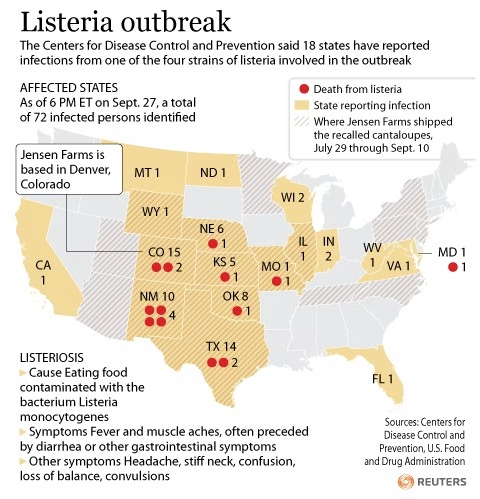
Listeria outbreaks have become a pressing concern in the realm of foodborne illnesses, particularly with the recent reports linking them to packaged salads. These outbreaks, primarily caused by the bacterium Listeria monocytogenes, have seen an alarming rise, resulting in numerous hospitalizations and even fatalities across the United States. A study published in *Emerging Infectious Diseases* indicates that two genetically distinct outbreaks attributed to processed leafy greens caused 30 illnesses, 27 of which required hospitalization, and tragically resulted in four deaths. The health risks associated with Listeria monocytogenes highlight the urgent need for enhanced routine surveillance in the food industry. By pinpointing the sources of these outbreaks, authorities can minimize the impact of such foodborne diseases and protect vulnerable populations from serious health threats.
Recent incidents related to Listeria infections, a type of foodborne disease, underscore the dangers posed by contaminated pre-packaged greens. These outbreaks, driven by Listeria monocytogenes, have revealed significant risks, particularly when leafy vegetables are implicated. Investigations into clusters of infections have demonstrated the challenges of tracing contamination back to specific producers, as multiple brands may share similar packaging. Continuous monitoring and proactive measures are vital in controlling such outbreaks and safeguarding public health. Ultimately, understanding the broader implications of these salad-related incidents is crucial in preventing future illnesses linked to packaged foods.
Understanding Listeria Outbreaks and Their Impact
Listeria monocytogenes is a significant pathogen responsible for foodborne illnesses, with outbreaks often linked to certain food items. One of the alarming trends is the occurrence of Listeria outbreaks associated with packaged salads, which can pose severe health risks, especially to vulnerable populations such as pregnant women, the elderly, and individuals with weakened immune systems. These outbreaks underline the necessity for heightened awareness and thorough food safety practices, particularly given the challenges in identifying the exact sources of contamination in complex food supply chains.
The recent report detailing two distinct Listeria outbreaks reinforces the importance of continuous monitoring and routine surveillance in the food industry. With 30 reported illnesses and four fatalities, the gravity of these outbreaks cannot be understated. As both outbreaks were linked to packaged salads, it has become increasingly clear that consumers need protection from contaminated food products. Enhanced routine surveillance not only helps in timely identification of foodborne illnesses but also aids producers in implementing effective safety measures to prevent future outbreaks.
The Role of Routine Surveillance in Food Safety
Routine surveillance is a critical component in managing foodborne illnesses like those caused by Listeria monocytogenes. Such surveillance programs involve systematic collection and analysis of data related to food consumption and health outcomes. In the cases highlighted, PulseNet played an essential role in quickly connecting the dots between sporadic illnesses and broader outbreak trends. This proactive approach allows health officials to respond effectively to potential outbreaks before they escalate into larger public health crises.
Furthermore, routine surveillance provides valuable insights into the pathogens associated with different foods, helping to pinpoint risk factors related to foodborne illness. By establishing robust monitoring systems, public health authorities can identify emerging threats from packaged salads and other high-risk food items. This not only ensures food safety but also builds consumer confidence in the food supply, as ongoing monitoring translates to better protection against Contaminated foods.
Health Risks Associated with Packaged Salads
Packaged salads are increasingly popular due to their convenience, but they also carry health risks associated with Listeria contamination. The leafy greens frequently used in these salads are often grown in environments where Listeria can thrive, particularly in humid conditions. Even with rigorous washing and processing, contamination can still occur if safety protocols are not strictly followed. Consumers must be educated about these risks and encouraged to be vigilant regarding the brands and sources of their packaged salads.
Moreover, the health implications of consuming contaminated packaged salads can be dire, as demonstrated by the reported illnesses and deaths. Individuals who are pregnant, elderly, or immunocompromised are particularly susceptible to severe health consequences from Listeria infections. It’s critical for manufacturers to prioritize food safety measures, including better sanitation processes and routine testing, to protect the health of consumers while mitigating the risks posed by their products.
Key Takeaways from Recent Listeria Cases
The two recent Listeria outbreaks linked to packaged salads serve as a stark reminder of the vulnerabilities within our food supply chain. With 30 reported cases and four tragic fatalities, these incidents highlight the urgent need for enhanced food safety protocols, especially concerning leafy greens. Consumers should be more cautious about the products they choose, understanding that even seemingly healthy options can be hazardous if not properly managed throughout production and distribution.
Importantly, these outbreaks underline the efficacy of existing monitoring systems such as PulseNet, which allow for swift identification and control of Listeria outbreaks. These systems provide invaluable data that can help health officials and food producers trace the source of contamination quickly. By learning from past incidents, we can adopt better practices to reduce the risk of Listeria monocytogenes in our foods, ensuring the safety and wellbeing of all consumers.
Enhancing Food Safety for Vulnerable Populations
Given the higher risk of Listeria-related illnesses for vulnerable populations, including pregnant women and those with weakened immune systems, there is a pressing need for enhanced food safety measures focused on these groups. Healthcare providers should ensure that at-risk individuals are informed about the potential dangers of consuming certain food items, particularly packaged salads, which have been frequently associated with Listeria outbreaks. Education about safe food practices can significantly reduce the risk of foodborne infections.
Furthermore, food manufacturers and retailers should also take responsibility by implementing stringent sanitation protocols and conducting thorough risk assessments on their products. By prioritizing the safety of packaged salads and other high-risk items, the food industry can help protect the most susceptible populations while fostering public trust in food safety. Collaboration between public health officials, the food industry, and consumers is essential in combating the Listeria threat and preventing future outbreaks.
The Importance of Consumer Awareness in Food Safety
Consumer awareness plays a vital role in combating foodborne illnesses, including those caused by Listeria monocytogenes. Many people are unaware that even nutritious options like packaged salads can harbor harmful bacteria if not properly handled. Education campaigns that inform consumers about recognizing potential Listeria risks and understanding proper food storage and preparation methods can empower them to make safer choices.
Additionally, consumers should be encouraged to stay updated on food recalls and outbreaks involving packaged salads. Resources like the CDC and local health department announcements can provide pivotal information that helps individuals avoid contaminated products. By fostering a more informed consumer base, the likelihood of Listeria infections can be significantly reduced, contributing to a healthier population overall.
Future Strategies for Monitoring and Prevention
To better prevent Listeria outbreaks linked to packaged salads, forward-thinking strategies in food safety monitoring are essential. A multifaceted approach that includes increased environmental testing, continuous pathogen surveillance, and enhanced laboratory capabilities can help identify potential contamination sources before they reach consumers. Equipping producers with better tools and training for pathogen detection can facilitate quicker interventions and more effective risk management.
Moreover, collaboration between food safety agencies and salad producers can enhance knowledge sharing and develop industry-wide best practices. By adopting innovative technologies such as blockchain for tracking product origins and implementing predictive analytics, the food industry can proactively address potential health risks linked to Listeria monocytogenes. Such strategies not only protect public health but also promote consumer confidence in the safety of packaged salads.
Conclusion: A Call for Action in Food Safety
In conclusion, the recent outbreaks of Listeria associated with packaged salads emphasize the need for immediate and sustained action to enhance food safety across the supply chain. From producers to consumers, each link must prioritize safety protocols and proactive measures to protect public health. The toll of 30 illnesses and four deaths should serve as a wake-up call for all stakeholders involved.
While regulatory agencies have made strides in monitoring foodborne illnesses, the persistence of Listeria outbreaks points to the necessity of ongoing vigilance and improvement in safety practices. By committing to rigorous surveillance, education, and collaborative efforts among all parties in the food production chain, we can significantly diminish the health risks associated with Listeria monocytogenes and ensure safer meals for everyone.
Frequently Asked Questions
What are Listeria outbreaks and how are they linked to foodborne illness?
Listeria outbreaks are situations where multiple infections of Listeria monocytogenes occur, often due to the consumption of contaminated food, notably packaged salads. These outbreaks are classified as foodborne illnesses and can lead to serious health complications, including hospitalization and death, especially in vulnerable populations.
How serious are the health risks associated with Listeria outbreaks from packaged salads?
Health risks from Listeria outbreaks tied to packaged salads can be severe. Affected individuals may experience symptoms like fever and muscle aches, and in high-risk groups, such as pregnant women and the elderly, the consequences can be life-threatening. Recent outbreaks have resulted in numerous hospitalizations and fatalities.
What led to the recent Listeria outbreaks associated with packaged salads in the U.S.?
The recent Listeria outbreaks were linked to genetically unrelated cases tied to packaged salads from different companies. Monitoring by PulseNet revealed clusters of infections, prompting investigations that highlighted ongoing risks of Listeria monocytogenes in such products.
Why is routine surveillance essential in preventing Listeria outbreaks?
Routine surveillance is crucial in preventing Listeria outbreaks because it helps health authorities identify and respond to contamination incidents quickly. The recent packaged salad-related outbreaks underscored the importance of vigilant monitoring, which can save lives by preventing contaminated products from reaching consumers.
What steps can consumers take to reduce the risk of Listeria outbreaks when consuming packaged salads?
To reduce the risk of Listeria outbreaks, consumers should wash hands before handling food, ensure salads are stored at proper temperatures, and check for recall notices on packaged salads. Proper cooking can also eliminate potential Listeria bacteria in certain products.
What consumers should know about Listeria monocytogenes in packaged salads?
Consumers should be aware that Listeria monocytogenes can be present in pre-packaged salads, potentially leading to outbreaks. It is crucial to stay informed about food safety practices and recall information, especially for products from regions known to have higher risks.
How can health authorities respond to Listeria outbreaks linked to packaged salads?
Health authorities respond to Listeria outbreaks linked to packaged salads by conducting thorough investigations, utilizing systems like PulseNet for tracking infections, issuing recalls, and implementing public health recommendations to mitigate risks and protect the population.
| Key Point | Details |
|---|---|
| Outbreak Overview | Two unrelated outbreaks of Listeria monocytogenes linked to packaged salads, totaling 30 illnesses. |
| Outbreak A | Investigated three times over eight years; first detected in 2019 with five cases across five states. |
| Outbreak B | Started in 2021 with 10 cases across eight states; linked to water-sediment samples from California. |
| Hospitalizations and Deaths | 27 hospitalizations and four deaths reported in connection with the outbreaks. |
| Challenges in Investigation | Identifying a specific salad brand was difficult due to multiple processors supplying similar products. |
| Importance of Surveillance | Routine surveillance and producer actions are crucial for preventing L. monocytogenes infections. |
Summary
Listeria outbreaks are a significant public health concern that highlight the risks associated with consuming contaminated packaged salads. Recent reports documented two distinct outbreaks of Listeria monocytogenes infections in the United States, resulting in 30 illnesses, 27 hospitalizations, and four fatalities. These outbreaks underscore the need for enhanced routine surveillance and effective practices from salad producers to mitigate risks, especially for vulnerable populations. The complexities involved in tracing the source of contamination stress the importance of ongoing monitoring and coordinated efforts to ensure food safety.
The content provided on this blog (e.g., symptom descriptions, health tips, or general advice) is for informational purposes only and is not a substitute for professional medical advice, diagnosis, or treatment. Always seek the guidance of your physician or other qualified healthcare provider with any questions you may have regarding a medical condition. Never disregard professional medical advice or delay seeking it because of something you have read on this website. If you believe you may have a medical emergency, call your doctor or emergency services immediately. Reliance on any information provided by this blog is solely at your own risk.