


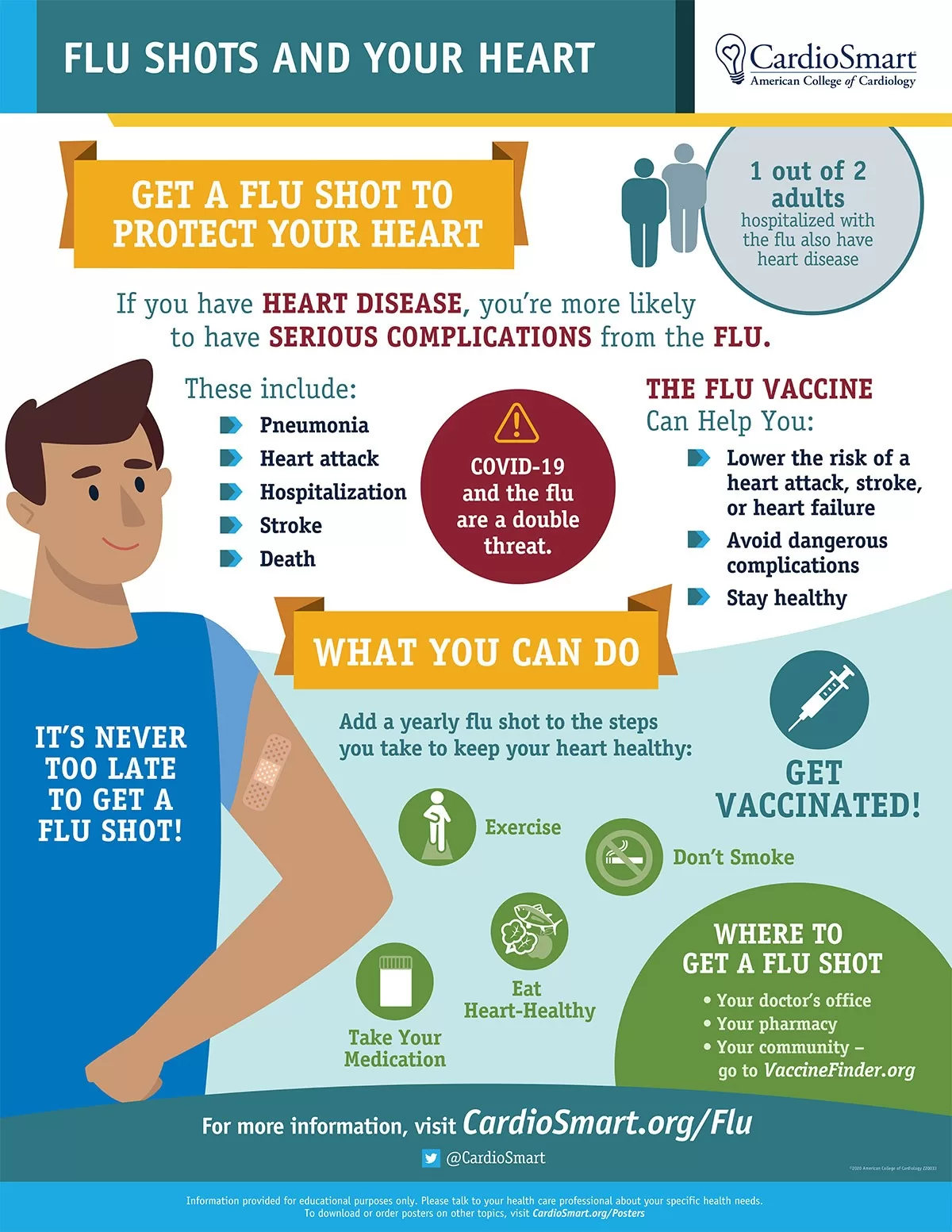
The flu vaccine benefits for heart health have emerged as a significant topic in recent research, revealing how immunization can enhance cardiac well-being. New studies indicate that high-dose flu vaccines not only lower the risk of myocarditis but also offer substantial protection against acute heart failure among hospitalized patients. Particularly among older adults, the high-dose vaccinations demonstrate superior effectiveness compared to standard seasonal flu shots, potentially minimizing cardiovascular events. This is crucial, considering that influenza itself can lead to serious heart complications. In essence, receiving the flu vaccine can serve as an essential preventive measure for individuals concerned about their heart health, especially in vulnerable populations.
Exploring the advantages of flu vaccinations on cardiovascular well-being, recent investigations highlight the protective effects these immunizations have on cardiac function. Enhanced doses of the influenza vaccine appear to significantly mitigate the incidence of heart-related inflammation, commonly known as myocarditis, as well as severely reduce the occurrence of acute heart failure in high-risk patients. By analyzing vaccination outcomes in older demographics and those with existing heart conditions, healthcare professionals can better understand the role of vaccination effects on overall heart resilience. The importance of flu shots for individuals with a history of cardiovascular issues cannot be overstated, as these vaccines may play a vital role in preventing exacerbations of heart disease. Understanding the intersection between flu prevention and heart health can pave the way for improved strategies in patient care during flu seasons.
Benefits of Flu Vaccines for Heart Health
Flu vaccines, particularly high-dose formulations, have been shown to provide considerable benefits for heart health in various studies. These vaccines contain a higher amount of antigen, which helps enhance the immune response and offers better protection against influenza. In older adults, receiving a high-dose flu vaccine is essential since they are more susceptible to complications from both influenza and cardiovascular diseases. Research has indicated that vaccination can lower the risk of acute heart failure and other cardiovascular events, thus underscoring the importance of flu vaccination for maintaining heart health in this demographic.
Moreover, recent findings reveal that flu vaccination not only reduces the possibility of contracting influenza, but also correlates with a lower incidence of myocarditis and cardiovascular diseases. This is particularly relevant for seniors and those with existing heart conditions, where flu can exacerbate underlying health issues. By getting vaccinated, older adults can mitigate risks associated with influenza and improve their overall heart health, highlighting the dual benefits of flu vaccination.
High-Dose Flu Vaccine and Myocarditis Risk
A key advantage of the high-dose flu vaccine is its potential to significantly lower the risk of myocarditis, an inflammation of the heart muscle. Recent studies have shown that older individuals who received the high-dose inactivated flu vaccine experienced a marked reduction in myocarditis and pericarditis, conditions often linked to influenza. In a comprehensive trial involving hundreds of thousands of participants, the high-dose vaccine resulted in fewer inflammatory incidents compared to standard-dose vaccines. This emphasizes the vaccine’s crucial role in protecting vulnerable populations from serious heart-related complications.
As myocarditis poses serious health risks and can lead to long-term cardiac issues, this data underlines the importance of high-dose flu vaccination in older adults. The evidence shows that by choosing to receive the high-dose flu vaccine, seniors not only enhance their immunity against influenza but also actively work to safeguard their heart health. Thus, the correlation between high-dose flu vaccines and reduced myocarditis risk constitutes a major consideration for healthcare providers focusing on preventative measures for cardiovascular health.
Impact of Flu Vaccination on Heart Disease Outcomes
Emerging research has illuminated the positive impact of flu vaccination on heart disease outcomes, particularly among patients with pre-existing cardiovascular conditions. Studies indicate that individuals with a history of heart disease experience fewer hospital admissions and better overall health outcomes when they receive the flu vaccine, especially the high-dose variety. The modest but significant differences in hospitalization rates highlight vaccination as a strategic approach to manage heart health risks associated with seasonal influenza.
The findings suggest that flu vaccinations can serve as an important preventive health measure for at-risk populations, providing both immediate and long-term health benefits. The protection against cardiovascular events translates into decreased incidence of hospitalizations and mortality, thereby enhancing the quality of life for heart patients. Encouraging widespread vaccination can provide vital support in managing heart disease outcomes during flu season, illustrating the broader public health implications of flu vaccines.
Reducing Acute Heart Failure Risk with Vaccination
Flu vaccination has also emerged as a crucial strategy for reducing acute heart failure risk, especially in hospitalized patients. A recent study demonstrated that patients receiving the flu vaccine during hospitalization for heart failure exhibited a remarkable 17% reduction in all-cause mortality and hospital readmissions. This critical finding underlines the role of flu vaccinations not just in preventing influenza but also as a proactive measure to improve outcomes for those already facing heart health challenges.
The study involved a substantial cohort, reinforcing the credibility of the results, which indicate that vaccination can positively influence the management of acute heart failure cases. This is particularly relevant considering the high mortality rates associated with heart failure. Administrating the flu vaccine as part of standard care for heart failure patients could contribute to improved survival rates, thereby highlighting the necessity of integrating vaccination programs into heart health management strategies.
Exploring the Intersection of Vaccination and Cardiovascular Health
The interrelationship between flu vaccination and cardiovascular health is becoming increasingly significant in healthcare discussions. With evidence suggesting that the flu can exacerbate heart conditions, it is essential to understand how vaccination can mitigate these risks. By protecting against influenza, vaccinations reduce the likelihood of cardiovascular complications, thereby supporting a healthier heart in vulnerable populations.
Moreover, as healthcare providers continue to explore the preventive measures available to safeguard heart health, flu vaccinations should be at the forefront. Lack of awareness about the benefits of vaccination could hinder optimal health outcomes for individuals at risk of heart disease. Programs aimed at educating patients on the importance of flu shots can foster better health behaviors and ultimately lead to better health outcomes.
The Role of High-Dose Vaccination in Clinical Practice
In clinical practice, high-dose flu vaccinations are gaining recognition for their superior efficacy in protecting older adults against seasonal influenza. This demographic is particularly susceptible to severe complications from heart disease, making effective vaccination strategies critical. High-dose formulations enhance immune response and offer a protective effect, which is vital for safeguarding heart health in seniors.
Healthcare professionals are encouraged to implement high-dose flu vaccines as a standard recommendation. It is essential for patients to understand that they have options when it comes to flu vaccination, particularly if they are at increased risk of complications. Creating awareness about the distinctions and benefits of high-dose vaccines can empower patients to make informed health decisions, ultimately leading to improved patient outcomes and reduced healthcare costs associated with influenza-related complications.
Assessing the Overall Benefits of Seasonal Vaccination
The overall benefits of seasonal flu vaccination extend beyond the prevention of influenza itself, particularly for those with heart health concerns. By receiving a flu shot, individuals significantly decrease their chances of experiencing serious cardiovascular events during flu season. This holistic approach to health not only focuses on immediate viral protection but also broadens the concept of preventive healthcare.
Healthcare systems must prioritize seasonal vaccinations as part of comprehensive health strategies aimed at reducing the burden of heart disease. The intersection of flu prevention and cardiovascular wellness embodies an essential narrative for public health campaigns, urging individuals to consider flu vaccination as a protective step towards maintaining heart health.
Public Health Campaigns Encouraging Flu Vaccination for Heart Health
Public health campaigns play a crucial role in disseminating information about the importance of flu vaccinations, particularly concerning heart health. By targeting high-risk populations, such as older adults and those with existing cardiovascular conditions, these campaigns can effectively communicate the dual benefits of receiving a flu vaccine. Creating awareness about the relationship between flu vaccination and reduced heart health risks should be a priority for public health initiatives.
Engaging communities through educational outreach and tailored messaging can encourage greater participation in vaccination programs. Highlighting studies that reveal the protective effects of high-dose flu vaccines can contribute to building trust and motivating individuals to prioritize their health during flu season, ultimately resulting in better health outcomes across the board.
Long-Term Heart Health Benefits from Routine Vaccination
Routine flu vaccinations can provide long-lasting benefits for heart health, particularly for those who consistently receive high-dose vaccines. Regular immunization not only helps in protecting against seasonal influenza but also supports overall cardiovascular wellness by reducing risks associated with both myocardial inflammation and acute heart failure. This proactive approach to vaccination can lead to improved long-term health outcomes.
Implementing routine flu vaccination strategies can yield beneficial effects on heart health over time. Individuals who prioritize their vaccinations often exhibit fewer complications and hospitalizations due to heart-related disorders, reinforcing the idea that prevention is key to managing heart health effectively.
Frequently Asked Questions
What are the flu vaccine benefits for heart health?
Flu vaccines, especially high-dose versions, offer significant benefits for heart health by reducing the risk of myocarditis and enhancing protection against acute heart failure. Studies have shown that individuals receiving high-dose flu vaccines experience lower rates of these cardiovascular conditions compared to those with standard vaccines.
How does the high-dose flu vaccine impact myocarditis risk?
The high-dose flu vaccine is associated with a reduced risk of myocarditis and pericarditis. A study found that individuals receiving the higher antigen dose had fewer occurrences of these heart conditions, indicating that high-dose flu vaccination can be strategically beneficial for heart health.
Can flu vaccination help prevent heart failure in patients?
Yes, flu vaccination has been shown to lower the risk of acute heart failure, particularly in hospitalized patients. Research found that patients who received the flu vaccine while hospitalized for heart issues had a significantly reduced risk of mortality and hospital readmission.
What is the relationship between flu vaccines and cardiovascular events?
Studies indicate that flu vaccination, particularly with high-dose vaccines, may lead to fewer cardiovascular events in older adults. The research suggests that even a modest reduction in hospital admissions due to cardiovascular issues can translate into meaningful clinical benefits for heart health.
Is there a benefit of flu vaccination for elderly patients regarding heart health?
Absolutely. High-dose flu vaccines are particularly recommended for adults aged 65 and older, as they provide enhanced protection against influenza which in turn lowers their risk of heart-related complications and improves overall cardiovascular health.
Are there any specific benefits of the flu vaccine for patients with a history of heart disease?
Patients with a history of heart disease can significantly benefit from flu vaccination. Evidence shows that flu vaccines help lower the incidence of cardiovascular events and hospitalizations for these patients, reinforcing the importance of vaccination as a preventative measure for heart health.
What does research say about the effectiveness of flu vaccines on heart health?
Recent studies demonstrate that flu vaccines, particularly high-dose vaccines, are effective in protecting heart health by lowering the incidence of myocarditis and acute heart failure while also potentially reducing cardiovascular hospitalizations among high-risk populations.
| Key Study Findings | High-Dose Flu Vaccine | Standard-Dose Flu Vaccine | |
|---|---|---|---|
| Lower risk of myocarditis or pericarditis incidence. | Higher risk of myocarditis or pericarditis incidence. | ||
| 45.7% relative effectiveness in preventing myocarditis/pericarditis. | Higher number of events observed (35 events). | ||
| 2.25% cardiorespiratory hospital admissions rate. | 2.38% cardiorespiratory hospital admissions rate. | ||
| 1.30% cardiovascular hospitalizations. | 1.40% cardiovascular hospitalizations. | ||
| 17% reduced risk of all-cause mortality or readmission in heart patients. | Higher risk of readmission and mortality without vaccination. | ||
Summary
The flu vaccine benefits for heart health are significant, particularly for older adults and those with cardiovascular conditions. The recent studies illustrate that high-dose flu vaccines notably lower the risks of myocarditis and offer substantial protection against acute heart failure, especially in hospitalized patients. Vaccination not only diminishes healthcare incidences but also contributes to overall heart health, demonstrating the crucial link between flu prevention and cardiovascular well-being.
The content provided on this blog (e.g., symptom descriptions, health tips, or general advice) is for informational purposes only and is not a substitute for professional medical advice, diagnosis, or treatment. Always seek the guidance of your physician or other qualified healthcare provider with any questions you may have regarding a medical condition. Never disregard professional medical advice or delay seeking it because of something you have read on this website. If you believe you may have a medical emergency, call your doctor or emergency services immediately. Reliance on any information provided by this blog is solely at your own risk.