


Childhood vaccines and epilepsy risk have become topics of significant discussion among parents and health professionals alike. Recent studies have aimed to clarify the safety of routine childhood vaccinations, particularly concerning the presence of aluminum adjuvants, which are often used to enhance vaccine efficacy. The Centers for Disease Control and Prevention (CDC) conducted a comprehensive vaccine study that assessed pediatric health data from thousands of children, aiming to dispel myths linking vaccination to neurological conditions such as epilepsy. Findings from this research demonstrate no statistically significant association between following the recommended immunization schedule and the onset of epilepsy, offering reassurance to concerned families. These insights are crucial in enhancing vaccine safety knowledge and ensuring informed discussions between healthcare providers and parents about the importance of maintaining vaccination schedules for optimal child health.
The relationship between childhood immunizations and the risk of seizures has drawn considerable attention in recent years. In light of ongoing debates regarding the safety of vaccinations, including concerns surrounding aluminum compounds as immune enhancers, it becomes imperative to delve into research findings and clinical studies aimed at illuminating these issues. Health data regarding vaccine efficacy and safety are emerging from extensive investigations, providing clarity on how following established immunization protocols may influence the neurological health of children. As parents navigate their choices, understanding the nuances of pediatric vaccines and seizure disorders becomes essential in making informed decisions. Through continued research and open healthcare dialogue, we can ensure that childhood vaccinations remain a cornerstone of preventative health care.
Understanding the Safety of Childhood Vaccines
Childhood vaccines play a critical role in protecting kids from preventable diseases. The safety of these vaccines has been rigorously studied, particularly concerning side effects and long-term health issues. A recent study from the Marshfield Clinic Research Institute emphasizes that routine childhood vaccinations do not increase the risk of developing epilepsy in young children. As vaccination rates fluctuate, providing parents with accurate information on vaccine safety is paramount in maintaining public health.
Reports often circulate in media and among parental groups suggesting potential links between vaccines and various health conditions, including epilepsy. This particular study, which analyzed a significant amount of pediatric health data through the Vaccine Safety Datalink, reinforces the notion that following the recommended immunization schedule does not correlate with an increased risk of epilepsy. Misconceptions surrounding vaccine safety can erode public confidence and lead to vaccine hesitancy.
Examining the Role of Aluminum Adjuvants in Vaccines
Aluminum salts are often used as adjuvants in vaccines to enhance the immune response. Despite public concerns regarding the safety of aluminum adjuvants, the latest research indicates that there is no direct link between the aluminum exposure from vaccines and neurological disorders such as epilepsy. Adjuvants have been critical in ensuring vaccines are effective and have undergone extensive safety evaluations by health agencies.
The study specifically looked into cumulative exposure to aluminum adjuvants in vaccinated children, with findings showing no association with increased epilepsy risk. The results reaffirm the safety profile of the childhood vaccination schedule and highlight the importance of addressing parental concerns regarding aluminum in vaccines. Continued research in this field is essential to provide reassurances to parents and aid pediatric health data in understanding vaccine-related risks.
Childhood Vaccines and Epilepsy Risk: What the Data Shows
Many parents worry about the implications of vaccines on their children’s health, particularly regarding the risk of neurological conditions such as epilepsy. However, extensive research has debunked myths suggesting a connection between vaccines and epilepsy. A significant case-control study focused on children under four years old found that routine vaccinations do not contribute to a heightened risk of epilepsy, regardless of aluminum exposure.
This study’s results align with previous findings within the CDC vaccine study framework, demonstrating the comprehensive nature of vaccine safety monitoring. Children with known epilepsy risk factors had substantially higher odds of developing the condition, underscoring that vaccines are not culprits behind these serious health outcomes. Providing parents with evidence-backed information can help reduce fear and encourage adherence to the immunization schedule.
The Importance of Adhering to the Immunization Schedule
Following the ACIP guidelines for childhood vaccinations is crucial for public health. The recent study’s findings support the safety of the immunization schedule, which is designed to protect against diseases that can cause severe illness in children. Ensuring timely vaccinations not only safeguards individual health but also promotes herd immunity within communities, minimizing the spread of infectious diseases.
Despite challenges arising from vaccine misinformation, healthcare providers play an important role in educating families about the benefits of vaccines and addressing any concerns regarding side effects, including fears surrounding epilepsy. Timely discussions about the immunization schedule can help foster trust and encourage compliance, which is essential for maintaining pediatric health and preventing outbreaks.
Public Confidence in Vaccination Amidst Skepticism
The current climate of skepticism surrounding vaccines, partly influenced by prominent anti-vaccine advocates, has resulted in declining vaccination rates in some communities. The study substantiates the safety and importance of childhood vaccines, providing health professionals with robust data that can reassure anxious parents. In times of misinformation, it is crucial to disseminate accurate, science-based information to restore public confidence in vaccinations.
As the ACIP and federal health agencies navigate changing vaccination guidelines, they must prioritize clear and effective communication of the benefits versus risks of immunization. Continued education on the importance of following the childhood vaccine schedule will empower parents and help prevent serious health issues in their children, ultimately elevating the overall health of the population.
Evaluating Existing Safety Data for Childhood Vaccines
Researchers continue to analyze and compile pediatric health data to evaluate vaccine safety consistently. The extensive data compiled in the Vaccine Safety Datalink has been instrumental in answering questions regarding potential adverse effects of childhood vaccinations. This resource provides a comprehensive look at vaccine outcomes, allowing for informed decisions based on solid evidence.
The reviewed studies, including those focusing on aluminum adjuvants and their effects, are vital to dispelling widespread myths about vaccines. Continuous monitoring and data evaluation ensure that any safety concerns are addressed promptly, contributing to an overall improved perception of vaccine safety and efficacy among parents and health care providers.
Future Directions in Vaccine Research and Safety Monitoring
As vaccine development progresses, ongoing research is essential to address emerging concerns and ensure the safety of immunization protocols. Identifying potential risk factors for vaccine safety, including rare side effects, will continue to be a priority for health organizations. Conducting follow-up studies, particularly on vulnerable populations like very young infants, will enhance our understanding of vaccine impacts over time.
Future investigations into newer vaccines and their potential risks will also focus on ensuring that recommended vaccines do not pose long-term health risks such as epilepsy or other neurological disorders. Implementing robust safety monitoring systems in conjunction with comprehensive research will help reassure parents and reinforce the importance of adhering to vaccination schedules.
Addressing Parental Concerns Regarding Vaccination
Parents often have numerous questions and concerns regarding the safety of vaccines for their children. Focusing on open dialogue between healthcare providers and parents can mitigate fears and foster a supportive environment for vaccination. Providing evidence-based responses to common concerns, such as those related to aluminum adjuvant exposure, is crucial for helping families make informed decisions.
Empowering parents with in-depth knowledge about the immunization schedule, potential risks, and the benefits of vaccination can build trust and encourage adherence. As community health advocates, providers must prioritize transparency and education about vaccine safety and efficacy to dispel misinformation and ensure the continuous protection of children’s health.
Reassurance from Recent Research on Vaccine Safety
The comprehensive findings from recent studies, particularly concerning childhood vaccines and their safety profiles, offer reassurance to parents and healthcare providers alike. The absence of evidence linking routine childhood vaccines and aluminum adjuvants to epilepsy risk is a significant development that reinforces the need for continued vaccination efforts. As health concerns regarding vaccines are addressed, confidence in the immunization schedule can be restored.
This newly available data plays a vital role in counteracting prevalent misconceptions about vaccine safety. By continually sharing research findings and emphasizing the safety of vaccines, public health agencies and professionals can work together to improve vaccination rates and ensure the health of future generations.
Frequently Asked Questions
What is the link between childhood vaccines and epilepsy risk according to recent studies?
Recent studies, including a case-control study from the Marshfield Clinic Research Institute, have found no link between routine childhood vaccines and an increased risk of epilepsy. The research analyzed pediatric health data and confirmed that children who followed the immunization schedule did not have a higher likelihood of developing epilepsy.
Do aluminum adjuvants in childhood vaccines pose a risk for epilepsy?
The study indicated that aluminum adjuvants used in vaccines do not increase the risk of epilepsy in children. Analysis showed that neither the cumulative exposure to aluminum from vaccines nor adherence to the CDC vaccine schedule correlated with higher epilepsy rates.
How does the CDC vaccine study address concerns about vaccine safety and epilepsy?
The CDC vaccine study, utilizing the Vaccine Safety Datalink, examined pediatric health data from thousands of children. The results demonstrated that routine vaccinations and exposure to aluminum adjuvants are not associated with epilepsy, thereby reinforcing the safety of vaccines in childhood immunization.
What should parents know about childhood vaccines and their potential link to epilepsy?
Parents should be reassured that studies, including those analyzing large sets of pediatric health data, show no increased risk of epilepsy from following the childhood vaccine schedule. Understanding vaccine safety can alleviate concerns regarding potential side effects, such as epilepsy.
Are there any risk factors for epilepsy unrelated to childhood vaccines?
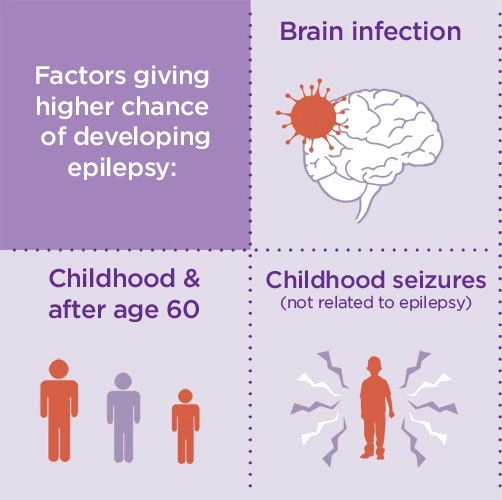
Yes, the study identified that risk factors for epilepsy include being born prematurely, having a family history of epilepsy, and possessing underlying neurological or medical conditions. These factors are more significant than any potential influence from childhood vaccines.
Should parents consider delaying vaccinations due to concerns about epilepsy?
The growing body of evidence suggests that delaying vaccinations is unnecessary and could pose more risks than benefits. Vaccines maintain a strong safety profile, and following the recommended immunization schedule protects children from serious diseases without increasing epilepsy risk.
What does the latest research say about the safety of the childhood immunization schedule?
The latest research, including a comprehensive study of vaccine safety, provides reassurance about the childhood immunization schedule. It shows that vaccines do not increase the risk of epilepsy, ensuring the schedule remains effective and safe for pediatric health.
| Key Points |
|---|
| Routine childhood vaccinations and aluminum adjuvants are not linked to an increased risk of epilepsy in children. |
| The study analyzed data from 2,089 children with epilepsy and 20,139 without, looking for patterns in vaccination and aluminum exposure. |
| Despite concerns, the study found no significant association between following the vaccine schedule and epilepsy risk. |
| Very young infants (1-2 months) receiving certain vaccines may have higher odds of epilepsy, but results did not reach statistical significance. |
| The study’s findings are part of a broader safety assurance regarding childhood vaccinations amid changing health guidelines. |
Summary
Childhood vaccines and epilepsy risk are topics of significant concern among parents. However, recent studies indicate that there is no established link between routine childhood vaccinations, aluminum adjuvants, and an increased risk of epilepsy in young children. This finding is crucial in alleviating parental fears and reinforcing confidence in the safety of childhood immunization schedules. As health authorities continue to gather and review vaccine data, these results provide reassurance that childhood vaccines are safe and essential for protecting children’s health.
The content provided on this blog (e.g., symptom descriptions, health tips, or general advice) is for informational purposes only and is not a substitute for professional medical advice, diagnosis, or treatment. Always seek the guidance of your physician or other qualified healthcare provider with any questions you may have regarding a medical condition. Never disregard professional medical advice or delay seeking it because of something you have read on this website. If you believe you may have a medical emergency, call your doctor or emergency services immediately. Reliance on any information provided by this blog is solely at your own risk.