


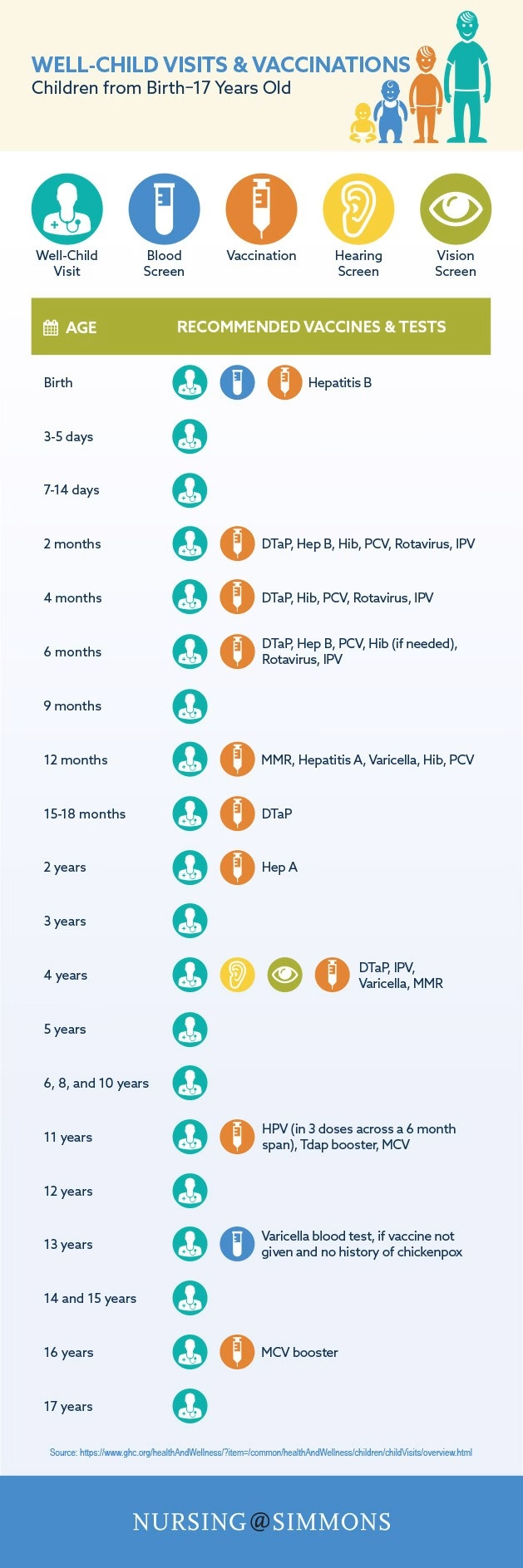
Childhood vaccination plays a crucial role in safeguarding the health of our youngest citizens, ensuring they are protected against various vaccine-preventable diseases. With public health organizations, including the American Academy of Pediatrics, advocating for adherence to routine vaccine schedules, the importance of vaccinations cannot be overstated. Recent controversies surrounding vaccine recommendations have prompted concerns from health experts about the potential consequences of lower vaccination rates. These changes threaten public health and could lead to increased outbreaks and hospitalizations from diseases that were previously controlled. It is imperative for communities to recognize the vital role that childhood vaccination plays in maintaining public health and ensuring a safer future for our children.
Immunization during early childhood is a fundamental aspect of pediatric health care, as it helps shield children from various preventable illnesses. Described by professionals in the health sector as essential, these preventive measures are guided by vaccination strategies endorsed by credible associations, including the American Academy of Pediatrics. As discussions continue regarding changes in vaccination protocols, it is essential to consider the broader impact on public welfare and the risk of surging infections that could arise from declining immunization rates. The conversation surrounding early immunizations and adherence to established vaccination schedules is vital to understanding their significance in reducing morbidity and mortality related to infectious diseases. Engaging with this topic through a public health lens underscores the necessity of promoting vaccination as a cornerstone of child health.
The Importance of Childhood Vaccination
Childhood vaccination is a critical component of public health initiatives aimed at preventing the spread of infectious diseases. Vaccines are designed to protect children from vaccine-preventable diseases such as measles, mumps, and rubella, which can have severe health consequences. The American Academy of Pediatrics (AAP) and other health organizations emphasize the importance of adhering to the routine vaccination schedule, as it mitigates risks associated with these diseases and ensures children develop immunity at an early age.
Recent studies illustrate the significant correlation between high vaccination rates and reduced incidence of outbreaks among children. By fostering community immunity, often referred to as herd immunity, childhood vaccination protects not only vaccinated individuals but also those who are unable to receive vaccines due to medical reasons. This collective protection is crucial in maintaining the overall health of the population and preventing potential epidemics.
Risks of Altering Vaccine Schedules
Changes to the established routine vaccine schedule can have dire implications for both individual and public health. As outlined in the lawsuit filed by the AAP, modifications that weaken childhood vaccination recommendations can lead to a surge in vaccine-preventable diseases. The consequences of lowering vaccination rates are historically evident, contributing to outbreaks that can overwhelm healthcare systems and lead to increased hospitalizations. Public health organizations strongly advocate for maintaining a consistent vaccination framework to prevent these risks.
The recent actions by federal agencies have raised concerns among healthcare professionals, as they challenge the scientific consensus supporting the effectiveness of vaccines. It is vital to recognize that alterations to vaccination recommendations can directly undermine decades of progress in disease prevention, resulting in unnecessary deaths and long-term health complications within communities. Upholding stringent vaccination recommendations is essential to safeguarding public health and ensuring access to preventive care for all children.
Shared Decision-Making and Vaccine Trust
The shared decision-making model (SCDM) has been positioned as a means to promote patient autonomy in healthcare decisions. However, the brief argues that applying SCDM in the context of childhood vaccinations may foster uncertainty and diminish public trust in vaccines. Public health organizations, including the American Academy of Pediatrics, stress that including vaccines in the routine schedule is not a mandate but part of a caregiver’s standard preventive practices. Ensuring that vaccines are perceived as the default option helps reinforce their safety and efficacy.
Emphasizing the importance of clear communication about vaccine safety is critical in combating misinformation. Parents should receive accurate information that underscores the overwhelming scientific support for vaccination, which in turn bolsters confidence in the healthcare system. By reinforcing the established routine vaccination schedule and supporting community engagement, public health organizations can mitigate the potential negative impacts of SCDM and build trust in preventive healthcare measures.
The Role of Public Health Organizations
Public health organizations play an integral role in promoting vaccination compliance and disseminating accurate information about vaccine safety. The American Academy of Pediatrics, alongside other health entities, actively monitors and updates vaccination guidelines to reflect the latest research and public health needs. These organizations work diligently to communicate the benefits of vaccinations not only to healthcare providers but also to families, enhancing understanding and adherence to vaccination recommendations.
In tandem with their advocacy efforts, public health groups often engage in community outreach programs to educate the public about the importance of childhood vaccinations. By collaborating with schools and community leaders, they strive to create supportive environments where vaccination is normalized and encouraged. These initiatives are crucial for maintaining high immunization rates, especially in populations with limited access to healthcare resources. Through such efforts, public health entities can ensure ongoing protection against vaccine-preventable diseases.
Scientific Evidence Behind Vaccination
The foundation of vaccination programs rests on extensive scientific research that confirms the safety and effectiveness of vaccines. Numerous studies conducted by health organizations and institutions underpin the routine vaccination schedule, providing evidence that vaccinations significantly reduce the incidence of infectious diseases. The data collected over decades illustrate that vaccination campaigns lead to lower morbidity and mortality rates, reshaping the landscape of public health.
Moreover, the commitment of organizations such as the Advisory Committee on Immunization Practices (ACIP) to uphold rigorous standards in vaccine approval and recommendations reflects a consensus in the medical community. This scientific validation serves as a cornerstone for public trust, as studies repeatedly show that the benefits of vaccinations outweigh potential risks. Promoting this evidence to parents and caregivers is essential to counteracting misinformation and reinforcing the significance of routine vaccinations.
Legal Perspectives on Vaccination Mandates
The legal implications surrounding childhood vaccinations often come into focus during debates about public health policies. Court cases, such as the ongoing litigation involving the AAP, highlight the necessity for maintaining strong vaccine mandates to prevent outbreaks of vaccine-preventable diseases. Legal arguments emphasize adherence to established protocols under the Administrative Procedure Act, challenging any modifications to vaccination recommendations that may threaten public health.
Advocates for vaccination mandates argue that these laws are grounded in protecting community health and preventing potential epidemics. Allowing for exemptions can weaken herd immunity, especially in vulnerable populations, ultimately leading to increased healthcare burdens. As legal discussions unfold, it becomes imperative to consider the ramifications of altered vaccine schedules on both individual rights and public safety.
Addressing Vaccine Hesitancy
Vaccine hesitancy has emerged as a significant barrier to achieving high vaccination rates in children. Factors contributing to this hesitancy include misinformation, lack of understanding regarding vaccine necessity, and concerns about vaccine safety. Addressing these issues requires targeted communication strategies that emphasize transparency and provide evidence-based information to families. Public health organizations play a pivotal role in dispelling myths and fostering an environment where vaccination is accepted and encouraged.
Programs aimed at educating communities about the science behind vaccines, including the risks of vaccine-preventable diseases, are essential in overcoming vaccine hesitancy. Engaging healthcare providers in these discussions can help build trust, as they serve as credible sources of information. By actively addressing concerns and demonstrating the collective benefits of routine vaccinations, public health advocates can work towards increasing vaccination adherence among families.
Impact of Social Media on Vaccination Perceptions
In the digital age, social media plays a powerful role in shaping public perceptions, including attitudes toward childhood vaccinations. Misinformation spreads rapidly through online platforms, often overshadowing credible information from public health organizations. This alarming trend has profound implications, as social media can amplify fears and doubts surrounding vaccine safety, which may influence parents’ decisions regarding their children’s vaccinations.
Combatting misinformation on social media necessitates proactive strategies from healthcare professionals and public health entities. By engaging with online communities, sharing factual information, and addressing misconceptions, advocates can help promote a balanced narrative around vaccines. Additionally, leveraging influencers and trusted figures in the community to discuss the benefits of vaccination can enhance the message’s reach and credibility, fostering a more informed public.
Future of Vaccination Policies
As public health landscapes continue to evolve, the future of vaccination policies will largely depend on the ongoing research and emerging evidence regarding vaccine safety and efficacy. Public health organizations will need to adapt to new challenges posed by emerging diseases, vaccine hesitancy, and changing social dynamics. Continuous evaluations of routine vaccine schedules, alongside the integration of new vaccines as they become available, will be essential to address public health needs globally.
Furthermore, collaboration among healthcare providers, public health organizations, and legal entities is crucial in shaping effective vaccination policies. By formulating evidence-based guidelines that prioritize community health, these stakeholders can work together to mitigate the risks associated with vaccine-preventable diseases. A commitment to transparency, education, and advocacy will help foster a culture of trust and compliance surrounding vaccinations, ultimately improving public health outcomes.
Frequently Asked Questions
What are the current childhood vaccination recommendations from public health organizations?
Public health organizations, including the American Academy of Pediatrics (AAP), recommend a routine vaccination schedule that includes vaccines for various preventable diseases. These recommendations are based on extensive research and are periodically updated to reflect the latest scientific evidence concerned with childhood vaccination.
How do routine childhood vaccinations help in preventing vaccine-preventable diseases?
Routine childhood vaccinations are essential for protecting children against vaccine-preventable diseases, such as measles, mumps, and whooping cough. By ensuring children receive vaccinations according to the established schedule, we can reduce the incidence of these diseases, prevent hospitalizations, and safeguard public health.
What role does the American Academy of Pediatrics play in childhood vaccination policies?
The American Academy of Pediatrics (AAP) plays a critical role in shaping childhood vaccination policies by developing evidence-based recommendations. Their guidelines aim to enhance vaccination rates and prevent disease outbreaks, advocating for public health measures focused on maintaining the effectiveness of the routine vaccine schedule.
Why is it important to maintain high vaccination rates among children?
Maintaining high vaccination rates among children is crucial to achieving herd immunity, which protects those who cannot be vaccinated due to medical reasons. Low vaccination rates can lead to increased outbreaks of vaccine-preventable diseases, posing a significant threat to public health and the safety of communities, particularly those with limited healthcare access.
What are the consequences of altering the routine childhood vaccination schedule?
Altering the routine childhood vaccination schedule can lead to decreased vaccination rates and an increased risk of outbreaks of vaccine-preventable diseases. As highlighted in recent legal actions, such changes could result in preventable hospitalizations and ultimately unnecessary deaths, impacting public health dramatically.
How can parents stay informed about childhood vaccination recommendations?
Parents can stay informed about childhood vaccination recommendations by consulting their healthcare providers, visiting respected public health organizations’ websites, such as the CDC or AAP, and keeping up to date with local health department announcements regarding vaccination schedules and public health guidelines.
What is the shared decision-making model in relation to childhood vaccinations?
The shared decision-making (SDM) model involves parents and healthcare providers collaboratively discussing vaccination options. While this approach aims to involve parents in vaccination decisions, critics argue it may undermine the standard of care established by routine childhood vaccinations, potentially leading to hesitation and lower vaccination rates among children.
What actions are being taken to protect routine childhood vaccination standards?
Public health organizations, along with the American Academy of Pediatrics, are actively disputing actions that threaten routine childhood vaccination standards through legal channels. They advocate for maintaining robust vaccination policies to ensure children’s protection against vaccine-preventable diseases and promote public health across communities.
| Key Point | Details |
|---|---|
| Support for the Plaintiffs | Public health organizations and legal scholars support AAP against Robert F. Kennedy Jr. in court. |
| Concerns Over Vaccine Recommendations | Recent federal actions threaten childhood vaccination recommendations, risking child health and public health. |
| Legal Action by AAP | AAP alleges that changes violate the Administrative Procedure Act, potentially leading to lower vaccine rates. |
| Impact on Communities | Communities with limited resources could suffer more from increased vaccine-preventable diseases. |
| Shared Decision-Making Model | Criticism of HHS promoting ‘shared clinical-decision making’, which may undermine vaccine trust. |
Summary
Childhood vaccination is essential for ensuring the health and safety of children. Recent developments in legal actions highlight how altering recommendations can jeopardize vaccine uptake and lead to serious public health risks. The American Academy of Pediatrics, along with various organizations, emphasizes the importance of maintaining established vaccination practices to prevent outbreaks of diseases. Ensuring that childhood vaccination is upheld safeguards not only individual children but also the wider community health.
The content provided on this blog (e.g., symptom descriptions, health tips, or general advice) is for informational purposes only and is not a substitute for professional medical advice, diagnosis, or treatment. Always seek the guidance of your physician or other qualified healthcare provider with any questions you may have regarding a medical condition. Never disregard professional medical advice or delay seeking it because of something you have read on this website. If you believe you may have a medical emergency, call your doctor or emergency services immediately. Reliance on any information provided by this blog is solely at your own risk.