


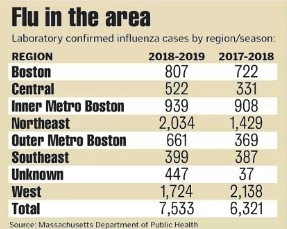
The recent surge in Boston flu deaths has brought significant concern to public health officials as the city mourns the loss of two young children due to flu complications. These tragic pediatric flu deaths, the first recorded in Boston since 2013, highlight the increasing severity of influenza activity in the region. As the Centers for Disease Control and Prevention (CDC) notes, the current flu season has already seen nine pediatric fatalities across the nation by early January. With this alarming trend, experts emphasize the importance of monitoring flu complications, particularly in vulnerable populations like young children. Authorities urge parents to remain vigilant and ensure their children receive proper care as flu cases continue to rise in Boston and beyond.
In light of the recent pediatric losses in Boston, it is imperative to address the broader implications of influenza exposure among children. The rise in severe flu incidents and complications, particularly among those under the age of two, underscores the critical need for awareness and prevention measures. Reports indicate increased influenza activity not just locally, but across the United States, where children are facing significant health risks associated with the flu this season. As communities grapple with these pressing issues, understanding the dynamics of influenza spread and its impact on young lives becomes vital. This situation calls for heightened vigilance and proactive health strategies to mitigate the toll of flu-related health issues.
Boston Flu Deaths: A Public Health Alarm
The recent announcement of two pediatric flu deaths in Boston has raised significant concerns among health officials and the community. These tragic cases, marking the first flu-related pediatric fatalities since 2013, have underscored the severity of the influenza season currently affecting the city. Health Commissioner Bisola Ojikutu emphasized the alarming increase in flu cases among children, indicating a worrying trend that many pediatricians are closely monitoring. The loss of young lives reminds us that flu complications can be severe and even fatal, especially for children under two years old, who are particularly susceptible to severe illness.
In light of the recent CDC flu report, which confirmed that nine pediatric influenza deaths had occurred nationwide during the 2025-26 flu season, the situation in Boston reflects a broader pattern of increased influenza activity across the United States. The Centers for Disease Control and Prevention noted a significant surge in flu cases, with Massachusetts reporting a total of four pediatric flu deaths already this season. Public health officials are urging families to take flu seriously, advocating for proactive measures to reduce flu risks, particularly in vulnerable populations like young children.
Understanding Pediatric Flu Cases and Their Risks
Pediatric flu cases pose a unique set of challenges and risks, particularly during peak flu seasons. Young children, especially those under the age of two, are at a higher risk for serious complications from influenza. The recent deaths in Boston highlight the importance of recognizing the signs and symptoms of flu in children and seeking timely medical attention. Complications such as pneumonia, dehydration, and exacerbation of chronic health issues can occur swiftly and may lead to hospitalization or worse. Parents and caregivers are encouraged to stay vigilant and prioritize prompt treatment during flu outbreaks.
Additionally, the rise in pediatric flu cases has prompted health experts to call for increased vaccination rates among children. Despite the CDC’s recent changes to vaccination guidelines, the importance of maintaining immunization levels cannot be overstated. Annual flu vaccinations have been shown to significantly reduce the incidence of serious flu complications. Given the current trends of flu activity in Boston and beyond, health authorities are advocating for a coordinated effort to ensure that children receive their vaccines and are informed about the risks associated with the flu.
Flu Complications: What Parents Need to Know
Understanding flu complications is crucial for parents as they navigate the health of their children during peak influenza seasons. While many flu cases might present mild symptoms, the potential for complications can lead to severe health issues or even fatalities. Parents should be vigilant for symptoms that go beyond the typical flu presentation, such as difficulty breathing, persistent high fever, or lethargy. Recognizing when to seek medical help can be life-saving, especially for young children who might be less able to voice their discomfort.
Health professionals advise that children with underlying health conditions, such as asthma or congenital heart disease, should receive particular attention during flu seasons due to their increased risk of complications. The tragic recent events in Boston serve as a grim reminder of how rapidly conditions can deteriorate. Parents are encouraged to communicate openly with healthcare providers about their child’s health history and ensure that preventive measures, including vaccination and good hygiene practices, are in place.
Influenza Activity in Boston: The CDC’s Perspective
The CDC has been closely monitoring influenza activity in Boston and across the United States, particularly as the season has seen a notable uptick in cases. As reported, Boston experienced a staggering 126% increase in confirmed flu cases during a short time frame, prompting health officials to take notice and act accordingly. The CDC’s assessment of high influenza activity is crucial for guiding public health responses, including the allocation of resources and educational campaigns about preventive measures like vaccination.
Flu surveillance systems are essential for understanding the dynamics of influenza activity in real time. As noted in the CDC flu report, a substantial percentage of outpatient clinic visits are related to flu-like symptoms, indicating a widespread impact on the community’s health. This heightened awareness can help families prepare for potential surges in flu activity and understand the critical need for vaccination and awareness of flu symptoms in themselves and their children.
Flu Prevention: Vaccination and Community Awareness
In the face of rising pediatric flu cases and related deaths, effective prevention strategies become even more vital. Vaccination remains the cornerstone of flu prevention, and public health officials encourage all eligible individuals, especially children, to receive their vaccinations. Despite recent changes in CDC recommendations regarding seasonal flu vaccinations, medical experts advocate for proactive discussions between parents and healthcare providers to ensure that children are properly vaccinated against influenza.
Furthermore, community awareness campaigns play a significant role in enhancing flu prevention efforts. Educating families about the importance of hygiene practices, such as frequent handwashing, staying home when sick, and recognizing flu symptoms, can significantly impact the overall flu transmission within the community. In Boston, the push for shared responsibility in tackling influenza will be vital as health authorities strive to mitigate the effects of the current flu season.
Monitoring Flu Trends: Importance of Statistics
Monitoring flu trends is essential for understanding the patterns of influenza spread and effectively addressing public health concerns. The alarming increase in pediatric flu cases in Boston reflects a critical time for vigilance and analysis. By examining data from health authorities, including the percentages of clinic visits related to flu symptoms, professionals can identify peaks in activity and implement measures to curb the spread. Maintaining accurate statistics on influenza, including fatality rates in children, is crucial for framing public policy and healthcare responses.
Regular updates from the CDC and local health departments keep the public informed of any substantial changes in flu activity. The statistics not only provide insight into the current state of influenza in the community but inform preventative actions, such as vaccination campaigns or public service announcements. As families stay focused on flu prevention, they should also stay informed about the latest statistics regarding pediatric flu cases and overall influenza activity in Boston.
Impact of Flu Vaccination on Public Health
The effectiveness of flu vaccinations is a critical topic in public health discussions, particularly given the recent increase in pediatric flu complications in Boston. Vaccination serves as the most effective defense against influenza and can significantly reduce the severity of the disease if contracted. Despite adjustments in CDC recommendations, health experts stress that vaccinations among children remain vital to safeguarding their health and preventing severe outcomes.
Moreover, public sentiment and compliance regarding flu vaccinations greatly influence overall community health. The tragic pediatric flu deaths recently reported in Boston serve as a call to action for communities to prioritize vaccination as part of their health routines. Promoting a strong vaccination culture can lead to higher uptake rates and ultimately reduce the incidence of flu-related complications in children, emphasizing the vital role of vaccinations in maintaining public health.
Collaborative Healthcare Strategies for Influenza Management
Effective management of influenza, especially concerning pediatric cases, relies heavily on collaborative strategies between healthcare providers, families, and public health officials. During challenging flu seasons, clear communication and shared decision-making become imperative. Healthcare providers play a pivotal role in guiding families on vaccination, symptoms to watch for, and when to seek further medical care, particularly for high-risk children.
To foster a community-wide approach, initiatives that encourage partnership between schools, health clinics, and families can empower individuals with the knowledge and tools needed to combat influenza. In Boston, engaging various stakeholders in flu education and vaccination outreach can enhance public health responses and minimize the impact of flu-related illnesses in children. Collaboration is not only essential for prevention but equally important when responding to outbreaks and protecting the most vulnerable segments of the population.
Understanding Flu Season Severity and Preparedness
Preparing for the flu season involves understanding its potential severity and the varying impacts it can have on the population, particularly among children. As the recent surge of cases in Boston illustrates, each flu season can differ significantly in terms of active strains and the severity of illnesses caused. Parents must remain proactive to protect their children during high-risk periods by implementing preventive measures, ensuring vaccinations are up-to-date, and being aware of the signs of serious illness.
Moreover, public health preparedness is essential for managing severe flu seasons effectively. It involves assessing local healthcare capacities, establishing protocols for managing surges in patient numbers, and ensuring communities are informed and ready to act. Regular updates and clear communication from health authorities help to prepare the community for the challenges posed by the flu, ultimately aiming to reduce hospitalizations and flu complications among children and adults alike.
Frequently Asked Questions
What factors contributed to the recent pediatric flu deaths in Boston?
The recent pediatric flu deaths in Boston, involving two children under the age of 2, are attributed to a surge in flu cases and complications from influenza, primarily driven by the A(H3N2) strain. With a reported 126% increase in confirmed flu cases during late December, officials warn of heightened risks for children, particularly in this age group.
How has the CDC reported on flu activity and deaths in Boston this season?
The CDC’s flu report indicates that as of January 5, 2026, there have been nine pediatric flu deaths nationwide, including the two tragic cases in Boston. This uptick in influenza activity highlights the seriousness of flu complications affecting children and the pressing need for vaccination.
What precautions can parents take to prevent pediatric flu cases in Boston?
To protect against pediatric flu cases in Boston, parents should ensure their children receive the flu vaccine, monitor for flu symptoms, and maintain good hygiene practices. With a rise in flu complications leading to fatalities, staying informed and proactive is crucial.
What specific challenges does Boston face regarding flu complications among children?
Boston faces significant challenges, as evidenced by the recent pediatric flu deaths and a tripling in hospitalizations linked to flu complications. Health officials are concerned about the cumulative impact of these factors as flu cases continue to rise.
Have pediatric flu deaths been reported in other states similar to Boston?
Yes, as reported, other states have similarly raised alarms concerning pediatric flu cases. For instance, South Carolina recorded nine flu-associated deaths, paralleling the serious influenza activity that Boston is experiencing.
What recommendations has the CDC made regarding flu vaccinations for children in Boston?
The CDC has shifted its recommendations concerning pediatric flu vaccinations. Vaccination for children aged 6 months and older is no longer routinely advised for all, instead, decisions should be made collaboratively between healthcare providers and parents, which may influence vaccination rates amidst rising flu activity in Boston.
What are the symptoms of flu complications that parents should watch for in Boston?
Parents in Boston should be vigilant for symptoms such as high fever, severe sore throat, difficulty breathing, and any worsening of respiratory symptoms, as these can signal serious flu complications requiring immediate medical attention.
How do the pediatric flu deaths in Boston compare historically?
The pediatric flu deaths in Boston mark a concerning benchmark, being the first since 2013. This emphasizes a significant shift in influenza activity, particularly concerning the potential for severe complications in young children.
| Key Point | Details |
|---|---|
| Pediatric Flu Deaths | Two children under the age of 2 have died from flu complications in Boston, marking the first pediatric flu deaths since 2013. |
| Increase in Flu Cases | Boston reported a 126% increase in flu cases from December 14 to December 27, with hospitalizations nearly tripling. |
| National Context | As of January 5, nine pediatric influenza deaths were reported nationwide in the 2025-26 flu season. |
| Serious Flu Activity | The CDC reported that 42.5% of children in the U.S. have received a flu vaccination this season. |
| Vaccination Recommendations | The CDC no longer recommends routine flu vaccinations for all healthy children, suggesting shared decision-making instead. |
Summary
In summary, Boston is currently witnessing significant flu activity, resulting in tragic flu deaths among young children. The recent death of two infants under two years old underscores the risks posed by influenza, particularly during the 2025-26 flu season. City officials and healthcare providers emphasize the importance of vaccination and monitoring flu symptoms as cases rise. The push for tailored vaccination advice reflects ongoing concerns about the health of vulnerable pediatric populations amid this outbreak.
The content provided on this blog (e.g., symptom descriptions, health tips, or general advice) is for informational purposes only and is not a substitute for professional medical advice, diagnosis, or treatment. Always seek the guidance of your physician or other qualified healthcare provider with any questions you may have regarding a medical condition. Never disregard professional medical advice or delay seeking it because of something you have read on this website. If you believe you may have a medical emergency, call your doctor or emergency services immediately. Reliance on any information provided by this blog is solely at your own risk.