


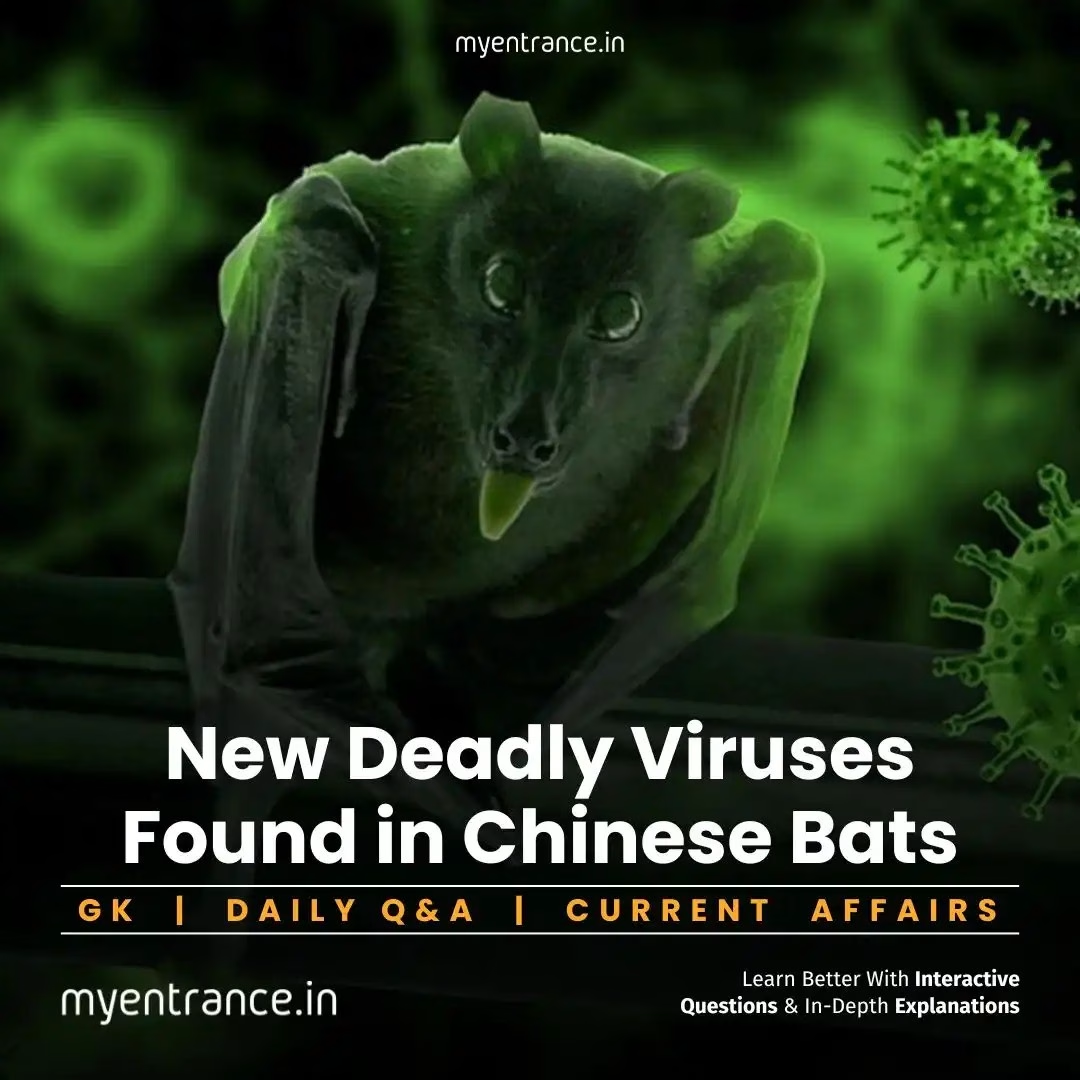
The emergence of the Bat-related virus has raised significant alarm in the context of emerging zoonotic diseases, particularly in regions like Bangladesh that have experienced recent Nipah virus outbreaks. Researchers from Bangladesh have identified this novel bat-borne virus in throat swabs collected from patients initially suspected of having Nipah virus infection. This revelation highlights the potential for previously unrecognized pathogens to circulate quietly among human populations, complicating efforts to manage infectious disease. Understanding bat-borne viruses, including the implications of virus reassortment, is crucial for improving public health responses and preventing future outbreaks. The link between raw date-palm sap consumption and these emerging bat viruses signifies a pressing need for enhanced surveillance and awareness in communities reliant on this traditional food source.
The recent findings surrounding a newly discovered bat-associated pathogen emphasize the ongoing risks posed by bat-borne viruses, an increasingly relevant topic in global health discussions. Dubbed the Bat-related virus, this emerging agent was isolated from individuals undergoing treatment for symptoms connected to Nipah virus infection. Reports indicate that a connection exists between the consumption of raw date-palm sap and the potential spilling over of these pathogens from bats to humans. As awareness of emerging zoonotic diseases expands, it’s critical to recognize that illnesses linked to bat interactions can trigger significant health crises, necessitating an urgent call for vigilant public health measures. Overall, the exploration of these hybrid viruses sheds light on the complexities of virus reassortment and the need for comprehensive research in the field of virology.
Understanding the Emergence of Bat-Related Viruses
Recent research has highlighted the discovery of a new bat-related virus (PRV) amidst suspected Nipah virus (NiV) cases in Bangladesh. This emerging bat-borne virus comes from samples of patients who exhibited symptoms similar to those of NiV infections. The identification of this virus underscores the need for increased surveillance and awareness about zoonotic diseases, particularly those transmitted by bats, which are known reservoirs for numerous viruses such as rabies, Hendra, and Marburg. The emergence of PRV reminds public health officials and researchers alike that the complexities of bat-borne viruses pose significant risks to human health.
With the increasing interaction between humans and wildlife, especially in regions where bat habitats overlap with human activities, the potential for discovering novel bat viruses like PRV is concerning. These viruses not only threaten public health but may also show genetic characteristics similar to those of known pathogens, which can lead to outbreaks if left undetected. Therefore, it is critical to establish comprehensive monitoring systems that focus on the detection of emerging zoonotic diseases, like those stemming from bats, to mitigate future health crises.
The Nipah Virus and Its Bat Connection
The Nipah virus, a severe and often fatal bat-borne virus, has raised alarm due to its high mortality rate and potential for human-to-human transmission. The connection between bats and viruses like NiV means that public health efforts must prioritize understanding these dynamics. In Bangladesh, for instance, NiV outbreaks have historically been associated with the consumption of raw date-palm sap that may be contaminated with bat urine or droppings. This transmission route exemplifies how food source contamination can lead to zoonotic spillover events.
Research into NiV highlights the significance of examining not just NiV itself but also related bat-borne viruses like PRV. Understanding the characteristics and behaviors of these viruses can provide essential insights into how they emerge and spread. According to experts, the coexistence of multiple viruses within the same population of fruit bats can enhance the risk of reassortment, leading to new strains that could further complicate diagnosis and treatment strategies for related diseases. As a result, healthcare providers must be aware of the interconnectedness between different viruses to ensure effective monitoring and response measures.
The Public Health Impact of Bat-Borne Viruses
Emerging zoonotic diseases, including those caused by bat-borne viruses, represent a major challenge for public health systems around the globe. The recent detection of the bat-related virus PRV alongside suspected Nipah virus cases serves as a reminder of the silent threats posed by wildlife. Each outbreak of diseases like Nipah necessitates thorough epidemiological investigations to understand the transmission dynamics and prevent future occurrences. The case in Bangladesh illustrates the importance of integrating findings from viral studies into public health protocols aimed at reducing human exposure to potential pathogens.
Public health initiatives must evolve to include comprehensive surveillance strategies that consider the full spectrum of bat-borne pathogens. This includes implementing educational outreach about the risks of consuming raw date-palm sap in regions known for bat activity. The presence of unknown viruses like PRV can lead to an escalation of health risks, thus highlighting the need for doctors and healthcare providers to consider these emerging threats in their differential diagnosis when faced with unexplained respiratory illnesses or encephalitis in patients.
Virus Reassortment: Implications for Pandemic Preparedness
The phenomenon of virus reassortment, especially in segmented viruses like PRV, poses a significant challenge to pandemic preparedness. Reassortment can introduce genetic changes that enhance a virus’s transmissibility or virulence, allowing previously less pathogenic strains to become more dangerous. This was notably observed when certain genetic segments of PRV showed similarities with strains isolated from bats and humans in Southeast Asia, indicating the dynamic and evolving nature of bat-borne viruses.
Researchers emphasize the need for continuous genetic and serological surveillance to track the emergence of viruses that can impact human health. This is particularly vital in regions with high bat populations and frequent human interactions with wildlife. Understanding how reassortment can affect virus behavior will be critical for developing effective vaccines and treatments against bat-borne pathogens like Nipah or PRV, ensuring that health systems are better equipped to respond to future outbreaks.
Clinical Features of Bat Virus Infections
The clinical features displayed by patients infected with bat-related viruses such as PRV and NiV can often overlap, leading to diagnostic challenges. Symptoms such as fever, abnormal gait, and respiratory issues found in the Bangladeshi patients underscore the necessity for a nuanced understanding of these illnesses among healthcare professionals. Given the variability in symptoms, it is crucial that medical practitioners consider the full range of bat-borne viruses when diagnosing patients exhibiting these signs.
Furthermore, ongoing health impacts reported by patients post-recovery indicate that some bat virus infections may have lingering effects, complicating the overall clinical picture. This highlights the necessity for developing comprehensive treatment plans and follow-up evaluations for those who have recovered from such infections. Increasing awareness among healthcare providers and encouraging the consideration of all potential bat-related viruses in differential diagnoses can lead to improved patient outcomes.
The Role of Environmental Factors in Bat-Borne Virus Transmission
Environmental factors play a crucial role in the transmission dynamics of bat-borne viruses, including the Nipah virus and emerging threats like PRV. The interactions between fruit bats and their habitats, especially in agricultural regions where date-palm sap is harvested, create conditions for zoonotic transmission. As human populations expand into bat habitats, the risk of exposure to these viruses increases, making it essential to address environmental health alongside human health.
Agricultural practices that involve raw sap collection need to be coupled with a better understanding of the risks involved. Awareness campaigns targeting local communities about the dangers associated with bat interactions can guide safer harvesting practices and reduce infection risks. By addressing environmental factors in tandem with surveillance efforts, public health strategies can be more comprehensive and effective, ultimately leading to a better control of zoonotic disease outbreaks.
Food Safety and Bat Virus Contamination
The consumption of raw date-palm sap has been implicated in the transmission of Nipah virus and stands as a potential vector for other bat-borne viruses like PRV. The association between food sources and zoonotic diseases highlights the critical need for food safety measures in regions where these viruses are endemic. Educating consumers about the risks of consuming unprocessed sap, especially in areas with known bat populations, is a vital component of public health strategy.
Effective food safety protocols must encompass all aspects of sap collection, preparation, and distribution to minimize the risk of contamination with bat-borne viruses. Increased monitoring of food products that may come into contact with wildlife can also improve safety and public awareness. By adopting preventive measures in food safety, health authorities can significantly reduce potential spillover events and protect communities from the dangers posed by emerging bat viruses.
Navigating the Diagnostic Challenges of Zoonotic Viruses
Diagnosing infections caused by bat-borne viruses such as Nipah and the recently identified PRV poses unique challenges for healthcare professionals. Given the similarity in clinical presentations, it is vital for providers to have a robust understanding of the differential diagnoses that include multiple bat-related viruses. This is particularly important in endemic regions where cases of respiratory illness and encephalitis might be reported.
Healthcare systems must implement training focused on recognizing the signs and symptoms of infections related to emerging zoonotic diseases. Furthermore, laboratories should enhance capacities for virus identification and genomic sequencing, which can help isolate and diagnose bat-related viruses. Accurate and timely diagnoses are crucial for effective patient management and can ultimately contribute to better surveillance and outbreak response strategies.
Collaborative Efforts in Research and Public Health
Tackling the risks posed by emerging bat-borne viruses requires a multifaceted approach that combines research, public health initiatives, and community engagement. Collaboration between local communities, researchers, and health authorities can significantly enhance understanding and management of zoonotic diseases. The recent findings concerning PRV illustrate the merits of collaborative research efforts that delve into the genetic and epidemiological aspects of bat-related viruses.
Engaging local communities in research while promoting awareness about zoonotic transmission routes can empower individuals to take proactive measures in their health practices. Globally, fostering partnerships between nations that experience similar public health risks from bat-borne viruses can facilitate resource sharing, comprehensive surveillance systems, and coordinated responses to potential outbreaks. Together, these collaborative efforts can fortify defenses against the threats posed by emerging zoonotic diseases.
Frequently Asked Questions
What is the Bat-related virus and its significance in emerging zoonotic diseases?
The Bat-related virus, recently identified alongside the Nipah virus (NiV) in Bangladesh, is significant because it highlights the potential dangers of bat-borne viruses. As a newly discovered pathogen, it raises concerns about undetected viruses that may be circulating in the population and emphasizes the need for vigilant surveillance of emerging zoonotic diseases.
How is the Bat-related virus linked to the Nipah virus infection cases in Bangladesh?
The Bat-related virus was discovered in throat swabs from patients who were initially suspected to have Nipah virus infection. Despite testing negative for NiV, genetic analysis revealed the presence of this new virus, suggesting that the Bat-related virus could present with similar clinical symptoms, thereby complicating diagnosis and treatment.
What are the symptoms associated with Bat-related virus infections?
Symptoms of Bat-related virus infections may resemble those of Nipah virus infections, including fever, altered mental status, abnormal gait, and respiratory difficulties. The connection to bat-borne viruses underscores the importance of recognizing these symptoms, particularly in regions where consumption of raw date-palm sap, a possible transmission route, is common.
What role do bats play in the transmission of the Bat-related virus and other bat-borne viruses like Nipah?
Bats are natural reservoirs for a variety of zoonotic viruses, including Nipah virus. The recent findings indicate that the Bat-related virus may also be transmitted through contact with raw date-palm sap contaminated with bat droppings, which emphasizes the risk associated with bat-borne viruses and their potential to spill over into human populations.
What is virus reassortment and how does it relate to the Bat-related virus?
Virus reassortment refers to the genetic exchange that occurs among segmented viruses, such as the Bat-related virus. This process can lead to changes in virulence and transmissibility, making the virus more dangerous. The researchers found genetic evidence suggesting that reassortment may contribute to the evolution of the Bat-related virus, increasing its zoonotic potential.
Why is it important to include Bat-related virus in differential diagnoses for patients exhibiting symptoms similar to Nipah virus?
Given that the Bat-related virus displays similar symptoms to those of Nipah virus, including respiratory illness and encephalitis, healthcare providers should consider it in differential diagnoses. This is especially crucial in areas like Bangladesh, where the consumption of raw date-palm sap can lead to exposure to bat-borne viruses.
What measures should be taken to monitor Bat-related virus and Nipah virus outbreaks?
Molecular and serological surveillance in populations that consume raw date-palm sap is essential for monitoring both Bat-related virus and Nipah virus outbreaks. This surveillance is vital to detect and control the spread of emerging bat-borne viruses and reduce the risks associated with zoonotic diseases.
| Key Point | Details |
|---|---|
| Emerging Virus Identified | A novel bat-borne virus, PRV, was found in throat swabs from patients suspected of having Nipah virus. |
| Patients and Symptoms | Five patients displayed symptoms like fever, abnormal gait, and breathing issues after consuming raw date-palm sap. |
| Diagnosis Challenge | Negative tests for NiV prompted genetic sequencing that revealed PRV, stressing the need for better diagnostic protocols. |
| Health Concerns | Ongoing health issues were reported by some patients, with risks linked to raw date-palm consumption beyond NiV. |
| Virus Reassortment | PRV’s genome shows similarity to several strains, indicating potential for reassortment affecting risk and virulence. |
| Surveillance Recommendations | Healthcare providers are urged to include PRV in diagnostics for respiratory illnesses linked to bat viruses. |
Summary
The discovery of the Bat-related virus (PRV) highlights critical new findings in our understanding of bat-borne diseases. Identified in patients initially suspected of Nipah virus infection, PRV represents a significant concern for public health due to its similarities in symptoms and potential transmissibility. This new virus underscores the importance of continuous surveillance and the need for healthcare providers to stay vigilant for bat-related viruses as these conditions can have overlapping clinical presentations.
The content provided on this blog (e.g., symptom descriptions, health tips, or general advice) is for informational purposes only and is not a substitute for professional medical advice, diagnosis, or treatment. Always seek the guidance of your physician or other qualified healthcare provider with any questions you may have regarding a medical condition. Never disregard professional medical advice or delay seeking it because of something you have read on this website. If you believe you may have a medical emergency, call your doctor or emergency services immediately. Reliance on any information provided by this blog is solely at your own risk.