

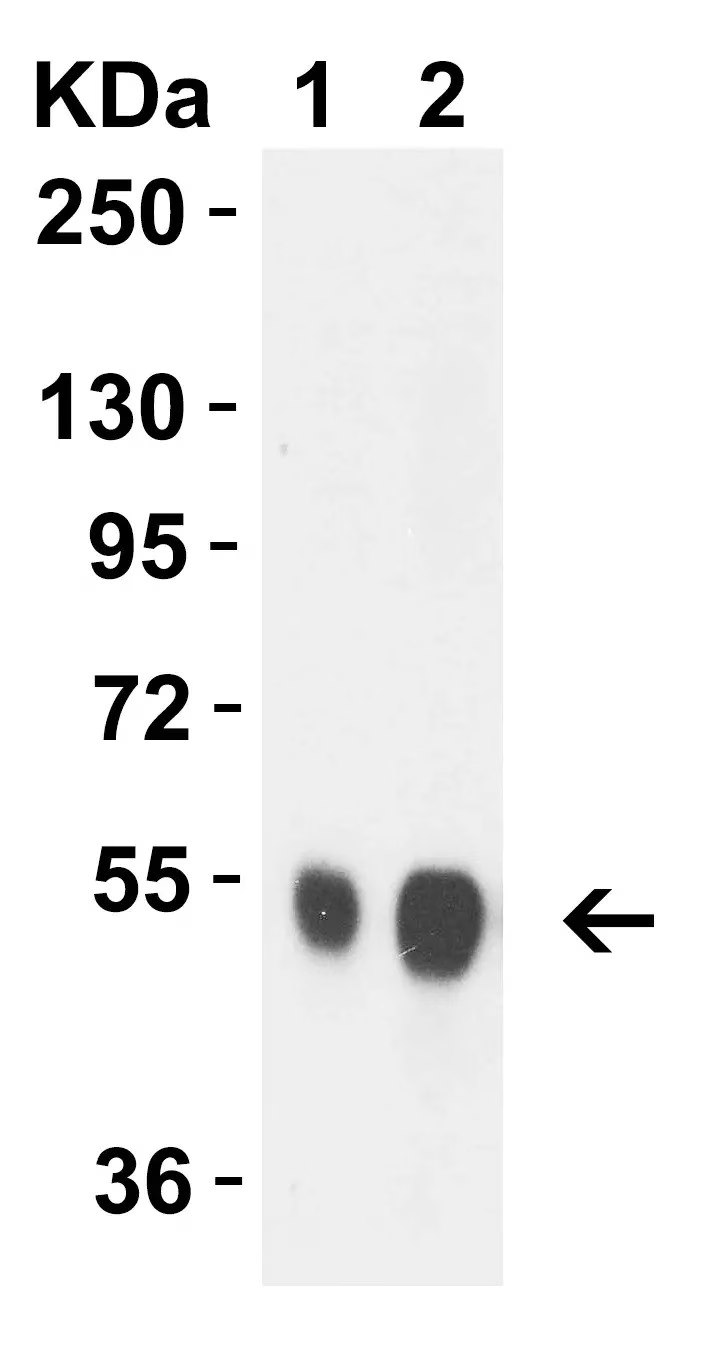
Avian influenza antibodies play a crucial role in our understanding of the body’s immune response to the H5N1 virus. Recent research from British Columbia has unveiled that a significant proportion of individuals possess these antibodies, which may offer a protective barrier against such influenza pandemics. The study highlights that 70% of participants had detectable H5N1 antibodies, reflecting varying concentrations based on age and previous exposure to flu viruses. Interestingly, the highest levels of these cross-reactive antibodies were found in adults who experienced key influenza outbreaks earlier in their lives. This discovery underscores the importance of monitoring antibody levels to better comprehend population immunity against avian influenza.
In recent discussions surrounding avian influenza, researchers have begun to emphasize the significance of antibodies against the H5N1 strain. These immune markers serve as indicators of past infections and potential protective mechanisms for various age groups within the population. Understanding how individuals react immunologically to influenza pandemics can provide valuable insights into community health. Notably, historical exposure to different influenza strains appears to influence the levels of these protective antibodies among varying cohorts. As we delve deeper into the relationship between antibody presence and immune defense, it becomes clearer how vital this knowledge is for managing future outbreaks.
Understanding Avian Influenza Antibodies
Avian influenza antibodies play a crucial role in the immune response against the H5N1 strain of the influenza virus. The recent study highlights that a significant portion of the population in British Columbia possesses these antibodies, suggesting that prior exposure to different strains may enhance immunity. Specifically, researchers found that 70% of individuals tested had detectable H5N1 antibodies, indicating an acquired defense mechanism, particularly among those exposed to pandemics like H1N1, which may share cross-reactive properties with H5N1.
Moreover, the variability in antibody levels across different age groups sheds light on how historical pandemics could shape our immune landscape. Adults born between 1997 and 2003 exhibited the highest levels of H5N1 antibodies, likely due to their experiences during the 2009 H1N1 outbreak. This suggests that prior exposure has a lasting impact on the immune system, allowing it to recognize and respond to similar pathogens more effectively, thus enhancing resilience against future influenza pandemics.
Frequently Asked Questions
What are avian influenza antibodies, and how do they relate to H5N1?
Avian influenza antibodies are immune proteins that the body produces in response to infection or vaccination against avian flu viruses, particularly H5N1. These antibodies are critical for providing immunity, as they can recognize and neutralize the virus, helping to prevent infection and subsequent illness.
How do cross-reactive antibodies contribute to immunity against avian influenza?
Cross-reactive antibodies occur when the immune system responds to one strain of influenza virus and generates antibodies that can also recognize different strains, including avian influenza H5N1. This aids in providing broader protection during influenza pandemics, as these antibodies can respond to varied viral challenges.
What factors influence the level of H5N1 antibodies in individuals?
The level of H5N1 antibodies can be influenced by several factors, including age, prior exposure to various influenza viruses, and the timing of past pandemics. For example, individuals born during earlier pandemics may have higher antibody levels due to prior infections, which enhance their immune response.
Why are antibody levels important in understanding the immune response to avian influenza?
Antibody levels are crucial for understanding the immune response to avian influenza because they indicate how well the body can fight off infections. Higher antibody levels generally correlate with a stronger immune response, which is essential for preventing disease during potential avian influenza outbreaks.
What did the study from British Columbia reveal about H5N1 antibody levels in different age groups?
The British Columbia study revealed that about 70% of participants had detectable H5N1 antibodies, with younger adults born between 1997 and 2003 showing the highest levels. In contrast, younger children born from 2015 to 2023 had the lowest levels, suggesting that historical influenza pandemics significantly influence immunity across different birth cohorts.
Is having high levels of avian influenza antibodies a guarantee of immunity?
While high levels of avian influenza antibodies may suggest better protection against H5N1, they do not guarantee immunity. Other factors, such as the type of antibodies produced and the individual’s overall immune health, also play significant roles in determining true immunity against the virus.
How might past influenza pandemics affect current antibody responses to H5N1?
Past influenza pandemics likely influence current antibody responses through a phenomenon known as ‘imprinting,’ where previous exposures shape the immune system’s ability to recognize and respond to new influenza strains, including H5N1. This can enhance the presence of cross-reactive antibodies among older age groups.
Why are further investigations needed regarding avian influenza antibody levels?
Further investigations are essential to fully understand the implications of avian influenza antibody levels, particularly in relation to protection against severe infections. Insights from these studies can help clarify why certain populations, like older adults, experience milder cases and identify strategies for managing avian influenza outbreaks.
| Key Point | Details |
|---|---|
| Study Overview | Population-based study conducted in British Columbia involving 575 individuals aged 1 to over 80 years. |
| Antibody Detection | 70% of participants had detectable antibodies against avian influenza A(H5N1). |
| Moderate to High Levels | 45% were at a moderate threshold, 32% were slightly higher, and 17% exhibited high concentrations of antibodies. |
| Age Cohorts | Highest levels found in those born from 1997-2003 and before 1947. |
| Influence of Past Pandemics | Responses may reflect exposures to earlier flu pandemics influencing current immunity. |
| Lowest Antibody Levels | Lowest levels found in children born from 2015-2023 and middle-aged adults born from 1957-1967. |
| Caution on Immunity | Authors caution that antibody levels do not solely indicate immunity; further studies needed. |
Summary
Avian influenza antibodies are increasingly recognized for their role in potential protection against avian influenza A(H5N1), as highlighted by a recent study in British Columbia. This research sheds light on how past flu pandemics shape our immune responses, especially among different age cohorts. As significant levels of antibodies were observed in adults who experienced earlier strains, the findings suggest an important relationship between historical exposure and current immunity. With these insights, public health strategies can be better informed to manage future outbreaks.
The content provided on this blog (e.g., symptom descriptions, health tips, or general advice) is for informational purposes only and is not a substitute for professional medical advice, diagnosis, or treatment. Always seek the guidance of your physician or other qualified healthcare provider with any questions you may have regarding a medical condition. Never disregard professional medical advice or delay seeking it because of something you have read on this website. If you believe you may have a medical emergency, call your doctor or emergency services immediately. Reliance on any information provided by this blog is solely at your own risk.