


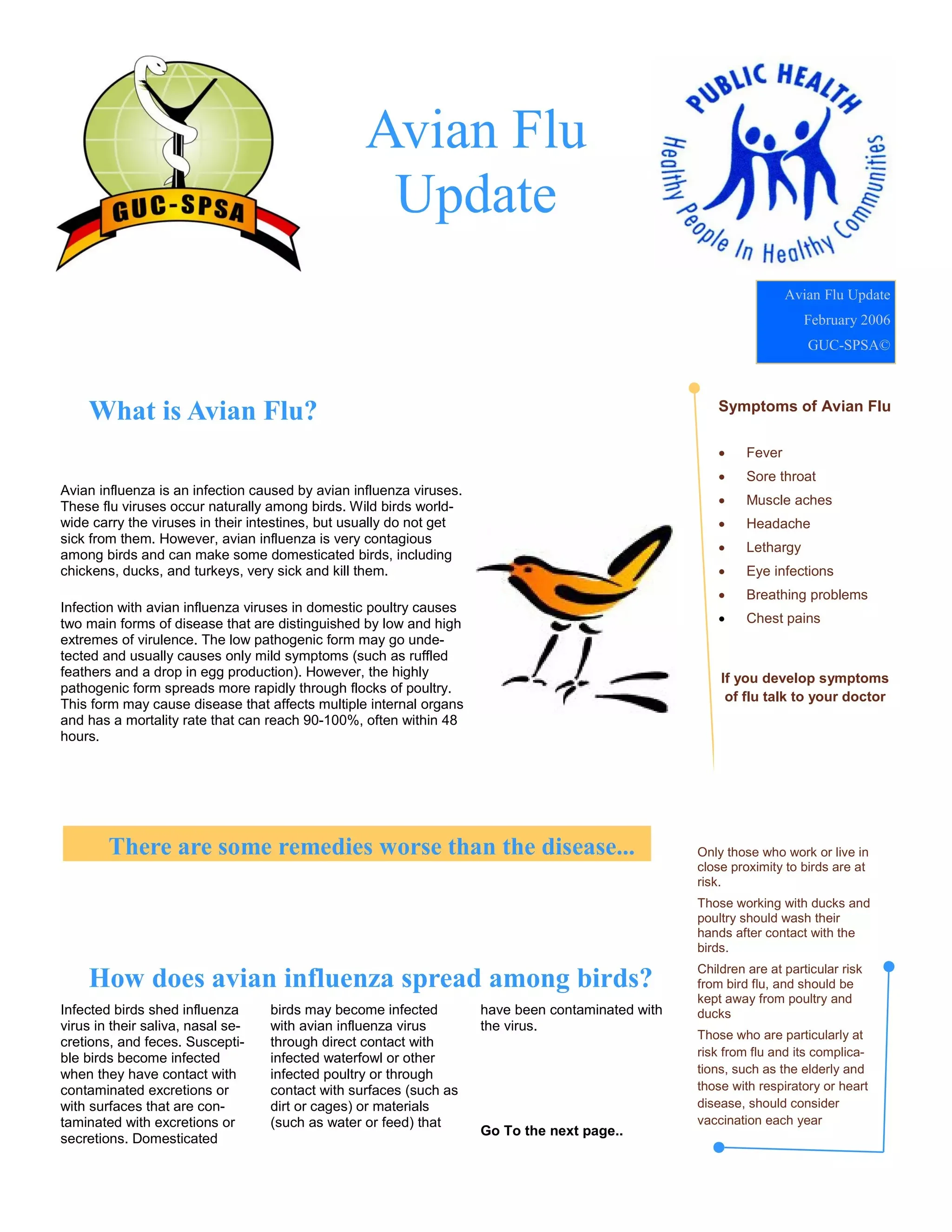
The latest Avian flu update from Wisconsin has raised concerns as the highly pathogenic H5N1 strain was detected in commercial poultry in Jefferson County, marking the state’s first outbreak since April. In collaboration with the US Department of Agriculture, the Wisconsin Department of Agriculture, Trade, and Consumer Protection is taking immediate action by culling the affected birds to prevent further spread. This incident highlights the importance of vigilant pandemic preparedness, especially as recent trends show a rise in poultry outbreaks across several Midwestern states. As the authorities monitor exposed farm workers, the implications of such an outbreak echo the urgency experienced during previous health crises, including the H5N1 outbreak. Meanwhile, the significance of advanced solutions such as the Moderna vaccine continues to emerge in discussions about successfully combating infectious diseases and protecting public health.
A recent development in the realm of aviary health has spotlighted the resurgence of the avian influenza virus in Wisconsin’s poultry industry. This significant incident illustrates the ongoing battle against bird flu, particularly the well-known H5N1 variant, which has caused notable alarms in agricultural sectors. The focus now also includes safeguarding the welfare of exposed workers, as health officials diligently work to mitigate risks associated with this zoonotic pathogen. Additionally, this scenario resonates with broader themes of epidemic preparedness, especially relating to prior cases of infectious diseases that have challenged local populations. In parallel, advancements in medical technology, such as those represented by the Moderna vaccine, are vital in reinforcing our defense against potential pandemics.
Recent Avian Flu Update in Wisconsin Poultry
The recent news regarding the H5N1 avian flu in Wisconsin has raised significant concern among poultry farmers and health officials alike. Detected in Jefferson County, this highly pathogenic strain poses a severe threat not only to local poultry but potentially to the overall food supply chain. With over three million birds on the affected farm, the Wisconsin Department of Agriculture has initiated culling measures to prevent further spread. This incident marks the first significant outbreak in the state in several months, indicating a troubling resurgence of avian flu in various Midwestern states.
As the USDA collaborates with local health agencies, it’s vital for farm workers and their families to remain vigilant. Monitoring protocols are in place to ensure that any exposed individuals can receive appropriate medical attention. Furthermore, the implications of the H5N1 outbreak extend beyond immediate agricultural concerns; it raises alarms about potential zoonotic transmission to humans and the necessity for enhanced biosecurity measures across poultry farms. This incident serves as a reminder of the importance of public health preparedness not just at the local but also at the national level.
Understanding the Plague Cases in New Mexico
In New Mexico, the recent report of a second plague case within the year has sparked discussions about the ongoing risks associated with *Yersinia pestis*. The case involves a 77-year-old man who contracted the disease in Bernalillo County, showcasing that despite its rarity, plague remains a present threat in the region. Health officials report an average of only two plague infections annually, but this case emphasizes the need for continued public awareness and rapid response measures.
Transmission of the plague primarily occurs through flea bites from infected rodents, which can lead to serious health implications if left untreated. Symptoms like sudden fever, chills, and swollen lymph nodes are indicative of this severe bacterial infection. The New Mexico Department of Health has consistently worked on educating the public about these dangers, including preventive measures to avoid rodent exposure in rural areas. By fostering awareness and timely intervention, the state seeks to mitigate risks associated with this historical disease.
Advancements in Pandemic Preparedness with New Moderna Vaccine Plant
The establishment of the new Moderna Innovation and Technology Centre in the UK represents a pivotal advancement in pandemic preparedness. Capable of producing 250 million doses of mRNA vaccines annually, this facility is designed to enhance the country’s capacity to respond rapidly to potential health crises. With the global landscape constantly changing, this investment in biotechnology is a critical step toward ensuring public health safety and maintaining a ready supply of vaccines in the event of outbreaks.
Moderna’s partnership with the UK government, which involves over $1.3 billion in investments, underscores a strong commitment to innovation and research in the field of vaccine development. This ambitious initiative not only aims to combat infectious diseases such as avian flu and plague but also addresses future pandemics we may face. By fostering an environment conducive to scientific advancement, the UK is positioning itself as a leader in public health preparedness, capable of deploying effective responses to the challenges of both present and future health threats.
The Connection Between Avian Flu and Pandemic Preparedness
The recent outbreaks of H5N1 avian flu in Wisconsin shine a light on the interconnectedness of animal health and human pandemic preparedness. Highly pathogenic avian influenza is not just a concern for poultry farms; it has the potential to zoonotically transfer to humans, necessitating robust preparedness strategies. Health authorities are now echoing the importance of integrated surveillance systems that can monitor both wildlife and domestic animal populations, which is crucial for early detection of diseases that could lead to pandemics.
Ensuring biosecurity in poultry farms not only protects the agricultural economy but also fortifies public health systems against possible outbreaks. This multifaceted approach is vital, especially considering the global shifts in disease patterns and the emergence of novel pathogens. Effective pandemic preparedness requires extensive collaboration among agricultural experts, veterinary services, and public health officials to implement proactive measures, from vaccination drives to educational campaigns on hygiene practices in farming communities.
Implications of H5N1 Outbreaks on Poultry Industry
The implications of the H5N1 outbreak in Wisconsin extend far beyond immediate health concerns, significantly impacting the poultry industry as a whole. As the outbreak unfolds and culling becomes necessary, farmers face severe economic losses, not to mention the loss of consumer confidence in poultry products. The avian flu has historically had detrimental effects on poultry markets, leading to price volatility and increased regulatory scrutiny. Producers must navigate these changes carefully to maintain their business viability.
Additionally, this outbreak may prompt changes in federal and state policies regarding biosecurity measures and prevention protocols in agriculture. Learning from past outbreaks, stakeholders in the poultry industry may advocate for enhanced disease monitoring practices and increased funding for veterinary health services. By fostering resilience in the poultry sector, the industry can better prepare for potential future outbreaks, ensuring both the safety of food supplies and farmer livelihoods.
Public Health Responses to Avian Influenza and Plague
Public health responses to avian influenza outbreaks, such as the one in Wisconsin, require a coordinated approach involving multiple stakeholders. The role of state and federal agencies, including the Department of Agriculture and the health services, is crucial in implementing control measures. Resources must be allocated for effective communication with farmers, as well as public education about avian flu symptoms and reporting procedures. By engaging the community in awareness initiatives, health officials can improve response times and reduce transmission rates.
Similarly, the response to the plague cases in New Mexico highlighted another facet of public health collaboration. The timely diagnosis and treatment of the 77-year-old patient underscore the importance of healthcare access and effective epidemiological tracking. Public health departments must continue to educate residents about plague risks and preventative behaviors, especially in areas that serve as endemic habitats for rodents. By promoting proactive health measures, they can significantly mitigate the potential for plague transmission.
Leveraging Technology for Infectious Disease Control
The launch of the Moderna Innovation and Technology Centre is a formidable example of how leveraging technology can aid in infectious disease control. With mRNA technology at the forefront of vaccine development, this facility is set to revolutionize how quickly vaccines can be produced and distributed in response to emerging threats like avian flu and other infectious diseases. Rapid vaccine production not only saves lives but also helps to stabilize economies by preventing widespread outbreaks that could disrupt food systems.
As the scientific community looks to the future, such advancements in vaccine technology may also provide valuable lessons for responding to diseases like the plague. The ability to adapt existing mRNA platforms for different pathogens can expedite the development of vaccines that protect against severe infections. This adaptability is essential for pandemic preparedness and reinforces the need for continued investment in biotechnology and research to stay ahead of evolving health challenges.
Public Awareness of Zoonotic Diseases Post-Outbreaks
Following the recent outbreaks of avian flu and plague, public awareness of zoonotic diseases has become increasingly critical. As these instances illustrate, the transmission of diseases from animals to humans is a pressing health concern that merits broader community understanding. Educational campaigns can shed light on the risks associated with direct or indirect contact with wildlife and domesticated animals, encouraging safer practices that reduce human exposure and prevent potential infections.
Moreover, engaging the public in dialogue about zoonotic diseases fosters an environment of prepared communities. By empowering individuals with knowledge about the symptoms of infections like H5N1 and plague, public health officials enhance the likelihood of early detection and treatment. This proactive approach not only benefits individual health outcomes but also contributes to the overall surveillance and monitoring efforts essential in preventing future outbreaks.
Future Implications of Current Health Trends
The recent health trends, including the outbreaks of avian flu and plague, usher in new considerations for future public health strategies. As both poultry health and human health are linked, lessons learned from these outbreaks should inform comprehensive action plans that encompass various health domains. Future regulations may prioritize enhanced biosecurity protocols in agriculture, ensuring that systems for early detection and rapid response are in place to minimize the impact of similar outbreaks.
Additionally, the establishment of cutting-edge research facilities, such as Moderna’s plant, contributes to a more robust public health framework. The emphasis on developing mRNA vaccines versus traditional methods can pivot the global response to infectious diseases, preparing nations for novel pathogens that could emerge. As public health leaders analyze these trends, it is vital to continuously adapt strategies to meet evolving health challenges head-on, ensuring preparedness remains a top priority.
Frequently Asked Questions
What is the latest update on the H5N1 outbreak in Wisconsin poultry?
The latest avian flu update indicates that highly pathogenic H5N1 avian flu has been detected in commercial poultry in Jefferson County, Wisconsin. The Wisconsin Department of Agriculture is coordinating with the USDA for an incident response, which includes culling affected birds. This marks the state’s first outbreak of H5N1 since April.
How is the Wisconsin Department of Agriculture responding to the avian flu outbreak?
In response to the avian flu outbreak in Wisconsin, the Department of Agriculture is actively working with the USDA to manage the situation. They are culling birds from the affected farm, which houses over 3 million poultry, and monitoring farm workers who may have been exposed to the virus.
What measures are being taken for pandemic preparedness in relation to avian flu?
As part of broader pandemic preparedness efforts, the recent H5N1 outbreak in Wisconsin underscores the need for swift responses and coordination between agencies like the USDA and local health departments. Enhanced monitoring and preparedness plans are critical to prevent the spread of avian influenza and protect public health.
What can individuals do to stay informed about the avian flu outbreak?
To stay informed about the avian flu update, individuals can follow announcements from state and federal health agencies like the Wisconsin Department of Agriculture and the CDC. They can also check reliable news sources for ongoing coverage of the H5N1 outbreak and its impact on poultry and public health.
How does the new Moderna vaccine plant in the UK relate to avian flu and pandemic preparedness?
The new Moderna Innovation and Technology Centre in the UK, capable of producing mRNA vaccines, enhances pandemic preparedness by ensuring rapid vaccine availability during outbreaks, including those caused by avian flu viruses like H5N1. This facility supports research and development efforts crucial for addressing potential public health crises.
What is the significance of monitoring exposed farm workers during the avian flu outbreak?
Monitoring exposed farm workers during the avian flu outbreak is crucial for early detection and containment of potential human infections. The Wisconsin case highlights the importance of ensuring that individuals who may have had contact with infected poultry are observed for symptoms to prevent wider transmission.
Are there any connections between avian flu outbreaks and plague cases in New Mexico?
While avian flu outbreaks like the recent H5N1 case in Wisconsin are primarily related to poultry, they demonstrate the broader themes of zoonotic diseases and public health risks. The recent plague case in New Mexico, though unrelated to avian flu, highlights the ongoing concern of vector-borne diseases and the importance of monitoring health threats in animals and humans.
Where can I find more information about avian flu and public health?
For more information about avian flu updates and public health guidelines, individuals can visit the websites of organizations like the CDC, USDA, and state health departments. These resources provide current data and recommendations regarding avian influenza management and safety protocols.
| Topic | Key Points |
|---|---|
| Avian Flu in Wisconsin | H5N1 avian flu detected in commercial poultry in Jefferson County. Over 3 million birds on the farm. First outbreak since April, linked to increased Midwest outbreaks. |
| Plague in New Mexico | Second case reported in 2023, involving a 77-year-old man. Average of two cases per year. Transmitted by rodents and their fleas; symptoms include fever, chills, headaches. |
| UK mRNA Vaccine Plant | New Moderna plant in Harwell can produce 250 million doses annually. $66.7 million fund for research and development established. |
Summary
The latest Avian flu update highlights significant concerns regarding the detection of the H5N1 strain in Wisconsin’s poultry, necessitating swift government intervention to manage the outbreak. This incident marks a worrying trend of rising avian flu cases in the Midwest, emphasizing the importance of vigilant monitoring in poultry farms. Additionally, while plague cases are reported in New Mexico, underscoring the ongoing public health challenges in the region, advancements in vaccine technology through the new UK mRNA vaccine production facility show a proactive approach towards pandemic preparedness. Collectively, these events underscore the critical need for health agencies to maintain proactive strategies to combat emerging infectious diseases.
The content provided on this blog (e.g., symptom descriptions, health tips, or general advice) is for informational purposes only and is not a substitute for professional medical advice, diagnosis, or treatment. Always seek the guidance of your physician or other qualified healthcare provider with any questions you may have regarding a medical condition. Never disregard professional medical advice or delay seeking it because of something you have read on this website. If you believe you may have a medical emergency, call your doctor or emergency services immediately. Reliance on any information provided by this blog is solely at your own risk.