

Aluminum exposure is a prevalent concern in public health discussions, especially as research highlights that dietary aluminum intake far surpasses that from vaccines. Despite ongoing fears surrounding aluminum adjuvants in childhood vaccines, studies reveal that individuals could consume between 468 to 2,785 mg of aluminum from food over their lifetime, significantly higher than the mere 12 mg from vaccinations. This striking difference calls attention to the aluminum health risks associated with everyday diets, where foods and beverages may contain various amounts of aluminum. Furthermore, aluminum toxicity is a topic that often arises, leading many to question the safety of aluminum in food and its cumulative effects on human health. In this context, understanding dietary aluminum sources and distinguishing them from vaccine exposure is crucial for informed public health decisions.
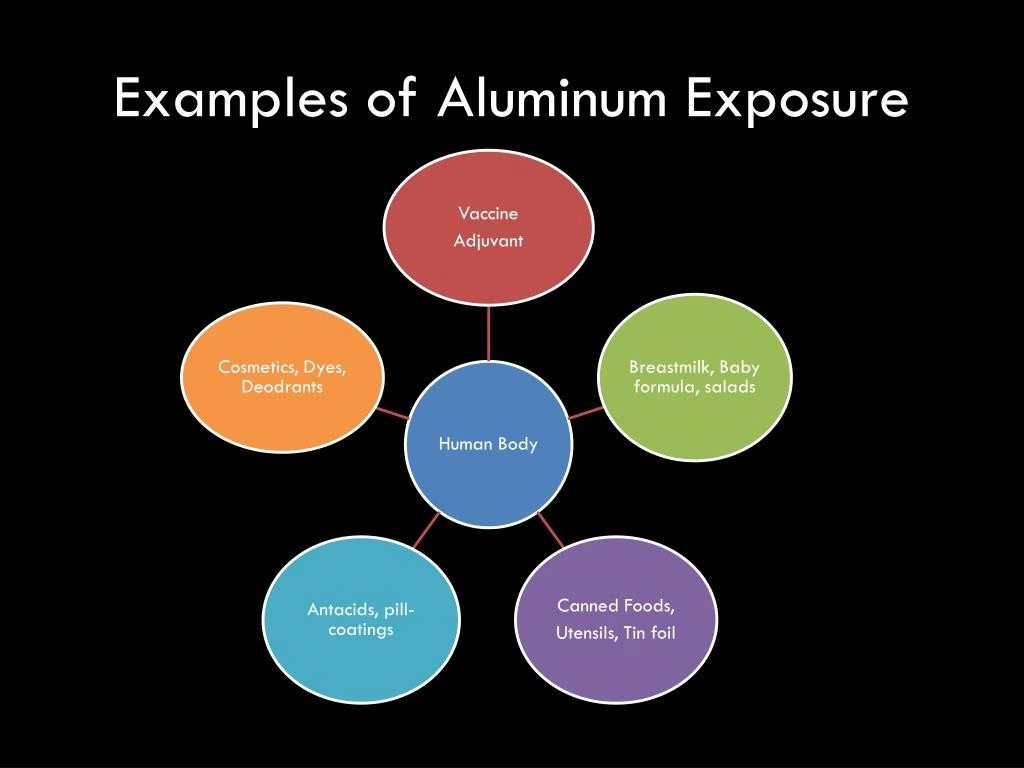
When discussing the impact of aluminum in our environments, the focus often shifts to the various avenues through which individuals are exposed to this common element. From the food we consume to the materials used in packaging and cookware, aluminum pervades our daily lives. This metal is frequently referenced in terms of dietary sources and its implications for long-term health. The conversations surrounding aluminum in healthcare, especially in relation to vaccines, are essential for clarifying misconceptions about aluminum exposure and its potential consequences. As awareness spreads about the sources of aluminum and the contrasts in exposure levels, it becomes increasingly important to differentiate between the aluminum obtained from food and that received through vaccinations.
Understanding Aluminum Exposure from Food Versus Vaccines
As recent studies highlight, aluminum exposure is significantly higher through dietary sources than through vaccines. For instance, a person receiving all recommended vaccines would accumulate about 12 milligrams of aluminum, while dietary intake could range from 468 to 2,785 milligrams over a lifetime. This stark contrast emphasizes the crucial need for public awareness regarding the predominant sources of aluminum exposure we encounter daily, primarily from food and not from immunization practices.
The estimation of aluminum exposure from vaccines, especially during early childhood, reveals that the figures are minimal when juxtaposed with dietary sources. In the first two years of life, children could be exposed to 3 to 18 mg of aluminum through food, while the vaccine contribution remains at a marginal 4.4 mg. These findings should help mitigate the concerns surrounding aluminum adjuvants in vaccines, which have faced scrutiny without substantial evidence linking them to health problems.
Frequently Asked Questions
What are the health risks associated with aluminum exposure in food?
Aluminum exposure from food is generally considered safe for most individuals, as only a small fraction (0.01% to 5%) of ingested aluminum is absorbed into the bloodstream. However, excessive exposure may pose health risks over time, particularly in individuals with impaired kidney function or those who consume high amounts of aluminum-containing foods. Regular monitoring and minimizing consumption of processed foods, which may contain added aluminum, can help mitigate potential health risks.
How does aluminum exposure from vaccines compare to dietary aluminum?
Research indicates that aluminum exposure from dietary sources far exceeds that from vaccines. Over a lifetime, an individual may absorb between 468 to 2,785 mg of aluminum from food, compared to less than 12 mg from all childhood vaccines combined. This significant difference highlights that while vaccines do contribute to aluminum exposure, dietary sources play a much larger role in overall aluminum intake.
Is there a connection between aluminum toxicity and neurological disorders?
Aluminum toxicity can lead to serious health conditions, such as dialysis encephalopathy syndrome, characterized by neurological symptoms due to high aluminum levels in individuals with impaired kidney function. However, studies do not support a link between aluminum exposure from vaccines and neurological disorders like autism or Alzheimer’s disease, indicating that higher aluminum levels are due to rare conditions rather than general health risks from routine aluminum exposure.
How can I reduce my dietary aluminum exposure?
To minimize dietary aluminum exposure, consider the following strategies: avoid processed and packaged foods that may contain additives with aluminum; use glass or stainless steel containers instead of aluminum foil or cans; choose fresh foods over boxed or frozen meals; and be cautious with antacids and medications that may contain aluminum. Maintaining a balanced diet is crucial to reduce aluminum intake effectively.
What common foods contain aluminum, and how much do we consume daily?
Common dietary sources of aluminum include certain types of processed cheese, some baking powders, and even certain vegetables and grains that absorb aluminum from the soil. The average US adult consumes approximately 7 to 9 mg of aluminum daily through food and water, with infants receiving varying amounts from breast milk or formula, particularly soy-based formulas which can be much higher in aluminum.
Are aluminum adjuvants in vaccines safe?
Yes, aluminum adjuvants used in vaccines are considered safe. They have been employed since the 1920s to enhance immune response. Studies show that aluminum from vaccines remains primarily at the injection site and does not enter the bloodstream in harmful quantities. The cumulative exposure from vaccines is significantly lower than that from dietary sources, indicating that vaccine-related aluminum exposure poses minimal health risks.
What is the recommended vaccination schedule regarding aluminum exposure?
According to the January 2025 US immunization schedule, children should receive fewer vaccines compared to previous years, reducing cumulative aluminum exposure from vaccines to less than 12 mg throughout their lifetime. This change reflects ongoing research and public health assessments that prioritize both effective immunization and minimizing aluminum exposure for infants and children.
| Key Point | Details |
|---|---|
| Aluminum Exposure Sources | Dietary aluminum exposure far exceeds exposure from vaccines, with estimates suggesting a lifetime intake of 468 to 2,785 mg from food. |
| Vaccine Aluminum Exposure Estimates | Cumulative lifetime aluminum exposure from recommended vaccines is around 12 mg. |
| Early Life Exposure | Maximum potential aluminum from vaccines in the first two years is 4.4 mg, compared to 3 to 18 mg from diet. |
| Aluminum in Body | Adults typically have 30 to 50 mg of aluminum in their bodies from dietary sources. |
| Aluminum Adjuvants | Aluminum adjuvants in vaccines help improve immune response and remain mostly at injection sites. |
| Safety of Vaccines | Evidence shows that aluminum exposure from vaccines does not cause health issues. |
Summary
Aluminum exposure is a topic of significant public health interest, particularly regarding its sources and implications for health. The review highlighted that aluminum in our diets far exceeds that from vaccines, with dietary exposure being substantially higher throughout life. Routine immunizations represent only a small fraction of total aluminum exposure. Evidence indicates that aluminum-related health concerns associated with vaccines have not been substantiated, reassuring the public that vaccines do not pose harmful effects in early childhood or later in life.
The content provided on this blog (e.g., symptom descriptions, health tips, or general advice) is for informational purposes only and is not a substitute for professional medical advice, diagnosis, or treatment. Always seek the guidance of your physician or other qualified healthcare provider with any questions you may have regarding a medical condition. Never disregard professional medical advice or delay seeking it because of something you have read on this website. If you believe you may have a medical emergency, call your doctor or emergency services immediately. Reliance on any information provided by this blog is solely at your own risk.