


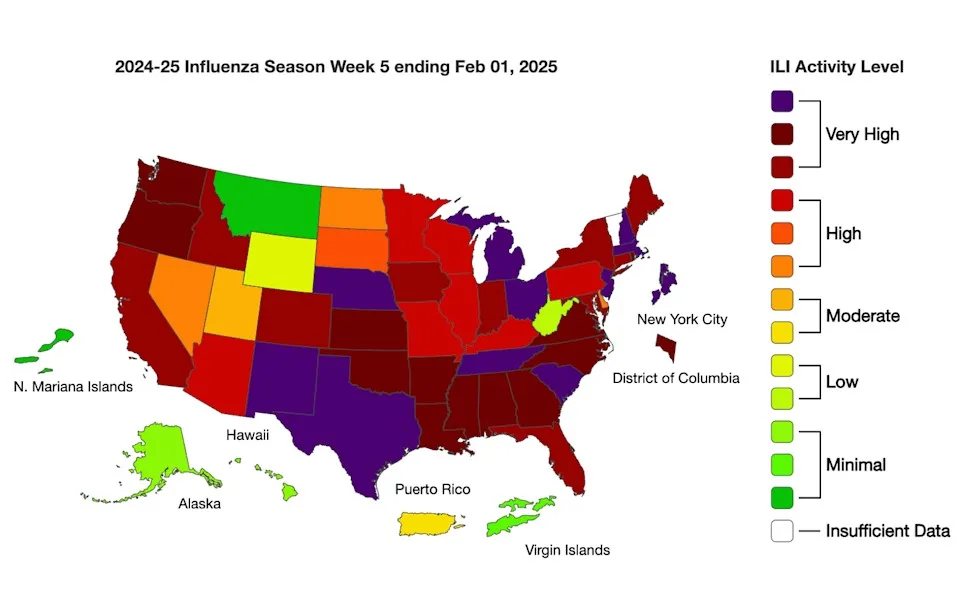
As we brace for the 2024-25 flu season, early analyses highlight its severity, pointing to alarmingly high flu hospitalization rates 2024-25 that have not been seen in over a decade. With the latest report from the CDC indicating a cumulative hospitalization rate of 127.1 per 100,000, it’s critical for individuals, especially those at higher risk, to be vigilant. The report has raised concerns not only about adult hospitalizations but also about pediatric flu deaths during this season, which have tragically reached a record high. Despite the known benefits of the influenza vaccine effectiveness, vaccination coverage remains inadequate, with only one-third of affected patients vaccinated. As flu season progresses, staying updated with respiratory illness updates and ensuring timely antiviral treatment for suspected cases becomes increasingly crucial for public health.
In light of the ongoing health challenges, the upcoming flu season 2024-25 poses significant concerns regarding its impact on the population. The increase in flu-related hospitalizations and fatalities among children calls for immediate attention to vaccination and treatment practices. As healthcare providers continue to monitor influenza trends alongside other respiratory illnesses, it is imperative that the community remains informed about flu vaccination efforts and antiviral protocols. The high rates of flu hospitalization in this season evoke a need for increased awareness and preventative measures amidst ongoing public health discussions. Staying informed through reliable sources like the CDC flu report can equip individuals and families with essential knowledge to navigate any health challenges ahead.
Overview of the 2024-25 Flu Season Severity
The 2024-25 flu season has proven to be particularly severe, with the highest hospitalization rates in over a decade according to the Morbidity and Mortality Weekly Report. Analysis indicates a staggering 38,960 flu-associated hospitalizations recorded nationwide, resulting in an overall cumulative hospitalization rate of 127.1 per 100,000. This alarming rate highlights a significant increase when compared to averages observed over the previous flu seasons, leading health officials to stress the importance of flu prevention and vaccination efforts.
Hospitalization rates peaked in early February, with a record of 13.5 per 100,000, emphasizing the flu’s aggressive spread across all demographics. Patients aged 75 and older were particularly vulnerable, exhibiting hospitalization rates of 598.8 per 100,000. Such data underscore the importance of flu surveillance and intended public health actions to mitigate the flu’s impact on the most susceptible populations, especially those with underlying health conditions.
Frequently Asked Questions
What are the hospitalization rates for the 2024-25 flu season compared to previous years?
The 2024-25 flu season has recorded a cumulative hospitalization rate of 127.1 per 100,000 population, which is the highest rate observed since the 2010-11 flu season. This season’s hospitalization rates across various age groups were significantly higher, ranging from 1.8 to 2.8 times greater than average rates seen from 2010-11 to 2023-24.
How many pediatric flu deaths have occurred during the 2024-25 flu season?
As of now, the 2024-25 flu season has recorded a total of 280 flu-associated pediatric deaths, marking it as the season with the most pediatric deaths in any non-pandemic year since reporting began in 2004.
What has the CDC reported regarding influenza vaccine effectiveness for the 2024-25 flu season?
The CDC emphasizes that during the 2024-25 flu season, only 32.4% of hospitalized patients with influenza had received the vaccine. This highlights the importance of annual vaccination, especially since vaccinated individuals are less likely to experience severe illness.
What are the current trends in respiratory illness updates, including flu?
The CDC’s latest report shows that seasonal flu activity remains low as of early September 2025, with only 0.2% of emergency department visits attributable to flu. However, it’s important to note that the 2024-25 flu season is already known for its severity and high hospitalization rates.
What should individuals know about flu-associated complications during the 2024-25 flu season?
Hospitalized patients during the 2024-25 flu season showed high rates of underlying medical conditions, and many required intensive care or mechanical ventilation. Timely antiviral treatment is crucial to mitigate the risk of complications, as emphasized by CDC recommendations for treating all suspected or confirmed influenza cases.
| Key Points | Details |
|---|---|
| Severity of the 2024-25 flu season | Most severe flu season in over a decade with 38,960 hospitalizations. |
| Hospitalization Rate | 127.1 per 100,000 population, highest since 2010-11 season. |
| Peak Weekly Rate | 13.5 per 100,000 in early February, highest since 2010-11. |
| Demographics | Highest among patients 75+ years (598.8); lowest in ages 5-17 (39.3). |
| Underlying Medical Conditions | 89.1% of hospitalized patients had one or more underlying conditions. |
| Vaccination Rates | Only 32.4% of those hospitalized had a flu vaccine, lower in children (61.6% received antiviral treatment). |
| Total Pediatric Deaths | 280 flu-associated pediatric deaths in 2024-25 season, most in any non-pandemic season. |
| Current Flu Activity | Current flu activity is low, with an ED visit percentage of only 0.2%. |
Summary
The 2024-25 flu season has proven to be exceptionally severe, marking the highest hospitalization rates in over a decade. With 38,960 flu-related hospitalizations recorded and a cumulative rate of 127.1 per 100,000 population, this season underscores the importance of flu vaccination and antiviral treatments. The need for increased vaccination rates, especially among high-risk groups, should be emphasized as we prepare for the ongoing impact of flu this season.
The content provided on this blog (e.g., symptom descriptions, health tips, or general advice) is for informational purposes only and is not a substitute for professional medical advice, diagnosis, or treatment. Always seek the guidance of your physician or other qualified healthcare provider with any questions you may have regarding a medical condition. Never disregard professional medical advice or delay seeking it because of something you have read on this website. If you believe you may have a medical emergency, call your doctor or emergency services immediately. Reliance on any information provided by this blog is solely at your own risk.