

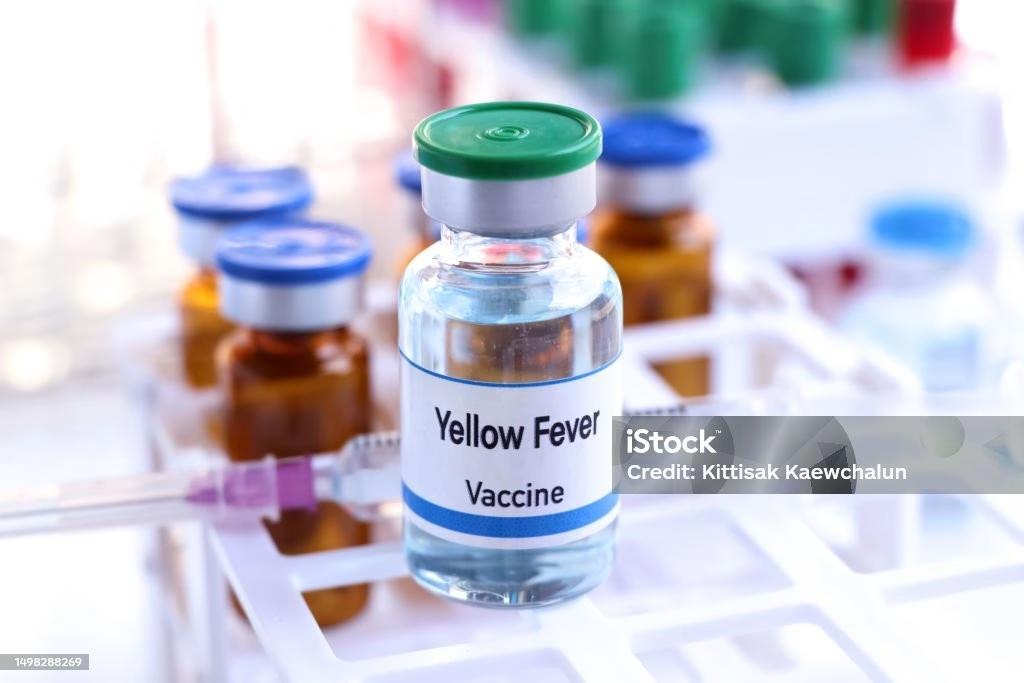
The yellow fever vaccine is an essential tool in preventing one of the world’s leading mosquito-borne diseases, offering robust protection against yellow fever for individuals in endemic areas. As public health organizations advocate for advancements in yellow fever immunization efforts, understanding the vaccine’s efficacy is more crucial than ever. Recent vaccination trial results indicate that antibody levels following immunization can vary significantly, particularly among infants receiving lower doses. In alignment with WHO recommendations on yellow fever, the implications of these findings emphasize the need for careful consideration in pediatric vaccine schedules to ensure optimal coverage. With ongoing research and trials, the pursuit of effective vaccination strategies continues to be a pivotal element in combating yellow fever globally.
Vaccination against yellow fever represents a critical public health measure designed to curb the spread of this dangerous viral infection. As health authorities worldwide strive to enhance the immunization framework, it is vital to grasp the nuances surrounding the pediatric vaccination schedule and how it relates to emerging research. Alternate dosing strategies have gained attention, especially when assessing antibody responses among young children, which may not align with historical adult dosing standards. Moreover, findings from recent studies are reshaping our understanding of effective antibody levels in children, underscoring the importance of adhering to WHO guidelines for yellow fever protection. As we explore the landscape of vaccine trials and recommendations, it becomes clear that optimizing immunization efforts is essential to safeguard future generations from yellow fever.
Understanding Yellow Fever Vaccine Efficacy
The yellow fever vaccine is a crucial immunization that protects individuals against the potentially fatal yellow fever virus, which is transmitted through mosquito bites. Recent research has highlighted variations in vaccine efficacy based on dosage, especially amongst infants. A study conducted in Kenya and Uganda demonstrated that infants receiving a lower dose of the yellow fever vaccine exhibited reduced antibody levels compared to those receiving the standard dose. This finding suggests that minimum dose requirements may not be directly applicable to this younger demographic, emphasizing the need for tailored vaccination strategies.
As the World Health Organization (WHO) advocates for vaccination amid potential shortages during outbreaks, understanding the nuances of yellow fever vaccine administration becomes vital. The study’s primary outcome focused on seroconversion rates—how many individuals developed sufficient antibody levels post-vaccination. The results indicated that while a 99% seroconversion rate was achievable with the standard dose, the diminished efficacy at lower doses raises concerns about long-term immunity in vulnerable populations like infants. Hence, further inquiries into pediatric vaccine schedules must include these empirical findings to optimize protective measures.
Implications of Lower Antibody Levels in Infants
The implications concerning lower antibody levels among infants receiving reduced doses of the yellow fever vaccine warrant critical attention. With waning antibodies potentially correlating with decreased protection, public health officials need to assess how these findings impact future vaccination guidelines. Researchers, including Lance Turtle, advocate for adhering to standard dosing in infants, aligning with the WHO’s Expanded Programme on Immunization. This approach aims to enhance the overall immunity landscape for children, who are at heightened risk for severe outcomes from yellow fever.
Furthermore, the exploration of seroconversion rates underpins the urgency for revising immunization strategies tailored to infants. Studies have shown that suboptimal antibody levels could result in a larger population devoid of detectable neutralizing antibodies, heightening vulnerability to yellow fever outbreaks. Therefore, ongoing surveillance and clinical trials should prioritize investigating pediatric vaccine efficacy, ensuring that future immunization schedules not only align with WHO recommendations but adequately safeguard against outbreaks that disproportionately affect children.
WHO Recommendations for Yellow Fever Vaccination
In the context of yellow fever vaccination, the World Health Organization (WHO) plays an instrumental role in guiding global health practices. In light of recent findings regarding antibody levels and dosage, the WHO’s recommendations emphasize the importance of adhering to standard doses for infants within routine immunization programs. This strategic direction aims to ensure higher seroconversion rates, particularly given the rising incidents of yellow fever in endemic regions.
Additionally, the WHO has suggested the adoption of fractional doses of the yellow fever vaccine during outbreak conditions as a viable strategy to mitigate vaccine shortages. This recommendation is particularly relevant given the limited production capacity of the yellow fever vaccine, which relies on egg culture techniques. Therefore, understanding and implementing WHO recommendations can bolster vaccination efforts, ensuring that vulnerable populations, especially infants, are adequately protected from yellow fever.
The Role of Vaccination Trials in Shaping Pediatric Immunization Policies
Vaccination trials serve as pivotal tools in shaping pediatric immunization policies by providing empirical evidence on vaccine efficacy and safety among different demographics. Recent trials examining the yellow fever vaccine’s efficacy in infants underscore the necessity for tailored vaccination schedules. The trial results indicating that a 500 IU dose yielded a seroconversion rate that fell short of the non-inferiority threshold prompt a reevaluation of infant immunization approaches, reinforcing the case for standard dosages.
Moreover, these trials contribute to the broader understanding of antibody levels in response to the yellow fever vaccine. The ongoing collection of data from vaccination trials is crucial for informing health policies and ensuring that infant immunization schedules reflect current scientific knowledge. As health organizations strive to maximize the protective benefits against yellow fever for all age groups, the integration of findings from vaccination trials is essential for the development of comprehensive immunization strategies.
Navigating Public Health Advocacy in Immunization Practices
Public health advocacy plays a vital role in influencing immunization practices, particularly when changes are proposed to pediatric vaccination schedules. Organizations like the American Academy of Pediatrics (AAP) have taken a stand against recent alterations to the immunization guidelines set forth by the Advisory Committee on Immunization Practices (ACIP). Their advocacy seeks to uphold the integrity of established immunization practices, emphasizing the need for consistency in pediatric vaccine schedules to safeguard public health.
The ongoing dialogue between public health organizations and regulatory bodies is essential for maintaining evidence-based immunization policies. As the AAP and allied organizations push back against potentially arbitrary changes, it highlights the significance of stakeholder collaboration in addressing concerns about vaccine efficacy and safety. This advocacy not only aims to protect children from preventable diseases like yellow fever but also underlines the importance of ensuring that vaccination protocols reflect the latest research insights.
Addressing Vaccine Shortages through Fractional Dosing
Vaccine shortages pose a significant challenge in managing infectious diseases, and recent studies have indicated that fractional dosing of the yellow fever vaccine could be a viable solution. The WHO has recommended fractional doses during yellow fever outbreaks to optimize limited vaccine supplies while still achieving adequate protection within the population. By implementing this strategy, public health systems can prioritize vaccination efforts, particularly in high-risk areas.
In light of ongoing production constraints due to the reliance on egg culture methods for the yellow fever vaccine, adopting fractional doses presents an innovative approach to enhance immunization coverage. Research findings suggesting that lower doses may sustain sufficient antibody levels can lead to revisions in public health strategies. Consequently, addressing vaccine shortages through fractional dosing not only promotes wider access to yellow fever immunization but also contributes significantly to controlling potential outbreaks.
Long-Term Effects of Vaccine Administration on Infant Immunization
Understanding the long-term effects of vaccination on infants remains a pivotal aspect of pediatric health. The recent findings regarding reduced antibody levels stemming from lower doses of the yellow fever vaccine call for rigorous longitudinal studies to monitor the durability of immunity in infants. Assessing these long-term effects is crucial for determining appropriate immunization schedules and ensuring that children retain adequate protection against diseases.
Future research should concentrate on tracking the immune responses of infants over time, particularly those who received varying doses of the yellow fever vaccine. This data is indispensable for shaping pediatric vaccine policies and can inform modifications to vaccination guidelines that align with ongoing global health challenges. By prioritizing the long-term outcomes of yellow fever immunization, public health officials can better safeguard the population’s health in the face of persistent infectious threats.
Ethical Considerations in Pediatric Vaccine Trials
Conducting pediatric vaccine trials requires careful consideration of ethical implications, ensuring that the safety and well-being of infants are prioritized. Recent studies examining the yellow fever vaccine’s efficacy at lower doses sparked discussions within the scientific community about ethical boundaries in research involving vulnerable populations. It is imperative that trials are designed with robust ethical frameworks that safeguard participants while advancing scientific knowledge.
Moreover, transparency in reporting trial results and addressing any adverse events is essential for maintaining public trust. The ethical considerations surrounding vaccination trials extend beyond participant safety—they encompass the broader social responsibility to promote effective immunization practices. Ensuring that research adheres to ethical standards will ultimately lead to more credible findings that can shape future pediatric vaccination policies and improve public health outcomes.
The Contribution of Antibody Level Research to Public Health Strategies
Research into antibody levels and their implications for vaccine efficacy is crucial for informing public health strategies. The findings that lower doses of the yellow fever vaccine can result in diminished antibody responses highlight an area of concern that requires immediate action. Increased public health investment in understanding these antibody dynamics is essential for refining vaccination protocols, particularly for vulnerable groups such as infants.
As public health organizations assess the impact of antibody levels on immunity, the integration of this research into policy-making becomes vital. By prioritizing antibody level studies, stakeholders can develop more robust vaccination schedules that align with current science, enhancing overall community resilience against disease outbreaks. This proactive approach ensures a well-informed public health response to the challenges posed by diseases like yellow fever.
Frequently Asked Questions
What are the WHO recommendations for yellow fever vaccination?
The World Health Organization (WHO) recommends that yellow fever vaccination should be included in routine immunization schedules in endemic areas, particularly for children over 9 months of age. They also support the use of fractional doses of the yellow fever vaccine during outbreaks to maximize limited supplies.
What are the key findings of recent pediatric vaccine trials on yellow fever vaccine?
Recent pediatric vaccine trials, particularly one conducted in Kenya and Uganda, showed that infants receiving a lower dose of the yellow fever vaccine had reduced antibody levels compared to those receiving the standard dose. This indicates that minimum effective dose requirements for yellow fever vaccination in children may differ from adults.
How does the yellow fever vaccine affect antibody levels in children?
The yellow fever vaccine has shown varying results regarding antibody levels in children. A study indicated that the seroconversion rate was slightly lower for infants receiving a 500 IU dose compared to the standard dose, potentially leading to reduced long-term immunity against yellow fever.
What are the implications of lower antibody levels from the yellow fever vaccine?
Lower antibody levels following yellow fever vaccination may increase the risk of individuals falling below detectable protective levels over time. This suggests the need for standard doses, especially in infants, to ensure optimal immunity, as animal studies indicate a correlation between antibody levels and protection.
Why are pediatric vaccine schedules important in the context of the yellow fever vaccine?
Pediatric vaccine schedules are essential to ensure that children receive timely immunizations, including the yellow fever vaccine, to protect against preventable diseases. Changes to these schedules, particularly in relation to yellow fever vaccination, can impact overall public health strategies and outbreak responses.
What are the eligibility criteria for yellow fever vaccination according to WHO?
The WHO recommends that individuals over the age of 9 months living in or traveling to endemic areas should receive the yellow fever vaccine. Special considerations should be made for children under these age groups based on current pediatric vaccine research and findings.
What are the challenges posed by yellow fever vaccine production and availability?
The production of yellow fever vaccine faces challenges due to its reliance on egg culture, which limits scalability during outbreaks. This highlights the importance of WHO recommendations for fractional doses, which can effectively address shortages in emergency situations.
Are there any reported adverse effects from the yellow fever vaccine?
While some serious adverse events have been reported following yellow fever vaccination, studies typically conclude that these events are unrelated to the vaccine. Monitoring vaccine safety remains an essential component of vaccine programs.
How do yellow fever vaccination strategies adapt during outbreaks?
During yellow fever outbreaks, vaccination strategies may adapt by implementing fractional doses of the yellow fever vaccine to stretch limited supplies and reach more individuals effectively. This aligns with WHO recommendations to optimize immunization efforts in emergency situations.
What is the significance of seroconversion rates in yellow fever vaccine trials?
Seroconversion rates are critical in evaluating the effectiveness of the yellow fever vaccine, indicating the percentage of individuals who develop detectable antibodies after vaccination. This measure helps inform adjustments to vaccination strategies and dosing, particularly in children.
| Key Point | Details |
|---|---|
| Public Health Organizations’ Action | Led by the American Academy of Pediatrics, several health organizations are working to block the February ACIP meeting and reverse changes in the pediatric immunization schedule. |
| Yellow Fever Vaccine Trial | A trial showed that infants receiving a lower dose (500 IU) of the yellow fever vaccine exhibited lower antibody levels than those receiving the standard dose, suggesting dose adjustments may need reconsideration for infants. |
| Seroconversion Rates | The seroconversion rate was 99% for standard dose recipients compared to 93% for lower dose recipients, with the difference failing to meet non-inferiority thresholds. |
| Adverse Events | 12 serious adverse events were reported, but none were linked to the vaccination. |
| Guidance from Experts | Experts recommend using standard yellow fever doses for infants, reinforcing the importance of following WHO immunization guidelines. |
Summary
The yellow fever vaccine is crucial for protecting against the mosquito-borne disease yellow fever, particularly in vulnerable populations such as infants. Recent findings from a clinical trial suggest that lower doses may be insufficient for infants, highlighting the need for adherence to established dosage guidelines to ensure robust immunity. Given the potential risks associated with suboptimal antibody levels, it’s imperative to follow the World Health Organization’s recommendations regarding vaccination practices.
The content provided on this blog (e.g., symptom descriptions, health tips, or general advice) is for informational purposes only and is not a substitute for professional medical advice, diagnosis, or treatment. Always seek the guidance of your physician or other qualified healthcare provider with any questions you may have regarding a medical condition. Never disregard professional medical advice or delay seeking it because of something you have read on this website. If you believe you may have a medical emergency, call your doctor or emergency services immediately. Reliance on any information provided by this blog is solely at your own risk.