

Rocky Mountain spotted fever (RMSF) is a tick-borne disease that poses a significant health risk to pediatric patients, particularly in regions like Sonora, Mexico. This life-threatening illness, which has been associated with hazardous outcomes in children, has drawn attention due to its high case-fatality rates in hospitals. Studies indicate a concerning rise in hospitalizations related to RMSF, with effective treatment crucially hinging on early diagnosis and appropriate management. In fact, delayed treatment has been identified as a key predictor of fatal outcomes in children infected with this disease. By understanding RMSF and its implications, health officials can implement targeted interventions, ultimately aiming to reduce fatalities and improve health outcomes for affected pediatric populations in endemic areas throughout Mexico and beyond.
Also known as Rocky Mountain spotted fever, this serious tick-borne illness represents a crucial public health challenge, especially among younger demographics. The mortality risk for pediatric patients suffering from this condition highlights the necessity for increased awareness and timely medical intervention. Fatal outcomes in children often occur due to several factors, including delayed treatment and pre-existing vulnerabilities that warrant specialized care. By delving into the interplay of RMSF and other related tick-borne diseases, we can enhance our understanding of their epidemiology, particularly in regions with high rates of pediatric hospitalizations. Greater emphasis on early detection and response is essential for improving survival rates and outcomes for children affected by these dangerous diseases.
Understanding Rocky Mountain Spotted Fever and Its Impact on Pediatric Patients
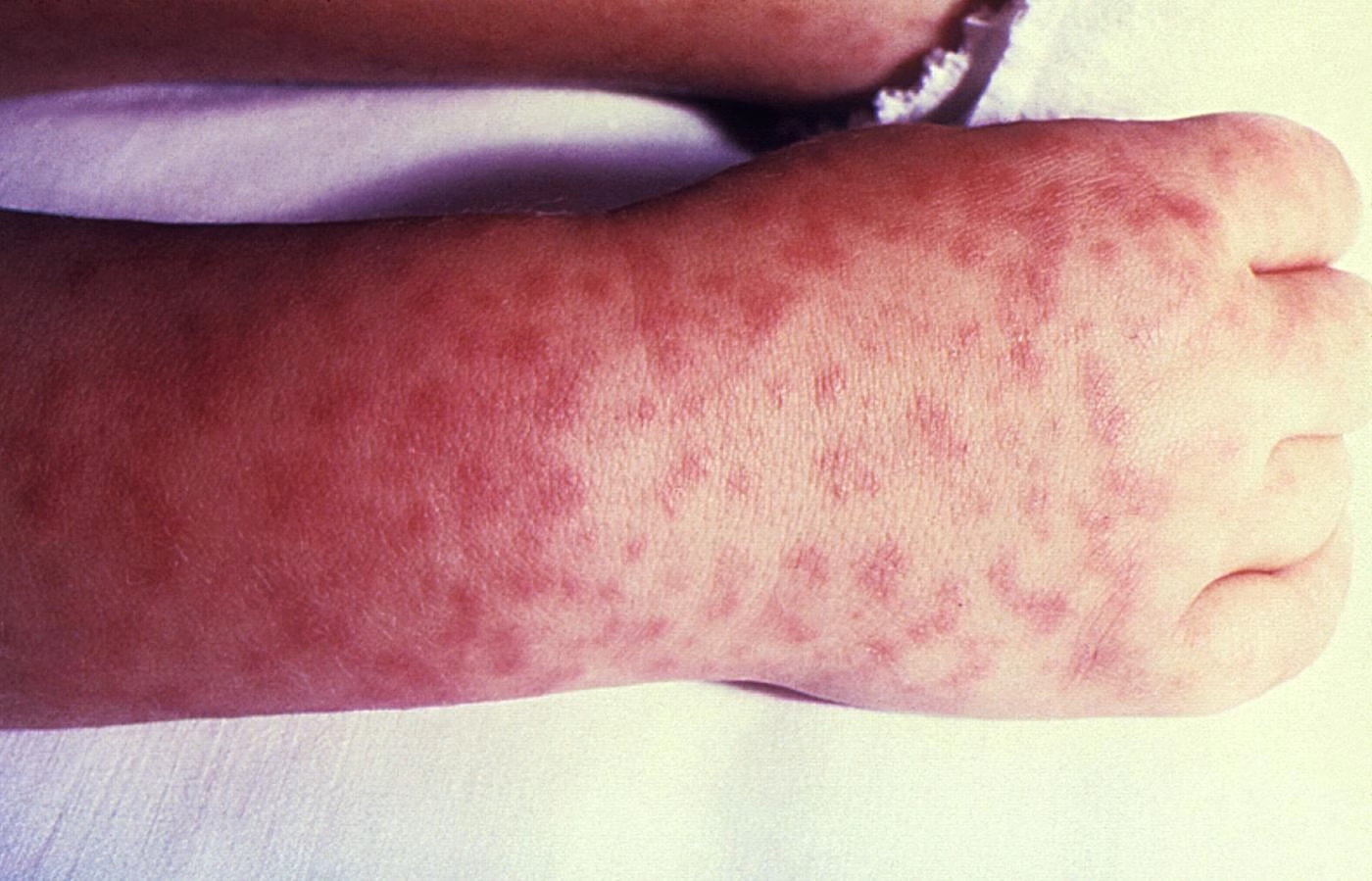
Rocky Mountain spotted fever (RMSF) is a serious tick-borne disease caused by the bacterium Rickettsia rickettsii. Its impact on pediatric patients is particularly concerning, as children represent a significant portion of those affected by this infection. Characterized by fever, rash, and systemic illness, RMSF can lead to severe complications if not treated promptly. In Sonora, Mexico, where tick populations thrive, RMSF presents a growing health risk to children, emphasizing the need for increased awareness among parents and healthcare providers regarding the signs and symptoms of this disease.
The retrospective study conducted over two decades in Sonora indicates that pediatric hospitalizations due to RMSF have remained prevalent, with notable variations in case-fatality rates. This highlights the necessity for families and healthcare systems to establish preventive and responsive measures to mitigate these risks. Parents must be educated on tick prevention strategies, especially during peak seasons, and pediatric patients who display symptoms indicative of RMSF should receive immediate medical evaluation to enhance their prognosis.
Analyzing Predictors of Fatal Outcomes in Pediatric RMSF Patients
The analysis of clinical data from hospitalized pediatric patients with RMSF has revealed several critical predictors of fatal outcomes. Delayed initiation of doxycycline treatment has emerged as a significant factor; patients who received treatment more than five days after the onset of symptoms experienced higher mortality rates. Additionally, demographic factors such as age and ethnicity, particularly among Indigenous populations, were found to correlate with higher fatality rates. Identifying these predictors is crucial for developing targeted interventions that can improve outcomes for high-risk groups.
Moreover, the study underscores the importance of awareness and early diagnosis among healthcare providers in endemic regions. Abnormal laboratory markers also play a crucial role in understanding which patients might be at risk for severe disease progression. By focusing on timely diagnosis and treatment for at-risk populations, healthcare systems can potentially reduce the case-fatality rates of RMSF among pediatric patients, thereby preventing tragic outcomes in children.
Frequently Asked Questions
What is Rocky Mountain spotted fever and how does it affect pediatric patients?
Rocky Mountain spotted fever (RMSF) is a tick-borne disease that can have severe implications for pediatric patients. It is caused by the bacteria Rickettsia rickettsii, transmitted through tick bites, leading to symptoms such as high fever, rash, and in severe cases, can result in fatal outcomes in children if not treated promptly. The case-fatality rate for RMSF has been noted to reach up to 19.8% in pediatric patients, especially among those delayed in receiving treatment.
What are the risk factors for fatal outcomes in pediatric patients with Rocky Mountain spotted fever?
In pediatric patients hospitalized for Rocky Mountain spotted fever, risk factors linked to fatal outcomes include delayed treatment with doxycycline, typically more than 5 days after symptom onset, older age, Indigenous background, and certain abnormal laboratory findings. Understanding these risk factors is crucial for timely intervention and improving patient outcomes.
How can we reduce the risk of pediatric hospitalizations due to Rocky Mountain spotted fever?
To reduce pediatric hospitalizations from Rocky Mountain spotted fever, it is essential to promote awareness about tick-borne diseases, increase early diagnosis measures, and ensure timely administration of doxycycline within the first few days of symptoms. Special focus should be given to vulnerable populations, particularly children over 10 years old, those living in poverty, and Indigenous communities, to prevent severe cases.
What is the prevalence of Rocky Mountain spotted fever in Sonora, Mexico among children?
Rocky Mountain spotted fever remains a significant health concern in Sonora, Mexico, with the prevalence of cases occurring throughout the year, but more commonly in urban settings. A recent study highlighted 500 pediatric patients treated in hospitals, revealing the need for continued vigilance and intervention strategies to combat this tick-borne disease.
What are the long-term effects faced by pediatric survivors of Rocky Mountain spotted fever?
Among pediatric survivors of Rocky Mountain spotted fever, approximately 16% experienced long-term effects such as amputations, neurological deficits, or other life-altering sequelae. This underscores the importance of timely treatment and intervention in mitigating both immediate and long-term impacts on children’s health.
What role does timely administration of doxycycline play in treating Rocky Mountain spotted fever in children?
Timely administration of doxycycline is critical in the treatment of Rocky Mountain spotted fever in children. Studies show that early treatment significantly reduces the risk of severe complications and mortality. Ideally, doxycycline should be given within 5 days of symptom onset to maximize its effectiveness and improve survival chances.
Why is it important to focus on Indigenous communities when addressing Rocky Mountain spotted fever in pediatric populations?
Indigenous communities in regions like Sonora, Mexico, face higher risks for severe cases of Rocky Mountain spotted fever due to socio-economic factors and access to healthcare. Targeted interventions are necessary to address these disparities, improve early recognition of RMSF symptoms, and ensure prompt treatment for those most vulnerable.
How does the incidence of Rocky Mountain spotted fever vary over time and what trends have been observed?
Research indicates that the case-fatality rate for Rocky Mountain spotted fever in pediatric patients has declined over time, from 31.4% (2004–2013) to 14.5% (2014–2024). This trend reflects improvements in public health response and treatment practices, although the disease continues to pose threats, necessitating ongoing attention and preventative strategies.
| Key Point | Details |
|---|---|
| Study Overview | Retrospective study of 500 pediatric RMSF patients hospitalized in Sonora, Mexico from 2004 to 2024. |
| Case-fatality Rate | Overall case-fatality rate of 19.8%, with a decline from 31.4% (2004–2013) to 14.5% (2014–2024). |
| Predictors of Fatality | Factors leading to fatal outcomes include delayed treatment (>5 days), older age, Indigenous background, and abnormal lab markers. |
| Sequelae Among Survivors | 16% of survivors experienced severe consequences, such as amputations and neurological deficits. |
| Prevalence | Cases of RMSF occur year-round, predominantly in urban areas. |
| Importance of Doxycycline | Timely administration of doxycycline is critical to reducing mortality rates. |
| Targeted Interventions | Emphasis on vulnerable populations: those in poverty, children over 10, and Indigenous communities for improved outcomes. |
| Future Research | Enhancing early diagnosis and understanding severe disease mechanisms could improve outcomes for RMSF in endemic regions. |
Summary
Rocky Mountain spotted fever (RMSF) poses significant health risks to children, particularly in endemic regions like northern Mexico. The comprehensive study conducted from 2004 to 2024 highlights crucial insights regarding fatal outcomes in pediatric patients. The research underscores the importance of timely treatment and intervention strategies for vulnerable populations, emphasizing the need for targeted healthcare initiatives to lower mortality rates and improve quality of life for survivors. By fostering awareness and understanding of RMSF, healthcare systems can better protect children from the severe consequences associated with this tick-borne disease.
The content provided on this blog (e.g., symptom descriptions, health tips, or general advice) is for informational purposes only and is not a substitute for professional medical advice, diagnosis, or treatment. Always seek the guidance of your physician or other qualified healthcare provider with any questions you may have regarding a medical condition. Never disregard professional medical advice or delay seeking it because of something you have read on this website. If you believe you may have a medical emergency, call your doctor or emergency services immediately. Reliance on any information provided by this blog is solely at your own risk.