

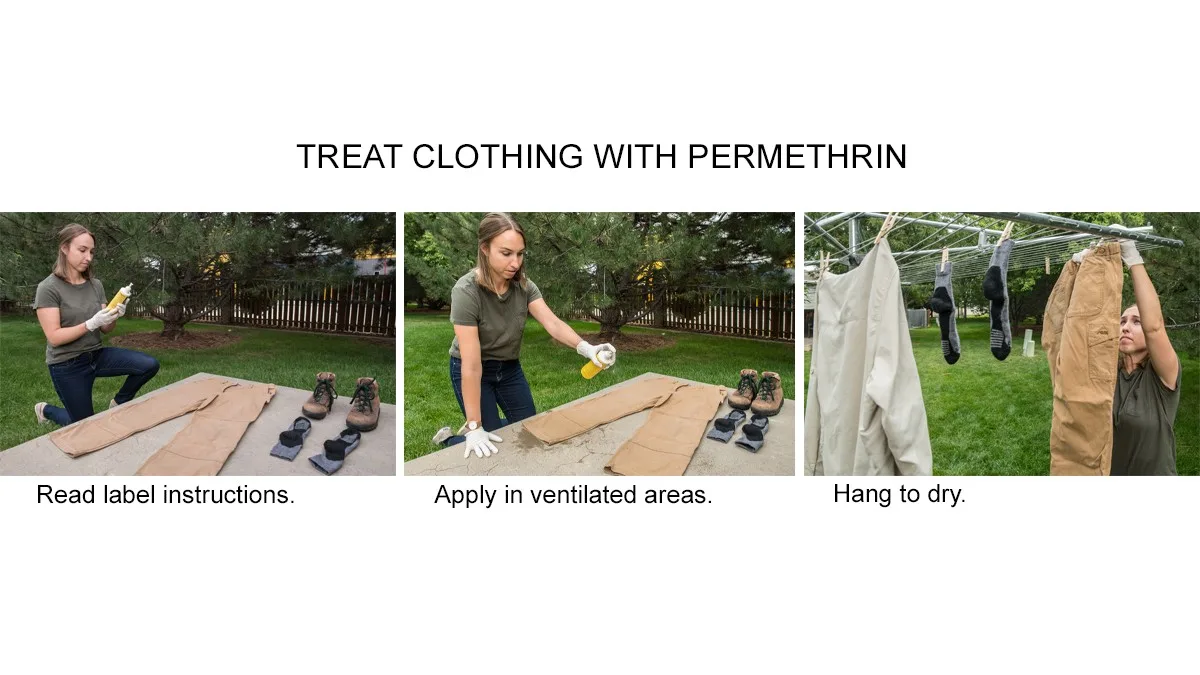
Permethrin-treated wraps are transforming the way we protect our babies from mosquito-borne illnesses, particularly malaria. A groundbreaking study conducted in Uganda revealed that these specially treated cloth wraps reduced malaria infections in infants by an impressive 66%. By integrating permethrin into the fabric, parents can provide their children with an additional layer of mosquito protection during outdoor activities and daily routines. This innovative approach not only enhances baby health but also aligns with cultural norms of mothers carrying their children in wraps. As we explore the findings of the Uganda malaria study, the effectiveness of these baby wraps becomes clear in the battle against a disease that disproportionately affects young children.
In the realm of pediatric health, insecticide-treated baby carriers present a significant advancement in reducing malaria risk among infants. Utilizing treated fabric for traditional baby wraps not only enhances their protective qualities but also promotes cultural practices that prioritize child safety. These innovative carriers, designed to shield infants from mosquito bites, have shown remarkable effectiveness in lowering infection rates in studies conducted in regions heavily impacted by malaria. With a focus on enhancing baby wellbeing, these solutions reflect a dual commitment to maintaining cultural heritage while addressing contemporary health challenges. As we delve deeper into the implications of treated wraps, the integration of local practices with effective malaria prevention strategies highlights a promising front in global health.
Significance of Permethrin-Treated Wraps in Malaria Reduction
Permethrin-treated wraps have emerged as a groundbreaking method for reducing malaria rates among vulnerable populations, particularly infants. A recent study conducted in Uganda demonstrated that these treated wraps can lead to a remarkable 66% reduction in clinical malaria infections in babies aged 6 to 18 months. By integrating permethrin, a potent insecticide, into traditional cloth wraps that mothers frequently use to carry their children, this approach not only enhances the protective measures against mosquito bites but also aligns with cultural practices, making it both effective and acceptable in the community.
The study’s findings emphasize the importance of targeted interventions in public health strategies aimed at malaria reduction. As malaria remains a leading cause of morbidity and mortality among young children in sub-Saharan Africa, utilizing permethrin-treated wraps not only decreases incidence rates but also promotes baby health by protecting the most vulnerable against severe health complications caused by malaria. This approach showcases the potential for local health innovations to address pressing global health issues effectively.
Baby Health Benefits of Using Treated Wraps
Using permethrin-treated wraps is not merely a preventative measure against malaria; it also contributes significantly to overall baby health. The wraps can serve multiple purposes, acting as swaddles, blankets, and carriers, thereby providing warmth and security to infants. As children are carried in these wraps, they are shielded from both direct sunlight and mosquito bites, reducing their exposure to vectors that transmit the malaria parasite. With the comfortable and practical design of these wraps, mothers can ensure that their babies are protected without compromising their daily activities.
Moreover, the positive impact of these wraps extends beyond the immediate reduction in malaria incidences. By providing an additional layer of protection, mothers can feel more at ease, knowing that they are doing their best to safeguard their child’s health in malaria-endemic regions. This dual benefit of convenience and enhanced baby health reinforces the effectiveness of permethrin-treated wraps as a vital tool in the fight against malaria and its related health complications.
Cultural Integration of Permethrin-treated Wraps in Uganda
The implementation of permethrin-treated wraps in Uganda is a prime example of how health interventions can be culturally integrated to enhance acceptance and usability. Many mothers in Uganda already use cloth wraps as part of their daily routine for carrying infants. By introducing treated wraps, health professionals harness this existing cultural practice and enhance it to provide mosquito protection, addressing a pressing public health concern centered around malaria. This approach ensures that the intervention resonates with mothers, making them more likely to use it consistently.
The study conducted also highlights the importance of community participation and education in successful health interventions. Mothers were actively involved in the study’s process, leading to a remarkable clinic attendance rate of 99.9%. This high level of commitment from participants indicates strong community endorsement and trust in the effectiveness of the permethrin-treated wraps, thereby paving the way for broader adoption and potential governmental support for distributing these resources as part of larger malaria control programs.
Effectiveness of Baby Wraps in Malaria Protection
The effectiveness of permethrin-treated baby wraps has been substantiated through rigorous research, indicating their valuable role in malaria protection for infants. In the randomized controlled trial involving 400 mother-child pairs, those using treated wraps showed significantly lower rates of clinical malaria compared to those using untreated wraps. This solid evidence not only underscores the scientific validity of the intervention but also highlights the urgent need for wider implementation in similar regions, where malaria continues to ravage young lives.
Moreover, the design of these wraps allows for regular retreatment with permethrin every four weeks, maintaining their insect repellent properties and ensuring ongoing protection for the baby. This effectiveness is reinforced by the wraps’ ability to be used in conjunction with other preventive measures such as treated bed nets, creating a comprehensive strategy to mitigate malaria risks while promoting overall child safety and comfort in mosquito-prone areas.
The Role of Cultural Norms in Malaria Prevention Strategies
Cultural norms significantly shape the acceptance and implementation of health interventions, and the case of permethrin-treated wraps is no exception. By blending a traditional practice—carrying babies in cloth wraps—with modern insecticide treatment, the intervention resonates well with local customs. Mothers in Uganda were not only more likely to adopt these wraps due to their familiarity but also took pride in using a product that enhances their babies’ health and safety in a natural, culturally appropriate manner.
Furthermore, integrating health interventions with existing traditions serves to elevate community impact and sustain long-term usage. The familiarity of the wrapping method helps reinforce the importance of malaria prevention while ensuring that mothers remain compliant and engaged in protecting their children. Such strategies highlight the necessity for public health initiatives to understand and incorporate local practices and beliefs, enhancing not only their effectiveness but also their sustainability.
MSM and Mosquito Protection in Infants
Mosquito protection for infants is paramount, given their vulnerability to diseases such as malaria. Implementing permethrin-treated wraps is a progressive step towards ensuring that infants are shielded from mosquito bites, thus significantly lowering their risk of contracting malaria. These wraps not only serve as carriers but also function as an active barrier against malaria transmission, allowing mothers more peace of mind while they go about their daily routines.
Incorporating various mosquito protection measures—such as ambient insecticide spraying, treated bed nets, and now, treated wraps—creates a multi-layered defense system. This comprehensive approach can further contribute to enhancing the health outcomes of babies, minimizing the prevalence of malaria, and leading to a healthier society overall. Such synergistic strategies are essential for effective malaria management, particularly in high-risk regions.
Clinical Insights from the Uganda Malaria Study
Insights drawn from clinical studies, such as the one conducted in Uganda, provide critical information on the efficacy of permethrin-treated wraps in reducing malaria rates among infants. The data showed a clear reduction in clinical malaria, providing strong justification for the intervention as an effective public health strategy. The involvement of over 400 families in this study demonstrates a significant commitment to understanding and combating malaria, offering valuable lessons for future research and implementation.
Moreover, this study serves as a compelling example of how the rigorous application of scientific research can lead to tangible health improvements in communities. By following a double-blind method, the research team ensured the credibility of the results, indicating that similar studies can replicate this success in other malaria-prevalent regions. Insights gained from this study will inform future prevention strategies, optimizing resources to shield vulnerable populations effectively.
Long-term Impacts of Permethrin-treated Wraps on Community Health
In the long term, introducing permethrin-treated wraps can significantly influence community health beyond just immediate malaria reduction. By fostering a culture of preventive health measures, such initiatives encourage ongoing education about the importance of protecting infants from malaria and other mosquito-borne illnesses. Mothers who actively participate in this health strategy can share knowledge and practices within their communities, leading to widespread awareness and action against malaria.
Furthermore, the successful implementation of such an intervention can stimulate interest from health authorities and NGOs, potentially leading to additional funding and resources allocated for malaria prevention. This could further expand the reach of permethrin-treated interventions, amplifying their effects across various demographics and extending benefits to other communities grappling with similar health challenges.
Future Directions for Malaria Control Initiatives
The promising results from the use of permethrin-treated wraps suggest that future malaria control initiatives should focus on developing and integrating similar culturally sensitive health strategies. By leveraging local practices and preferences, health agencies can design interventions that are not only effective but also culturally resonant, increasing the likelihood of widespread acceptance and usage. Engaging with community members in co-creating solutions can lead to innovative approaches tailored to specific health challenges.
Additionally, as further research expands on the initial findings from the Uganda study, there is potential for broader applications of treated wraps in other regions facing malaria challenges. Ongoing studies could explore the long-term effects of these interventions, the feasibility of similar strategies in different cultures, and the integration of treated wraps with other preventive measures. Ultimately, constructing a cohesive and adaptable malaria control framework will be vital for eradicating the disease and improving infant health outcomes globally.
Frequently Asked Questions
How effective are permethrin-treated wraps in malaria reduction for babies?
Permethrin-treated wraps have been shown to be highly effective in malaria reduction for babies. A recent study in Uganda demonstrated a 66% reduction in clinical malaria infections among infants aged 6 to 18 months who were wrapped in these treated cloths. This significant reduction is crucial for improving baby health and protecting young children from malaria’s severe complications.
What is the role of permethrin-treated wraps in mosquito protection?
Permethrin-treated wraps provide an additional layer of mosquito protection for infants, especially since malaria is transmitted by mosquitoes. The insecticide in these wraps helps deter mosquito bites while mothers carry their babies, effectively lowering the risk of malaria infections in young children.
What did the Uganda malaria study reveal about permethrin-treated wraps?
The Uganda malaria study revealed that permethrin-treated wraps led to a 66% decrease in malaria infections in babies compared to those using untreated wraps. This highlights the effectiveness of such wraps in reducing malaria risks and shows promise for improving health outcomes in vulnerable populations.
Can permethrin-treated wraps contribute to baby health beyond mosquito protection?
Yes, permethrin-treated wraps contribute to baby health beyond just mosquito protection. They not only prevent malaria infections but also integrate with cultural practices, making it easier for mothers to carry and protect their babies while ensuring the wraps can serve multiple functions such as blankets or swaddles.
How frequently should permethrin-treated wraps be retreated for effective use?
Permethrin-treated wraps should be retreated every four weeks to maintain their effectiveness against mosquitoes. Regular retreatment ensures that the insecticide remains potent, providing consistent protection against malaria and other mosquito-borne diseases.
Are there any side effects associated with using permethrin-treated wraps?
While most users of permethrin-treated wraps experience benefits in mosquito protection, some participants in studies reported minor side effects such as rashes. It’s essential to monitor any adverse reactions and consult with healthcare professionals if any significant issues arise.
What are the cultural benefits of using permethrin-treated wraps in malaria prevention?
Permethrin-treated wraps align well with cultural practices of carrying children, making them a practical choice for mothers in regions heavily affected by malaria. By incorporating these wraps into daily life, the approach to malaria prevention becomes more accepted and effective, as it seamlessly integrates into existing behaviors.
How do permethrin-treated wraps minimize direct contact between infants and insecticides?
Permethrin-treated wraps minimize direct contact between infants and insecticides by being worn over clothing. This ensures that while the wraps provide protective benefits against mosquitoes, the infant’s skin does not come into contact with the chemical treatment, reducing potential exposure risks.
| Key Points | Details |
|---|---|
| Reduction in Malaria Rates | Permethrin-treated cloth wraps reduced malaria rates in babies by 66% in Uganda. |
| Study Design | A double-blind, randomized, controlled trial involving 400 mother-child pairs. |
| Clinical Malaria Definition | Defined as fever along with a positive malaria rapid diagnostic test. |
| Cultural Integration | Wraps are commonly used among mothers, providing a familiar method of protection. |
| Clinic Attendance | 99.9% attendance rate for follow-up visits in the study. |
| Safety and Side Effects | Reported rashes were slightly more frequent in the intervention group (8.5% vs 6.0%). |
Summary
Permethrin-treated wraps have shown significant potential in reducing malaria rates among infants, achieving a 66% decrease in clinical infections. This innovative approach not only leverages cultural practices but also integrates health protection effectively. The positive outcomes from this study highlight the importance of continuing the implementation and research of permethrin-treated wraps as a viable solution in malaria-endemic regions.
The content provided on this blog (e.g., symptom descriptions, health tips, or general advice) is for informational purposes only and is not a substitute for professional medical advice, diagnosis, or treatment. Always seek the guidance of your physician or other qualified healthcare provider with any questions you may have regarding a medical condition. Never disregard professional medical advice or delay seeking it because of something you have read on this website. If you believe you may have a medical emergency, call your doctor or emergency services immediately. Reliance on any information provided by this blog is solely at your own risk.