

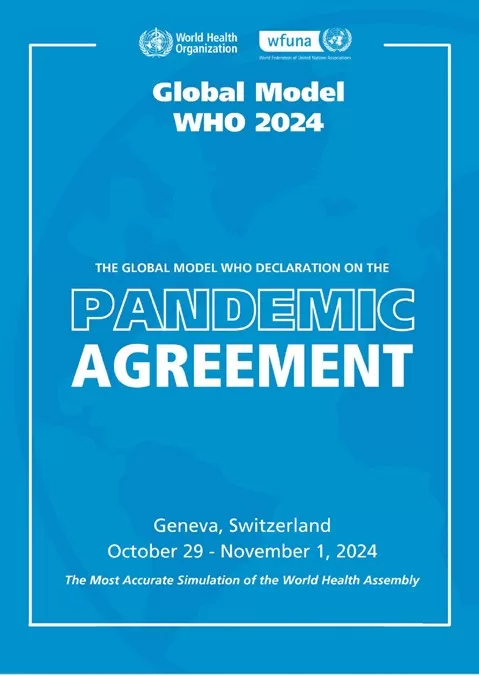
The Pandemic Agreement is set to be a pivotal topic at the World Health Assembly (WHA) as it convenes in Geneva for its crucial 9-day session. With representatives from around the globe, the WHA aims to finalize a historic accord aimed at bolstering pandemic preparedness and global health cooperation in light of the lessons learned from previous health emergencies. Over the last three years, the Intergovernmental Negotiating Body (INB) has meticulously crafted this proposal, incorporating insights gained during the COVID-19 crisis. As the final vote on this agreement approaches, it promises to reshape WHO funding priorities and enhance international collaboration in combating future pandemics. The anticipation surrounding the agreement signals a collective commitment to addressing vulnerabilities in global health systems and ensuring that nations are better equipped to respond to health crises.
As world leaders gather in Geneva, a groundbreaking initiative known as the Pandemic Accord is poised to redefine how nations collaborate in times of health crises. This strategic pact represents a commitment to fortify defenses against future outbreaks, emphasizing the importance of readiness and joint action on a global scale. The discussions echo the urgent need for cohesive health policies that transcend borders, ensuring equitable access to resources and support. Moreover, this accord highlights the critical role of international partnerships in navigating health emergencies, setting the stage for robust WHO funding strategies that empower countries in their fight against pandemics. Enthusiastic participation from member states underscores the shared goal of enhancing resilience and cooperation in global health.
Overview of the Pandemic Agreement
The Pandemic Agreement, which is set for a final vote, represents a critical milestone in global health cooperation. Developed by the Intergovernmental Negotiating Body (INB), this accord aims to address the gaps in pandemic preparedness that were starkly highlighted during the COVID-19 crisis. By uniting countries under a comprehensive framework, the agreement seeks to formalize commitments to improve early warning systems, vaccine distribution, and response strategies during health emergencies, thereby enhancing global resilience against future pandemics.
The World Health Assembly (WHA) serves as the principal platform for member states to debate and finalize such significant health policies. The 9-day session in Geneva marks an important opportunity for global leaders to come together and endorse the Pandemic Agreement, ensuring that lessons learned from the recent crisis are not forgotten. As nations prepare to finalize the vote, many emphasize the necessity of a united front in tackling the unprecedented challenges that the world may face in terms of health emergencies.
The Role of the WHO in Global Health Initiatives
The World Health Organization (WHO) is pivotal in orchestrating global health initiatives, including the negotiation of the Pandemic Agreement. Established to promote comprehensive public health worldwide, WHO’s role has expanded in response to emerging health threats, necessitating enhanced funding and resources. With representatives from 194 member countries, the organization strives to improve health and foster cooperation amid increasing challenges like antimicrobial resistance and climate change, reaffirming the need for a robust global health framework.
Securing sufficient WHO funding remains a pressing concern, particularly as the organization faces budget cuts while dealing with rising health emergencies. Member states are urged to consider increases in assessed contributions to sustain WHO’s initiatives and ensure its effectiveness. The current discussions reflect a commitment to prioritizing global health cooperation, highlighting the essential connection between adequate funding and the successful implementation of health action plans, such as those outlined in the Pandemic Agreement.
Challenges in Pandemic Preparedness and Response
The COVID-19 pandemic exposed significant vulnerabilities in health systems worldwide, prompting urgent calls for improved pandemic preparedness. The outcomes of the WHA sessions underscore how vital it is for countries to strategize collectively, sharing knowledge and resources to mitigate the impacts of future outbreaks. The Pandemic Agreement aims to create a framework for real-time data sharing and coordinated responses during health emergencies, foundational elements that were lacking in the recent crisis.
Addressing health emergencies requires commitment and collaboration among nations, yet disparities in healthcare capabilities and resources can hinder effective responses. The intergovernmental negotiations have sought to elevate standards of preparedness across borders, ensuring that no nation is left behind in capacity building. By formalizing these demands within the Pandemic Agreement, the WHA is set to drive forward a more equitable approach to global health security.
Funding Proposals for WHO and Global Health
Amid ongoing deliberations on the Pandemic Agreement, discussions regarding WHO funding have highlighted the need for sustainable resources to tackle global health issues. The proposed 20% increase in assessed contributions for the 2026-2027 budget aims to rectify financial constraints that threaten WHO’s ability to operate effectively. With a push for increased financing, member states are called to recognize the crucial investment required to combat health emergencies in both immediate and long-term contexts.
Financial stability is a key driver for executing the ambitious goals set forth in global health agreements. While the WHA seeks to enhance funding mechanisms, the high-level pledging event offers an avenue for countries and philanthropic organizations to demonstrate their financial commitments to WHO. Strengthening WHO funding is not just about addressing current challenges; it’s about fostering an environment where ongoing global health initiatives can flourish, thus ensuring preparedness for future health crises.
Key Topics Discussed at the WHA Event
In addition to the Pandemic Agreement, numerous pressing topics are on the agenda during the WHA sessions. Issues such as antimicrobial resistance, climate change’s impact on health, healthcare workforce development, and the social determinants of health are critical discussions for achieving comprehensive global health solutions. Each topic underscores the interconnected nature of health systems worldwide and the necessity for collective action in addressing multifaceted health threats.
These discussions reflect an increasing awareness of how diverse factors affect health outcomes globally. By prioritizing a broad range of topics, the WHA seeks not only to address immediate health crises but also to lay groundwork for long-term strategies that encompass all areas influencing public health. The inclusion of various stakeholders in these discussions is vital for fostering innovative solutions and expanding the reach of effective health policies.
The Significance of Global Health Cooperation
Global health cooperation stands as a central theme at the World Health Assembly, particularly in light of recent experiences with pandemics. Collaborative efforts among countries are essential to ensure robust responses to future health threats. The Pandemic Agreement is a testament to the commitment of WHO’s member states to come together in the face of adversity, recognizing that single-nation responses are often insufficient.
As countries continue to navigate ongoing challenges, the emphasis on global health cooperation will likely shape policies well beyond the immediate aftermath of the COVID-19 pandemic. By fostering relationships with one another and sharing best practices, nations cultivate resilience and preparedness that can mitigate the impact of future health emergencies. Such cooperation also ensures that all nations, regardless of their economic standing, have access to vital health resources and information.
Exploring Health Emergency Preparedness Initiatives
The world has witnessed firsthand the ramifications of inadequate health emergency preparedness in the wake of the COVID-19 pandemic. As the WHA addresses the Pandemic Agreement, the focus shifts to establishing concrete initiatives that bolster global readiness for future health crises. This includes developing robust early warning systems and enhancing coordination mechanisms to streamline responses when outbreaks occur.
Preparedness initiatives are critical in ensuring health systems are agile and capable of addressing sudden health emergencies. A comprehensive approach that includes training healthcare professionals, investing in research, and creating effective communication strategies will be essential in fostering a culture of preparedness. The agreement underscores the importance of such initiatives, bridging the gap between response theory and practical implementation.
Antimicrobial Resistance: A Global Health Threat
Antimicrobial resistance (AMR) has emerged as a significant global health threat, warranting urgent attention from the World Health Assembly. As part of the discussions at this session, member states acknowledge how AMR undermines the effectiveness of existing medical treatments, complicating management during health emergencies, including pandemics. The connection between resilient healthcare systems and the ability to combat AMR is pivotal in ensuring future health security.
Addressing AMR requires a multifaceted strategy that includes rational drug use, increased surveillance, and coordinated research on new antibiotics. The WHA discussions emphasize the need for countries to collaborate and develop comprehensive action plans that target this pressing issue. By integrating AMR into the broader context of health emergencies, member states can work collectively towards safeguarding public health from this increasing threat.
The Impact of Climate Change on Global Health
Climate change is increasingly recognized as a determinant of health, influencing the prevalence of disease outbreaks and impacting healthcare infrastructure worldwide. Discussions at the WHA have shed light on the intersection of health and environmental factors, particularly as the world grapples with the consequences of climate-related health challenges. The Pandemic Agreement and efforts on climate change are inextricably linked, as both require a framework for cooperation among member states.
As the WHA deliberates on various health topics, the need for integrating climate action into public health strategies becomes clear. By promoting sustainability and environmental health, nations can enhance their preparedness for emerging health threats. A holistic approach to health—one that considers both microbial threats and climate implications—will be vital for shaping the future of global health policies.
Frequently Asked Questions
What is the purpose of the Pandemic Agreement discussed in the World Health Assembly?
The Pandemic Agreement aims to enhance global health cooperation among World Health Organization (WHO) member states by establishing protocols for pandemic preparedness, prevention, and response. It arose from the need to address the shortcomings revealed during the COVID-19 pandemic and seeks to ensure that countries are better equipped to handle future health emergencies.
How does the Pandemic Agreement improve global health cooperation?
The Pandemic Agreement improves global health cooperation by creating a framework that requires member countries to collaborate on best practices, share information, and allocate resources effectively during health emergencies. This collaborative approach is intended to strengthen overall pandemic preparedness and response, ensuring quicker and more coordinated actions.
What role does the Intergovernmental Negotiating Body play in the Pandemic Agreement?
The Intergovernmental Negotiating Body (INB) plays a crucial role in developing the Pandemic Agreement by leading negotiations among WHO member states. The INB has facilitated discussions over the past three years, culminating in a draft that addresses the essential elements for global health cooperation and readiness for future pandemics.
Why is WHO funding a critical issue regarding the Pandemic Agreement?
WHO funding is a critical issue regarding the Pandemic Agreement because sustainable financial support is necessary for the organization to implement the agreed measures effectively. Any budget cuts can hinder WHO’s ability to prepare for and respond to health emergencies, making discussions on increased funding essential for the success of the Pandemic Agreement.
What steps have been taken to finalize the Pandemic Agreement at the World Health Assembly?
To finalize the Pandemic Agreement, the World Health Assembly has conducted 13 rounds of formal meetings and various informal sessions. The draft agreement was prepared for a final vote after extensive negotiations led by the INB, highlighting a commitment to enhancing global health cooperation and pandemic preparedness.
What significance does the voting outcome have for the Pandemic Agreement?
The voting outcome at the World Health Assembly, where 124 countries supported the Pandemic Agreement, signifies strong international consensus on the need for enhanced pandemic preparedness and response mechanisms. This approval lays the groundwork for formal adoption and implementation of the agreement, ultimately aiming to improve global health cooperation.
How do health emergencies relate to the goals of the Pandemic Agreement?
Health emergencies are central to the goals of the Pandemic Agreement, as the agreement seeks to establish protocols and actions to effectively prevent, respond to, and mitigate the impact of such emergencies. By addressing health emergencies, the Pandemic Agreement prioritizes readiness for potential future threats, ensuring a pragmatic and coordinated international response.
What other health topics are being discussed alongside the Pandemic Agreement at the World Health Assembly?
Alongside the Pandemic Agreement, the World Health Assembly is discussing various topics including antimicrobial resistance, the health and care workforce, climate change, polio, and social connection as determinants of health. These discussions complement the broader goals of the Pandemic Agreement by addressing interconnected health issues that impact global health.
| Key Point | Details |
|---|---|
| World Health Assembly (WHA) Session | Commenced 9-day session to discuss key health issues and finalize the Pandemic Agreement. |
| Pandemic Agreement Overview | Drafted over 3 years to enhance global cooperation for pandemic preparedness and response. |
| Vote Outcome | Approved in committee with 124 votes in favor, setting the stage for a plenary vote. |
| Sustainable Funding Issues | Discussion on 20% increase in assessed contributions due to budget cuts impacting WHO. |
| Other Agenda Topics | Health workforce, antimicrobial resistance, climate change, and health emergencies. |
Summary
The Pandemic Agreement represents a crucial step towards improving global health security and ensuring countries are better prepared for future pandemics. As the World Health Assembly progresses towards a final vote, it highlights the collective commitment of member states to join forces and address the gaps exposed during the COVID-19 crisis. This significant initiative signifies a move towards enhanced collaboration and resource allocation that aims to safeguard public health on a global scale.
The content provided on this blog (e.g., symptom descriptions, health tips, or general advice) is for informational purposes only and is not a substitute for professional medical advice, diagnosis, or treatment. Always seek the guidance of your physician or other qualified healthcare provider with any questions you may have regarding a medical condition. Never disregard professional medical advice or delay seeking it because of something you have read on this website. If you believe you may have a medical emergency, call your doctor or emergency services immediately. Reliance on any information provided by this blog is solely at your own risk.