

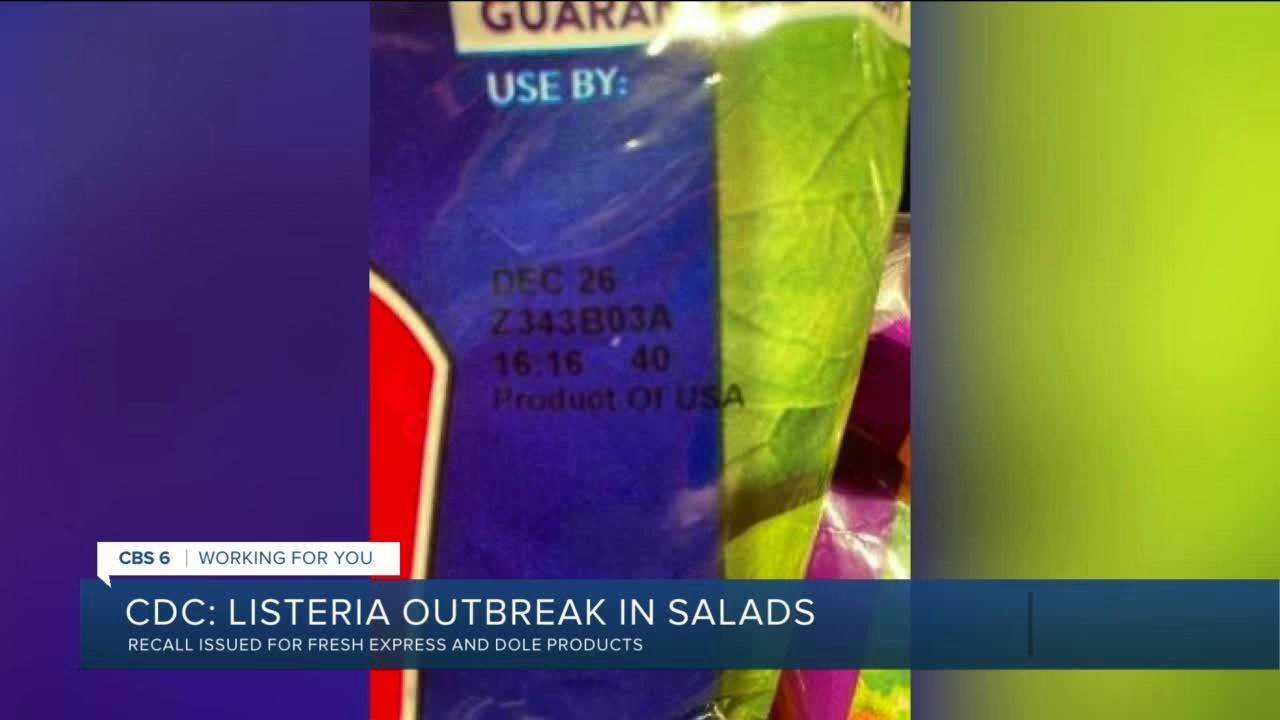
Packaged salads have become a popular option for health-conscious consumers seeking convenience, but recent Listeria outbreaks have raised serious concerns about their safety. Listeria monocytogenes, a pathogenic bacterium, can lead to severe foodborne illnesses, particularly in vulnerable populations. Investigations into these foodborne disease outbreaks revealed a concerning pattern: 30 reported illnesses, 27 hospitalizations, and four unfortunate deaths linked to contaminated packaged salads over the past eight years. With the complexity of tracking sources in the supply chain, maintaining packaged salad safety is more crucial than ever. Experts emphasize that routine surveillance is essential in preventing future foodborne illness outbreaks and safeguarding public health.
Recent incidents involving the contamination of pre-packaged leafy greens have highlighted significant public health risks associated with ready-to-eat salads. These food safety violations, caused primarily by Listeria monocytogenes, pose a direct threat to consumers, especially those with weakened immune systems. As salad products grow in popularity, understanding the implications of these foodborne disease outbreaks becomes increasingly important. Ensuring the safety of pre-packaged greens requires diligent monitoring and effective responses from manufacturers to protect consumers from harmful pathogens. Ongoing routine surveillance and adherence to safety protocols are vital for mitigating risks associated with contaminated food products.
Understanding Listeria Monocytogenes in Packaged Salads
Listeria monocytogenes is a pathogenic bacterium that can pose serious health risks, especially when found in packaged salads. This bacteria is most notorious for causing listeriosis, a foodborne disease that can lead to severe illness and even death in vulnerable populations such as pregnant women, elderly individuals, and those with weakened immune systems. The ongoing issues related to Listeria outbreaks highlight the critical need for stringent safety measures in food production, particularly in the realm of packaged salads, which are often viewed as a healthy convenience food option.
Regular monitoring and the implementation of good manufacturing practices (GMP) are essential to preventing Listeria contamination in packaged salads. To ensure foodborne illness outbreaks remain low, producers must conduct routine surveillance at all stages of production—from harvesting to processing, and even through distribution. These safety protocols not only protect consumers but also help manufacturers maintain trust in their products, ultimately ensuring that edible salad products do not pose health risks.
The Impact of Foodborne Illness Outbreaks on Public Health
Foodborne illness outbreaks, such as those caused by Listeria monocytogenes, have profound implications for public health systems. When outbreaks occur, they can lead to increased hospitalizations and healthcare costs, straining medical facilities and public health resources. Efforts to address these outbreaks typically involve intensive investigations, increased surveillance, and the implementation of public health advisories, such as recalls and warnings about specific products. This continued strain on healthcare systems reinforces the importance of rigorous monitoring of foodborne pathogens within food supplies.
Moreover, the consequences of foodborne illness can extend beyond immediate health impacts; they can also affect food industry reputations and economic stability. Companies associated with foodborne outbreaks may experience declines in sales and market confidence as consumers become wary of contaminated products. This fear underscores the need for enhanced food safety practices and increased education on the risks associated with foodborne diseases, including steps consumers can take to ensure their own health safety when choosing ready-to-eat options like packaged salads.
The Necessity of Routine Surveillance for Packaged Salad Safety
Routine surveillance is critical in maintaining packaged salad safety and preventing foodborne diseases like listeriosis. Through systematic monitoring, health authorities can detect potential Listeria contamination quickly and mitigate risks before they escalate into significant outbreaks. The recent report highlighting two separate Listeria outbreaks linked to packaged salads illustrates that even widely consumed food items can carry unexpected risks. Continuous tracking and identification of foodborne pathogens through techniques like PulseNet enables timely investigation and public health interventions.
In addition to benefiting public health, routine surveillance can foster increased accountability within the food industry. As regulations and safety standards become more stringent, producers of packaged salads are prompted to adopt better hygienic practices and implement effective food safety protocols. This proactive approach can profoundly affect the overall safety of the food supply chain, ensuring that consumers enjoy the health benefits of consuming salads while minimizing their risk of foodborne illness.
Lessons Learned from Recent Listeria Outbreaks
Recent Listeria outbreaks linked to packaged salads offer valuable lessons for both consumers and producers. One of the key takeaways is the need for enhanced transparency within the food supply chain. As seen in the outbreaks investigated, it can be challenging to pinpoint a singular source of contamination due to the complex distribution networks and shared processing facilities. By improving traceability measures, manufacturers can ensure swift action can be taken when contamination is detected, thereby protecting public health.
Furthermore, these outbreaks stress the importance of consumer education regarding the risks associated with ready-to-eat foods, particularly among high-risk populations. Consumers should be aware of safety practices, such as proper washing and storage of salads, to minimize their exposure to Listeria and similar pathogens. By creating clearer labeling and safety guidance, producers can help consumers make informed choices and understand the significance of routine health inspections and food safety certifications.
Regulatory Measures in Response to Foodborne Outbreaks
In response to the dangers posed by Listeria monocytogenes, regulatory agencies like the FDA implement stringent measures aimed at safeguarding consumer health. Regulations may include mandatory recalls of affected products, enhanced inspections, and the establishment of best practices for food safety across production facilities. These measures not only aim to address current outbreaks but also work to prevent future occurrences of foodborne illnesses linked to packaged salads and other susceptible food items.
As regulatory frameworks evolve, they often spur advances in technology and methodology that improve surveillance and reporting of foodborne diseases. For instance, the integration of advanced detection methods can help food producers identify potential Listeria contamination earlier in the processing stage. These regulations underscore the criticality of a collaborative approach between food manufacturers, regulatory bodies, and public health advocates in the fight against Listeria and other foodborne pathogens.
Consumer Responsibility in Addressing Foodborne Risks
While manufacturers are responsible for ensuring food safety, consumers also play a vital role in mitigating risks associated with foodborne illnesses like listeriosis. Awareness of proper food handling and cooking practices can significantly reduce the likelihood of contracting foodborne diseases. Consumers should educate themselves about the importance of checking expiration dates, ensuring proper storage conditions for salads, and recognizing the signs of spoilage, further reinforcing their health and safety.
Empowering consumers with knowledge and resources indicates a communal effort to combat foodborne disease outbreaks. Engaging in discussions about food safety, subscribing to health alerts, and actively checking sources of food products can foster a more informed public. Ultimately, a collaborative effort between consumers and food producers can lead to safer dining experiences, especially concerning products like packaged salads, which require a heightened level of care.
The Role of Food Industry in Preventing Listeria Contamination
The food industry has a critical responsibility in preventing Listeria monocytogenes contamination in products such as packaged salads. Continuous investment in research and development allows manufacturers to adopt innovative technologies to improve safety standards. Practices such as enhancing sanitation protocols, employing hazard analysis critical control points (HACCP), and utilizing regular microbiological testing can drastically reduce the incidence of foodborne pathogens. Industry players must remain vigilant and proactive in combating possible contamination loves.
Moreover, collaboration between food producers and regulatory bodies can create a robust network for ensuring food safety. Establishing industry-wide best practices and committing to transparency can improve consumer trust and promote safer food options. The engagement and accountability of the food industry are paramount in safeguarding public health and countering the rising concerns around foodborne illness outbreaks associated with packaged salads.
Emerging Technologies to Enhance Food Safety
Emerging technologies play a pivotal role in enhancing food safety measures, particularly concerning pathogens like Listeria monocytogenes. Advanced detection methods, such as genetic sequencing and rapid testing, allow for the swift identification of contaminants in packaged salads and other food products. These technologies provide producers with real-time data, enabling them to act quickly to prevent contaminated foods from reaching stores and consumers.
Incorporating technology into routine surveillance practices also streamlines the communication process between producers, regulatory bodies, and public health officials. By utilizing big data analytics and machine learning tools, stakeholders can identify patterns and predict potential outbreaks before they occur. In this way, innovation serves not only as a deterrent to foodborne outbreaks but also as an essential component of a comprehensive food safety strategy.
Building Consumer Trust Through Transparency
In an era where food safety concerns are prevalent, building consumer trust through transparency is increasingly essential for the food industry. Providing clear information about sourcing, processing, and safety measures employed in packaged salad production can help alleviate fears regarding foodborne illnesses like listeriosis. Transparent communication allows consumers to feel more secure about their choices and encourages them to support brands that prioritize health and safety.
Furthermore, brands that openly share their safety records and the results of routine inspections can strengthen their reputation and foster loyalty among health-conscious consumers. By committing to high standards and demonstrating accountability, businesses can effectively position themselves in the market, ensuring that they are not only responding to food safety challenges but also cultivating an empowered and informed consumer base.
Frequently Asked Questions
What are the health risks associated with packaged salads Listeria outbreaks?
Packaged salads Listeria outbreaks pose significant health risks, particularly from _Listeria monocytogenes_, which can lead to severe foodborne illnesses. Symptoms include fever, muscle aches, and gastrointestinal distress. Vulnerable populations, such as pregnant women, elderly individuals, and those with weakened immune systems, are especially at risk of serious complications, including meningitis, septicemia, and even death. Foodborne illness outbreaks often result from contaminated fresh produce, emphasizing the importance of safe handling and consumption practices.
How can consumers protect themselves from packaged salads Listeria outbreaks?
To protect themselves from packaged salads Listeria outbreaks, consumers should follow safety guidelines such as washing hands before and after handling food, thoroughly rinsing fresh produce under running water, and keeping salads refrigerated at safe temperatures. It’s also recommended to consume salads before their expiration dates and to stay informed about recalls related to foodborne disease. Awareness of recent outbreaks involving _Listeria monocytogenes_ can help consumers make safer choices when purchasing packaged salads.
What role does routine surveillance play in preventing Listeria outbreaks linked to packaged salads?
Routine surveillance is crucial in preventing Listeria outbreaks linked to packaged salads. It involves continuous monitoring by health authorities, like PulseNet, to detect outbreaks early based on genetic fingerprinting of bacterial strains. This proactive approach allows for timely identification of contaminated products and rapid public health responses, significantly reducing the spread of foodborne illnesses. Effective surveillance helps maintain food safety standards and can ultimately save lives by mitigating the risks from _Listeria monocytogenes_.
What were the findings of the recent reports on packaged salads Listeria outbreaks?
Recent reports highlighted two genetically unrelated Listeria outbreaks linked to packaged salads, resulting in 30 illnesses, 27 hospitalizations, and four deaths over eight years. These outbreaks were detected through surveillance systems like PulseNet, emphasizing the ongoing risk of contamination. Despite identifying exposure to packaged salads, pinpointing the exact source was challenging due to multiple brands and similar packaging aiding the spread of _L. monocytogenes_. The findings stress the importance of routine surveillance in protecting public health.
How do packaged salad safety regulations help in reducing Listeria outbreaks?
Packaged salad safety regulations are designed to establish stringent hygiene and processing standards that minimize the risk of contamination with pathogens like _Listeria monocytogenes_. Regulations require producers to implement safety practices, conduct regular inspections, and adhere to reporting protocols for any foodborne disease outbreaks. By ensuring compliance with these regulations, producers can significantly reduce the likelihood of outbreaks and protect consumers from foodborne illnesses.
| Outbreaks | Years Active | Number of Illnesses | Hospitalizations | Deaths | Key Points |
|---|---|---|---|---|---|
| Outbreak A | 2019-2021 | 30 | 27 | 4 | Identified through PulseNet; reopened investigation due to additional cases. |
| Outbreak B | 2021-2025 | 30 | 27 | 4 | Associated with clinical isolates linked to water-sediments in California. |
Summary
Packaged salads Listeria outbreaks have underscored the serious risk of Listeria monocytogenes infections associated with ready-to-eat leafy greens. Two significant, genetically unrelated outbreaks resulted in numerous illnesses, highlighting the need for improved surveillance and consistent monitoring of packaged salad products. With documented cases leading to hospitalizations and fatalities, these incidents reveal the vulnerabilities within food safety systems and the necessity for ongoing vigilance against foodborne diseases.
The content provided on this blog (e.g., symptom descriptions, health tips, or general advice) is for informational purposes only and is not a substitute for professional medical advice, diagnosis, or treatment. Always seek the guidance of your physician or other qualified healthcare provider with any questions you may have regarding a medical condition. Never disregard professional medical advice or delay seeking it because of something you have read on this website. If you believe you may have a medical emergency, call your doctor or emergency services immediately. Reliance on any information provided by this blog is solely at your own risk.