

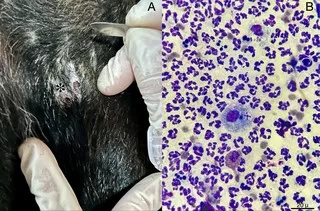
Leishmania martiniquensis in horses has emerged as a significant concern in veterinary medicine, particularly over the past few years. This protozoan parasite is responsible for equine cutaneous leishmaniasis, manifesting as skin lesions that may resemble other conditions, complicating diagnosis. The recent identification of multiple cases in the Czech Republic and Austria highlights the need for greater awareness of L. martiniquensis and its potential impact on equine health. Beyond horses, this parasite poses a risk of zoonotic transmission, which could threaten immunocompromised individuals in close contact with affected animals, further amplifying the importance of understanding this organism. As more cases of Leishmania infections are reported in various hosts, the significance of controlling zoonotic leishmaniasis becomes increasingly paramount in Central Europe.
The rise of Leishmania martiniquensis infections in equines represents a pressing issue in the landscape of infectious diseases affecting horses. Known for causing cutaneous leishmaniasis, this pathogen raises alarms not only for the equine population but also due to its zoonotic nature, potentially endangering human health. The recent findings in Czech Republic and Austria serve as a pivotal reminder of how these infections, primarily associated with tropical regions, can expand their geographical footprint. Veterinary professionals and horse owners alike must remain vigilant as they monitor signs of skin lesions that could indicate infection. Highlighting the intersecting concerns of equine health and public safety emphasizes the need for thorough understanding and effective management strategies for this growing threat.
Understanding Leishmania martiniquensis Infections in Horses
Leishmania martiniquensis is an emerging pathogen in horses, particularly in regions like the Czech Republic and Austria where cases were previously unreported. This species, affiliated with the subgenus Mundinia, has been increasingly recognized as a cause of equine cutaneous leishmaniasis. Its clinical manifestations in horses typically present as nodular lesions, often located on the face or near the eyes, resembling symptoms seen in more prevalent Leishmania infections like L. infantum. These lesions serve as a critical diagnostic marker for veterinarians, as they differentiate L. martiniquensis from other equine dermatological conditions, such as sarcoids or neoplasms, leading to timely treatment for affected horses.
The rise of L. martiniquensis infections emphasizes the need for heightened awareness and understanding among equine practitioners. As the distribution of this parasite extends into central Europe, where potential vectors, such as biting midges, thrive, the risk of zoonotic transmission to humans, particularly immunocompromised individuals, becomes a public health concern. Monitoring and research into equine leishmaniasis, especially cutaneous manifestations in horses across Europe, are vital for crafting effective prevention and management strategies in the face of this emerging threat.
Clinical Presentation and Diagnosis of Equine Cutaneous Leishmaniasis
The clinical presentation of equine cutaneous leishmaniasis primarily manifests as ulcerating nodular lesions, often localized around sensitive areas such as the eyes or muzzle. Case reports have documented various presentations, such as nodules on the eyelids and facial regions, which may commonly be confused with other lesions. However, prompt recognition of these unique indicators is essential, as the early intervention can greatly enhance recovery outcomes for affected horses. Utilizing fine needle aspiration biopsies (FNAB) has proven effective in obtaining samples for further diagnostic evaluation, leading to the identification of Leishmania amastigotes, which are critical for confirming the diagnosis.
To optimize the diagnostic process for equine leishmaniasis, veterinarians must employ advanced techniques like PCR testing to accurately identify the specific Leishmania species involved. In all reported cases of L. martiniquensis, molecular analysis revealed high genetic similarity to previously documented sequences, emphasizing the importance of tracking infection paths and host interactions. This focus on precise diagnostics ensures that veterinarians can differentiate between various Leishmania infections and provide appropriate treatment while educating horse owners about the disease’s implications.
Zoonotic Potential of Leishmania martiniquensis in Central Europe
The emergence of Leishmania martiniquensis as a pathogen in horses compels us to consider its zoonotic potential, particularly in central Europe where human cases remain scant. However, as the horse population contacts vectors like biting midges during peak seasons, the likelihood of zoonotic transmission to humans becomes increasingly plausible. Cases of cutaneous leishmaniasis linked to L. martiniquensis emphasize the necessity for public health monitoring, especially regarding immunocompromised individuals who may be at heightened risk. Education for horse owners and stable workers on recognizing symptoms and preventing interactions with known vectors is paramount.
Moreover, understanding the ecology of L. martiniquensis, including its vectors and hosts, enhances our grasp of zoonotic leishmaniasis. Since this parasite spans multiple continents, ongoing research is crucial to decipher its transmission dynamics, protective measures, and risk factors. Public health policies should reflect this emerging threat, incorporating surveillance of both equine and human cases to mitigate potential outbreaks. By fostering collaboration among veterinary and medical professionals, we can better safeguard our communities against the rising threats posed by leishmaniasis.
Geographical Distribution and Epidemiology of Leishmania Infections
Leishmania martiniquensis challenges the traditional understanding of geographical distribution patterns of leishmaniasis, which have historically been associated with specific endemic regions. Recent cases reported in horses from the Czech Republic and Austria illustrate that human and animal infections can emerge unexpectedly outside of known endemic areas, requiring a reevaluation of epidemiological models. The involvement of alternative vectors, such as Culicoides species, in the transmission of L. martiniquensis can lead to shifting patterns of infection across Europe, further complicating our understanding and management of equine leishmaniasis.
The epidemiology of leishmania infections in horses necessitates further investigation into the environmental and biological factors influencing its spread. Veterinary epidemiologists must prioritize tracking occurrences and outbreaks, as well as the role that horses might play in the life cycle and transmission of this zoonotic pathogen. Comprehensive studies can help elucidate risk factors associated with L. martiniquensis in equines and inform strategies for effective disease control across different geographical boundaries.
Preventive Measures Against Leishmania martiniquensis in Horses
As cases of Leishmania martiniquensis increase in horses within central Europe, implementing preventive measures becomes essential for controlling the spread of equine leishmaniasis. Horse owners and caretakers should be educated about reducing exposure to biting midges, especially during peak activity seasons. Utilizing insect repellents, maintaining stables with adequate ventilation, and employing physical barriers such as screening can help minimize contact with these vectors. Additionally, periodic monitoring for early signs of infection can lead to prompt treatment, reducing the risk of complications and further transmission.
Preventive strategies must also extend to public health campaigns that educate communities on the zoonotic potential of L. martiniquensis. Awareness initiatives can encourage horse owners to regularly consult with veterinarians about possible interactions and exposure risks for both horses and humans. By fostering a collaborative approach between veterinary health authorities and public health officials, we can effectively mitigate the risk posed by leishmaniasis, not only in equines but also in the human population.
Research Directions in Equine Leishmaniasis Studies
As the scientific community increasingly recognizes the significance of Leishmania martiniquensis in equines, avenues for further research must be pursued. Investigating the host-parasite interactions is paramount for understanding how this emerging pathogen behaves in equine populations compared to more established species such as L. infantum. Research should prioritize understanding transmission dynamics, environmental factors associated with outbreaks, and identifying potential molecular markers that can aid in the rapid diagnosis of L. martiniquensis infections in horses.
Furthermore, funding and collaboration between international research institutions can facilitate comprehensive studies on the epidemiology of leishmaniasis, both in animals and humans. Investigating the impact of climate change on vector distribution and behavior can further unravel the complex dynamics of Leishmania infections. Ultimately, using a multifaceted research approach can lead to the development of effective vaccine strategies and well-informed public health policies, enhancing our ability to manage the risks associated with equine leishmaniasis.
Clinical Management of Leishmania martiniquensis Infections
Effective clinical management of cutaneous leishmaniasis caused by Leishmania martiniquensis requires an integrated approach, involving prompt diagnosis, treatment, and monitoring of affected horses. Treatment modalities may include antimicrobial therapy and supportive care, aimed at alleviating symptoms and promoting healing of lesions. Regular follow-ups are critical, ensuring that there is no recurrence of lesions, as seen in documented cases, where lesions initially mistaken for sarcoids eventually developed into open wounds. This highlights the importance of longitudinal studies to understand the long-term implications of L. martiniquensis infections.
Collaboration between veterinarians and researchers can lead to the establishment of standardized treatment protocols tailored specifically for L. martiniquensis. Sharing best practices and successful treatment outcomes can inform clinical guidelines, increasing the effectiveness of therapeutic interventions. Moreover, documenting cases and outcomes contributes to a growing body of knowledge that educates future veterinarians about this emerging threat, ensuring that horses receive appropriate care and health management as the landscape of equine leishmaniasis evolves.
Implications of Zoonotic Leishmaniasis for Public Health
The emergence of Leishmania martiniquensis as an equine pathogen carries significant implications for public health, particularly regarding zoonotic transmission risks. Veterinary professionals and public health authorities must collaborate in monitoring and managing the potential cross-species transmission from horses to humans, especially in regions where cases of leishmaniasis are increasing. This highlights the need for public health measures to assess risks, educate communities, and promote safe practices around animal care, especially for those who may be immunocompromised.
Continuous surveillance of Leishmania infections in both human and equine populations will be crucial in mitigating the spread of zoonotic leishmaniasis. Public health education campaigns should raise awareness about early symptoms and the importance of consulting health professionals should infections arise. Ensuring that communities are knowledgeable about prevention strategies—including awareness of vector control and horse management practices—will empower individuals to play an active role in preventing the spread of L. martiniquensis and other leishmania species.
The Future of Equine Leishmaniasis Research
As the understanding of Leishmania martiniquensis evolves, the future of equine leishmaniasis research promises exciting discoveries and potential breakthroughs. The ongoing identification of new cases in regions once unassociated with leishmaniasis presents an opportunity to deepen our understanding of the parasite’s ecology and adaptations. Researchers should prioritize genomic studies and pathogen ecology to elucidate the evolutionary pathways and mechanisms that allow Leishmania species to thrive in diverse environments, including non-endemic regions.
Additionally, interdisciplinary collaboration will be essential in addressing the multifaceted challenges posed by leishmaniasis. Engaging ecologists, veterinarians, and public health experts in a unified research agenda can facilitate comprehensive strategies for disease management. Ultimately, the lessons learned from studying equine leishmaniasis will contribute to broader conversations about zoonotic diseases and inform practical solutions to biosecurity challenges, benefiting both animal welfare and public health.
Frequently Asked Questions
What is Leishmania martiniquensis in horses?
Leishmania martiniquensis is a protozoan parasite causing equine cutaneous leishmaniasis, characterized by the formation of small nodular lesions on horses. Recent cases reported in the Czech Republic and Austria indicate its emergence outside traditional endemic regions.
What are the symptoms of equine leishmaniasis caused by Leishmania martiniquensis?
Symptoms of equine leishmaniasis caused by Leishmania martiniquensis typically include the formation of ulcerating nodular lesions, often on facial areas such as near the eyes. These lesions may vary in size and can develop into open wounds if left untreated.
How does Leishmania martiniquensis transmission occur in horses?
Transmission of Leishmania martiniquensis in horses may occur through bites from insects, specifically midges like Culicoides spp. This highlights the risk of horses acting as reservoirs for the infection and contributing to zoonotic leishmaniasis in humans.
Is Leishmania martiniquensis zoonotic and what are the implications for humans?
Yes, Leishmania martiniquensis is considered zoonotic, posing potential health risks, particularly to immunocompromised individuals. The emergence of equine leishmaniasis cases raises concerns about increased exposure to humans, especially in central Europe.
What regions have reported cases of cutaneous leishmaniasis caused by Leishmania martiniquensis in horses?
Recent cases of cutaneous leishmaniasis caused by Leishmania martiniquensis have been reported in the Czech Republic and Austria, demonstrating its occurrence outside the traditionally endemic regions of leishmaniasis.
How is Leishmania martiniquensis infection diagnosed in horses?
Diagnosis of Leishmania martiniquensis infection in horses involves clinical examination for lesions, followed by biopsy or fine needle aspiration to identify the parasite using microscopic or molecular techniques.
Are there any effective treatments for equine leishmaniasis due to Leishmania martiniquensis?
Treatment for equine leishmaniasis caused by Leishmania martiniquensis may involve supportive care, wound management, and potential use of antiparasitic medications, although specific treatment protocols are still being established.
What should horse owners know about preventing Leishmania infections in their horses?
Horse owners should be aware of the risk of Leishmania infections, particularly in known endemic regions. Preventative measures include minimizing exposure to biting insects by keeping horses indoors during peak insect activity and using insect repellents.
| Key Point | Details |
|---|---|
| Autochthonous Cases | Four cases of equine cutaneous leishmaniasis due to Leishmania martiniquensis reported in Czech Republic and Austria from 2019 to 2023. |
| Zoonotic Potential | Risk of zoonotic transmission of L. martiniquensis to humans, particularly those who are immunocompromised. |
| Identification in Horses | Infections identified in sport horses, presenting with typical cutaneous lesions near the eyes and other facial areas. |
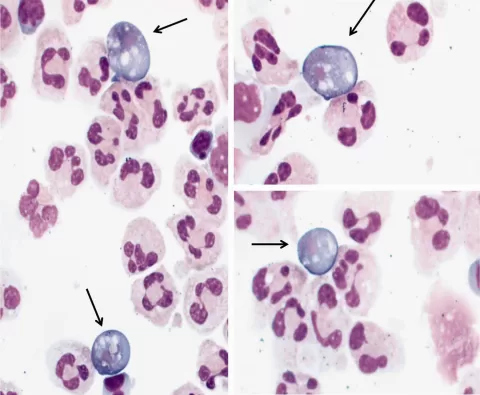
| Histological Findings | Leishmania amastigotes found in neutrophils through fine needle aspiration biopsy analyses. |
| Geographical Spread | Cases were geographically dispersed across central Europe, indicating a non-negligible role of horses as reservoir hosts. |
| Endemic Status Possibility | The occurrence of cases suggests potential endemicity of Leishmania martiniquensis in central Europe. |
Summary
Leishmania martiniquensis in horses has emerged as an important concern in veterinary and public health within central Europe. Recent reports of multiple equine cases demonstrated the species’ capability to cause cutaneous leishmaniasis outside its traditionally recognized endemic areas. The implications of zoonotic transmission are significant, particularly for immunocompromised individuals. Understanding the epidemiology and potential risk factors associated with Leishmania martiniquensis infections in horses is critical to mitigating the spread and impact of this pathogen.
The content provided on this blog (e.g., symptom descriptions, health tips, or general advice) is for informational purposes only and is not a substitute for professional medical advice, diagnosis, or treatment. Always seek the guidance of your physician or other qualified healthcare provider with any questions you may have regarding a medical condition. Never disregard professional medical advice or delay seeking it because of something you have read on this website. If you believe you may have a medical emergency, call your doctor or emergency services immediately. Reliance on any information provided by this blog is solely at your own risk.