

The emergence of the influenza D virus in cats is raising concerns in veterinary circles as it highlights a potential risk for cat infections and zoonotic diseases. Originally identified in cattle, this virus has been found sparingly in domestic cats, particularly in northern China, where studies have documented positive antibody cases among local populations. In a noteworthy study, antibodies to the influenza D virus were detected in 8 out of 360 cats, indicating that this previously overlooked virus may be more prevalent among companion animals than understood. Identifying how influenza viruses in pets may bridge the gap between animal epidemiology and human health is critical for proactive measures. As pet owners become aware of the implications, understanding the transmission dynamics of this virus can help mitigate risks to both feline and human populations alike.
The discovery of the Deltainfluenzavirus strain in felines presents a new frontier in our understanding of influenza-related illnesses in domestic animals. While traditionally associated with larger livestock like cattle, recent findings show that companion animals, specifically cats, can also harbor this virus, underscoring the need for heightened awareness in veterinary medicine. Epidemiological studies demonstrate that domestic felines are particularly susceptible, likely due to increased interaction with humans compared to their stray counterparts. This scenario not only poses a risk for the health of the cats themselves but also highlights the broader implications for zoonotic diseases that could potentially affect human populations. As the landscape of animal health evolves, monitoring the presence of such pathogens within pet populations becomes imperative for safeguarding both pets and their owners.
Understanding the Influenza D Virus and Its Impact on Cats
The Influenza D virus (IDV) is primarily known for its infection patterns in cattle, yet its presence in cats has recently come to light. Intriguingly, IDV is classified within the Orthomyxoviridae family, and its zoonotic potential has raised concerns among veterinary epidemiologists and pet owners alike. Recent studies indicate that while domestic cats showed more susceptibility to IDV, stray cats were also tested and found to have antibody responses. This resurgence of interest in IDV reflects an urgent need for increased awareness regarding cat infections and their potential role in animal epidemiology.
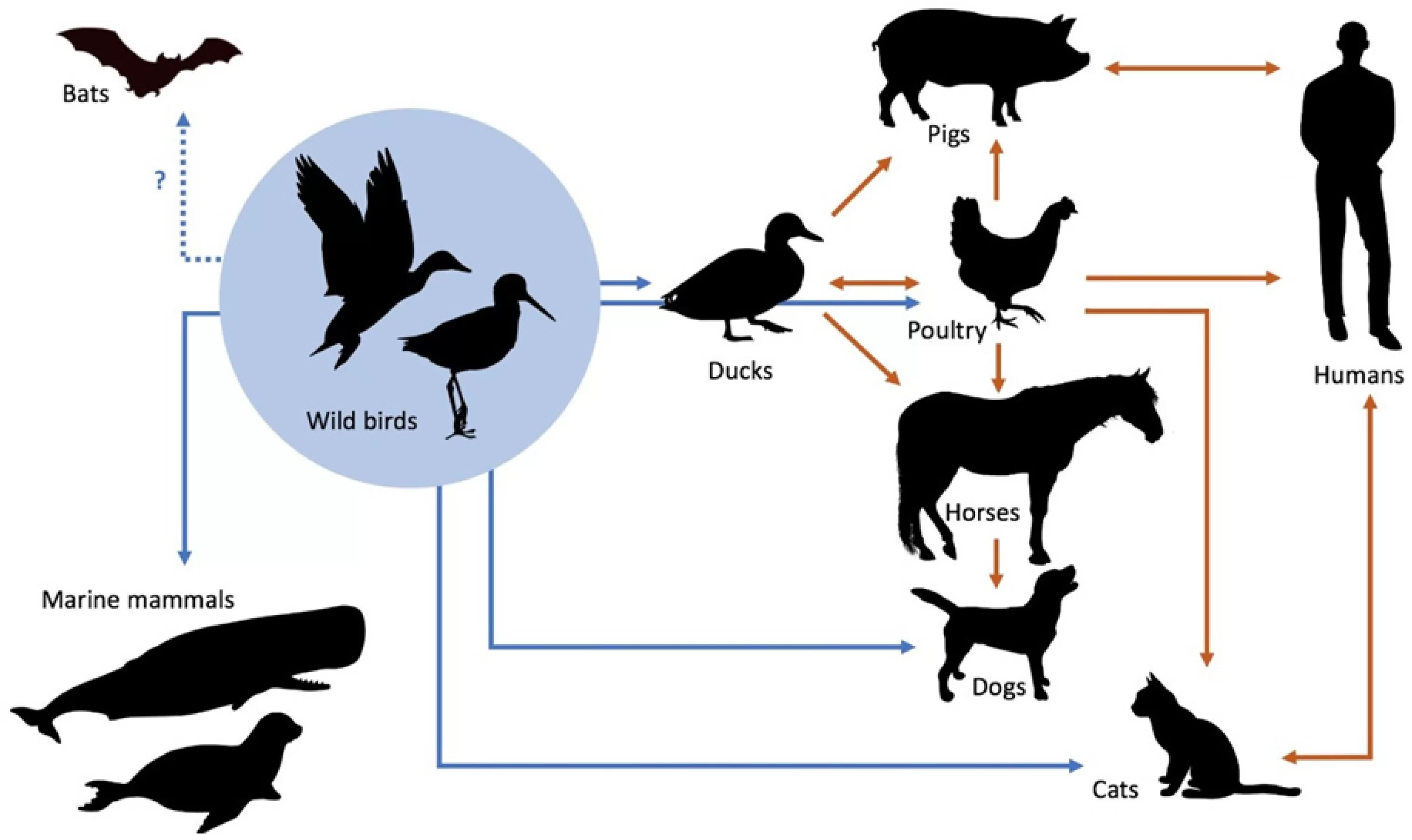
As our understanding of the Influenza D virus evolves, it’s crucial to consider how the virus spreads among companion animals such as cats. With rising reports of IDV in various animal populations worldwide, it’s clear that domestic cats can act as sentinels for monitoring this pathogen’s epidemiology. Furthermore, since cats frequently interact with humans, monitoring these animals for signs of IDV can help mitigate the risk of potential zoonotic diseases, thus emphasizing the need for proper surveillance and research into influenza viruses in pets.
Epidemiological Findings of Influenza D Virus in Domestic and Stray Cats
A recent study exploring the epidemiology of Influenza D virus in northern China pinpointed the detection of antibodies in a significant number of cats. Out of 360 specimens tested, 8 cats exhibited immune responses indicative of previous exposure to IDV, with a higher incidence found among domestic cats than their stray counterparts. This difference is likely attributed to increased contact with humans and other domestic animals, suggesting a clear correlation between human interaction and exposure rates. Such findings lend crucial insights into how zoonotic diseases might infiltrate domestic settings.
Moreover, the implications of these epidemiological findings suggest that cats, particularly in urban areas where human contact is frequent, may serve as potential reservoirs for the Influenza D virus. The monitoring of feline populations can provide valuable data on the transmission dynamics of this virus in the broader context of cat infections. Engaging pet owners in education and awareness about the risks associated with zoonotic diseases is essential to mitigate outbreaks and improve animal health across populations.
Risk Factors for Influenza D Infection in Cats and Their Consequences to Human Health Issues
An important aspect of the study on Influenza D virus in cats is the identification of risk factors that contribute to increased rates of infection. One prominent factor is the lifestyle of the cats themselves; domestic cats, due to their interactions with humans and other pets, are at a heightened risk of contracting IDV. By contrast, stray cats, while less frequently in close contact with humans, may still encounter the virus through environmental exposure or interactions with other infected animals. This disparity highlights the need for targeted interventions that reduce risk, particularly in households with multiple pets.
The potential human health implications of IDV in cats cannot be overstated. Since IDV is suspected to possess zoonotic capabilities, understanding its transmission routes and reservoirs is critical in preventing spillover into human populations. Maintaining a focus on veterinary health and animal epidemiology ensures that we do not overlook the risks posed by seemingly benign household pets. It’s essential for both veterinary practitioners and pet owners to keep vigilant regarding signs of respiratory illnesses in cats, enabling quick responses to outbreaks and protecting public health.
Comparative Analyses of Influenza D Virus with Other Common Influenza Viruses in Pets
Influenza viruses in pets, including the more studied influenza A and B viruses, present distinct differences from the emerging Influenza D virus. While influenza A and B infect a wide range of mammals, they are well established in the veterinary community, with clear pathological outlines. In comparison, IDV is still being investigated to thoroughly comprehend its behavior and impact on feline species. This gap in knowledge necessitates comparative analyses to establish symptomatology, transmission rates, and treatment protocols for varying influenza strains.
Additionally, as research on IDV progresses, it will be essential to look at how these viruses interact with one another within pet populations. Surveillance and clinical case studies addressing clinical symptoms and serological responses will be necessary to advance our understanding of cat infections. By exploring these connections, researchers can provide deeper insights into the epidemiological landscape of influenza in companion animals and help in formulating preventive measures.
Public Health Strategies for Managing Influenza D Virus Among Cats
The threat posed by the Influenza D virus, particularly regarding its detection in domestic cats, underscores the need for robust public health strategies aimed at managing animal health. Developing targeted surveillance programs that include regular screenings for IDV can help identify and mitigate outbreaks in feline populations. These programs should be part of a broader integrated approach that considers the interconnectedness of animal and human health, aligning with the One Health initiative.
Community education and engagement are critical in these public health efforts. Pet owners should be made aware of the potential risks of zoonotic diseases, including Influenza D virus, and encouraged to consult veterinary professionals if their cats show signs of respiratory illness. By fostering a culture of awareness and proactive care among pet owners, we can enhance our response to feline infections and safeguard both animal and human health in the community.
Next Steps in Research and Monitoring Influenza D Among Cats
The detection of Influenza D virus in cats marks an important step in understanding animal epidemiology and the emergence of zoonotic diseases. Future research should prioritize confirming active infections in cats through molecular methods and expanding studies to include a broader geographic area. Investigating the pathways of transmission within feline populations and between species is fundamental in painting a comprehensive picture of IDV dynamics.
Furthermore, interdisciplinary collaborations between veterinary medicine, public health officials, and research institutions will be essential in tackling the challenges presented by Influenza D virus. By pooling resources and expertise, we can promote effective surveillance programs and enhance our preparedness strategies for future outbreaks in both animals and humans.
Educational Pathways for Vets and Pet Owners on Influenza D Virus Risks
As awareness about the Influenza D virus in cats grows, it becomes paramount to develop educational pathways for veterinarians and pet owners alike. This includes creating accessible resources outlining the symptoms of influenza infections in pets, preventive measures for pet populations, and the potential implications for humans. By providing this vital information, the veterinary community can empower pet owners to take proactive measures in safeguarding their animals.
Additionally, specialized training modules for veterinary professionals focusing on emerging zoonotic diseases, including Influenza D, will enhance their ability to diagnose and manage these infections effectively. Collaborations between veterinary schools, health organizations, and community outreach programs can facilitate these educational efforts, ensuring that all stakeholders are equipped with the knowledge necessary to combat emerging infections within the sphere of domestic cats.
Frequently Asked Questions
What is the influenza D virus in cats and how does it affect them?
The influenza D virus (IDV) is a type of influenza virus primarily known to infect cattle but has been identified in domestic and stray cats. Infections in cats are rare but can occur, as indicated by recent studies showing antibodies in a small percentage of cats. The clinical impact of IDV on cats is still largely unknown, necessitating further research to understand its effects and transmissibility.
Are cats susceptible to the influenza D virus?
Yes, studies have shown that cats can be susceptible to the influenza D virus. A recent study found that domestic cats in northern China had a higher exposure rate to IDV compared to stray cats, likely due to their closer interactions with humans and other animals. Monitoring for influenza D virus in cats is essential to assess potential health risks.
Can the influenza D virus in cats pose a risk to human health?
Currently, there is no direct evidence that the influenza D virus can infect humans. However, given its potential zoonotic nature and the increasing documentation of IDV in various species, monitoring animal epidemiology, including cats, is crucial to prevent possible future transmissions to humans.
How was the influenza D virus in cats studied in northern China?
In 2024, researchers collected 360 serum samples from domestic and stray cats in northern China to study the prevalence of influenza D virus. Serological analysis revealed that some domestic cats had antibodies against IDV, indicating previous exposure to the virus. This study highlights the importance of continued surveillance for cat infections by emerging zoonotic diseases like IDV.
What are the implications of influenza D virus findings in cats?
The findings of influenza D virus antibodies in cats suggest that there may be a previously overlooked aspect of animal epidemiology concerning this virus. Increased exposure among domestic cats points to the need for further investigation into transmission pathways, potential clinical effects, and the role of close human-animal interactions in spreading zoonotic diseases.
What should pet owners know about influenza D virus in cats?
Pet owners should be aware that while the influenza D virus is primarily a concern for cattle, recent findings indicate that cats can also be affected. While the risk to human health is not fully understood, maintaining good hygiene practices and regular veterinary check-ups can help monitor for infections and ensure pets remain healthy.
| Key Point | Details |
|---|---|
| Influenza D Virus Overview | Influenza D virus (IDV) primarily infects cattle and was first identified in pigs in 2011. It belongs to the genus Deltainfluenzavirus. |
| Infection in Cats | IDV antibodies were detected in 8 out of 360 cats in northern China, indicating potential infection. |
| Domestic vs. Stray Cats | Domestic cats showed higher susceptibility to IDV compared to stray cats due to more human interaction. |
| Serological Findings | 3.31% of samples from veterinary hospitals were HI positive, while 1.12% from rescue stations were positive. |
| Public Health Implications | There is a potential risk for zoonotic transmission, necessitating further research and monitoring of IDV. |
Summary
Influenza D virus in cats has become a significant concern, especially after recent studies revealed its presence in domestic and stray cats in northern China. This emerging research underscores the need for further investigation into how this virus could impact not only feline health but also potentially pose zoonotic risks to humans. With a higher incidence of IDV in domestic cats, it highlights the importance of monitoring and preventive measures for companion animals, especially those with frequent interactions with humans.
The content provided on this blog (e.g., symptom descriptions, health tips, or general advice) is for informational purposes only and is not a substitute for professional medical advice, diagnosis, or treatment. Always seek the guidance of your physician or other qualified healthcare provider with any questions you may have regarding a medical condition. Never disregard professional medical advice or delay seeking it because of something you have read on this website. If you believe you may have a medical emergency, call your doctor or emergency services immediately. Reliance on any information provided by this blog is solely at your own risk.