

Influenza A(H5N1) detection is crucial in managing avian influenza outbreaks that pose a significant threat to public health. Surveillance efforts, particularly those focused on severe acute respiratory infections (SARI), provide essential insights into identifying H5N1 human cases, thereby aiding in swift responses to potential pandemics. Effective avian influenza surveillance can highlight instances of poultry-to-human transmission, helping authorities implement timely interventions. By refining influenza virus diagnosis methods, healthcare professionals can enhance SARI surveillance effectiveness and optimize treatment decisions for affected patients. As the world grapples with the evolving nature of influenza viruses, early detection remains a cornerstone of preventive strategies.
The identification of the highly pathogenic avian influenza known as H5N1 is vital for controlling zoonotic threats. Recognized through various diagnostic approaches, the detection of this influenza strain sheds light on the dynamics of avian influenza surveillance in different populations. Underlying the efforts to tackle Serious Acute Respiratory Infections (SARI) are robust systems designed to capture and respond to the transmission pathways of such novel influenza viruses. Enhanced scrutiny of H5N1 cases not only helps understand poultry-related infections but also emphasizes the critical role of clinician vigilance in recognizing and treating potential human infections promptly. With ongoing research, refining the strategies for detecting these viruses can offer valuable insights into mitigating the risks associated with influenza outbreaks.
Understanding Influenza A(H5N1) and Its Transmission
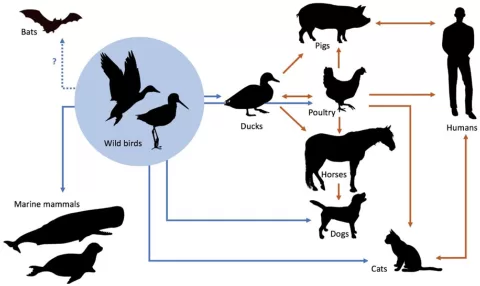
Influenza A(H5N1), commonly referred to as avian influenza, is a highly pathogenic virus that primarily affects birds but can also infect humans, leading to severe respiratory illness. The transmission of this virus from poultry to humans is a significant concern in public health, especially in regions where poultry farming is prevalent. In Cambodia, recent surveillance has shown that the majority of human cases can be directly linked to exposure to sick or dead poultry, highlighting the need for vigilant monitoring of avian populations. Understanding the dynamics of this virus’s transmission plays a crucial role in implementing effective prevention and control measures.
The severity of influenza A(H5N1) infections in humans cannot be underestimated. With a high mortality rate and potential for human-to-human transmission, the implications of such outbreaks are far-reaching. Public health authorities emphasize the importance of early detection through effective surveillance systems, particularly those monitoring severe acute respiratory infections (SARI). This proactive identification not only aids in managing current cases but also provides vital insights into the viral trends and potential future outbreaks.
The Role of SARI Surveillance in Influenza Detection
Severe Acute Respiratory Infection (SARI) surveillance is a critical tool for identifying influenza cases, particularly novel strains like A(H5N1). In Cambodia, it has proven to be effective, accounting for a significant number of identified cases over recent years. By focusing on hospitalized patients exhibiting SARI symptoms, healthcare providers can collect crucial respiratory specimens that contribute to both seasonal influenza monitoring and the detection of emerging viruses. This dual purpose strengthens the overall effectiveness of avian influenza surveillance strategies.
However, while SARI surveillance plays a crucial role in detecting influenza A(H5N1) infections, it is not without limitations. Not all patients with H5N1 infections show classic SARI symptoms, and some may seek care outside designated surveillance sites. This disparity underlines the need for enhanced clinician education and a robust diagnostic framework that incorporates both sentinel and event-driven approaches for influenza virus diagnosis. Training healthcare professionals to recognize early symptoms and prioritize testing for influenza, particularly among high-risk populations, is vital for improving response times and treatment outcomes.
Implementing Hybrid Surveillance Systems
To address the challenges associated with traditional SARI surveillance methods, the integration of hybrid surveillance systems is essential. Such systems combine sentinel surveillance with event-based approaches, allowing for more comprehensive and responsive detection of influenza A(H5N1) in populations at risk. The hybrid model not only enhances the scope of surveillance but also ensures that more cases are identified and appropriately managed, reducing the opportunities for outbreaks to escalate.
Additionally, these hybrid systems facilitate better data collection and sharing between various healthcare facilities, including outpatient services and private clinics. By increasing access to influenza testing in these settings, clinicians can promptly identify and report potential cases of H5N1, which is pivotal in devising timely public health interventions. Continuous education and support for healthcare providers in the recognition, testing, and management of avian influenza cases will ultimately lead to improved outcomes and increased safety for communities.
Challenges in Avian Influenza Surveillance
Despite advancements in avian influenza surveillance, significant challenges remain. One primary concern is the inconsistent detection rates of H5N1 infections, with reports indicating that an average of only one H5N1 virus is detected for every 1,000 SARI cases in Cambodia. This low detection rate calls for a thorough evaluation of existing surveillance methodologies and the exploration of new diagnostic tools. Investing in research and technology can aid in identifying cases that may otherwise go unnoticed.
Moreover, there are economic and logistical barriers when it comes to implementing comprehensive surveillance systems. Given the cost-associated nature of SARI surveillance, particularly in resource-limited settings, there is a pressing need for global health organizations to provide support and funding. Collaborative efforts to share resources and best practices among countries affected by avian influenza can streamline the process of establishing effective surveillance protocols and improving response mechanisms.
The Importance of Clinician Training
Training clinicians on the clinical manifestations of influenza A(H5N1) is paramount for timely diagnosis and intervention. As many of the detected cases in Cambodia stem from clinician suspicion rather than surveillance systems, enhancing the knowledge and skills of healthcare providers is critical. This includes familiarizing them with the specific symptoms associated with H5N1 infections and the importance of quick reporting and testing procedures to facilitate better patient outcomes.
Furthermore, clinician training should extend to all healthcare settings, especially those that may not be directly involved in SARI surveillance. By equipping a broader range of providers with the necessary tools and information, the healthcare system can ensure a more rapid and coordinated response to potential H5N1 cases. This community-driven approach not only improves individual patient care but also strengthens the overall public health response against influenza outbreaks.
Enhancing Community Awareness and Preparedness
Public awareness is an essential component in the fight against avian influenza, particularly in areas where poultry farming is common. Communities must be informed about the risks associated with H5N1 and encouraged to report unusual bird deaths or illnesses, which can be indicators of potential outbreaks. Education campaigns that focus on biosecurity measures for poultry handling and proper hygiene practices can significantly diminish the likelihood of disease transmission.
Moreover, community engagement in surveillance efforts can bolster the overall effectiveness of influenza monitoring systems. Encouraging the public to participate in reporting potential human cases or avian illnesses creates a two-way communication channel between health authorities and the community. This proactive stance promotes a culture of vigilance and responsibility that can lead to more timely responses and containment strategies.
Conclusion on Surveillance Strategies and Influenza A(H5N1)
The detection of influenza A(H5N1) through SARI surveillance in Cambodia illustrates the vital role such systems play in managing public health risks. By directly identifying a significant percentage of cases through vigilant monitoring and a collaborative approach, health authorities can put effective containment measures in place promptly. The insights gained from this surveillance not only inform current practices but also guide future strategic planning.
Ultimately, the fight against avian influenza will require a multifaceted approach, integrating various surveillance and diagnostic strategies, clinician education, community engagement, and ongoing research. Through these combined efforts, the potential impact of influenza A(H5N1) can be significantly mitigated, protecting both human health and the broader ecosystem. As countries work towards enhancing their surveillance capabilities, sharing insights and strategies will be crucial in confronting this persistent public health challenge.
Frequently Asked Questions
What role does severe acute respiratory infection (SARI) surveillance play in Influenza A(H5N1) detection?
SARI surveillance is crucial in detecting Influenza A(H5N1) as it monitors individuals hospitalized with acute respiratory illnesses, enabling the quick identification and testing of patients for influenza viruses, including H5N1. In Cambodia, 63% of human H5N1 cases detected between January 2023 and March 2025 were identified through SARI surveillance, either directly or through testing ill close contacts.
How does influenza virus diagnosis impact the management of H5N1 human cases?
Timely influenza virus diagnosis significantly impacts the management of H5N1 human cases by allowing for early initiation of antiviral treatment, such as oseltamivir. The Centers for Disease Control and Prevention recommend prompt isolation and testing of suspected cases, enabling quicker response actions to reduce transmission risks.
What are the advantages of combining SARI surveillance with other methods for H5N1 detection?
Combining SARI surveillance with other methods, such as event-based surveillance and clinician education, enhances the detection of H5N1 cases. This hybrid approach allows for broader coverage, quicker responses, and the ability to spot cases that may not fit the typical SARI profile, thus improving overall influenza A(H5N1) detection.
Why is poultry-to-human transmission significant in the context of Influenza A(H5N1) detection?
Poultry-to-human transmission is a significant route for the spread of Influenza A(H5N1), as identified in 79% of H5N1 cases in Cambodia between February 2023 and March 2025. Understanding this transmission pathway is vital for targeted surveillance and for strategizing public health responses to limit human exposure to infected poultry.
What limitations are associated with SARI surveillance in Influenza A(H5N1) detection?
SARI surveillance has limitations, including the potential for cases to go undetected due to patients not presenting with typical SARI symptoms, insufficient national coverage, and dependency on the healthcare settings for influenza testing. These limitations can result in some H5N1 infections being overlooked, necessitating additional surveillance strategies.
How effective is SARI surveillance in identifying H5N1 cases compared to other detection methods?
SARI surveillance has proven effective in identifying H5N1 cases, with a diagnosis median time of 6 days. However, it identified only nine out of 19 cases during the study period in Cambodia, indicating that while necessary, it should be complemented with other detection strategies, including clinician suspicion, which led to the identification of 25% of cases.
What measures can enhance Influenza A(H5N1) detection in high-risk areas?
To enhance H5N1 detection in high-risk areas, layered surveillance systems should be implemented that combine SARI and event-based surveillance. Additionally, training clinicians in recognizing and diagnosing novel influenza A infections, alongside increasing access to testing, can significantly improve early detection outcomes.
| Key Points |
|---|
| A total of 19 human cases of Influenza A(H5N1) were reported in Cambodia from February 2023 to March 2025, with 12 (63%) cases detected through Severe Acute Respiratory Infection (SARI) surveillance. |
| Timely detection through SARI leads to faster diagnosis (median 6 days) and earlier treatment with oseltamivir (median 5 days) than cases identified by clinicians (median diagnosis 8 days; treatment 7 days). |
| SARI surveillance mainly detects poultry-to-human transmission, with limitations in identifying cases without SARI symptoms or in private clinics. |
| Hybrid surveillance systems that incorporate both SARI and clinician-initiated testing are recommended to enhance detection of novel influenza A infections. |
Summary
Influenza A(H5N1) detection is critical for public health, as early identification of human infections is essential to contain its spread. From February 2023 to March 2025, an effective SARI surveillance system in Cambodia identified a significant proportion of cases, highlighting the need for enhanced tracking, especially in regions with high avian exposure. By integrating both SARI and clinician-led approaches, timely diagnosis and treatment can be improved, ultimately facilitating better management of this potentially deadly virus.
The content provided on this blog (e.g., symptom descriptions, health tips, or general advice) is for informational purposes only and is not a substitute for professional medical advice, diagnosis, or treatment. Always seek the guidance of your physician or other qualified healthcare provider with any questions you may have regarding a medical condition. Never disregard professional medical advice or delay seeking it because of something you have read on this website. If you believe you may have a medical emergency, call your doctor or emergency services immediately. Reliance on any information provided by this blog is solely at your own risk.