

HCID preparedness is a critical aspect of public health, focusing on our healthcare system’s ability to effectively respond to high-consequence infectious diseases. These diseases, which often have high morbidity and mortality rates, require a well-coordinated effort among healthcare systems, laboratories, and public health agencies. By establishing robust infection control protocols and ensuring access to medical countermeasures, we can enhance our response to these potential threats. Moreover, collaboration between stakeholders is essential for maintaining effective waste management and communication strategies. To prevent community transmission and protect public safety, ongoing investment in HCID preparedness and response is imperative.
Preparing for high-risk infectious diseases is essential for safeguarding public health and ensuring an effective healthcare system response. Terms such as high-impact infectious pathogens or critical infectious threats highlight the urgency surrounding this issue. Coordinated efforts in healthcare settings must emphasize robust infection control protocols and the development of medical countermeasures tailored to these dangers. This multidimensional approach includes efficient waste management practices and the establishment of specialized treatment units for affected individuals. Enhanced public health coordination is crucial to streamline responses, ensuring that all stakeholders are ready to tackle any emerging infectious crisis.
Understanding High-Consequence Infectious Diseases
High-consequence infectious diseases (HCIDs) pose a significant risk to public health due to their acute nature and high case-fatality rates. These diseases often emerge unexpectedly and can lead to widespread outbreaks if not managed effectively. As such, understanding the characteristics of HCIDs is crucial for health professionals and policymakers alike. The complexity of these pathogens necessitates a well-coordinated approach that integrates healthcare systems, public health authorities, and emergency response teams to effectively mitigate transmission and manage cases.
The severity of HCIDs demands robust infection control protocols that are adaptable to various healthcare settings. High-level isolation units (HLIUs) are often crucial in managing patients with HCIDs. These specialized facilities are equipped to prevent transmission and ensure the safety of healthcare providers, patients, and the community at large. Training and readiness for healthcare personnel in recognizing and responding to signs of HCIDs are also essential for a timely and efficient healthcare system response.
The Role of High-Level Isolation Units in HCID Management
High-level isolation units (HLIUs) are specifically designed to treat patients infected with high-consequence infectious diseases while minimizing the risk of transmission. These units are equipped with cutting-edge technology and follow strict infection control protocols. By maintaining a controlled environment, HLIUs ensure that the care provided does not pose an additional risk to healthcare workers or the surrounding community, thus playing a critical role in the overall healthcare system response to HCIDs.
Moreover, the establishment and maintenance of HLIUs require significant investment and coordination among various stakeholders, including local health departments, hospitals, and infection prevention specialists. Active collaboration among these entities ensures that HLIUs can be rapidly mobilized during an outbreak. By investing in HLIUs and enhancing their capabilities, healthcare systems can significantly improve their preparedness for future HCIDs, ultimately safeguarding public health.
Frequently Asked Questions
What is HCID preparedness and why is it important?
HCID preparedness refers to the strategies and plans developed to address high-consequence infectious diseases, which are characterized by high mortality rates and community transmission potential. It is crucial because effective preparedness enhances the healthcare system’s response capabilities, utilizes advanced infection control protocols, and ensures rapid access to medical countermeasures during outbreaks.
How do healthcare systems prepare for high-consequence infectious diseases?
Healthcare systems prepare for high-consequence infectious diseases by establishing high-level isolation units (HLIUs), maintaining robust clinical laboratory services, and implementing strict waste management protocols. These steps, combined with thorough training in infection control protocols, improve the healthcare system’s response to HCID outbreaks.
What role do medical countermeasures play in HCID preparedness?
Medical countermeasures are essential in HCID preparedness as they provide timely access to vaccines and therapeutic options that can mitigate disease spread and severity. Rapid development and distribution of these countermeasures are critical for effective healthcare system response during HCID events.
Why is public health coordination vital for HCID response?
Public health coordination is vital for HCID response because it ensures efficient communication and collaboration among stakeholders, including healthcare facilities and public health authorities. This coordination improves triage, enhances patient care, and optimizes access to necessary medical resources during an outbreak.
What infection control protocols are necessary for managing HCIDs?
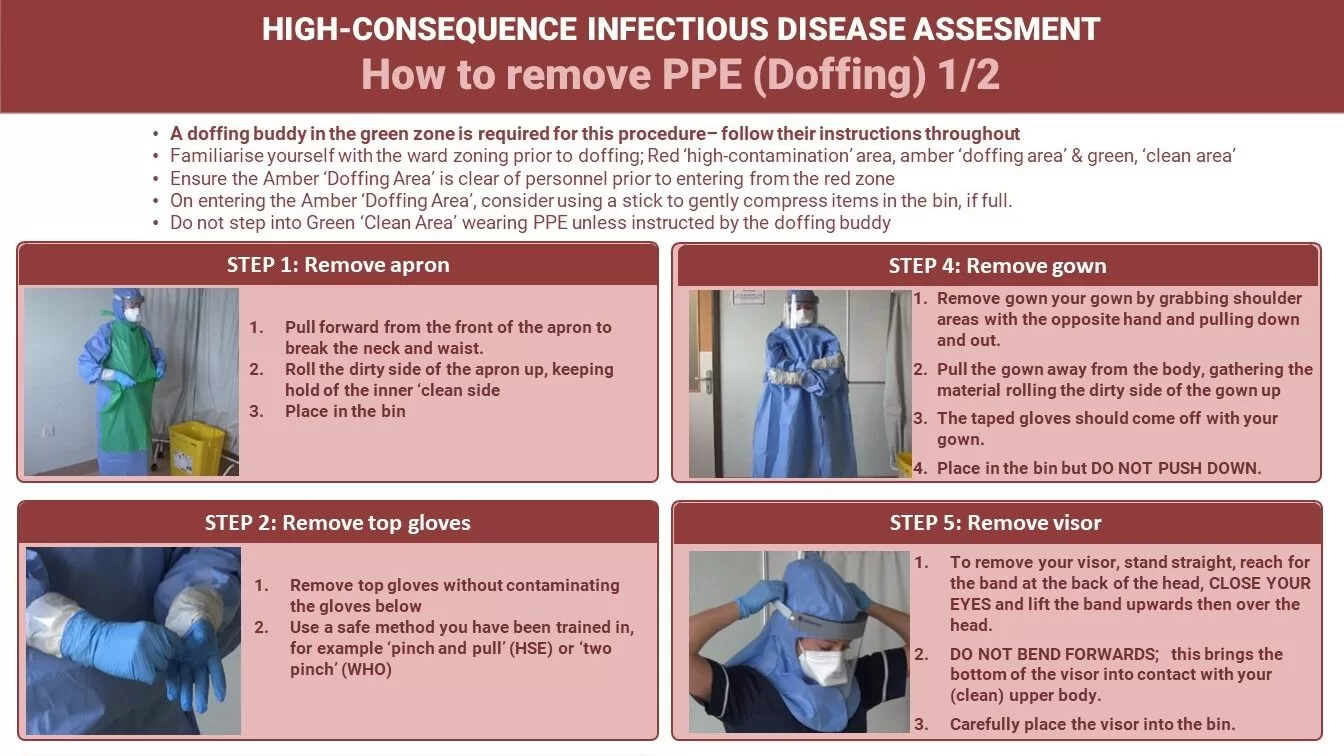
Infection control protocols necessary for managing HCIDs include strict sanitation measures, the use of personal protective equipment (PPE), and policies for isolating infected patients. These protocols are implemented to prevent transmission within healthcare settings and to protect both staff and the public.
How can investment in HCID preparedness improve healthcare responses?
Investment in HCID preparedness can significantly improve healthcare responses by enhancing research capabilities, developing new medical countermeasures, and ensuring that healthcare systems are equipped to handle emerging infectious threats. Such investments lead to better diagnostics, treatment options, and overall management strategies for HCIDs.
What challenges exist in securing effective HCID medical countermeasures?
Challenges in securing effective HCID medical countermeasures include regulatory hurdles for rapid deployment, funding limitations for research, and the need for timely access to investigational therapies. Addressing these barriers is essential to improve the healthcare system’s response during outbreaks.
How does waste management factor into HCID preparedness?
Waste management is a critical component of HCID preparedness, as it involves strict protocols for safely handling and disposing of infectious waste. Proper waste management protects healthcare workers and the community from potential exposure during HCID outbreaks.
What are the key elements of an effective HCID response plan?
Key elements of an effective HCID response plan include establishing high-level isolation units, maintaining clinical laboratory capabilities, ensuring public health coordination, implementing comprehensive infection control protocols, and having access to medical countermeasures. These elements are vital for mitigating the impact of HCIDs on public health.
What advancements are necessary to enhance HCID preparedness and response capabilities?
Advancements necessary to enhance HCID preparedness and response capabilities include increased funding for research, improved access to diagnostics, better training for healthcare personnel, and the development of ethical frameworks for emergency use authorization of medical interventions.
| Key Aspect | Description |
|---|---|
| Characteristics of HCIDs and Special Pathogens | High mortality rates and potential for widespread transmission. Requires multidisciplinary collaboration for effective management. |
| High-Level Isolation Units (HLIUs) | Specialized facilities designed for safe treatment of HCID patients using advanced infection control measures. |
| Clinical Laboratory Services | Healthcare facilities must maintain capabilities for routine and emergency responses to HCIDs. |
| Medical Countermeasures | Need for prompt access to investigational therapies and vaccines, especially during health crises. |
| Waste Management | Strict protocols required for handling and disposal of infectious waste to protect health and safety. |
| Coordination with Public Health Authorities | Effective communication and collaboration between stakeholders essential for systematic treatment and triage. |
Summary
HCID Preparedness is critical in addressing the challenges posed by high-consequence infectious diseases. A robust national response hinges on effective communication, multi-agency coordination, and equitable access to medical care and countermeasures. Preparing for HCIDs requires not just investment in infrastructure and research but also a commitment to understanding the dynamics of emerging pathogens and ensuring swift access to necessary treatments and diagnostic tools. With proactive measures and a focus on continual improvement in preparedness strategies, the risks associated with HCIDs can be significantly mitigated, safeguarding public health in the face of potential outbreaks.
The content provided on this blog (e.g., symptom descriptions, health tips, or general advice) is for informational purposes only and is not a substitute for professional medical advice, diagnosis, or treatment. Always seek the guidance of your physician or other qualified healthcare provider with any questions you may have regarding a medical condition. Never disregard professional medical advice or delay seeking it because of something you have read on this website. If you believe you may have a medical emergency, call your doctor or emergency services immediately. Reliance on any information provided by this blog is solely at your own risk.