

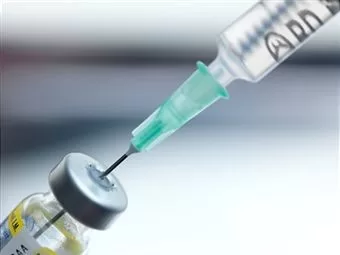
Gonorrhea vaccination is set to become a powerful tool in the fight against this prevalent sexually transmitted infection (STI) as England’s National Health Service (NHS) rolls out a groundbreaking vaccination campaign this summer. Starting in early August, eligible individuals, particularly gay and bisexual men with multiple recent sexual partners or a previous STI, will have the opportunity to receive the 4CMenB vaccine at local sexual health clinics. This meningococcal B vaccine, known for offering moderate protection against Neisseria gonorrhoeae, addresses the alarming rise of gonorrhea infections across the country. With cases soaring to an unprecedented 85,000 in 2023—marking a dramatic increase from previous years—the need for effective preventative measures is more urgent than ever. As experts point out, this initiative not only aims to protect individuals but also positions the UK as a pioneer in combating antibiotic-resistant gonorrhea at a time when such resistant strains are becoming increasingly concerning.
The recent announcement from the NHS heralds a significant development in sexual health—introducing a gonorrhea vaccination program that utilizes the existing meningococcal B vaccine, the 4CMenB. This proactive approach is particularly aimed at high-risk groups such as the LGBTQ+ community, which has been disproportionately affected by rising STI rates. As the second most common STI in England, the implications of expanding vaccination efforts are far-reaching, potentially averting thousands of cases of gonorrhea. This strategic initiative comes in response to a rapidly increasing pool of infections and the pressing challenge posed by antibiotic-resistant strains of the bacteria. By promoting vaccination in local health clinics, the NHS aims to create a robust defense against gonorrhea and enhance overall public health.
Understanding Gonorrhea and Its Rising Incidence
Gonorrhea, an often asymptomatic sexually transmitted infection (STI), has become an increasing concern within public health in England. The latest reports indicate a staggering rise in gonorrhea infections, with 85,000 cases documented in 2023, a significant increase from previous years. This surge highlights the critical need for proactive measures in combating the spread of STIs, particularly among vulnerable populations such as gay and bisexual men who are at a higher risk due to behavioral factors associated with multiple sexual partners.
The alarming growth in gonorrhea cases is compounded by the emergence of antibiotic-resistant strains, making treatment increasingly challenging. As healthcare professionals voice concerns, the need for effective public health strategies has never been more urgent. Enhanced awareness campaigns, such as the NHS gonorrhea campaign, aim to educate the population about safe practices and the importance of regular screenings, especially at sexual health clinics where high-risk individuals can find tailored support.
Frequently Asked Questions
What is the purpose of the gonorrhea vaccination campaign launched by the NHS?
The NHS is launching a gonorrhea vaccination campaign this summer to offer protection against gonorrhea, particularly targeting gay and bisexual men with a recent history of multiple sexual partners or sexually transmitted infections (STIs). This initiative will utilize the existing 4CMenB vaccine, known for providing cross-protection against Neisseria gonorrhoeae.
Who is eligible for the gonorrhea vaccination during the NHS campaign?
Eligible individuals for the gonorrhea vaccination include gay and bisexual men who have a recent history of multiple sexual partners or STIs. They can receive the meningococcal B vaccine (4CMenB) at local sexual health clinics.
How effective is the 4CMenB vaccine against gonorrhea?
The 4CMenB vaccine exhibits moderate effectiveness against gonorrhea, with studies indicating a protective range of 30% to 40% against Neisseria gonorrhoeae. This makes it a valuable component of England’s strategy to combat rising gonorrhea infections.
What prompted the NHS to initiate a gonorrhea vaccination program?
The NHS initiated the gonorrhea vaccination program due to a significant surge in gonorrhea cases, with 85,000 reported in 2023—the highest since tracking began in 1918. The increase includes concerning levels of antibiotic-resistant gonorrhea, necessitating proactive measures.
Where can individuals receive the gonorrhea vaccination?
Individuals can receive the gonorrhea vaccination at local authority-commissioned sexual health clinics throughout England, where eligible patients will be contacted and informed about the vaccination process.
What does the NHS aim to achieve with the gonorrhea vaccination program?
The NHS aims to reduce the incidence of gonorrhea infections through the vaccination program, potentially averting 110,000 cases over ten years while saving healthcare costs, ultimately making the UK a leader in gonorrhea protection.
How does the NHS gonorrhea campaign address antibiotic-resistant gonorrhea?
The NHS gonorrhea vaccination campaign aims to combat the growing threat of antibiotic-resistant gonorrhea by using the 4CMenB vaccine to provide additional protection to those most at risk, coupled with ongoing public health measures.
What is the significance of the NHS becoming the first country to offer a gonorrhea vaccination?
The initiative signifies a major public health breakthrough, positioning the UK as the first country to offer a gonorrhea vaccination, which could serve as a model for other nations facing similar STI challenges.
| Key Point | Details |
|---|---|
| Launch of Vaccination Campaign | NHS to start a gonorrhea vaccination campaign in August 2023. |
| Target Group | Eligible individuals are gay and bisexual men with multiple recent sexual partners or a history of STIs. |
| Vaccine Used | The existing 4CMenB vaccine for meningococcal B will be utilized for gonorrhea prevention. |
| Vaccine Effectiveness | Studies show the vaccine provides moderate cross-protection against Neisseria gonorrhoeae with effectiveness between 30% to 40%. |
| Projected Impact | Vaccination could prevent 110,000 gonorrhea cases and save £7.9 million ($10.6 million) for the NHS over a decade. |
| Rising Infections | England saw a surge to 85,000 gonorrhea cases in 2023, tripling numbers since 2012, marking the highest since tracking began in 1918. |
| Expert Opinion | Dr. Sema Mandel highlighted the program as a crucial intervention against increasing gonorrhea and antibiotic resistance. |
| Global Leadership | The UK aims to be the first country to offer this vaccination, setting a precedent in gonorrhea prevention. |
| Implementation | Local health services will identify and contact eligible individuals for vaccination. |
Summary
Gonorrhea vaccination is set to become a pivotal health initiative in England as the NHS launches a campaign aimed at combating the significant rise in gonorrhea infections. With an alarming increase in cases and the urgent need to address antibiotic resistance, this vaccination program uses the 4CMenB vaccine as part of a strategy to protect vulnerable populations. By targeting high-risk individuals, the NHS anticipates a notable reduction in infection rates and a profound impact on public health, positioning the UK as a leader in innovative sexual health strategies.
The content provided on this blog (e.g., symptom descriptions, health tips, or general advice) is for informational purposes only and is not a substitute for professional medical advice, diagnosis, or treatment. Always seek the guidance of your physician or other qualified healthcare provider with any questions you may have regarding a medical condition. Never disregard professional medical advice or delay seeking it because of something you have read on this website. If you believe you may have a medical emergency, call your doctor or emergency services immediately. Reliance on any information provided by this blog is solely at your own risk.