

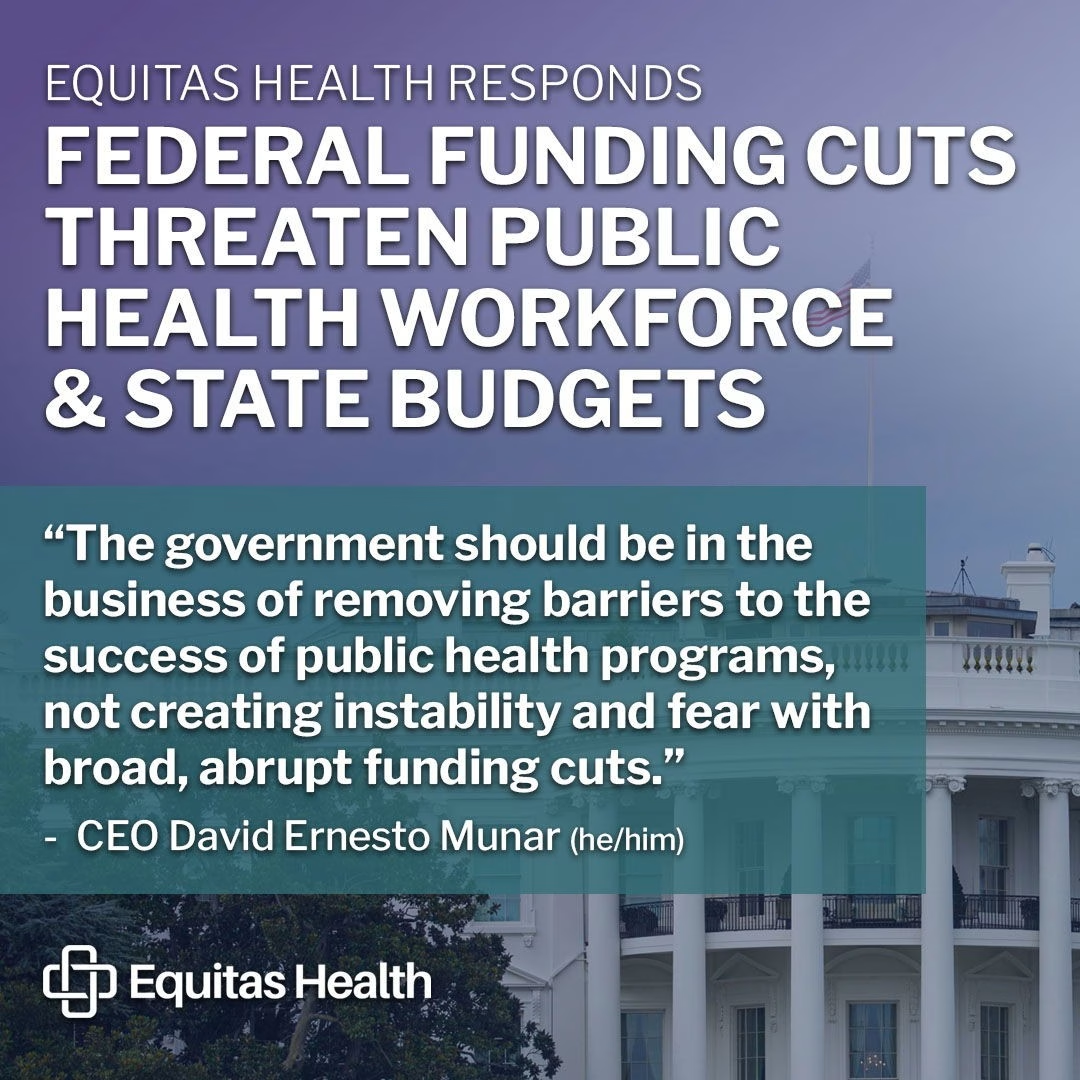
Federal health funding cuts are poised to significantly reshape public health initiatives across the United States, especially in states led by Democrats such as California, Colorado, Illinois, and Minnesota. These cuts, totaling $600 million, threaten vital programs including HIV prevention funding and STD prevention programs, ultimately jeopardizing healthcare funding and resources critical for vulnerable communities. Experts like Dr. Anna K. Person highlight the potential devastation to CDC funding that supports essential services, particularly those aimed at curbing the spread of HIV and STDs. As the nation’s public health infrastructure faces growing challenges, the implications of these cuts could echo throughout the healthcare system, further complicating efforts to manage infectious diseases. The urgency is clear: without adequate funding, the goal of effectively combating HIV and other sexually transmitted diseases becomes increasingly unattainable.
The recent announcement regarding significant reductions in federal health funding signals a troubling trend for public health strategies in America. The impending budgetary constraints could hinder local and state health departments in their efforts to address critical health issues, including infectious disease management and prevention strategies. As funding streams dwindle, concerns mount over the loss of pivotal resources for initiatives aimed at reducing the prevalence of diseases such as HIV and other STDs. The impact of this funding withdrawal may be felt most acutely in communities that rely heavily on federal support for essential health services. Addressing these forthcoming challenges will require a robust response to ensure that public health remains a priority amid ongoing budgetary constraints.
The Impact of Federal Health Funding Cuts on Infectious Disease Prevention
The proposed $600 million cut in federal health funding will predominantly affect states like California, Colorado, Illinois, and Minnesota, which are crucial in the battle against infectious diseases. These reductions are anticipated to lead to significant setbacks in HIV prevention and STD prevention programs, leaving vulnerable populations without necessary resources. Health initiatives supported by these funds have historically played a vital role in reducing the transmission rates of HIV and STDs, particularly among high-risk groups. Experts assert that these cuts could strain the already fragile public health infrastructure, potentially leading to increased rates of infections and exacerbating existing health disparities.
Moreover, programs that focus on specific demographics, such as HIV prevention targeted towards Black and Latino communities, may face severe disruptions. The Centers for Disease Control and Prevention (CDC) funding cuts would hinder programs that provide critical access to HIV pre-exposure prophylaxis (PrEP), a cornerstone in combating the epidemic. Without these funds, outreach and education efforts will diminish, making it difficult to achieve the targets set forth in national public health goals, including the elimination of HIV transmission.
Importance of Sustaining HIV Prevention Funding
Funding for HIV prevention is not just about financial support; it is about safeguarding the health of entire communities. The CDC’s allocation of resources has been instrumental in combating the HIV epidemic across the U.S. It empowers local health departments to implement comprehensive education, prevention strategies, and treatment programs. As highlighted in the statements from Dr. Anna K. Person, without the critical investment in these programs, there is a significant risk of regression in the fight against HIV, particularly among marginalized groups who are already at higher risk.
Sustaining HIV prevention funding ensures that effective strategies remain available and accessible to those most in need. Programs designed to facilitate access to PrEP have proven essential in reducing new HIV infections. Therefore, advocating for the preservation of public health funding is paramount to maintaining progress. Healthcare funding implications extend beyond financial numbers; they determine the well-being of states’ populations and the overall health landscape. Calls for Congress to protect these critical programs reflect a broader understanding of public health’s significance in society.
Public Health Funding: A Lifeline for Vulnerable Populations
Public health funding is a lifeline for various communities, especially when it comes to addressing issues related to HIV and other STDs. Redirecting or eliminating funding can result in dire consequences for populations that rely on targeted public health interventions. For example, the CDC has historically directed funds toward programs that focus on the unique needs of Black women and Latino men who have sex with men, groups that face disproportionate rates of HIV transmission. These programs not only provide prevention services but also foster a supportive environment where members can receive needed health education and resources.
Additionally, public health funding enables ongoing research and surveillance, essential components of effective disease prevention strategies. With the proposed cuts, the ability to monitor and respond to the evolving landscape of infectious diseases will be severely compromised. Healthy populations are resilient communities, and investing in public health initiatives ensures that vulnerable groups have the support they need to navigate health challenges. Preserving these funds should be a priority for policymakers, as the consequences of neglect can resonate for generations.
HIV Surveillance: Challenges Ahead with Funding Cuts
HIV surveillance is a critical aspect of public health that informs policy, funding allocation, and community health strategies. The anticipated cuts to federal funding could severely impair the ability of health departments to effectively monitor HIV trends, which is essential for timely and effective interventions. Without accurate data, stakeholders may be ill-equipped to address rising infection rates or identify high-risk populations that need additional resources. This data informs everything from local health programming to national public health initiatives.
Moreover, the lack of funding for HIV surveillance can result in missed opportunities for prevention. Programs that help officials understand where to focus efforts in prevention and education are invaluable in combating the spread of HIV. When health departments can track trends and emerging concerns, they can customize their approaches to effectively target interventions. The downsizing of surveillance resources due to funding cuts poses a considerable risk to public health, making it difficult to remain proactive in the fight against HIV.
The Role of Community in Responding to Funding Cuts
Communities must play a proactive role in responding to potential federal health funding cuts, especially those targeting HIV prevention and STD programs. Mobilizing local advocacy groups and health organizations is essential to form a collective voice that can influence policymakers. By raising awareness about the implications of funding cuts, community leaders can foster a sense of urgency among constituents and prompt action before these cuts take effect. Community engagement in health initiatives ensures that the unique needs of different populations are prioritized, and local voices are heard in decision-making processes.
Furthermore, communities can develop alternative funding strategies to fill gaps left by federal funding reductions. This could include fundraising efforts, partnerships with private sector companies, or seeking grants from philanthropic organizations that prioritize health disparities. By cultivating a network of support, communities can try to mitigate the effects of funding cuts on their public health infrastructure. This grassroots approach not only helps maintain essential services but also empowers individuals to take charge of their health outcomes and advocate for their needs.
Advocacy Efforts: Protecting Essential Health Programs
The ongoing discussions around federal health funding cuts highlight the importance of advocacy in protecting essential health programs. Health advocates at the local and national levels must unite to call upon legislators to maintain funding for HIV and STD prevention initiatives. Collaborative campaigns emphasizing the benefits of investing in public health can help draw attention to the importance of continuing support for these critical programs. Mobilizing public opinion and leveraging media coverage can help elevate the conversation about funding cuts beyond the political arena and into the hearts and minds of constituents.
Moreover, advocacy efforts should encompass educating stakeholders and community members about the consequences of cuts to public health funding. This may involve providing resources, data, and personal narratives that reveal the real-life impact of funding reductions on health outcomes. By informing the public and encouraging them to engage with their representatives, advocates can help foster a more informed electorate that understands the significance of protecting health funding. Only through sustained advocacy can the momentum shift to support the health of communities across the nation.
The Future of Public Health with Reduced Funding
The future of public health hangs in the balance as proposed federal cuts threaten vital funding for programs critical to preventing the spread of HIV and other STDs. With the erosion of financial support, health departments may find it increasingly challenging to implement effective health strategies, leading to slower progress in addressing public health issues. As evidenced in statements by healthcare professionals, the ramifications of funding reductions could lead to increased healthcare disparities, with marginalized communities bearing the brunt of these changes.
Looking ahead, it is crucial that public health stakeholders advocate for reinvestment in these programs to protect the progress made against HIV. This can include emphasizing the cost-effectiveness of prevention strategies and demonstrating the long-term benefits of investing in health. Furthermore, adapting to new funding realities may require innovative approaches and rethinking how public health is funded at the local, state, and federal levels. Proactive measures and strategic planning will be key to ensuring that the essential health services continue to reach those who need them most.
Long-term Implications of Cuts to Healthcare Funding
The long-term implications of cuts to healthcare funding extend beyond immediate financial relief for the federal government. As states grapple with reduced funds for vital health programs, they may experience a series of cascading effects that could undermine public health initiatives aimed at controlling HIV and STDs. In the absence of consistent healthcare funding, health departments may reduce workforce capacity, scale back community outreach efforts, and struggle to maintain the quality of services provided. Over time, these reductions can lead to increased healthcare costs on the back end as untreated infections and outbreaks occur.
Moreover, the societal costs of neglecting public health cannot be understated. Increased rates of HIV and other sexually transmitted diseases can lead to higher numbers of hospitalizations, complications from untreated infections, and a decline in overall community health. The ripple effect of these healthcare funding implications may also burden the healthcare system, causing strain on emergency services and workforce demand. Therefore, it is imperative for stakeholders to advocate firmly against funding cuts, stressing the long-term benefits of sustained investment in public health initiatives.
Community Health Initiatives Needing Immediate Attention
As discussions intensify around federal health funding cuts, it is clear that certain community health initiatives require immediate attention to prevent further erosion of services. Programs that focus on HIV education, testing, and prevention need to be strengthened to ensure vulnerable populations continue to receive critical support. Local organizations and health departments must be supported in their efforts to provide education about HIV transmission, risk reduction strategies, and access to healthcare services. Without an immediate response to funding cuts, these essential services could be at risk of closure, leaving many without necessary protection.
In addition, public health campaigns that cater to specific high-risk populations must not be neglected. Tailored messaging and outreach play a significant role in promoting HIV prevention and health equity. Addressing healthcare disparities among marginalized groups requires resources and dedicated programs that can meet their unique needs. Therefore, stakeholders must collaborate to secure funding that prioritizes these community-focused initiatives, ensuring they remain front and center in the fight against HIV and STDs. The health of communities depends on robust, responsive programming funded by a commitment to public health.
Frequently Asked Questions
What are the implications of federal health funding cuts on HIV prevention funding?
Federal health funding cuts, particularly those targeting HIV prevention funding, can significantly hinder efforts to reduce HIV transmission rates. Programs reliant on such funding are essential for providing access to pre-exposure prophylaxis (PrEP) and supporting communities most affected by HIV. The proposed cuts could weaken the infrastructure necessary for effective disease prevention.
How will CDC funding cuts affect STD prevention programs?
The proposed CDC funding cuts could severely impact STD prevention programs by limiting resources available for testing, education, and treatment initiatives. These programs are crucial for controlling the spread of STDs, and reduced funding may lead to increased rates of infection and poorer health outcomes.
What is the potential impact of cuts to public health funding on local health departments?
Cuts to public health funding can undermine local health departments’ ability to respond to infectious disease outbreaks and maintain essential health services. Reduced resources may result in inadequate outreach and support for vulnerable populations, directly affecting community health and safety.
Why are healthcare funding implications a concern for state health programs?
Healthcare funding implications stemming from federal cuts can jeopardize state health programs’ functioning. States like California, Colorado, Illinois, and Minnesota may face challenges in executing essential services related to HIV and STD prevention, affecting the overall health of their populations.
What actions are being urged in response to the proposed federal health funding cuts?
Health professionals are urging the administration to retract the proposed federal health funding cuts to ensure continued support for vital public health programs. Advocacy for Congress to safeguard CDC funding and maintain financial backing for HIV prevention and STD programs is critical to maintaining community health safeguards.
How will federal health funding cuts affect HIV surveillance efforts?
Federal health funding cuts pose a direct threat to HIV surveillance efforts, which rely on consistent funding for data collection and analysis. Effective surveillance is crucial for understanding trends, guiding interventions, and ensuring that resources are allocated to the communities that need them the most.
What specific communities may be disproportionately affected by federal health funding cuts?
Communities including Black women and Latino and African American men who have sex with men are particularly at risk from federal health funding cuts. Many programs designed to cater specifically to these populations rely on federal funding to provide targeted prevention services.
What is the stance of health experts regarding the proposed cuts to federal health funding?
Health experts, including leaders from HIV and STD prevention organizations, express deep concern over the proposed cuts to federal health funding. They argue such reductions could reverse progress made in combating infectious diseases and stress the need for continued investment in health programs for community well-being.
| Key Points |
|---|
| Trump administration plans to withdraw $600 million in federal health funding from California, Colorado, Illinois, and Minnesota. |
| Funding cuts could significantly impact infectious disease prevention, including HIV and STDs. |
| Anna K. Person, MD, and other health officials express concern over the implications of reduced CDC funding. |
| Key grants under consideration are vital for HIV prevention and access to pre-exposure prophylaxis (PrEP). |
| Programs targeted at specific communities, especially for Black women and Latino men, may be affected. |
| Minnesota officials have not received formal notification regarding funding changes, but express concern. |
| Health advocates urge the administration to reconsider the funding cuts to protect public health infrastructure. |
Summary
Federal health funding cuts are poised to have a detrimental effect on the ability to prevent infectious diseases, particularly HIV and STDs, across key states. The proposed withdrawal of $600 million in federal health funding by the Trump administration could significantly hinder essential health programs, making it imperative for Congress to safeguard these critical resources, which play a pivotal role in the health of vulnerable communities. Protecting this funding is essential to continue the fight against HIV and ensure the well-being of these affected populations.
The content provided on this blog (e.g., symptom descriptions, health tips, or general advice) is for informational purposes only and is not a substitute for professional medical advice, diagnosis, or treatment. Always seek the guidance of your physician or other qualified healthcare provider with any questions you may have regarding a medical condition. Never disregard professional medical advice or delay seeking it because of something you have read on this website. If you believe you may have a medical emergency, call your doctor or emergency services immediately. Reliance on any information provided by this blog is solely at your own risk.