

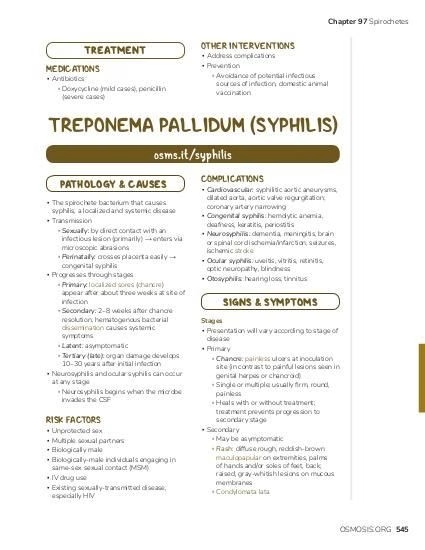
Doxycycline resistance in Treponema pallidum is an emerging concern as this bacterium is the causative agent of syphilis, a sexually transmitted infection (STI) showing rising incidence rates across the globe. Recent studies revealed mutations in the 16S rRNA gene of Treponema pallidum, which could be linked to the failure of doxycycline treatment, thus complicating therapeutic options for syphilis. As traditional treatments such as benzathine penicillin G face shortages, the reliance on doxycycline has surged, particularly among non-pregnant adults with penicillin allergies. However, evidence of treatment failures in secondary and early latent syphilis urges further investigation into the mechanisms behind syphilis resistance. Continuous genomic analysis is critical to monitor the evolution of doxycycline resistance and ensure effective management of this increasingly prevalent infectious disease.
The issue of doxycycline’s effectiveness against Treponema pallidum, particularly concerning syphilis treatment, raises significant alarm due to the emergence of bacterial resistance. Known for its role as the agent behind this STI, T. pallidum’s mutations in the 16S rRNA gene represent a pivotal focus in understanding syphilis resistance to antibiotic therapy. Increased usage of doxycycline as an alternative during antibiotic shortages heightens the risk of developing antimicrobial resistance, which not only complicates current treatment protocols but also threatens future antibiotics’ efficacy. Close surveillance of specific genomic mutations is essential for developing strategies to tackle the rising challenge of antibiotic-resistant sexually transmitted infections. Ongoing studies will play a vital role in delineating the relationship between these genomic changes and their clinical implications for doxycycline treatment.
Understanding Doxycycline Resistance in Treponema pallidum
The issue of doxycycline resistance in Treponema pallidum, the bacterium responsible for syphilis, is gaining attention as treatment protocols evolve. With rising rates of syphilis infection across the globe, particularly in Canada, the reliance on doxycycline has increased, especially for patients with penicillin allergies. However, this increased usage raises concerns about the potential for the emergence of resistant strains. Research has indicated that certain mutations, specifically in the 16S rRNA gene, can contribute to this resistance. These mutations may hinder the drug’s efficacy, making it crucial for ongoing genetic surveillance and analysis of T. pallidum genomes to monitor and address this emerging threat to public health.
In addition to the resistance from genetic mutations, there’s a pressing need to understand the ecology of Treponema pallidum within human populations. Doxycycline has been beneficial not only in treating syphilis but also as a prophylactic option against sexually transmitted infections (STIs). However, the potential of selecting for resistant organisms through widespread prophylactic use presents a dual challenge: protecting susceptible individuals while minimizing the risk of undermining effective treatments in the future. Ongoing research and surveillance will be essential to balance these factors and ensure the continued efficacy of doxycycline in treating syphilis.
Frequently Asked Questions
What is the role of Treponema pallidum in doxycycline resistance?
Treponema pallidum is the bacterium responsible for syphilis, and recent genomic studies have suggested that mutations in the 16S rRNA gene could be linked to doxycycline resistance. This is significant as increased use of doxycycline for treating syphilis raises the potential for developing resistance.
How do 16S rRNA mutations affect doxycycline treatment effectiveness in Treponema pallidum?
Mutations in the 16S rRNA gene of Treponema pallidum may hinder the effectiveness of doxycycline treatment. Although only a few mutations have been associated with resistance, ongoing monitoring of these genetic alterations is critical to assess their impact on treatment outcomes.
What are the implications of emerging doxycycline resistance in Treponema pallidum for syphilis treatment?
The emergence of doxycycline resistance in Treponema pallidum could complicate syphilis treatment, especially as doxycycline is being increasingly recommended for patients allergic to penicillin. Continuous genomic surveillance will be essential to prevent such resistance from undermining treatment regimens.
How does doxycycline resistance in Treponema pallidum relate to syphilis as an emerging infectious disease?
Doxycycline resistance in Treponema pallidum is concerning as syphilis cases continue to rise globally, marking it as an emerging infectious disease. The identification of resistance mutations highlights the need for effective treatment strategies amidst growing antibiotic resistance.
What measures are being taken to monitor doxycycline resistance in Treponema pallidum?
Research efforts are focusing on genomic surveillance to detect 16S rRNA mutations associated with doxycycline resistance in Treponema pallidum. By monitoring specific mutation sites, researchers aim to establish a baseline for resistance patterns and ensure ongoing efficacy of syphilis treatments.
What recent findings have been made regarding doxycycline resistance mechanisms in Treponema pallidum?
Recent studies have identified specific SNPs in the 16S rRNA gene of Treponema pallidum that could potentially be associated with doxycycline resistance. However, the clinical significance of these mutations requires further validation through in vitro studies.
How critical is it to understand doxycycline resistance in the context of treating syphilis?
Understanding doxycycline resistance in Treponema pallidum is crucial for effectively treating syphilis, especially as treatment options become limited due to antibiotic shortages or allergies. Identifying resistance mechanisms will help in developing new strategies to combat syphilis effectively.
What specific mutations in Treponema pallidum should be monitored for doxycycline resistance?
Key mutations in Treponema pallidum that should be monitored for their potential link to doxycycline resistance include positions 966 to 969 and 1056 to 1058 of the 16S rRNA gene. These sites are of particular interest as early indicators of emerging resistance.
Why is doxycycline increasingly used for syphilis treatment despite concerns of resistance?
Doxycycline is increasingly used for treating syphilis primarily due to shortages of benzathine penicillin G, coupled with its effectiveness in certain patient populations, such as those allergic to penicillin. However, this increased use necessitates careful monitoring of resistance levels in Treponema pallidum.
What is the relationship between doxycycline resistance and antibiotic stewardship in syphilis management?
The potential for doxycycline resistance in Treponema pallidum underscores the importance of antibiotic stewardship in syphilis management. Responsible use of antibiotics, alongside surveillance of resistance patterns, is vital to preserve treatment efficacy and combat the rise of resistant strains.
| Key Point | Details |
|---|---|
| Doxycycline Resistance in T. pallidum | Doxycycline resistance in Treponema pallidum is linked to mutations in the 16S rRNA gene. |
| Increase in Syphilis Cases | Canada has experienced a 77% increase in syphilis incidence since 2018, with a rate of 30.5 cases per 100,000 in 2023. |
| Treatment Challenges | Due to penicillin shortages, doxycycline is now recommended as an alternative treatment for syphilis. |
| Mutation Surveillance | Ongoing genomic monitoring should focus on specific regions of the 16S rRNA that may indicate resistance. |
| Genomic Analysis Findings | Out of 784 genomes analyzed, 9 had potential resistance mutations; 17 new Canadian genomes showed no mutations. |
| AMR Risk | The increasing use of doxycycline raises concerns about the emergence of antimicrobial resistance. |
Summary
Doxycycline resistance in Treponema pallidum is an emerging public health concern as the global incidence of syphilis continues to rise. The recent study highlights the potential genomic mutations associated with this resistance, particularly in the 16S rRNA gene. Continuous genomic surveillance is essential to monitor these mutations, which could serve as early indicators of resistance. Given the increased reliance on doxycycline, understanding its implications on antimicrobial resistance (AMR) is critical to manage and prevent challenges in treating syphilis effectively.
The content provided on this blog (e.g., symptom descriptions, health tips, or general advice) is for informational purposes only and is not a substitute for professional medical advice, diagnosis, or treatment. Always seek the guidance of your physician or other qualified healthcare provider with any questions you may have regarding a medical condition. Never disregard professional medical advice or delay seeking it because of something you have read on this website. If you believe you may have a medical emergency, call your doctor or emergency services immediately. Reliance on any information provided by this blog is solely at your own risk.