

Conflicts of interest in vaccine advisory panels, particularly those like the CDC’s Advisory Committee on Immunization Practices (ACIP), have become a focal point for public scrutiny. Concerns regarding financial conflicts in vaccines are rising, especially in light of the recent claims by health officials about the integrity of vaccine recommendations. These advisory committees play a critical role in shaping public health policies and vaccine safety guidelines, which makes transparency imperative. As research suggests a significant decrease in financial conflicts of interest among members, it raises questions about the trustworthiness and integrity of these panels. Ultimately, ensuring that vaccine advisory committees operate free from any undue influence is essential for maintaining public confidence in their recommendations and the vaccines themselves.
In discussing the dynamics of vaccine advisory boards, it is crucial to examine the potential for biases stemming from personal or financial connections. Terminology such as ‘financial interests in immunization guidance’ and ‘ethical considerations in health advisory groups’ highlights the complexity of these discussions. As these committees, often overseen by organizations like the CDC, provide vital input on vaccination practices, the issue of maintaining public health transparency becomes paramount. Ensuring that these influential bodies prioritize unbiased science over external influences will not only reaffirm their authority but also bolster community trust in vaccine safety protocols.
Understanding Financial Conflicts of Interest in Vaccine Advisory Panels
Financial conflicts of interest (COI) within vaccine advisory panels have garnered significant public attention over the years, especially regarding their impact on vaccine safety recommendations. Recent studies indicate that these conflicts are much lower than previously believed. For instance, research published by USC shows that only 6.2% of members of the Advisory Committee on Immunization Practices (ACIP) reported financial ties to vaccine manufacturers, refuting claims of widespread conflicts. Such insights emphasize the importance of transparency in public health decision-making and reassure the community about the integrity of vaccine recommendations.
Despite allegations that over 97% of ACIP members had financial conflicts, the actual figures reveal a starkly different reality. This discrepancy highlights the ongoing need for rigorous conflict of interest disclosures and the effectiveness of current regulations aimed at maintaining public trust in vaccine advisory committees. Vigilance around COIs ensures that the integrity of the vaccine approval process remains intact, allowing policymakers to rely on unbiased recommendations when it comes to public health.
The Role of CDC ACIP and VRBPAC in Vaccine Safety
The Advisory Committee on Immunization Practices (ACIP) and the Vaccines and Related Biological Products Advisory Committee (VRBPAC) play critical roles in shaping vaccine policy in the United States. These committees are responsible for evaluating the safety and efficacy of vaccines before they can be administered to the public. The meticulous processes employed by ACIP and VRBPAC include comprehensive reviews of clinical data and potential risks, ensuring that any approvals made are grounded in scientific evidence. Such structured evaluations are essential for maintaining high standards of vaccine safety.
Both committees convene regularly to discuss various vaccines and assess any potential conflicts of interest present among their members. In addition, ACIP members are required to recuse themselves from discussions and votes if they have any financial ties to the products being evaluated. This protocol underscores the commitment to maintaining a high level of integrity within these committees, ensuring that the recommendations provided to the CDC and the public are not adversely influenced by financial interests.
Despite the low levels of reported COIs among ACIP and VRBPAC members, ongoing scrutiny is vital to foster public trust in vaccine advisory processes. Transparency around these committees’ operations, decision-making criteria, and potential conflicts should be continually communicated to the public, addressing any lingering concerns. Such efforts will contribute to enhanced public health transparency and confidence in vaccination practices.
Public Health Transparency and Vaccine Recommendations
Public health transparency is pivotal in fostering community trust, especially regarding vaccine recommendations. Clear communication surrounding the processes of vaccine advisory panels like ACIP and VRBPAC can significantly impact public perception and acceptance of vaccines. When the public is informed about how decisions are made, including the rigorous scrutiny that committee members face regarding financial conflicts of interest, trust in health organizations increases. Such transparency helps demystify the vaccine development process and assures the public that health decisions are made based on the best available evidence.
Moreover, the commitment to public health transparency involves ongoing efforts from health organizations to provide detailed disclosures on potential financial conflicts. By openly sharing this information, the CDC and other health agencies can reaffirm their dedication to unbiased and science-driven vaccine recommendations, creating an environment where public confidence in vaccines can thrive. Such measures are crucial in combatting misinformation and ensuring that communities feel safe and encouraged to participate in vaccination programs.
The Decline of Reported Conflicts of Interest Over Time
The decline of reported conflicts of interest among ACIP and VRBPAC members over the years reflects significant progress in maintaining the integrity of vaccine advisory processes. According to the recent study from USC, the average annual reported COI prevalence for ACIP has decreased from a high of 42.8% to around 5% in 2024. This notable decline indicates the effectiveness of stricter conflict of interest policies and the implementation of mandatory disclosures prior to meetings, ensuring that any potential biases are identified and managed appropriately.
Similarly, VRBPAC has seen a reduction in reported COIs, with figures dropping to under 4% in recent years from peaks exceeding 27%. This trend illustrates the ongoing refinement in practices surrounding vaccine advisories, aiding in the establishment of robust safety guidelines. The commitment to reducing financial conflicts is vital in reassuring the public and healthcare professionals alike that vaccine recommendations are objective and focused on health outcomes.
Historical Perspective on Vaccine Advisory Committees
Historically, the presence of financial conflicts within vaccine advisory committees has been a contentious topic, influencing public opinion and policy decisions. In the past, ACIP and VRBPAC faced scrutiny for high levels of reported conflicts, which raised concerns about potential bias in vaccine recommendations. However, with the implementation of newer guidelines and transparency measures, the climate has changed markedly. The research by USC indicates that since the early 2000s, a concerted effort to address these conflicts has led to substantial improvements in COI reporting and transparency.
The historical trajectory of these committees illustrates an evolution toward a more rigorous and transparent framework for evaluating vaccines. By learning from past issues of conflicts, vaccine advisory panels have not only enhanced their operational standards but also reinforced the public’s trust in health recommendations. This ongoing evolution is crucial as it allows the scientific community and public health entities to collaboratively foster a more informed and healthier society.
Impact of Financial Conflicts on Vaccine Policy
The influence of financial conflicts of interest on vaccine policy has been a major concern within public health debates. Misinformation regarding the extent of these conflicts has the potential to shape public perceptions negatively, leading to vaccine hesitancy among communities. Understanding the actual levels of COIs among advisory committee members is crucial for policymakers aiming to address such public concerns. The recent findings showing that only a small percentage of ACIP and VRBPAC members have reported conflicts can help mitigate fears and promote widespread vaccine acceptance.
Additionally, ensuring that vaccine advisories are free from significant financial influences is vital for creating policies that prioritize public health interests. By maintaining rigorous guidelines to minimize COIs, health agencies can confidently promote vaccinations as safe and effective, fostering community engagement in immunization programs. This proactive approach in addressing conflicts is essential for the stability and trustworthiness of vaccine policy moving forward.
The Future of Vaccine Safety Guidelines
Looking ahead, the future of vaccine safety guidelines hinges on continued adherence to principles of transparency and conflict of interest management. As vaccination campaigns evolve with scientific advancements, maintaining stringent oversight within advisory committees will be crucial in ensuring that the public has confidence in vaccine safety. Enhancements in conflict disclosures will not only solidify the integrity of vaccine recommendations but will also play a significant role in public health efforts aimed at increasing vaccination rates.
Furthermore, ongoing education and communication regarding vaccine safety and efficacy are essential for addressing vaccine hesitancy. As new vaccines and treatments emerge, advisory panels must remain vigilant in assessing any potential conflicts to maintain their credibility. By prioritizing safety and transparency in their guidelines, vaccine advisory committees can uphold public trust, solidifying vaccination as a cornerstone of effective public health strategy.
Community Trust in Vaccine Advisory Processes
Establishing and maintaining community trust in vaccine advisory processes is a fundamental goal for public health organizations. Continuous efforts to disclose financial conflicts of interest and articulate the roles of advisory committees like ACIP and VRBPAC are vital in encouraging vaccine uptake. Engaging with communities to understand their concerns and misinformation surrounding vaccine safety can help bridge the gap and foster a more informed public discourse.
Moreover, as health agencies actively communicate the integrity of their advisory processes and the low levels of COIs, they can successfully dismantle lingering fears and misconceptions. Engaging healthcare providers as trusted sources of information about vaccine safety can further enhance community trust. Building these relationships not only supports public health initiatives but also nurtures a collaborative environment where vaccination is seen as a collective responsibility for the well-being of society.
Frequently Asked Questions
What are the common conflicts of interest in vaccine advisory panels?
Conflicts of interest in vaccine advisory panels often relate to financial ties of members to vaccine manufacturers. These can include research support, consulting agreements, or stock ownership in companies that produce vaccines. Advisory panels such as the CDC’s Advisory Committee on Immunization Practices (ACIP) have systems in place to disclose and manage these conflicts to ensure unbiased recommendations.
How does the presence of financial conflicts in vaccines impact public health transparency?
Financial conflicts in vaccines can potentially undermine public health transparency by raising questions about the objectivity of advisory committee recommendations. To maintain public trust, vaccine advisory committees, such as ACIP, strive for transparency by publicly disclosing any financial ties and ensuring that members recuse themselves from discussions and votes when conflicts arise.
What percentage of members in the CDC ACIP committee report financial conflicts of interest?
Recent studies show that the percentage of reported financial conflicts of interest among CDC ACIP committee members has significantly decreased in recent years, averaging around 6.2% since 2016. This decline reflects improved oversight and management practices that enhance the integrity of vaccine recommendations.
Are financial conflicts of interest a significant issue in vaccine advisory committees?
While financial conflicts of interest were a greater concern in the past, current research indicates they are not present at substantial levels in vaccine advisory committees. Recent studies have documented historically low levels of conflict, with ACIP reporting an average annual prevalence of around 5% in 2024, a notable decline from previous years.
What measures are taken by vaccine advisory panels to address conflicts of interest?
Vaccine advisory panels like the CDC ACIP implement strict measures to manage conflicts of interest. Members are required to disclose any financial relationships with vaccine manufacturers and must recuse themselves from discussions or votes on vaccines where they have a conflict. These practices ensure that the advisory process remains transparent and science-driven.
How have developments in the management of vaccine advisory committees improved public confidence?
Developments in managing conflicts of interest within vaccine advisory committees, such as increased transparency and lower reported conflict rates, have improved public confidence. Studies show significant declines in financial conflicts, with ACIP showing an average of 5% in 2024, reflecting effective reforms and oversight that help assure stakeholders of the integrity of vaccine recommendations.
What role does the Food and Drug Administration (FDA) play in monitoring conflicts of interest in vaccine advisory panels?
The FDA plays a critical role in monitoring conflicts of interest in vaccine advisory panels like the Vaccines and Related Biological Products Advisory Committee (VRBPAC). The FDA ensures adherence to disclosure laws, collects information on potential conflicts, and allows waivers for essential experts, all while promoting transparency and the integrity of its vaccine approval processes.
Why is it important to monitor conflicts of interest in vaccine safety guidelines?
Monitoring conflicts of interest in vaccine safety guidelines is crucial to uphold the trustworthiness of public health recommendations. Ensuring that advisory committee members do not have significant financial ties to vaccine manufacturers helps protect the integrity of the process and assures the public that vaccine safety decisions are made based on unbiased science.
How has the perception of conflicts of interest in the vaccine advisory committees evolved over the years?
The perception of conflicts of interest in vaccine advisory committees has evolved significantly. While concerns were prevalent in the early 2000s, recent studies demonstrate a marked decrease in reported conflicts, reflecting substantial progress and enhanced transparency measures within these committees, which foster greater public trust in vaccine safety and efficacy.
What impact do public claims about conflicts of interest have on vaccine advisory bodies?
Public claims regarding conflicts of interest can put pressure on vaccine advisory bodies to maintain high standards of transparency and accountability. While some claims may be overstated, they can motivate committees like ACIP to reinforce their conflict management practices and enhance public communication to build trust in their vaccine recommendations.
| Key Point | Details |
|---|---|
| Concerns About Conflicts of Interest | Robert F. Kennedy Jr. expressed concerns over financial conflicts influencing vaccine advisory committees, leading to a call for reconfiguration. |
| Percentage of Conflicts | Research indicates that only 6.2% of ACIP members reported COIs and just 1.9% of VRBPAC members since 2016. |
| Reduction Over Time | ACIP COIs decreased from 42.8% in the early 2000s to 5% in 2024; VRBPAC saw a drop from 27% to under 4%. |
| Types of Conflicts | Common conflicts include research grants and employer relationships, with strict recusal requirements in place. |
| Expert Insights | Experts affirm the significance of monitoring COIs, stating that current levels are historically low and have improved. |
Summary
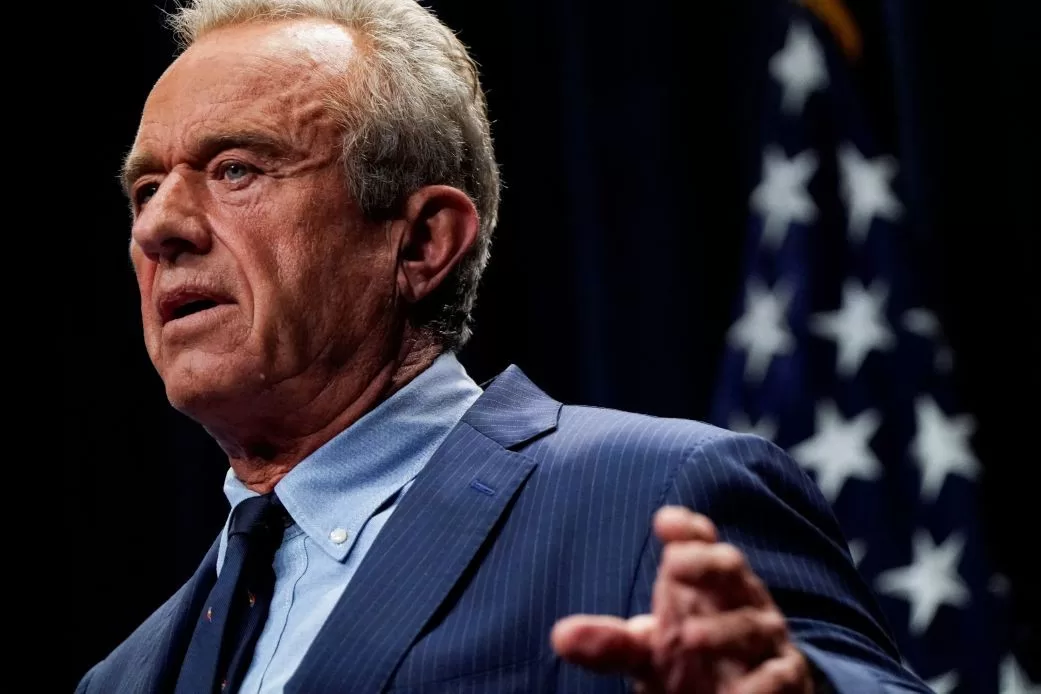
Conflicts of interest in vaccine advisory panels are a crucial issue that has garnered public attention, particularly following allegations made by Robert F. Kennedy Jr. However, recent studies show that these conflicts are significantly lower than claimed, with only a small percentage of members on key advisory committees reporting financial ties. This decline over time is indicative of improved practices aimed at ensuring unbiased, scientifically sound recommendations in vaccination policies. Continued vigilance is essential to maintain public trust in vaccine safety and efficacy.
The content provided on this blog (e.g., symptom descriptions, health tips, or general advice) is for informational purposes only and is not a substitute for professional medical advice, diagnosis, or treatment. Always seek the guidance of your physician or other qualified healthcare provider with any questions you may have regarding a medical condition. Never disregard professional medical advice or delay seeking it because of something you have read on this website. If you believe you may have a medical emergency, call your doctor or emergency services immediately. Reliance on any information provided by this blog is solely at your own risk.