

Cold sore treatment is essential for managing the discomfort and embarrassment associated with these painful blisters. Primarily caused by the herpes simplex virus, cold sores can disrupt daily life for millions. This guide will explore various cold sore remedies, including antiviral medications for cold sores that can significantly speed up recovery. We’ll also cover natural treatments for cold sores and topical treatments that provide immediate relief. Furthermore, understanding effective strategies for preventing cold sore outbreaks is crucial for those prone to these unsightly lesions.
When faced with the challenge of fever blisters, it’s important to know the various approaches available for effective relief. Cold sore management includes exploring antiviral options and topical applications designed to mitigate symptoms and expedite healing. Additionally, alternative methods such as natural treatments offer promising results for some individuals, while preventive tactics can help minimize the frequency of recurrences. This comprehensive overview will provide you with the insights needed to tackle these common yet bothersome viral outbreaks.
Understanding the Importance of Cold Sore Treatment
Cold sore treatment is critical not only for alleviating the discomfort associated with outbreaks but also for preventing the transmission of the herpes simplex virus (HSV-1) to others. Understanding effective treatment options allows individuals to manage their symptoms more efficiently, ultimately improving their quality of life. Cold sore remedies can range from prescription antiviral medications to over-the-counter topical treatments and natural remedies, each with its own set of benefits. Familiarity with these options can empower those affected by cold sores to choose the best approach tailored to their specific needs.
Moreover, recognizing the importance of early intervention is fundamental when it comes to cold sore treatment. Many individuals can successfully reduce the duration and severity of outbreaks by starting treatment as soon as the initial symptoms (like tingling or itching) occur. This timely approach can minimize the healing time significantly, transforming a potentially painful experience into a more manageable one. By educating oneself about the different types of treatments available, individuals can take proactive measures to limit the impact cold sores have on their daily lives.
Exploring Antiviral Medications for Cold Sores
Antiviral medications form the backbone of effective cold sore treatment, with drugs like Acyclovir and Valacyclovir being the most common prescriptions. These medications work by inhibiting the replication of the herpes virus, thereby shortening the duration of outbreaks and reducing symptoms. For optimal efficacy, it’s crucial to start these antiviral medications as soon as the telltale signs of an outbreak appear. With advancements in medicine, newer antiviral agents such as Famciclovir are emerging, potentially providing even faster relief for those suffering from cold sores.
In addition to oral antiviral medications, topical treatments like creams that contain antiviral properties can also aid in quick healing and symptom relief. Combining these treatments can enhance overall effectiveness, particularly in patients experiencing frequent outbreaks. By exploring various antiviral options, individuals suffering from cold sores can find the most suitable and effective course of treatment to address their unique situations.
Furthermore, understanding the correct dosage and application of these antivirals, in conjunction with lifestyle adjustments and preventive measures, can help keep cold sore outbreaks at bay. Therefore, consulting with a healthcare professional to devise an effective treatment regimen is advisable for anyone prone to recurrent cold sores.
Natural Treatments for Cold Sores
For those seeking alternative approaches to manage cold sores, natural treatments have gained popularity in recent years. Options such as lysine supplements, tea tree oil, and aloe vera are among several remedies touted for their antiviral properties. Some studies suggest that lysine may help decrease the frequency and severity of outbreaks, making it a go-to choice for individuals looking for preventative measures against cold sores. Additionally, topical applications of tea tree oil have shown promise, though caution should be exercised to prevent skin irritation.
Moreover, many people find the soothing properties of aloe vera beneficial in healing existing cold sores. When applied at the first sign of an outbreak, these natural treatments can enhance recovery and promote comfort. Although scientific support for some of these remedies may vary, exploring their potential as part of a comprehensive cold sore treatment plan could lead to better management of the condition. Yet, it remains essential to consult with a healthcare provider before incorporating new treatments, especially when underlying health issues are present.
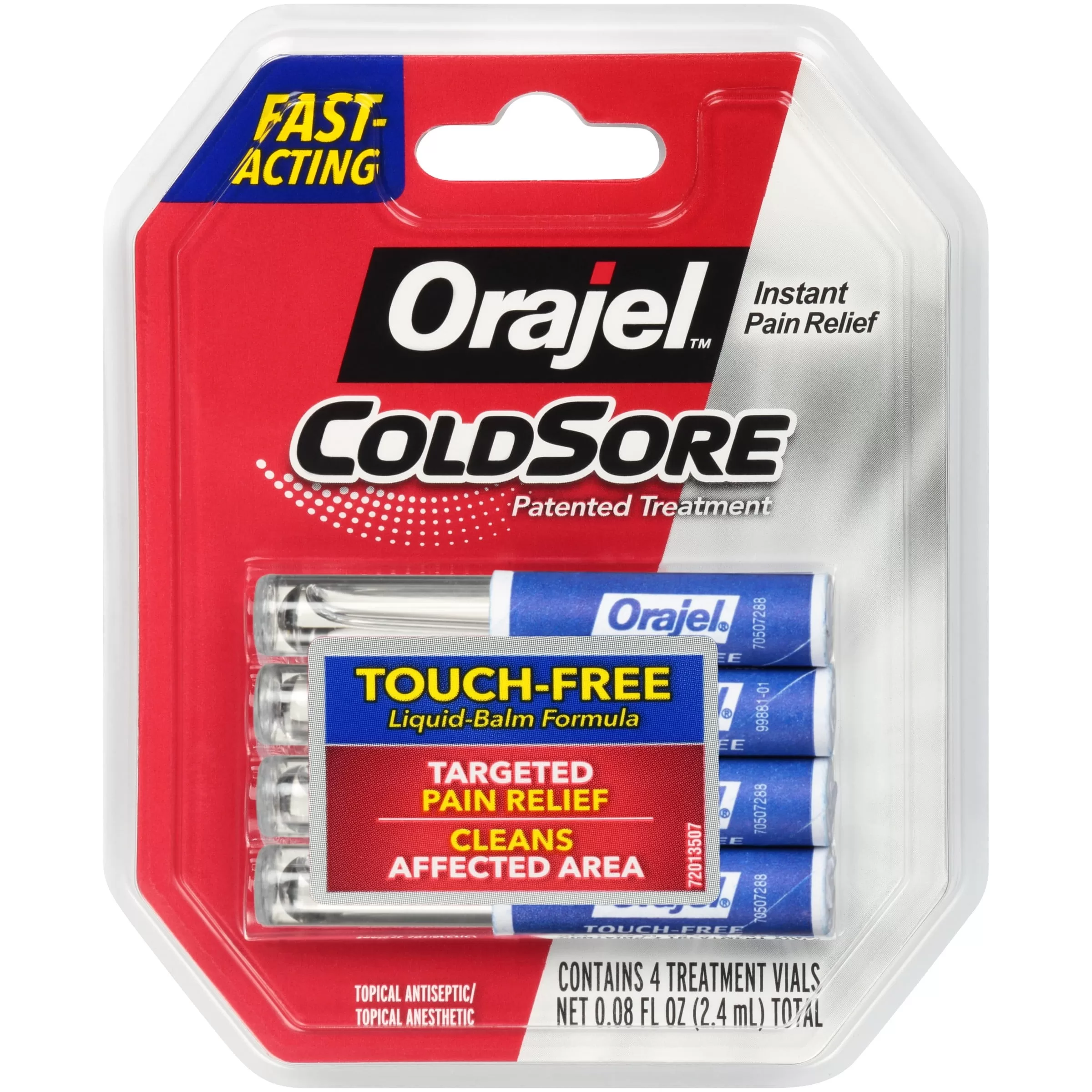
Topical Treatments for Cold Sores: Effective Options
Topical treatments are a popular choice for individuals looking for immediate relief from cold sore symptoms. Over-the-counter creams such as Docosanol and Abreva can be effective if applied early in an outbreak. These topical agents work by creating a barrier that prevents the virus from spreading and assists in alleviating pain and discomfort. Studies have shown that the combination of topical and oral antiviral medications can greatly enhance treatment outcomes, promoting quicker recovery times.
Applying these topical treatments as directed is crucial to ensure their effectiveness. Experts recommend applying the cream directly to the affected area at the first hint of an outbreak—usually a tingling sensation. Continued application, five times a day until the cold sore has completely healed, can optimize results, helping to shorten the healing duration significantly. Therefore, individuals dealing with cold sores should consider readily available topical options as part of their overall treatment strategy.
Preventing Cold Sore Outbreaks: Key Strategies
Prevention is a vital component of managing cold sores, particularly for those with a history of recurrent outbreaks. Daily routines can significantly reduce the frequency of cold sore outbreaks. Protective measures, such as the regular application of lip balm with SPF, can safeguard the lips from the sun’s harmful rays, a common trigger for outbreaks. Moreover, understanding and avoiding personal triggers—such as stress, illness, or changes in hormone levels—play a critical role in effective prevention.
Additionally, adopting daily suppressive therapy with antiviral medications can drastically lower the incidence of cold sore outbreaks in frequent sufferers. Clinical studies have indicated that this approach can reduce the frequency and severity of occurrences significantly. By developing and adhering to a comprehensive prevention strategy, individuals can manage their cold sore condition proactively and effectively.
Frequently Asked Questions
What are the most effective cold sore remedies currently available?
The most effective cold sore remedies include antiviral medications like Acyclovir and Valacyclovir, which can significantly reduce the duration and severity of outbreaks. Topical treatments such as Docosanol (Abreva) can also help speed up healing when applied at the first sign of a cold sore. Additionally, some natural treatments, like lysine supplements and aloe vera, may provide relief for certain individuals.
How do antiviral medications for cold sores work?
Antiviral medications for cold sores, such as Acyclovir and Valacyclovir, work by inhibiting the replication of the herpes simplex virus (HSV-1) in the body. These medications are most effective when taken at the first sign of an outbreak, such as tingling or itching, to reduce symptoms and healing time.
What topical treatments are recommended for cold sores?
Topical treatments for cold sores include non-prescription creams like Docosanol and Abreva. Applying these treatments directly to the cold sore at the earliest symptoms can help speed up healing. Using these in conjunction with oral antivirals can yield even better results.
Are there any natural treatments for cold sores that are effective?
Yes, there are several natural treatments for cold sores that some individuals find effective. These include lysine supplements, which may help prevent outbreaks, and tea tree oil, known for its antiviral properties. Aloe vera is also popular for its soothing effects on the skin. However, it’s important to consult with a healthcare provider before starting any new treatment.
What measures can be taken to prevent cold sore outbreaks?
Preventing cold sore outbreaks can involve several strategies, including daily application of lip sunblock to protect against UV rays, avoiding known triggers such as stress and illness, and considering daily suppressive therapy with antiviral medications for those with frequent outbreaks. Regularly managing stress and maintaining a healthy lifestyle can also help reduce recurrence.
| Treatment Options | Description | Effectiveness | Application |
|---|---|---|---|
| Antiviral Medications | Medications like Acyclovir and Valacyclovir reduce duration and severity of outbreaks. | High effectiveness if taken at first signs of symptoms. | Start immediately at symptom onset; follow prescribed dosage. |
| Topical Treatments | Creams like Docosanol and Abreva applied directly to the cold sore. | Effective for speeding up the healing process when applied early. | Apply at the first sign of an outbreak, usually 5 times daily until healed. |
| Natural Remedies | Options include Lysine, Tea Tree Oil, and Aloe Vera. | Effectiveness varies; some users report benefits from certain treatments. | Use at the first sign of an outbreak; consult a doctor before starting. |
| Preventive Measures | Daily sunscreens on lips, avoiding triggers, and suppressive antiviral therapy. | Significantly reduce outbreak frequency and severity. | Incorporate into daily routine for best results. |
Summary
Cold sore treatment is crucial for managing this common condition caused by the herpes simplex virus. By understanding the various treatment options available, including antiviral medications, topical treatments, natural remedies, and preventive measures, individuals can take proactive steps to alleviate symptoms and minimize outbreaks. Early implementation of these treatments helps in speeding up healing times. The continuous research into new therapies and vaccines offers promise for more effective management of cold sores in the future, making it vital for individuals to stay informed about their options and consult healthcare professionals for personalized advice.
The content provided on this blog (e.g., symptom descriptions, health tips, or general advice) is for informational purposes only and is not a substitute for professional medical advice, diagnosis, or treatment. Always seek the guidance of your physician or other qualified healthcare provider with any questions you may have regarding a medical condition. Never disregard professional medical advice or delay seeking it because of something you have read on this website. If you believe you may have a medical emergency, call your doctor or emergency services immediately. Reliance on any information provided by this blog is solely at your own risk.